How do milling parameters influence Praziquantel activation? Optimize Frequency and Time for Enhanced Bioavailability
Updated 5 months ago
Milling frequency and duration are the primary drivers of mechanical energy transfer, directly controlling the transition of Praziquantel from a crystalline to an amorphous state. These parameters define the total work input; frequency determines the intensity of impact and shear forces, while time determines the cumulative energy exposure required to disrupt the drug's molecular lattice.
Core Takeaway: To achieve successful mechanochemical activation of Praziquantel, one must precisely balance milling intensity (frequency) and duration (time) to maximize the amorphous yield while avoiding chemical degradation caused by excessive local thermal effects.
The Mechanics of Mechanical Energy Input
The Role of Milling Frequency
Frequency determines the acceleration of the grinding media within the mill, which dictates the magnitude of impact and shear forces.
High-frequency vibrations generate high-energy collisions that are sufficient to overcome the internal lattice energy of Praziquantel particles.
If the frequency is set too low, the energy delivered per impact may fall below the threshold required to fracture the crystalline structure, resulting in ineffective activation.
The Impact of Milling Duration
Milling time represents the cumulative work performed on the sample, ensuring that the entire volume of material undergoes the necessary physical transformation.
A standard benchmark for Praziquantel activation involves milling at 25 Hz for 15 to 30 minutes to ensure a uniform transition.
While longer times increase the likelihood of reaching a fully amorphous state, they also increase the risk of heat accumulation and molecular instability.
Phase Transformation and Dissolution
From Crystalline Order to Amorphous Disorder
Mechanochemical activation works by forcing a transition from a long-range ordered crystalline state to a long-range disordered amorphous state.
This "disordering" process significantly increases the physical activity of the drug molecules, making them more reactive and energetic.
By breaking the stable crystalline lattice, the drug is primed for significantly faster dissolution in liquid media.
Enhancing Bioavailability through Activation
The primary goal of this transformation is to improve the dissolution performance of Praziquantel, which is naturally limited by its crystalline stability.
The amorphous form has higher internal energy, allowing it to bypass the energy barriers that typically slow down the drug's release into the system.
Careful parameter selection ensures that this enhancement is achieved without compromising the chemical integrity of the active pharmaceutical ingredient (API).
Navigating Constraints and Trade-offs
Thermal and Mechanical Degradation
Excessive energy input—either through ultra-high frequencies or prolonged milling—can trigger undesirable chemical reactions.
Common degradation pathways for Praziquantel include ring-opening or oxidation reactions driven by local thermal hotspots within the milling chamber.
Continuous mechanical activation beyond the "saturation point" of amorphization does not provide further benefits and only increases the risk of byproduct formation.
Identifying the Efficiency Threshold
There is a "sweet spot" where the energy input is high enough to achieve complete amorphization but low enough to maintain chemical stability.
Operating outside this window leads to either an incomplete physical transformation (if parameters are too low) or a loss of potency (if parameters are too high).
How to Apply These Principles to Your Process
Choosing the correct parameters depends on your specific production goals and the thermal sensitivity of your specific Praziquantel formulation.
- If your primary focus is Maximum Dissolution Speed: Aim for the highest stable frequency (e.g., 25-30 Hz) for a moderate duration to ensure complete transition to the amorphous phase.
- If your primary focus is Chemical Purity and Stability: Utilize a lower milling frequency and shorter intervals, potentially employing "rest periods" to dissipate local thermal energy.
- If your primary focus is Scalability and Consistency: Standardize on a proven 15-to-30-minute window at a fixed frequency to ensure repeatable energy delivery across different batches.
By masterfully balancing the intensity and duration of mechanical work, you can optimize the therapeutic efficacy of Praziquantel while ensuring its chemical safety.
Summary Table:
| Parameter | Primary Function | Effect on Praziquantel | Risk of Excess |
|---|---|---|---|
| Milling Frequency | Intensity of Impact/Shear | Overcomes internal lattice energy to fracture crystals | Localized thermal degradation & byproduct formation |
| Milling Time | Cumulative Work Input | Ensures a uniform transition to a fully amorphous state | Molecular instability and chemical oxidation |
| Optimal Window | 25 Hz (15–30 min) | Maximizes amorphous yield | Loss of potency and chemical purity |
Optimize Your Mechanochemical Process with Precision Equipment
Achieving the perfect balance of energy input is critical for successful material activation. At [Brand Name], we provide complete laboratory sample preparation solutions for material science, specializing in high-performance powder processing and compaction equipment designed to deliver repeatable results.
Our extensive product lines include:
- Advanced Milling: Planetary ball mills, jet mills, liquid nitrogen cryogenic grinders, and rotor mills for precise particle size reduction and amorphization.
- Sieving & Mixing: Sieve shakers (vibratory/air-jet) and specialized powder/defoaming mixers.
- Compaction Solutions: A full spectrum of hydraulic presses, including Cold/Warm Isostatic Presses (CIP/WIP), vacuum hot presses, and XRF pellet presses.
Whether you are enhancing the bioavailability of APIs like Praziquantel or engineering new materials, our expertise ensures your process remains efficient and chemically stable. Contact our specialists today to find the ideal solution for your laboratory!
References
- Ivana Šagud, Irena Škorić. Impact of mesoporous silica on the chemical degradation of Praziquantel upon grinding. DOI: 10.5802/crchim.82
Mentioned Products
- Vibratory Disc Mill for Rapid Fine Grinding and High Throughput Sample Preparation of Hard and Brittle Materials
- Vertical Square Planetary Ball Mill for Laboratory Sample Preparation and Nanoscale Grinding
- Heavy Duty Horizontal Planetary Ball Mill for Efficient Industrial Grinding and Sample Preparation
- Laboratory Disc Mill for Fine Sample Preparation of Hard and Brittle Materials
- Laboratory Hammer Mill for Coal Quality Analysis and Brittle Mineral Grinding
People Also Ask
- Why is a vibratory disc mill utilized for the pretreatment of alum shale waste samples in phase analysis? Ensure XRD Accuracy
- What is the primary function of a vibrating disc mill in the pretreatment of raw clay samples? Achieve Micron-Level Precision
- What is the primary function of a laboratory disc mill for oyster shells? Boost Reactivity & Analytical Precision
- How does the size of grinding media influence the vibratory milling efficiency? Achieve Optimal Pharmaceutical Fineness
- What is the function of a laboratory vibratory mill? Master StPh/MMT Nanocomposite Preparation via Mechanochemistry

Tech Team · PowderPreparation
Last updated on May 14, 2026
Related Products
Vibratory Disc Mill for Rapid Fine Grinding and High Throughput Sample Preparation of Hard and Brittle Materials
Vertical Square Planetary Ball Mill for Laboratory Sample Preparation and Nanoscale Grinding
Heavy Duty Horizontal Planetary Ball Mill for Efficient Industrial Grinding and Sample Preparation
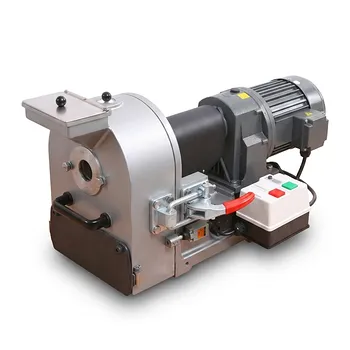
Laboratory Disc Mill for Fine Sample Preparation of Hard and Brittle Materials
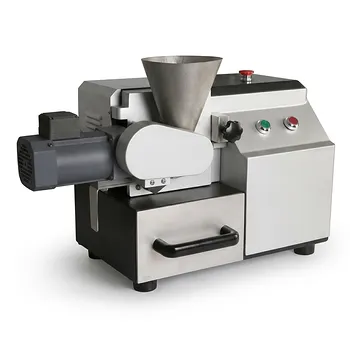
Laboratory Hammer Mill for Coal Quality Analysis and Brittle Mineral Grinding
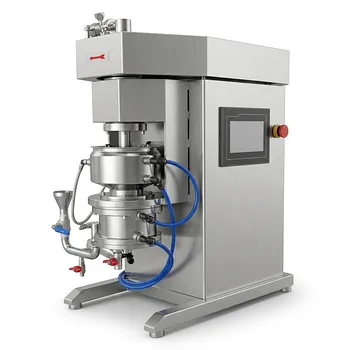
Small Ceramic Structure Laboratory Sand Mill Nanoscale Grinding Dispersion Equipment Seal-less Screen-less Design
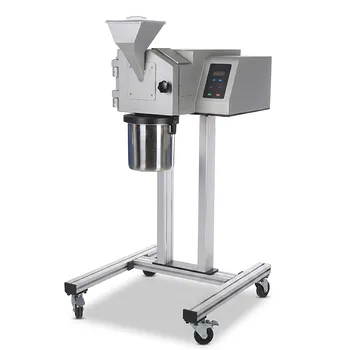
Cross Beater Mill for Brittle Material Grinding and Continuous Fine Crushing Industrial Sample Preparation
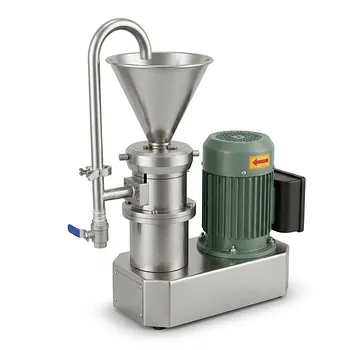
Small Laboratory Colloid Mill for Ultra-Fine Wet Grinding and Emulsification
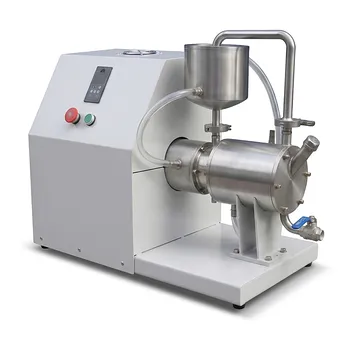
Laboratory Small Horizontal Sand Mill for Nano Materials Wet Grinding
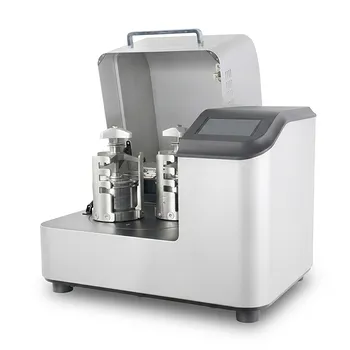
High Energy Planetary Ball Mill for Nano Scale Grinding and Mechanical Alloying
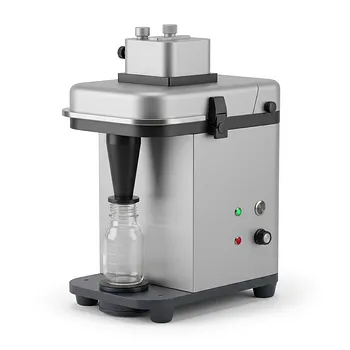
Cyclonic Laboratory Mill for NIR Spectroscopy Sample Preparation Food and Feed Grinding
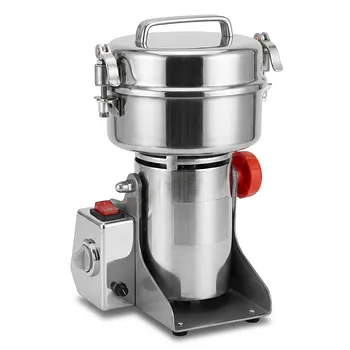
High Speed Laboratory Powder Grinder Small Batch Sample Preparation Mill
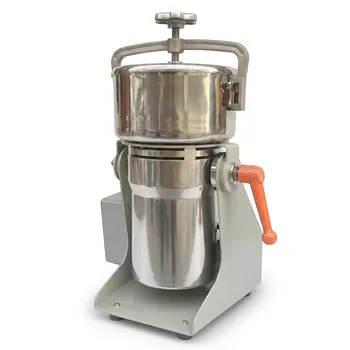
High Speed Laboratory Grinder Efficient Stainless Steel Powder Pulverizer Universal Material Science Mill for Sample Preparation
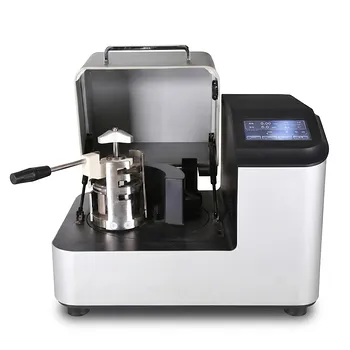
High Energy Laboratory Planetary Ball Mill for Nano Grinding and Material Science Sample Preparation
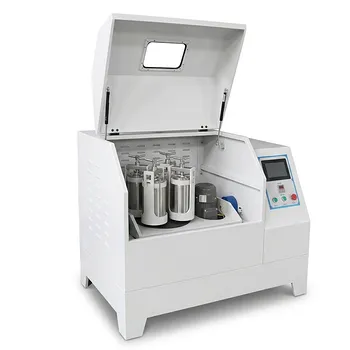
360° Rotating Omnidirectional Laboratory Planetary Ball Mill for Homogeneous Ultra-Fine Grinding and Mixing
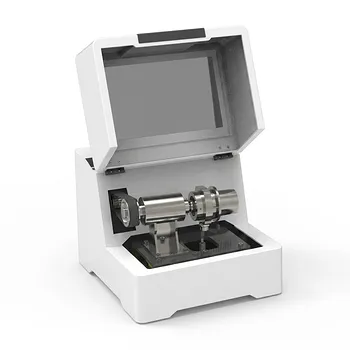
Single Tank High Energy Vibratory Ball Mill for Laboratory Grinding and Mixing
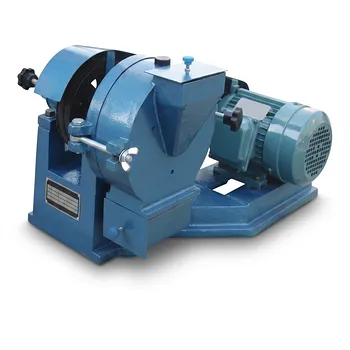
Laboratory Disc Mill for Ore and Mineral Sample Preparation
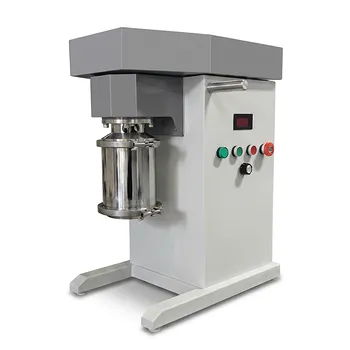
Nano Laboratory Bead Mill Desktop Sub Micron Sand Mill Screenless Seal Less Powder Grinder
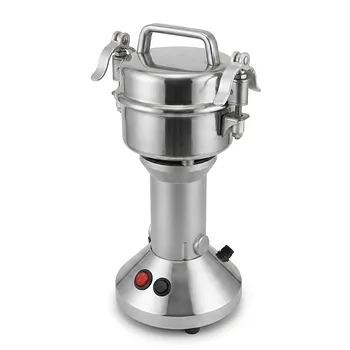
Continuous Feeding Grinding Mill for Dry Fibrous Tough and Hard Materials in Laboratory and Small Production