What role does a frequency converter play in laboratory mill performance? Master Grinding Kinetics & Energy Precision
Updated 4 months ago
The frequency converter is the primary mechanism for ensuring precision and repeatability in laboratory grinding kinetics. By providing exact control over the rotational speed of the mill drive, it maintains a stable process speed—such as 70 rpm—regardless of fluctuations in the electrical grid or material resistance. This stability allows researchers to isolate mechanical power as a controlled variable, which is essential for accurately calculating specific energy consumption and work indices.
Core Takeaway: In research settings, a frequency converter transforms a standard mill into a high-precision instrument by stabilizing mechanical power output and enabling the fine-tuning of collision energy to match specific material characteristics.
Establishing Precision in Energy Calculations
Eliminating Power Deviations
The most critical role of a frequency converter is the elimination of speed fluctuations during a test run. When a mill operates at a fixed, stable speed, the mechanical power output remains constant. This consistency is the only way to accurately calculate the energy required to reduce a specific volume of material, as it removes the "noise" of variable motor performance.
Calculating Reliable Work Indices
Researchers rely on stable speed to determine work indices, which define how much energy is needed to grind a material to a target fineness. Without the precise control of a converter, deviations in rotational speed would lead to inaccurate energy data. This would ultimately compromise the integrity of the grinding kinetics model.
Optimizing Collision Energy and Particle Yields
Matching Frequency to Material Characteristics
Different materials, such as tantalum hydride, require specific energy inputs to fracture efficiently without creating excessive waste. The frequency converter allows operators to adjust the rotation frequency of the mill rotor—typically between 20 to 100 s⁻¹. This adjustment ensures that the impact energy applied is high enough to break the material but low enough to avoid over-grinding.
Controlling Particle Size Distribution
Precision frequency control is essential for maximizing the yield of specific fractions, such as the 40–125 μm range. By fine-tuning the vibration or rotation frequency, researchers can limit the production of ultrafine powders (below 40 μm). This level of control is impossible with fixed-speed drives, which often provide too much or too little energy for specialized brittle materials.
Maximizing Grinding Efficiency
Enhancing Energy Transfer
A frequency converter optimizes energy efficiency by aligning the motor’s speed with the optimal vibration frequency of the grinding media. When these frequencies are synchronized, the collision energy stays within an ideal range. This results in higher product fineness while minimizing ineffective energy loss through heat or noise.
Reducing Mechanical Stress
By allowing for "soft starts" and controlled deceleration, the converter reduces the physical strain on the mill's internal components. This not only preserves the equipment but also ensures that the mechanical power recorded is being used for pulverization rather than overcoming internal friction or mechanical resistance.
Understanding the Trade-offs
Heat Generation and Frequency Limits
While increasing frequency can improve grinding speed, it often leads to significant heat generation within the milling chamber. Researchers must balance the desire for high-speed kinetics with the thermal sensitivity of the material being tested. Excessive heat can alter the chemical or physical properties of the sample, leading to skewed research results.
Calibration and Complexity
Implementing a frequency converter adds a layer of complexity to the laboratory setup. It requires rigorous calibration to ensure that the digital readout accurately reflects the actual rotational speed of the media. If the converter is not properly shielded, it can also introduce electromagnetic interference into other sensitive laboratory measuring equipment.
How to Apply This to Your Research
Selecting the right frequency settings depends entirely on your specific research objective and the nature of your sample material.
- If your primary focus is Specific Energy Consumption: Prioritize a converter that offers high-precision speed holding (±0.1 rpm) to ensure your power calculations are mathematically sound and free from speed-related deviations.
- If your primary focus is Particle Size Distribution: Use a wide-range controller (20-100 s⁻¹) to systematically test different impact energy levels and identify the "sweet spot" that maximizes your target fraction while minimizing fines.
- If your primary focus is Energy Efficiency: Adjust the frequency to find the resonance point where collision energy is maximized for the lowest possible electrical draw, matching the media dynamics to the material's pulverization curve.
By mastering the frequency converter, you move from simple material reduction to sophisticated, data-driven grinding kinetics research.
Summary Table:
| Feature | Research Benefit | Impact on Results |
|---|---|---|
| Speed Stabilization | Eliminates power deviations | Accurate energy consumption & work indices |
| Impact Tuning | Matches energy to material hardness | Optimized particle yield (e.g., 40–125 μm) |
| Resonance Alignment | Maximizes energy transfer efficiency | Higher fineness with minimal heat/noise loss |
| Soft Start/Stop | Reduces mechanical stress | Prolonged equipment life & consistent power data |
Elevate Your Grinding Kinetics with Precision Sample Prep
At [Brand Name], we provide complete laboratory sample preparation solutions tailored for advanced material science. Our expertise in powder processing and compaction ensures your research is backed by precision and repeatability.
Whether you are refining grinding kinetics with our planetary ball mills, jet mills, or rotor mills, or requiring high-pressure compaction via our Cold/Warm Isostatic Presses (CIP/WIP) and vacuum hot presses, we have the specialized equipment to meet your needs. Our extensive line also includes jaw crushers, sieve shakers, and XRF pellet presses designed for demanding lab environments.
Ready to optimize your lab's performance? Contact our technical experts today to find the ideal equipment solution for your specific material challenges.
References
- Wladmir José Gomes Florêncio, Vládia Cristina Gonçalves de Souza. The Effect of Particle Size Distribution on the BWI and Energy Consumption of Harder Ores. DOI: 10.4236/jmmce.2025.135015
Mentioned Products
- Small High Speed Grinder for Laboratory Sample Preparation
- High Efficiency High Speed Grinder Laboratory Mill 1300W 25000rpm
- Laboratory Micro Vibration Grinding Mill for Trace Sample Preparation
- Cyclonic Laboratory Mill for NIR Spectroscopy Sample Preparation Food and Feed Grinding
- Industrial Knife Mill for Food and Biological Sample Preparation High Speed Laboratory Homogenizer
People Also Ask
- What role does a laboratory grinder play in the pretreatment of sunflower seed shell-based adsorbents? Boost Efficiency.
- How does a laboratory grinder or mill enhance the adsorption performance of agricultural waste materials? Boost Surface Area
- Why is grinding equipment necessary for SnO2-Sb2O3 xerogels? Maximize surface area and photocatalytic activity.
- How does laboratory grinding or pulverizing equipment influence eggshell-derived adsorbents? Maximize Surface Area.
- What is the role of laboratory grinding equipment in the preparation of waste glass powder for eco-friendly red bricks?

Tech Team · PowderPreparation
Last updated on Jun 03, 2026
Related Products
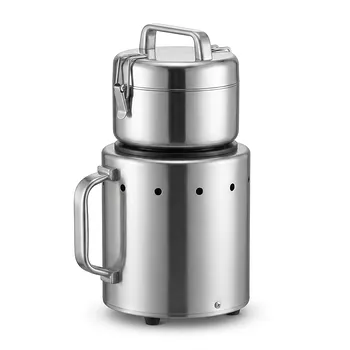
Small High Speed Grinder for Laboratory Sample Preparation
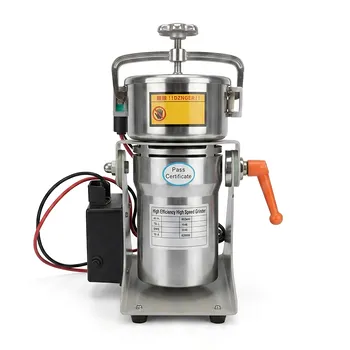
High Efficiency High Speed Grinder Laboratory Mill 1300W 25000rpm
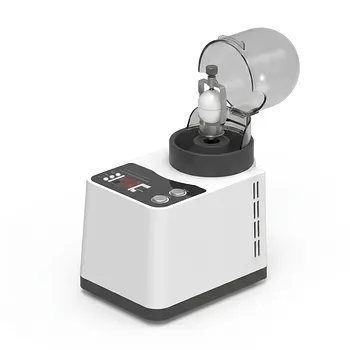
Laboratory Micro Vibration Grinding Mill for Trace Sample Preparation
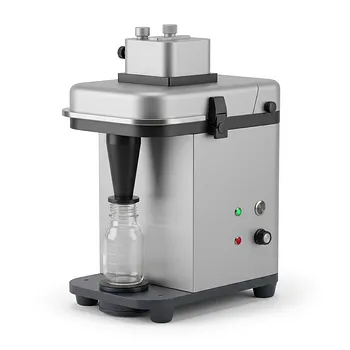
Cyclonic Laboratory Mill for NIR Spectroscopy Sample Preparation Food and Feed Grinding
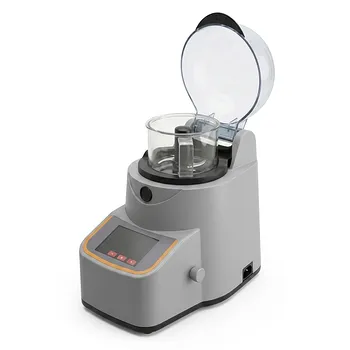
Industrial Knife Mill for Food and Biological Sample Preparation High Speed Laboratory Homogenizer
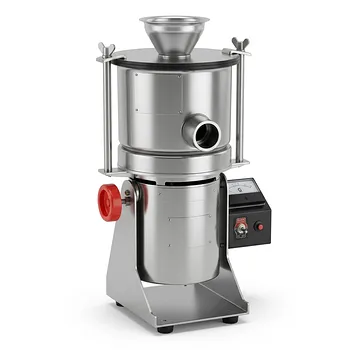
Laboratory Ultrafine Impact and Airflow Grinder for Precise Particle Size Control
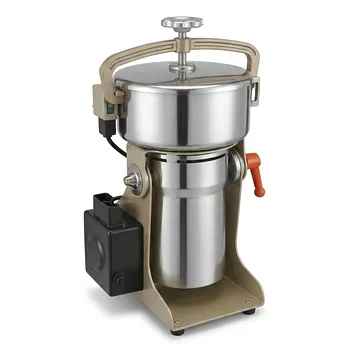
Multifunctional High Efficiency High Speed Laboratory Grinder
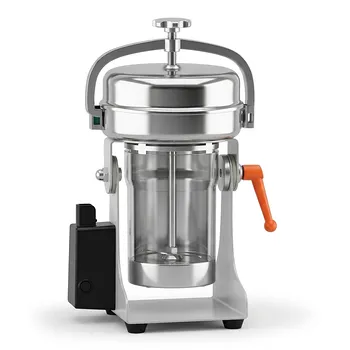
High Efficiency High Speed Grinder 2200W 25000 RPM Laboratory Sample Preparation
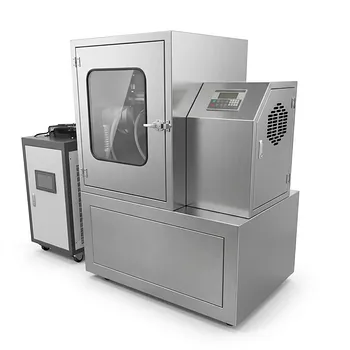
Vibratory Superfine Grinder for Ultra Fine Laboratory Powder Milling
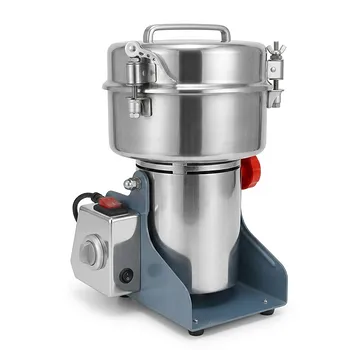
Small High-Speed Grinder for Efficient Laboratory Sample Preparation
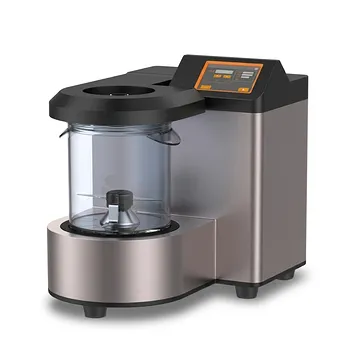
Laboratory Knife Mill for Large Volume Sample Homogenization and Food Preparation
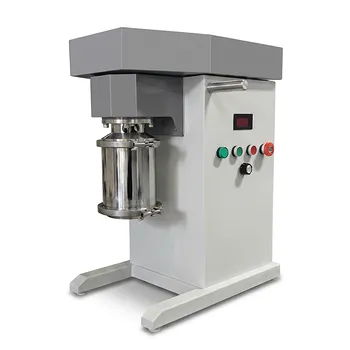
Nano Laboratory Bead Mill Desktop Sub Micron Sand Mill Screenless Seal Less Powder Grinder
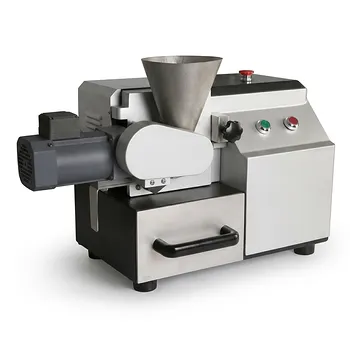
Laboratory Hammer Mill for Coal Quality Analysis and Brittle Mineral Grinding
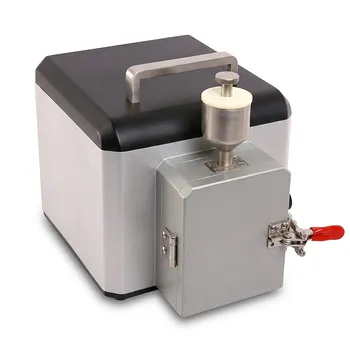
Portable Cutting Mill for Laboratory Sample Preparation and RoHS WEEE Compliance Testing
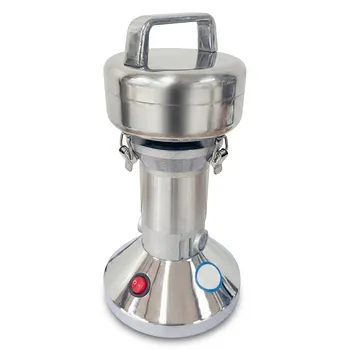
Small Trace Sample High Speed Pulverizer Grinder Laboratory Powder Mill
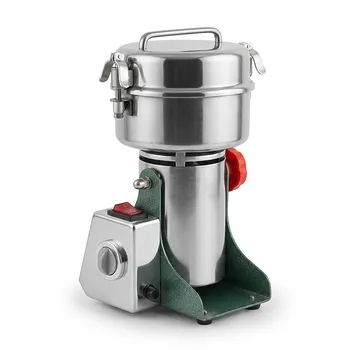
Small High-Speed Swing Grinder for Laboratory Sample Preparation
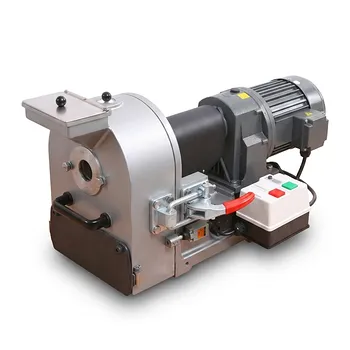
Laboratory Disc Mill for Fine Sample Preparation of Hard and Brittle Materials
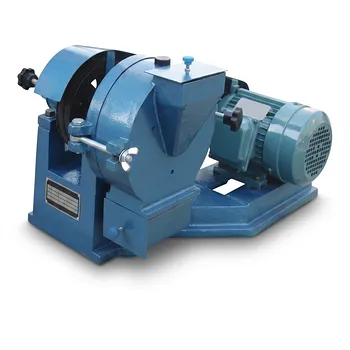
Laboratory Disc Mill for Ore and Mineral Sample Preparation
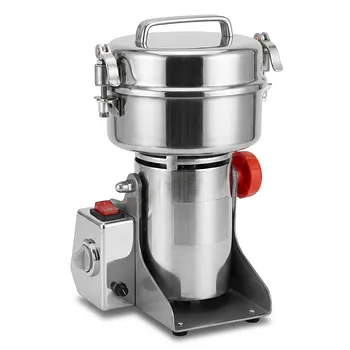
High Speed Laboratory Powder Grinder Small Batch Sample Preparation Mill