What is the role of a 3D mixer in Ti2SnC synthesis? Optimize Precursor Homogeneity for High-Purity MAX Phases
Updated 5 months ago
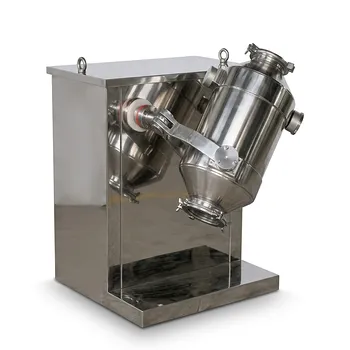
A 3D mixer serves as the critical catalyst for homogeneity in Ti2SnC precursor preparation. By utilizing a multi-dimensional motion trajectory, it transforms raw titanium, tin, and carbon powders into a highly uniform physical mixture. This precise micro-scale distribution is essential for ensuring that subsequent solid-state reactions achieve high phase purity while minimizing the formation of unwanted side products.
The 3D mixer provides the physical foundation for high-purity Ti2SnC synthesis by ensuring micro-scale stoichiometric accuracy. By achieving a uniform distribution of Ti, Sn, and C powders without altering particle morphology, it creates the ideal contact conditions necessary for complete chemical reactions during sintering.
The Mechanics of Homogeneity in MAX Phase Synthesis
Achieving Multi-Dimensional Motion
Unlike standard mixers that rely on single-axis rotation, a 3D mixer employs multi-axial compound motion. This complex trajectory ensures that powder particles are constantly displaced across all three spatial dimensions, eliminating "dead zones" within the container.
Micro-Scale Stoichiometric Precision
For Ti2SnC to form correctly, the 2:1:1 molar ratio of Ti, Sn, and C must be maintained not just in the bulk, but at the micro-scale level. The 3D mixer ensures that every microscopic region of the powder bed contains the correct proportion of reactants, which is a prerequisite for a successful solid-state reaction.
Enhancing Reaction Interface Area
By thoroughly distributing the tin and carbon particles among the titanium matrix, the mixer maximizes the reaction interface contact area. This high degree of intimacy between different powder species provides the necessary physical foundation for rapid atomic diffusion during high-temperature sintering.
Impact on Phase Purity and Reaction Kinetics
Facilitating Full Solid-Phase Reactions
The uniform distribution of components allows chemical reactions to proceed according to the intended stoichiometric path. When powders are perfectly blended, the diffusion distances for atoms are minimized, leading to more complete reactions and a more consistent final ceramic structure.
Minimizing Impurity Phase Formation
Component segregation—where one element clusters in a specific area—is a primary cause of impurity phases in MAX phase synthesis. The high-uniformity mixing provided by 3D motion effectively prevents this segregation, thereby reducing the presence of side products in the sintered Ti2SnC product.
Handling Density and Size Disparity
Titanium, tin, and carbon possess significantly different densities and particle morphologies. The multi-axis motion of a 3D mixer is specifically effective at blending these dissimilar materials without the settling or stratification often seen in traditional tumbling mixers.
Understanding the Trade-offs
Mixing Time vs. Material Integrity
While extended mixing durations (sometimes up to 30 hours) ensure maximum homogeneity, they must be balanced against process efficiency. Fortunately, 3D mixers generally operate at lower speeds, which helps prevent powder oxidation that can occur during high-energy processes.
Physical Mixing vs. Particle Modification
3D mixers are designed for dry physical homogenization rather than mechanical alloying. While this preserves the original particle size and morphology—which is often desirable for controlling sintering kinetics—it does not provide the particle size reduction or "activation" that ball milling might offer.
Scalability and Batch Consistency
Maintaining the same level of micro-scale uniformity when moving from laboratory to industrial scales can be challenging. Vessel geometry and fill levels must be strictly controlled to ensure the 3D motion remains effective as the volume of Ti, Sn, and C powders increases.
Optimizing Your Ti2SnC Precursor Preparation
Choosing the right mixing parameters is essential for the quality of your final MAX phase ceramic.
- If your primary focus is maximizing phase purity: Prioritize longer mixing cycles at moderate speeds to ensure absolute micro-scale stoichiometric uniformity before sintering.
- If your primary focus is preserving powder morphology: Utilize the 3D mixer's low-impact motion to achieve homogeneity without the risk of over-processing or altering the original grain structure.
- If your primary focus is reducing reaction time: Ensure the 3D mixer creates the highest possible contact area between Ti and C particles to facilitate faster atomic diffusion during the heating phase.
By mastering the multi-dimensional blending of precursors, you establish the precise chemical environment required for superior Ti2SnC synthesis.
Summary Table:
| Feature | Benefit for Ti2SnC Synthesis | Advantage Over Standard Mixers |
|---|---|---|
| Multi-Axial Motion | Eliminates "dead zones" for total volume blending | Prevents stratification seen in single-axis rotation |
| Micro-Scale Precision | Ensures 2:1:1 stoichiometric accuracy at every point | Reduces impurity phases caused by component segregation |
| Physical Homogenization | Preserves original particle morphology and size | Low-impact mixing avoids unwanted oxidation or deformation |
| Interface Optimization | Maximizes contact area between Ti, Sn, and C | Accelerates atomic diffusion during sintering reactions |
Elevate Your Material Research with Precision Sample Preparation
Achieving high-purity MAX phases like Ti2SnC starts with flawless precursor preparation. At our core, we provide complete laboratory sample preparation solutions for material science, specializing in high-performance powder processing and compaction equipment.
Whether you are refining stoichiometry or scaling up ceramic synthesis, our extensive product line ensures absolute control over your material properties:
- Advanced Mixing: 3D powder mixers and defoaming mixers for micro-scale homogeneity.
- Size Reduction & Grinding: Jaw/roll crushers, liquid nitrogen cryogenic grinders, and planetary ball, jet, or rotor mills.
- Classification: Vibratory and air-jet sieve shakers for precise particle size distribution.
- High-Pressure Compaction: A full spectrum of hydraulic presses, including Cold/Warm Isostatic Presses (CIP/WIP), XRF pellet presses, and advanced Vacuum Hot Presses for dense sintering.
Ensure the success of your next synthesis. Contact our technical experts today to discuss how our specialized equipment can enhance your laboratory's efficiency and material purity.
References
- Zhenglin Zou, ZhengMing Sun. Engineering the Diameter of Sn Nanowhiskers Derived From MAX Phases via Liquid Media. DOI: 10.1002/metm.70016
Mentioned Products
- Three-Dimensional Motion Mixer for Laboratory Powder and Granule Blending
- Multi Dimensional Universal Mixer for High Uniformity Powder Blending
- Dry Three Dimensional Vibratory Sieve Shaker
- Heavy Duty Dry Three Dimensional Vibratory Sieve Shaker for Particle Separation
- Laboratory Dry and Wet Three Dimensional Vibratory Sieve Shaker for Particle Analysis
People Also Ask
- Why is a 3D Motion Mixer employed when preparing binary powder mixtures for tableting? Achieve Superior Homogeneity
- What role does an industrial 3D mixer play in the preparation of diamond tool segment raw materials? Achieve Homogeneity
- How does a 3D mixer with tungsten balls contribute to magnesium composite mixing? Achieve Superior Macro-Homogeneity
- What are the advantages of using a 3D powder mixer? Boost Tablet Consistency with Advanced Mixing Technology
- What role does a 3D powder mixer play in alumina fiber ceramic cores? Achieve Precise Homogeneity for 3D Printing

Tech Team · PowderPreparation
Last updated on May 14, 2026
Related Products
Three-Dimensional Motion Mixer for Laboratory Powder and Granule Blending
Multi Dimensional Universal Mixer for High Uniformity Powder Blending
Dry Three Dimensional Vibratory Sieve Shaker
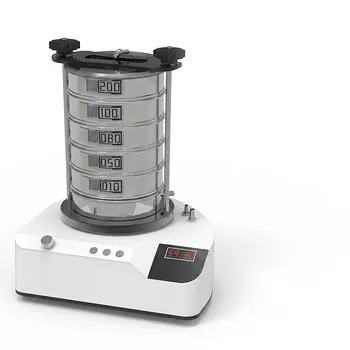
Heavy Duty Dry Three Dimensional Vibratory Sieve Shaker for Particle Separation
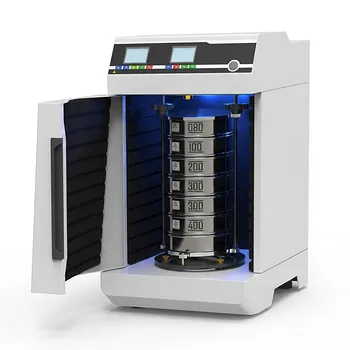
Laboratory Dry and Wet Three Dimensional Vibratory Sieve Shaker for Particle Analysis
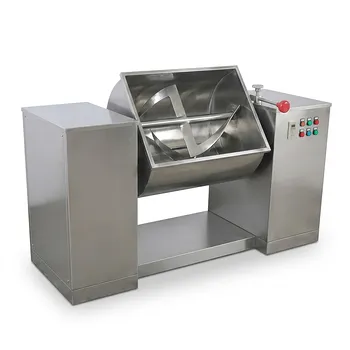
Horizontal Trough Mixer for Uniform Powder and Paste Blending
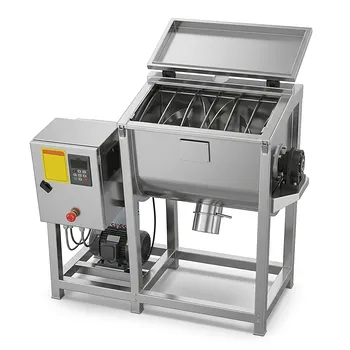
Horizontal Ribbon Mixer for Uniform Powder and Slurry Mixing
Horizontal Ribbon Mixer for Dry Powder and Slurry Blending
Single Tank High Energy Vibratory Ball Mill for Laboratory Grinding and Mixing
Inclined Mixer for Homogeneous Powder Blending and Grinding
Industrial Double Cone Mixer for Powder Blending and Homogeneous Mixing
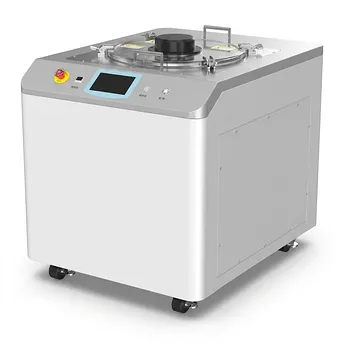
Industrial Planetary Centrifugal Vacuum Defoaming Mixer for High Viscosity Paste and Powder Homogenization
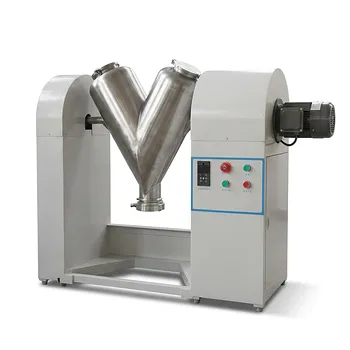
V-Type Powder Mixer for Uniform Blending of Dry Powders and Granules
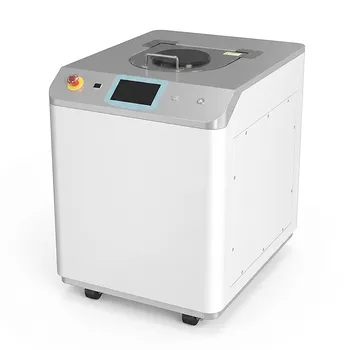
Industrial Planetary Centrifugal Vacuum Defoaming Mixer for High Viscosity Paste and Advanced Material Science
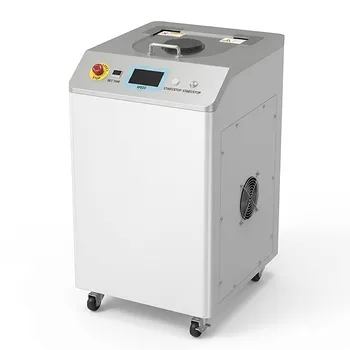
High Viscosity Planetary Centrifugal Vacuum Mixer for Material Defoaming and Uniform Mixing
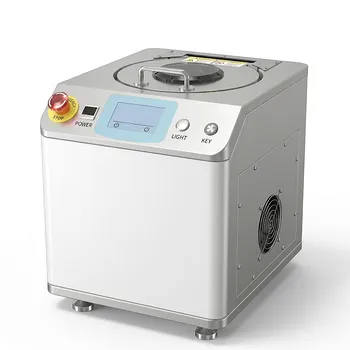
High Efficiency Vacuum Planetary Centrifugal Mixer and Defoaming Machine for Industrial Material Research and Precise Laboratory Powder Dispersion
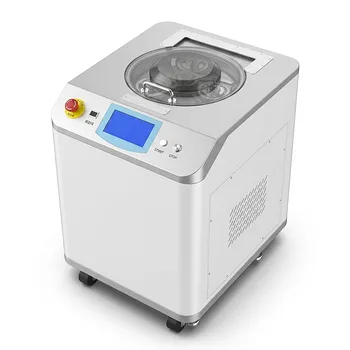
Dual Cup Vacuum Centrifugal Mixer Planetary Paste Defoaming Machine Industrial Material Processor
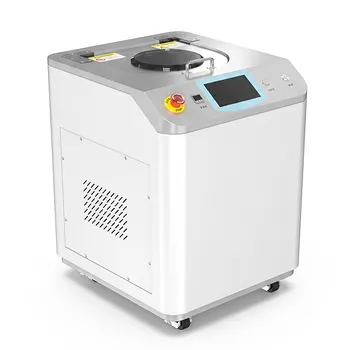
High Speed Vacuum Planetary Centrifugal Mixer and Defoamer for Industrial Paste Processing
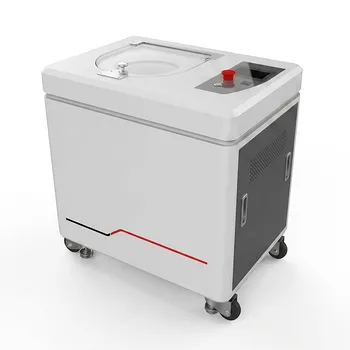
非介入式材料均质机真空脱泡行星搅拌高粘度混合设备