Why is laboratory stirring equipment required for PCL mixtures? Ensure Uniform Dispersion for Quality Coatings
Updated 5 months ago
Laboratory stirring equipment is essential for PCL processing because it provides the continuous mechanical energy required to fully dissolve polymer chains and uniformly disperse functional nanoparticles. This rigorous mixing process ensures that the resulting coating solution is chemically homogeneous, preventing defects like nanoparticle clumping that would otherwise compromise the protective film’s integrity.
Core Takeaway: Effective PCL coating preparation relies on laboratory stirring to overcome the natural resistance of polymers to dissolve and the tendency of nanoparticles to agglomerate. This process transforms a heterogeneous mixture into a stable, high-performance suspension necessary for uniform application.
Achieving Molecular Homogeneity in Polymer Solutions
The Challenge of Polycaprolactone Dissolution
Polycaprolactone (PCL) is a polymer that requires specific mechanical action to integrate with solvents like chloroform. Stirring equipment facilitates the penetration of the solvent into the polymer matrix, encouraging the long polymer chains to untangle and move into the liquid phase.
Maintaining Constant Motion for Solvation
Without continuous stirring, the dissolution process can stall, leading to "clumps" of undissolved polymer. Prolonged mixing ensures that the concentration of PCL is uniform throughout the entire volume of the solvent, which is critical for a consistent coating thickness.
Managing Nanoparticle Dispersion
Preventing Nanoparticle Agglomeration
The addition of TiO2@Ag/γ-CD MOF nanoparticles introduces the risk of agglomeration, where particles stick together due to high surface energy. Thorough stirring provides the shear force necessary to break these clusters apart and distribute them evenly within the polymer matrix.
Ensuring Functional Performance
If nanoparticles are not uniformly dispersed, the final coating will exhibit inconsistent performance properties. Uniform distribution is the only way to ensure that the protective, antimicrobial, or structural benefits of the nanoparticles are present across every millimeter of the film.
The Necessity of Prolonged Processing
Overcoming High Viscosity
As polymers dissolve, the viscosity of the liquid phase increases significantly. High-precision stirring equipment must operate at constant speeds for extended periods to maintain motion in these thick, viscous fluids.
Establishing Long-Term Stability
Prolonged stirring, sometimes lasting 48 hours or more in similar industrial applications, ensures the mixture reaches a stable homogeneous suspension. This stability prevents the components from settling or separating during the subsequent casting or coating process.
Understanding the Trade-offs and Pitfalls
Solvent Evaporation Risks
While prolonged stirring is necessary, it must be managed carefully in volatile solvents like chloroform. Excessive heat from the stirrer or open containers can lead to solvent loss, which changes the concentration of the mixture and affects the final coating quality.
Mechanical Shear and Degradation
Applying too much mechanical energy through high-intensity stirring can potentially degrade sensitive polymer chains. Finding the balance between thorough dispersion and maintaining the structural integrity of the PCL is a critical technical requirement.
Applying These Principles to Your Coating Preparation
Ensuring the success of a PCL-based coating requires a disciplined approach to the mixing phase to avoid structural defects and performance gaps.
- If your primary focus is film uniformity: Ensure the stirrer operates at a constant speed to eliminate local concentration gradients that cause thinning or "holing" in the film.
- If your primary focus is nanoparticle functionality: Prioritize high-torque stirring to break down agglomerates, ensuring the functional particles are active throughout the entire coating.
- If your primary focus is process repeatability: Use digital laboratory mixers to precisely control the duration and RPM of the stirring cycle for every batch.
Properly executed stirring is the bridge between raw chemical components and a high-performance, defect-free protective coating.
Summary Table:
| Processing Challenge | Role of Stirring Equipment | Benefit to Final Coating |
|---|---|---|
| Polymer Dissolution | Facilitates solvent penetration into the PCL matrix | Ensures chemical homogeneity and uniform thickness |
| Nanoparticle Agglomeration | Provides shear force to break clusters (e.g., TiO2@Ag) | Guarantees consistent antimicrobial and structural properties |
| High Fluid Viscosity | Maintains constant motion in thick, viscous liquids | Prevents local gradients that cause thinning or "holing" |
| Suspension Stability | Establishes a stable, long-term homogeneous mixture | Prevents settling or separation during the casting process |
Elevate Your Material Research with Precision Preparation Solutions
Achieving the perfect PCL suspension requires more than just basic mixing—it demands precision and reliability. At [Brand Name], we provide complete laboratory sample preparation solutions tailored for material science. We specialize in high-performance powder processing and compaction equipment designed to handle the most demanding research requirements.
Our extensive product line includes:
- Advanced Mixing: Powder mixers and defoaming mixers for stable, air-free suspensions.
- Size Reduction: Planetary ball mills, jet mills, and cryogenic grinders for perfect particle dispersion.
- Material Compaction: A full spectrum of hydraulic presses, including Cold/Warm Isostatic Presses (CIP/WIP), vacuum hot presses, and XRF pellet presses.
- Sieving & Analysis: Vibratory and air-jet sieve shakers for precise quality control.
Don't let processing defects compromise your coatings. Contact our technical experts today to find the ideal equipment for your laboratory and ensure your materials achieve peak performance.
References
- Sara Dehghan‐Chenar, Maryam Sadat Mirbagheri-Firoozabad. Biocompatible and Antibacterial PCL-TiO<sub>2</sub>@Ag/γ-CD MOF Nanocomposite Coating for Corrosion Resistance of Magnesium Alloy in Simulated Body Fluid. DOI: 10.61558/2993-074x.3573
Mentioned Products
- Horizontal Ribbon Mixer for Uniform Powder and Slurry Mixing
- High Speed Laboratory Grinder Efficient Stainless Steel Powder Pulverizer Universal Material Science Mill for Sample Preparation
- Small High-Speed Laboratory Grinder for Powder Processing
- Multifunctional High Efficiency High Speed Laboratory Grinder
- Small High Speed Grinder for Laboratory Sample Preparation
People Also Ask
- How does the fill level of a horizontal mixer influence the selection of the stirring mechanism? Optimize Your Design
- What is the technical significance of radial clearance in horizontal mixers? Boost Homogeneity & Reduce Dead Zones.
- What is the function of additives like cellulose or wax in lab mixers? Enhance Pellet Integrity and Strength
- How does a laboratory mixer ensure the final performance of lead-zinc metallurgical slag-based mortar? Best Practices
- How does a laboratory mixer facilitate mixing PE wax and bentonite? Master Shear Force for Superior Material Properties

Tech Team · PowderPreparation
Last updated on May 14, 2026
Related Products
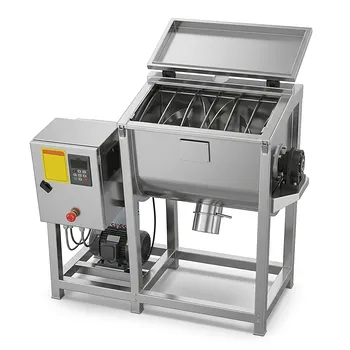
Horizontal Ribbon Mixer for Uniform Powder and Slurry Mixing
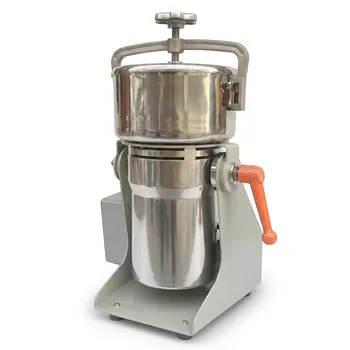
High Speed Laboratory Grinder Efficient Stainless Steel Powder Pulverizer Universal Material Science Mill for Sample Preparation
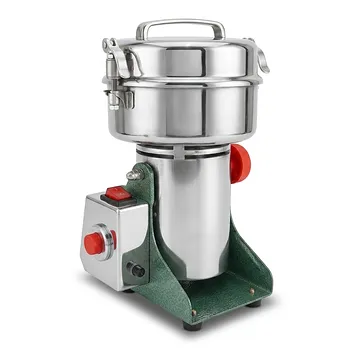
Small High-Speed Laboratory Grinder for Powder Processing
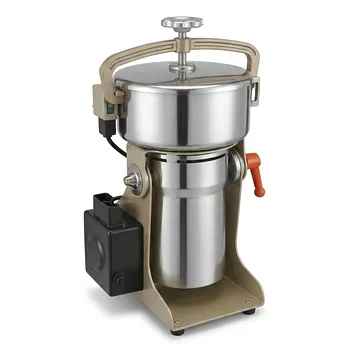
Multifunctional High Efficiency High Speed Laboratory Grinder
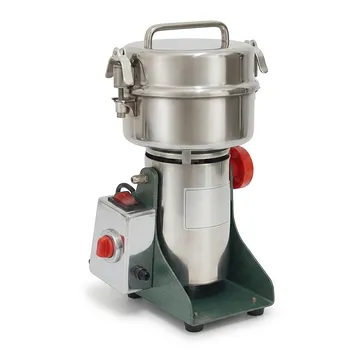
Small High Speed Grinder for Laboratory Sample Preparation
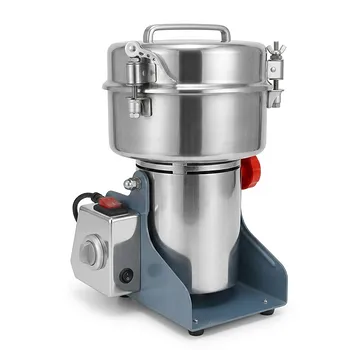
Small High-Speed Grinder for Efficient Laboratory Sample Preparation
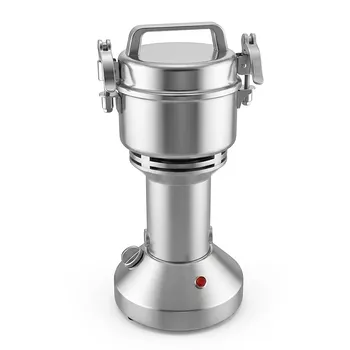
Small High Speed Upright Grinder for Laboratory Sample Preparation
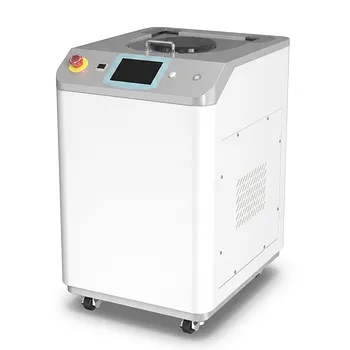
High Viscosity Planetary Centrifugal Mixing and Vacuum Defoaming Machine for Laboratory Material Preparation
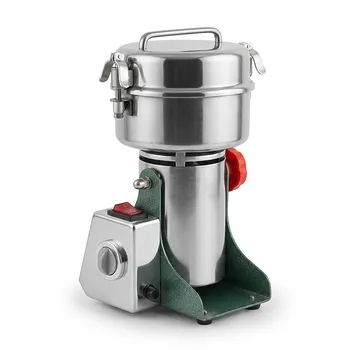
Small High-Speed Swing Grinder for Laboratory Sample Preparation
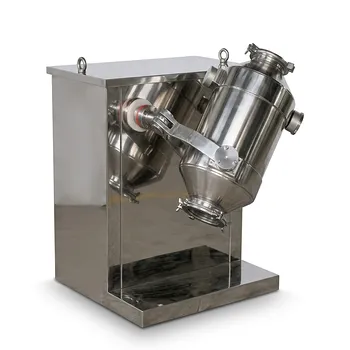
Three-Dimensional Motion Mixer for Laboratory Powder and Granule Blending
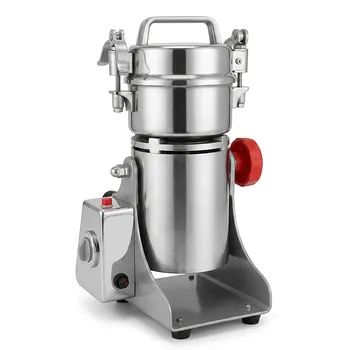
Industrial High Speed Small Sample Pulverizer Swing Type Laboratory Grinder for Powder Processing
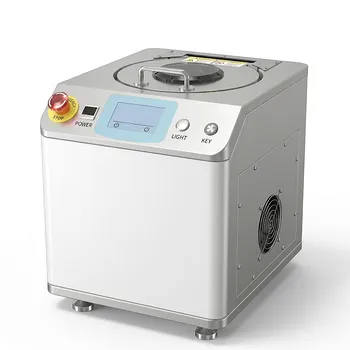
High Efficiency Vacuum Planetary Centrifugal Mixer and Defoaming Machine for Industrial Material Research and Precise Laboratory Powder Dispersion
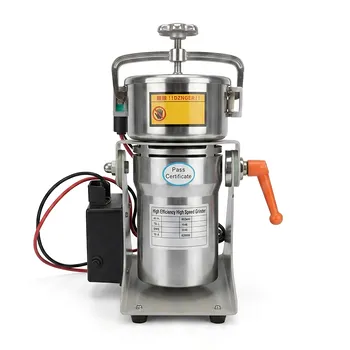
High Efficiency High Speed Grinder Laboratory Mill 1300W 25000rpm
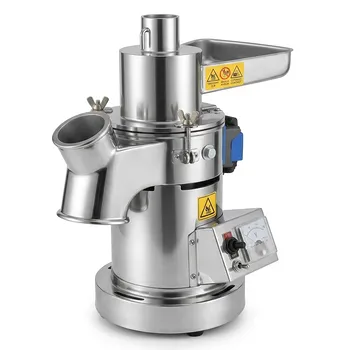
Continuous Feeding Grinder High Efficiency Pulverizer for Lab Sample Preparation
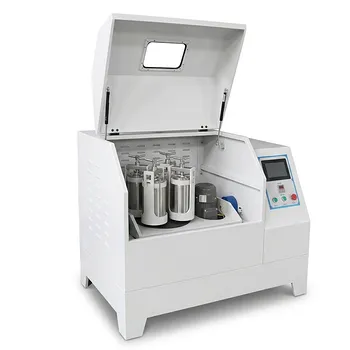
360° Rotating Omnidirectional Laboratory Planetary Ball Mill for Homogeneous Ultra-Fine Grinding and Mixing
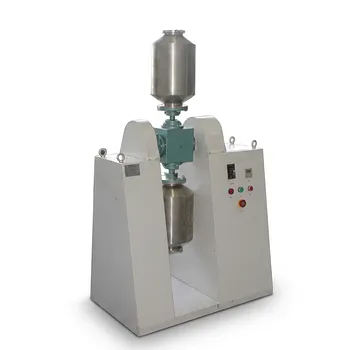
Multi Dimensional Universal Mixer for High Uniformity Powder Blending
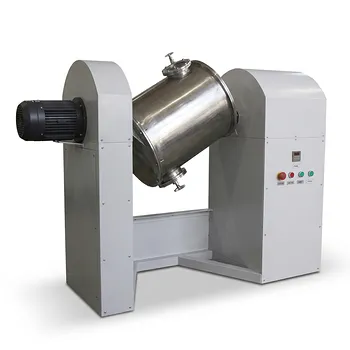
Inclined Mixer for Homogeneous Powder Blending and Grinding
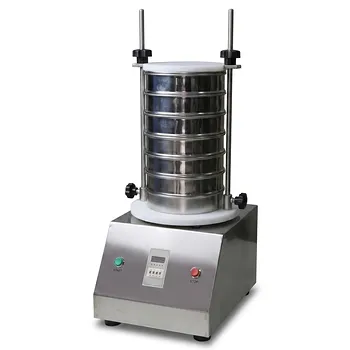
Laboratory Vibratory Test Sieve Shaker for Precision Particle Size Analysis and Powder Grading
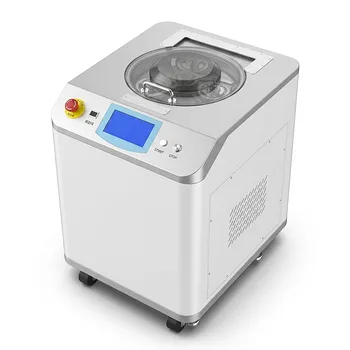
Dual Cup Vacuum Centrifugal Mixer Planetary Paste Defoaming Machine Industrial Material Processor