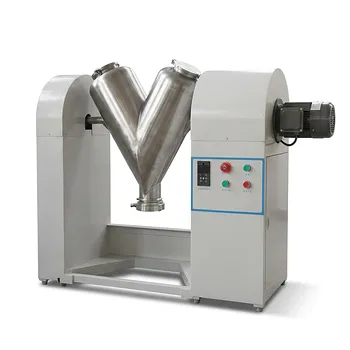
What is the function of a high-precision 3D mixer in polymer cold spray powder? Ensure Homogeneity & Stable Feeding
Updated 5 months ago
In the preparation of polymer cold spray powders, a high-precision 3D mixer acts as the critical bridge between raw material components and a stable deposition process.
It utilizes complex multi-axis motion to achieve exceptional macroscopic and microscopic distribution uniformity between the polymer matrix and additives like glass or ceramic particles. This homogeneity is essential to ensure consistent material feeding and prevent the clogging or composition fluctuations that arise from particle segregation during the spray process.
The primary function of a 3D mixer is to eliminate component segregation through multi-axis spatial motion, creating a physically uniform precursor that ensures process stability and predictable coating performance.
Mechanisms of High-Precision Mixing
Multi-Axis Spatial Motion
High-precision 3D mixers employ simultaneous rocking, rotation, and flipping movements to move powders through three-dimensional space. Unlike traditional mixers, this complex motion prevents the formation of "dead zones" where materials might remain unmixed.
Overcoming Density Disparities
Polymer powders and hard additives (such as ceramic or glass beads) often have significantly different densities, making them prone to separation. The continuous agitation of a 3D mixer forces these disparate particles into a stable, random distribution that gravity alone would otherwise disrupt.
Achieving Microscopic Homogeneity
The goal of the mixer is to reach a state where the additive particles are evenly dispersed at a microscale level within the polymer matrix. This level of precision is a prerequisite for ensuring that every gram of powder fed into the cold spray system has an identical composition.
Impact on the Cold Spray Process
Ensuring Stable Material Feeding
Cold spray systems rely on a pressurized, steady flow of powder through a feeder and nozzle. A non-uniform mixture can cause feeding "slugs" or voids, leading to an inconsistent spray stream and poor coating quality.
Preventing Equipment Clogging
When additives like ceramic particles agglomerate or segregate, they can block narrow internal feed lines or the spray nozzle itself. High-precision mixing ensures these particles remain dispersed, significantly reducing the risk of mechanical blockages and costly downtime.
Maintaining Compositional Integrity
If the feedstock is not uniform, the resulting coating will suffer from compositional fluctuations, leading to localized weak points. Uniform mixing ensures that the final printed part or coating exhibits isotropic mechanical properties and the intended material performance.
Understanding the Trade-offs and Limitations
Mixing Duration vs. Particle Integrity
While extended mixing times—sometimes up to 24 hours—can improve uniformity, excessive duration may lead to particle attrition. It is vital to balance mixing time to achieve homogeneity without damaging the delicate morphology of the polymer grains.
Physical Mixing vs. Mechanical Alloying
A 3D mixer provides dry physical mixing without altering the chemical structure or original grain size of the powders. If your application requires a molecular-level bond or grain refinement, simple 3D mixing must be supplemented with high-energy processes like mechanical alloying.
Optimizing Your Powder Preparation Strategy
Selecting the right mixing parameters is essential for achieving a high-quality cold spray coating.
- If your primary focus is coating consistency: Prioritize 3D mixers with multi-axial compound motion to eliminate microscopic composition fluctuations in the feedstock.
- If your primary focus is preventing nozzle wear: Utilize high-efficiency mixing cycles to fully disperse hard additives, preventing the formation of abrasive clusters that degrade equipment.
- If your primary focus is preserving particle morphology: Use a controlled-speed 3D mixer to achieve macroscopic uniformity without the aggressive mechanical energy that alters grain size.
By mastering the physical uniformity of your feedstock, you secure the reliability and performance of the final cold-sprayed polymer composite.
Summary Table:
| Feature | Function in Powder Preparation | Key Benefit for Cold Spray |
|---|---|---|
| Multi-Axis Motion | Simultaneous rocking, rotation, and flipping | Eliminates "dead zones" for total macroscopic uniformity |
| Density Handling | Uniformly distributes polymers and dense additives | Prevents particle segregation during the spray process |
| Micro-Homogeneity | Evenly disperses additives at a microscale level | Ensures isotropic mechanical properties in final coatings |
| Process Control | Maintains consistent feedstock composition | Prevents nozzle clogging and unstable material feeding |
Elevate Your Material Science Research with Precision Sample Prep
Achieving the perfect feedstock is critical for high-performance coatings and materials. At our core, we provide complete laboratory sample preparation solutions tailored for material science, specializing in advanced powder processing and compaction equipment.
Whether you need to achieve microscopic homogeneity or consolidate advanced composites, our extensive product line supports every stage of your workflow:
- Powder Processing: High-precision 3D mixers, planetary ball mills, jet mills, and liquid nitrogen cryogenic grinders.
- Sizing & Analysis: Vibratory and air-jet sieve shakers with a full range of test sieves.
- Compaction & Pressing: A full spectrum of hydraulic presses, including Cold/Warm Isostatic Presses (CIP/WIP), vacuum hot presses, and XRF pellet presses.
- Primary Crushing: Durable jaw and roll crushers for raw material reduction.
Ready to optimize your powder preparation and ensure stable deposition? Contact our technical team today to discuss how our specialized equipment can enhance your laboratory's efficiency and output quality!
References
- Tristan W. Bacha, Joseph F. Stanzione. Multipurpose Additives Toward Improving the Polymer Cold Spray Process. DOI: 10.1007/s11666-024-01745-z
Mentioned Products
- Three-Dimensional Motion Mixer for Laboratory Powder and Granule Blending
- High Efficiency Vacuum Planetary Centrifugal Mixer and Defoaming Machine for Industrial Material Research and Precise Laboratory Powder Dispersion
- Multi Dimensional Universal Mixer for High Uniformity Powder Blending
- Heavy Duty Dry Three Dimensional Vibratory Sieve Shaker for Particle Separation
- Dry Three Dimensional Vibratory Sieve Shaker
People Also Ask
- Why is a 3D Motion Mixer employed when preparing binary powder mixtures for tableting? Achieve Superior Homogeneity
- What role does an industrial 3D mixer play in the preparation of diamond tool segment raw materials? Achieve Homogeneity
- What is the role of a 3D mixer in Ti2SnC synthesis? Optimize Precursor Homogeneity for High-Purity MAX Phases
- How does a 3D mixer with tungsten balls contribute to magnesium composite mixing? Achieve Superior Macro-Homogeneity
- What are the advantages of using a 3D powder mixer? Boost Tablet Consistency with Advanced Mixing Technology

Tech Team · PowderPreparation
Last updated on May 14, 2026
Related Products
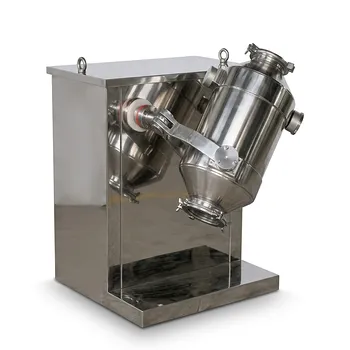
Three-Dimensional Motion Mixer for Laboratory Powder and Granule Blending
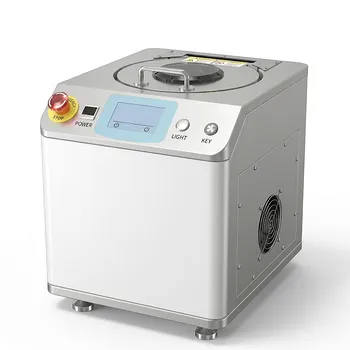
High Efficiency Vacuum Planetary Centrifugal Mixer and Defoaming Machine for Industrial Material Research and Precise Laboratory Powder Dispersion
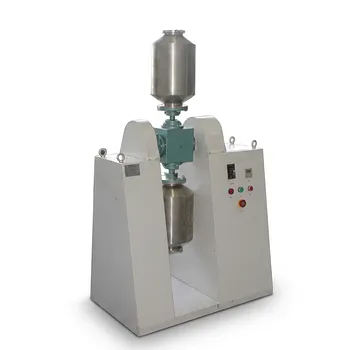
Multi Dimensional Universal Mixer for High Uniformity Powder Blending
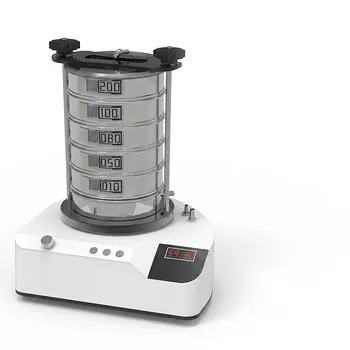
Heavy Duty Dry Three Dimensional Vibratory Sieve Shaker for Particle Separation
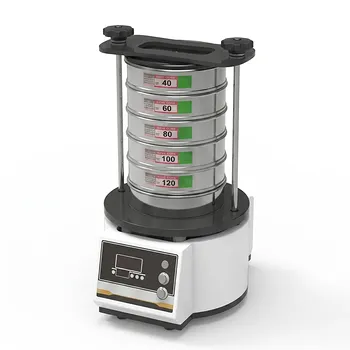
Dry Three Dimensional Vibratory Sieve Shaker
High Viscosity Planetary Centrifugal Vacuum Mixer for Material Defoaming and Uniform Mixing
High-Speed Simple Disperser for Efficient Mixing, Dispersion, and Emulsification
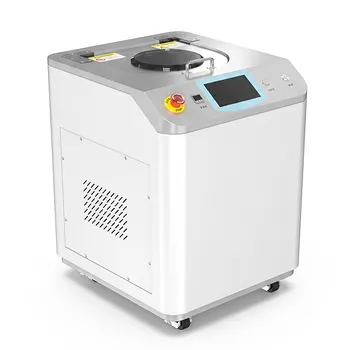
High Speed Vacuum Planetary Centrifugal Mixer and Defoamer for Industrial Paste Processing
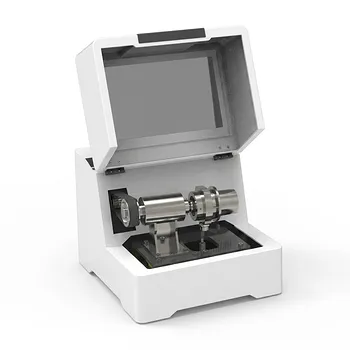
Single Tank High Energy Vibratory Ball Mill for Laboratory Grinding and Mixing
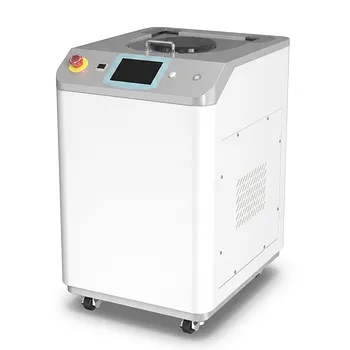
High Viscosity Planetary Centrifugal Mixing and Vacuum Defoaming Machine for Laboratory Material Preparation
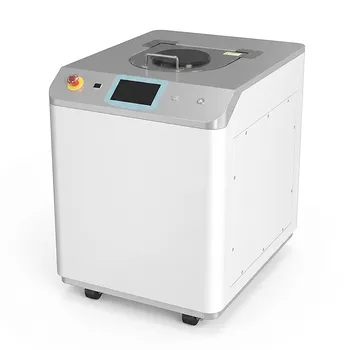
Industrial Planetary Centrifugal Vacuum Defoaming Mixer for High Viscosity Paste and Advanced Material Science
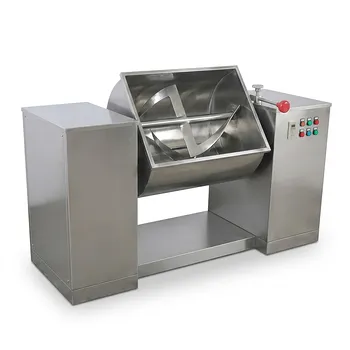
Horizontal Trough Mixer for Uniform Powder and Paste Blending
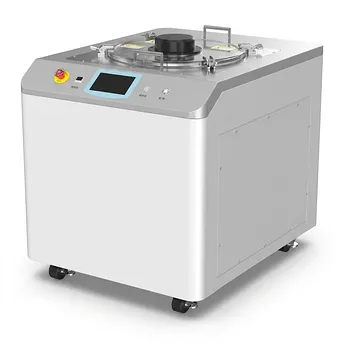
Industrial Planetary Centrifugal Vacuum Defoaming Mixer for High Viscosity Paste and Powder Homogenization
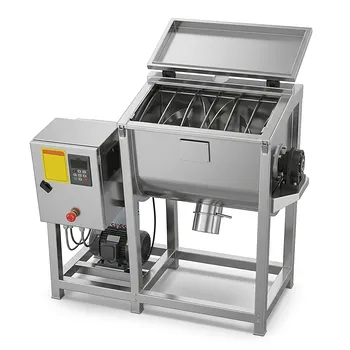
Horizontal Ribbon Mixer for Uniform Powder and Slurry Mixing
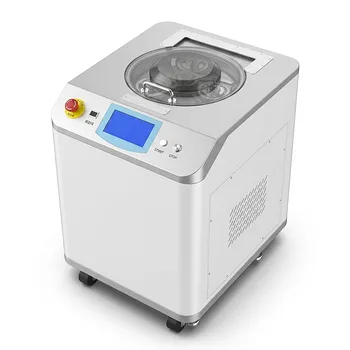
Dual Cup Vacuum Centrifugal Mixer Planetary Paste Defoaming Machine Industrial Material Processor
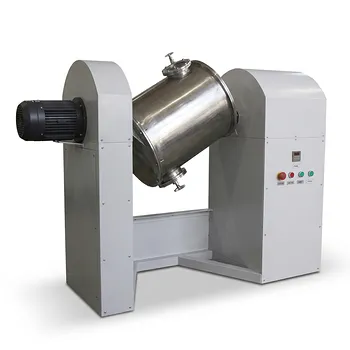
Inclined Mixer for Homogeneous Powder Blending and Grinding
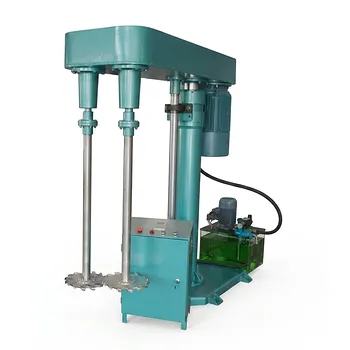
Hydraulic Double Shaft Disperser for High Viscosity Liquid Mixing and Dispersion
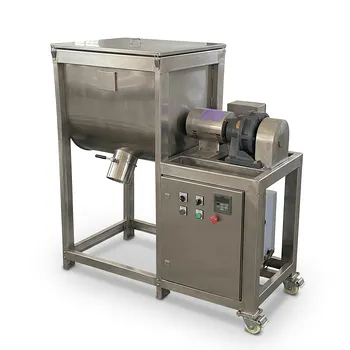
Horizontal Ribbon Mixer for Dry Powder and Slurry Blending
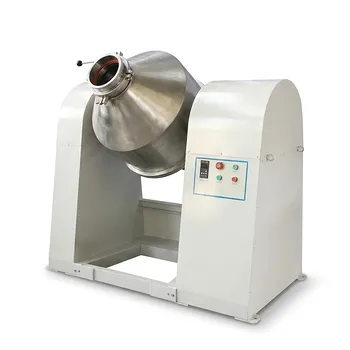
Industrial Double Cone Mixer for Powder Blending and Homogeneous Mixing