Why is a high-efficiency powder mixer necessary for the preparation of raw materials for sintered zircon refractories? Ensure Superior Homogeneity
Updated 5 months ago
Achieving microscopic homogeneity is the fundamental requirement for high-performance zircon refractories. A high-efficiency powder mixer is essential because it utilizes forced stirring and high mechanical shear to ensure that zirconia, silica, and trace additives are perfectly redistributed. This process eliminates component segregation, providing the consistent chemical composition necessary to stabilize the material's microstructure during the intense heat of the sintering process.
Core Takeaway: High-efficiency mixing transforms a bulk blend of raw materials into a uniform, cohesive precursor by neutralizing density differences and breaking down particle clusters. This precision ensures that binders and additives are dispersed at the molecular level, preventing structural defects in the final refractory product.
The Role of Forced Stirring in Chemical Stability
Eliminating Component Segregation
Zircon refractories rely on a precise ratio of zirconia and silica. Because these materials often have different particle sizes and densities, standard gravity-fed mixing often leads to component segregation, where heavier particles settle or separate.
A high-efficiency mixer uses forced agitation to physically drive particles into a uniform arrangement. This ensures that every cubic millimeter of the "green body" (the unsintered shape) has the exact same chemical makeup before it enters the kiln.
Achieving Molecular-Level Distribution
Trace additives and plasticizers are often added in very small percentages but have a massive impact on the final product. High-efficiency equipment ensures these components achieve molecular-level uniform distribution within the mixture.
Without this level of intensity, additives can "clump," leading to localized performance fluctuations. Uniform distribution is the only way to ensure the microstructure remains stable across the entire refractory brick or crucible.
Mechanical Shear and Agglomerate Reduction
Breaking Down Particle Clusters
Raw materials, especially fine ores or nano-powders, naturally tend to form agglomerates or clusters due to moisture and electrostatic forces. These clusters create "voids" or uneven density spots in the material, which become structural weak points after sintering.
High-speed impellers—often operating at speeds up to 1400 rpm—generate intense centrifugal forces and mechanical shear. These forces tear apart low-strength agglomerates, ensuring the raw material is a free-flowing, fine powder ready for pressing.
Optimizing Binder Efficiency
In many zircon refractory applications, low-ratio binders like molasses or specialty resins are used to hold the green body together. A high-efficiency mixer provides the high shear force required to disperse these binders thinly and evenly across every ceramic particle.
This thorough coating strengthens intermolecular bonding through direct physical contact. Proper dispersion prevents the binder from pooling, which would otherwise cause internal cracking or uneven shrinking during the drying and firing stages.
Understanding the Trade-offs
Heat Generation and Material Sensitivity
The high mechanical energy required for efficient mixing naturally generates frictional heat. For certain temperature-sensitive binders or volatile additives, this heat can trigger premature curing or evaporation if not carefully monitored.
Equipment Wear and Contamination
Because zircon and silica are highly abrasive, the internal components of a high-efficiency mixer are subject to significant wear. If the mixer blades are not made of specialized hardened alloys or ceramics, they can shed metallic contaminants into the refractory mix, potentially compromising its purity.
How to Apply This to Your Process
Choosing the Right Mixing Strategy
- If your primary focus is structural density: Use a high-speed mixer with a vacuum or defoaming function to eliminate air pockets and ensure maximum particle packing.
- If your primary focus is complex chemical additives: Prioritize equipment that offers high shear forces to ensure trace elements are dispersed at a molecular level.
- If your primary focus is reducing scrap rates: Invest in forced-stirring mixers that specifically target the elimination of component segregation during the transition from mixing to pressing.
By mastering the mechanics of high-efficiency mixing, you ensure that the raw material's potential is fully realized in the final sintered product.
Summary Table:
| Mixing Feature | Mechanism | Impact on Zircon Refractories |
|---|---|---|
| Forced Stirring | Counteracts density/size differences | Eliminates component segregation for consistent chemical makeup. |
| High Mechanical Shear | Breaks particle clusters (up to 1400 rpm) | Removes structural voids and creates a free-flowing, fine precursor. |
| Molecular Dispersion | Even coating of binders/additives | Prevents internal cracking and ensures stable microstructure during firing. |
| Vacuum/Defoaming | Air pocket elimination | Optimizes structural density and particle packing for the green body. |
Elevate Your Refractory Performance with Precision Mixing Solutions
Achieving microscopic homogeneity is the difference between a high-performance zircon refractory and a structural failure. At [Our Company], we provide complete laboratory sample preparation solutions tailored for material science. We specialize in advanced powder processing and compaction equipment designed to meet the rigorous demands of ceramic and refractory research.
Our extensive product lines include:
- Powder Processing: High-efficiency powder mixers, defoaming mixers, planetary ball mills, jet mills, and cryogenic grinders.
- Sieving & Crushing: Jaw/roll crushers and vibratory/air-jet sieve shakers for precise particle size control.
- Advanced Compaction: A full spectrum of hydraulic presses, including Cold/Warm Isostatic Presses (CIP/WIP), vacuum hot presses, and XRF pellet presses.
Whether you are aiming to reduce scrap rates or optimize binder efficiency, our equipment ensures your raw materials are perfectly prepared for the sintering process.
Ready to optimize your material consistency? Contact our technical experts today to discuss your specific laboratory needs!
References
- Cristian Perez Velasquez, John C. Mauro. Corrosion of zirconium‐based refractories in glass‐contact areas: Mechanisms and challenges. DOI: 10.1111/ijac.15064
Mentioned Products
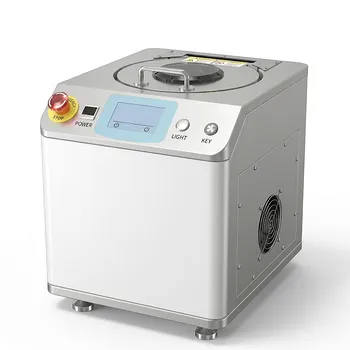
- High Efficiency Vacuum Planetary Centrifugal Mixer and Defoaming Machine for Industrial Material Research and Precise Laboratory Powder Dispersion
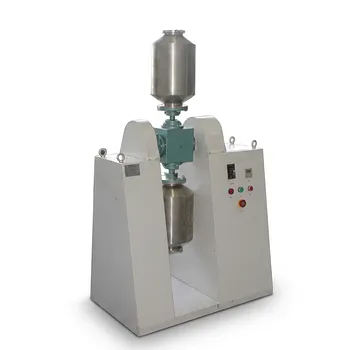
- Multi Dimensional Universal Mixer for High Uniformity Powder Blending
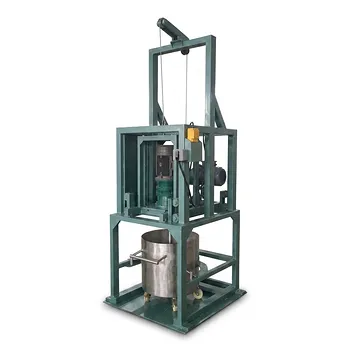
- High-Speed Simple Disperser for Efficient Mixing, Dispersion, and Emulsification
- Continuous Feeding Grinder High Efficiency Pulverizer for Lab Sample Preparation
- High Speed Laboratory Grinder Efficient Stainless Steel Powder Pulverizer Universal Material Science Mill for Sample Preparation
People Also Ask
- Why is a planetary centrifugal mixer recommended for geopolymer slurries? Achieve high-shear, air-free homogenization.
- What core functions does a planetary centrifugal mixer perform? Optimize Hard Carbon Anode Slurry & Degassing
- Why is a planetary centrifugal mixer utilized for wood powder and HPMC? Achieve uniform dispersion & rapid defoaming.
- What role does a planetary centrifugal mixer play in flexible sensor inks? Achieve Nano-Scale Homogenization
- What is the role of a planetary centrifugal mixer in preparing DCPD resin-based matrices? Ensure Flawless Homogeneity

Tech Team · PowderPreparation
Last updated on May 14, 2026
Related Products
High Efficiency Vacuum Planetary Centrifugal Mixer and Defoaming Machine for Industrial Material Research and Precise Laboratory Powder Dispersion
Multi Dimensional Universal Mixer for High Uniformity Powder Blending
High-Speed Simple Disperser for Efficient Mixing, Dispersion, and Emulsification
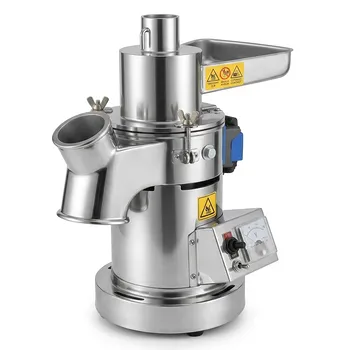
Continuous Feeding Grinder High Efficiency Pulverizer for Lab Sample Preparation
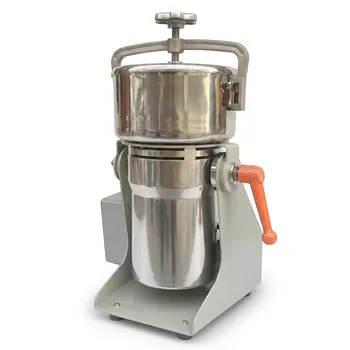
High Speed Laboratory Grinder Efficient Stainless Steel Powder Pulverizer Universal Material Science Mill for Sample Preparation
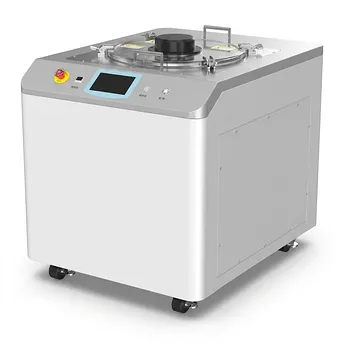
Industrial Planetary Centrifugal Vacuum Defoaming Mixer for High Viscosity Paste and Powder Homogenization
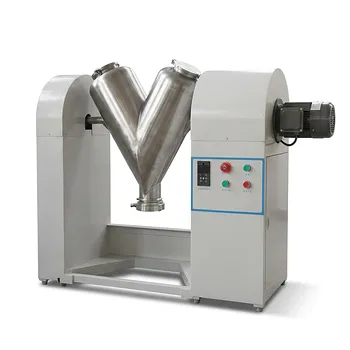
V-Type Powder Mixer for Uniform Blending of Dry Powders and Granules
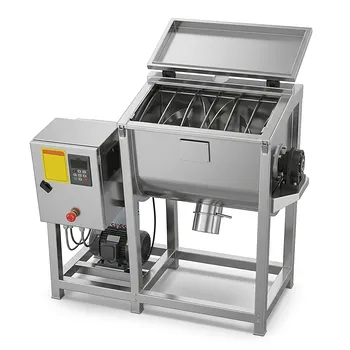
Horizontal Ribbon Mixer for Uniform Powder and Slurry Mixing
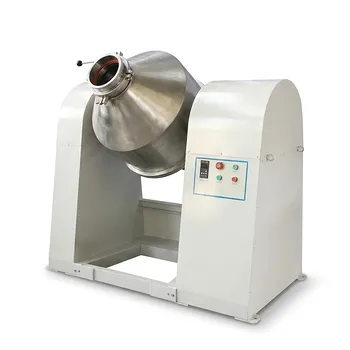
Industrial Double Cone Mixer for Powder Blending and Homogeneous Mixing
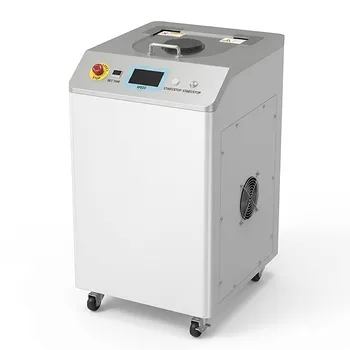
High Viscosity Planetary Centrifugal Vacuum Mixer for Material Defoaming and Uniform Mixing
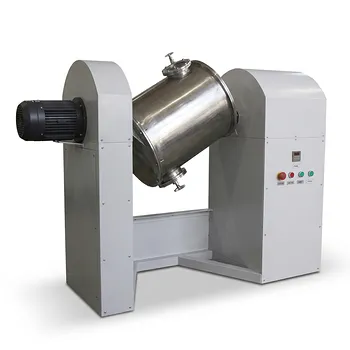
Inclined Mixer for Homogeneous Powder Blending and Grinding
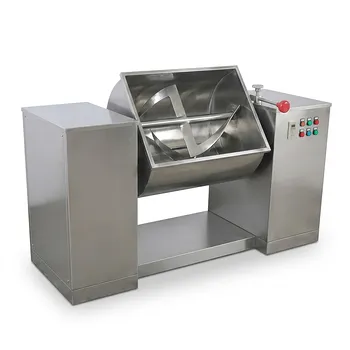
Horizontal Trough Mixer for Uniform Powder and Paste Blending
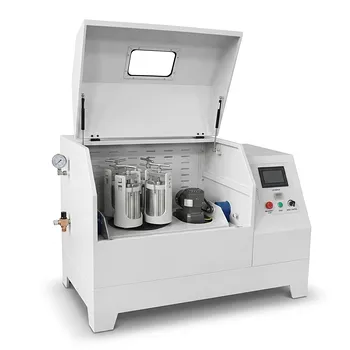
Vertical Production Planetary Ball Mill for High Throughput Powder Processing
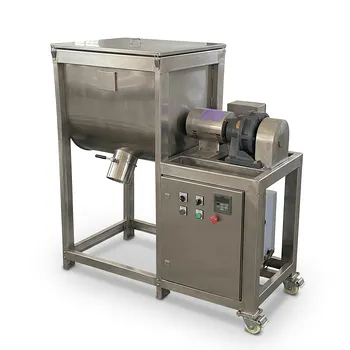
Horizontal Ribbon Mixer for Dry Powder and Slurry Blending
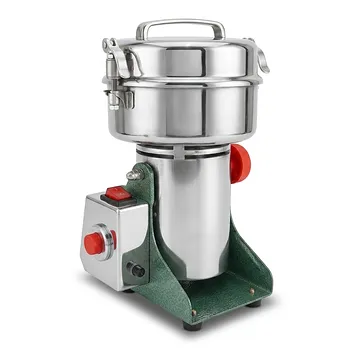
Small High-Speed Laboratory Grinder for Powder Processing
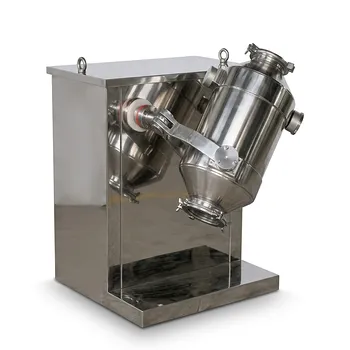
Three-Dimensional Motion Mixer for Laboratory Powder and Granule Blending
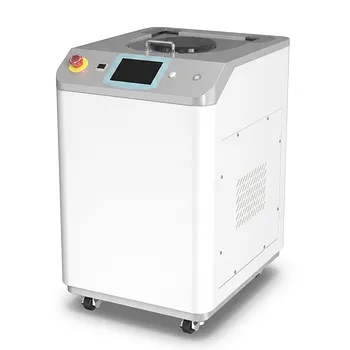
High Viscosity Planetary Centrifugal Mixing and Vacuum Defoaming Machine for Laboratory Material Preparation
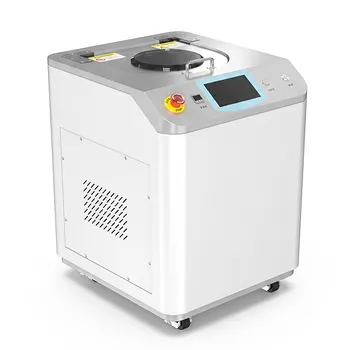
High Speed Vacuum Planetary Centrifugal Mixer and Defoamer for Industrial Paste Processing
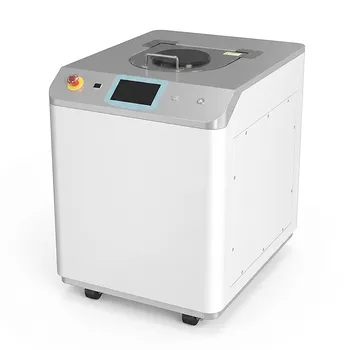
Industrial Planetary Centrifugal Vacuum Defoaming Mixer for High Viscosity Paste and Advanced Material Science