What is the function of a high-speed oscillation mixing device? Master One-Step MoS2 Solid-State Electrode Prep
Updated 5 months ago
The high-speed oscillation mixing device serves as the mechanical engine for a "one-pot" synthesis, simultaneously nanosizing MoS2, synthesizing solid electrolytes, and dispersing conductive agents. By driving grinding media to create high-frequency impacts in a solvent, this device eliminates the need for multi-step processing. This integrated approach ensures that the active materials and electrolytes achieve the intimate, microscopic contact necessary for efficient ion transport in an all-solid-state system.
Core Takeaway: The high-speed oscillation mixing device enables a single-step liquid-phase reaction that creates a cohesive, high-performance electrode structure by combining mechanical exfoliation, chemical synthesis, and uniform component dispersion.
The Mechanics of High-Speed Oscillation
High-Frequency Kinetic Energy
The device operates by rapidly oscillating a vessel to drive grinding media through a solvent environment. These media generate high-frequency impacts that provide the mechanical energy required to break down bulk materials.
Solvent-Mediated Processing
Unlike dry milling, this process occurs within a liquid phase (solvent). The solvent acts as a medium for both the chemical synthesis of the electrolyte and the physical stabilization of the nanostructures as they form.
Achieving the Three-in-One Technical Objective
Exfoliation and Nanosizing of MoS2
The primary function of the device is the exfoliation of bulk MoS2 into nanosized particles. Reducing the particle size increases the surface area available for electrochemical reactions, which is vital for high-rate performance.
Liquid-Phase Electrolyte Synthesis
While the MoS2 is being nanosized, the device facilitates the synthesis of sulfide solid electrolytes. The mechanical energy assists the chemical precursors in the solvent to react and form the solid electrolyte directly around the active material.
Dispersion of the Conductive Network
The high-speed motion ensures the uniform dispersion of conductive agents, such as Vapor Grown Carbon Fibers (VGCF). This creates a pervasive conductive network that connects the isolated MoS2 particles to the external circuit.
Impact on Electrode Performance
Optimizing Interfacial Contact
Solid-state batteries often suffer from high interfacial resistance between solids. This "one-pot" method creates extremely tight interfacial contact because the electrolyte is synthesized in situ around the active MoS2 particles.
Enhancing Discharge Capacity
By ensuring that every MoS2 particle is in direct contact with both the electrolyte and the conductive network, the device maximizes the utilization of the active material. This leads to a significantly higher discharge capacity compared to traditional dry-mixing methods.
Understanding the Trade-offs
Risk of Material Contamination
The use of grinding media inherently carries a risk of impurities entering the electrode slurry. As the media collide at high frequencies, small amounts of the media material can wear down and integrate into the final electrode.
Energy-Induced Heat Generation
High-speed oscillation generates significant thermal energy within the vessel. Precise temperature control is necessary to prevent the volatile solvents from evaporating or the sulfide electrolytes from degrading during the synthesis process.
How to Apply This to Your Project
Making the Right Choice for Your Goal
- If your primary focus is maximizing ion conductivity: Prioritize the precise control of oscillation frequency to ensure the sulfide electrolyte synthesis reaches full conversion without over-milling the components.
- If your primary focus is streamlining manufacturing: Use the "one-pot" oscillation method to consolidate exfoliation, synthesis, and mixing into a single workstation, reducing processing time and equipment footprint.
- If your primary focus is preventing electrode short-circuits: Monitor the dispersion of conductive agents like VGCF closely, as over-processing can lead to localized clusters that might penetrate the electrolyte layer.
By mastering the high-speed oscillation process, you can transform bulk MoS2 into a sophisticated, high-capacity solid-state electrode through a single, efficient manufacturing step.
Summary Table:
| Function | Mechanism | Key Benefit |
|---|---|---|
| MoS2 Nanosizing | High-frequency mechanical exfoliation | Increased reaction surface area for higher rates |
| Electrolyte Synthesis | Solvent-mediated in-situ reaction | Superior interfacial contact & lower resistance |
| Conductive Dispersion | Kinetic energy via grinding media | Uniform VGCF network for efficient electron flow |
| Process Integration | "One-pot" liquid-phase processing | Reduced production time & streamlined workflow |
Optimize Your Battery Material Research with Professional Lab Solutions
Elevate your solid-state battery development with high-precision equipment designed for the most demanding material science applications. At [Company Name], we specialize in providing complete laboratory sample preparation solutions, focusing on the efficiency and scalability of powder processing.
Our extensive product line supports every stage of the "one-pot" synthesis and electrode fabrication process:
- Advanced Milling & Mixing: Achieve perfect nanosizing and dispersion with our planetary ball mills, jet mills, and high-speed defoaming mixers.
- Precision Compaction: Finalize your high-performance electrodes using our full spectrum of hydraulic presses, including Cold/Warm Isostatic Presses (CIP/WIP), vacuum hot presses, and XRF pellet presses.
- Material Processing: From jaw/roll crushers to liquid nitrogen cryogenic grinders and air-jet sieve shakers, we ensure your precursors meet exact specifications.
Ready to enhance your lab's efficiency and electrode performance? Contact our technical experts today to find the ideal solution for your material processing needs!
References
- Kazuto Fujiwara, Hiroshi Inoue. Unveiling the Capacity Boosting Mechanism of the MoS<sub>2</sub> Electrode by Focusing on the Under Potential Deposition in All‐Solid‐State Batteries Prepared by One‐Pot One‐Step Liquid Phase Mixing. DOI: 10.1002/adsu.202500426
Mentioned Products
- High-Speed Simple Disperser for Efficient Mixing, Dispersion, and Emulsification
- High Speed Vacuum Planetary Centrifugal Mixer and Defoamer for Industrial Paste Processing
- Small High-Speed Swing Grinder for Laboratory Sample Preparation
- Industrial High Speed Small Sample Pulverizer Swing Type Laboratory Grinder for Powder Processing
- High Speed Vibratory Disc Mill for Spectral Analysis Sample Preparation and Rapid Powder Grinding
People Also Ask
- How does a high-speed mixer affect the preparation of pastes for R3 pozzolanic reactivity testing? Ensure Precision.
- Why is a high-speed mixer essential for mixing hydromagnesite (HM) and diammonium phosphate (DAP)? Ensure Uniform Synergy
- Importance of High-Efficiency Lab Mixers for Iron Tailings Mortar: Ensure Uniform Dispersion & Accuracy
- What role does high-speed mixing play in photoanode slurry prep? Optimize Nanoparticle Dispersion for Solar Efficiency
- What is the function of additives like cellulose or wax in lab mixers? Enhance Pellet Integrity and Strength

Tech Team · PowderPreparation
Last updated on May 14, 2026
Related Products
High-Speed Simple Disperser for Efficient Mixing, Dispersion, and Emulsification
High Speed Vacuum Planetary Centrifugal Mixer and Defoamer for Industrial Paste Processing
Small High-Speed Swing Grinder for Laboratory Sample Preparation
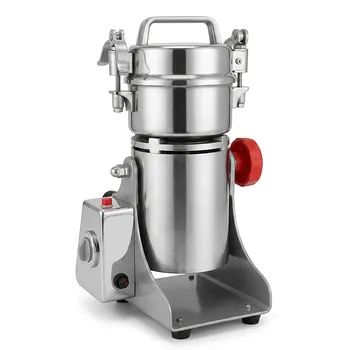
Industrial High Speed Small Sample Pulverizer Swing Type Laboratory Grinder for Powder Processing
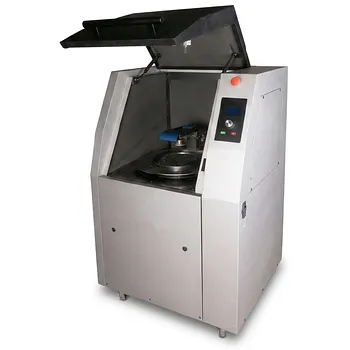
High Speed Vibratory Disc Mill for Spectral Analysis Sample Preparation and Rapid Powder Grinding
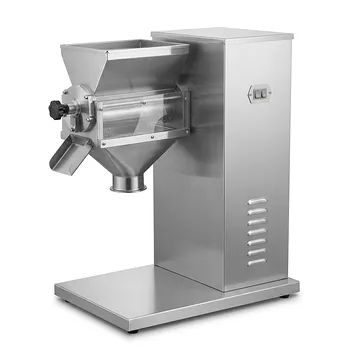
Small Swing Granulator Efficient Powder Granulation for Pharmaceutical Chemical Food Industries
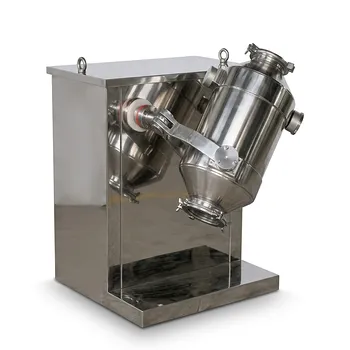
Three-Dimensional Motion Mixer for Laboratory Powder and Granule Blending
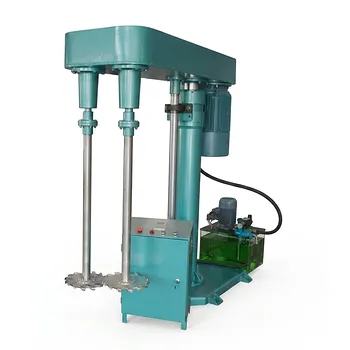
Hydraulic Double Shaft Disperser for High Viscosity Liquid Mixing and Dispersion
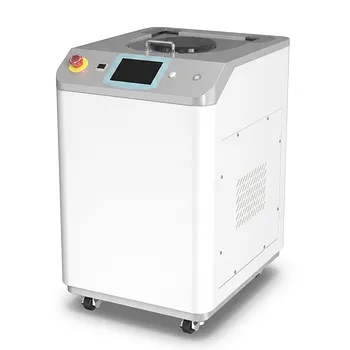
High Viscosity Planetary Centrifugal Mixing and Vacuum Defoaming Machine for Laboratory Material Preparation
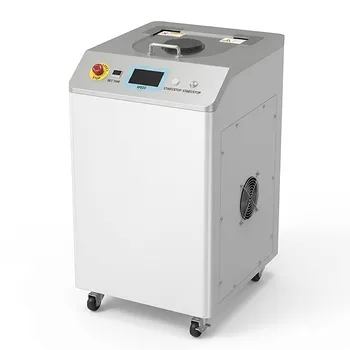
High Viscosity Planetary Centrifugal Vacuum Mixer for Material Defoaming and Uniform Mixing
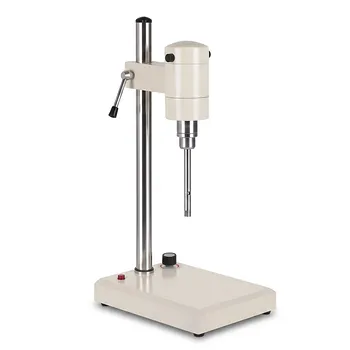
High Speed Dispersing Homogenizer for Laboratory Emulsification Dispersion and Cell Disruption
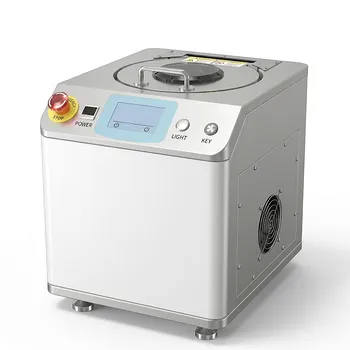
High Efficiency Vacuum Planetary Centrifugal Mixer and Defoaming Machine for Industrial Material Research and Precise Laboratory Powder Dispersion
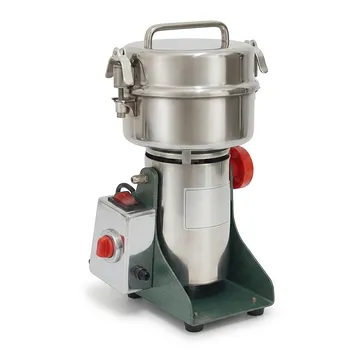
Small High Speed Grinder for Laboratory Sample Preparation
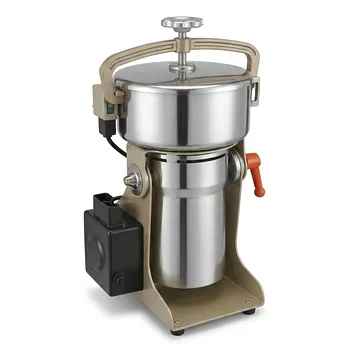
Multifunctional High Efficiency High Speed Laboratory Grinder
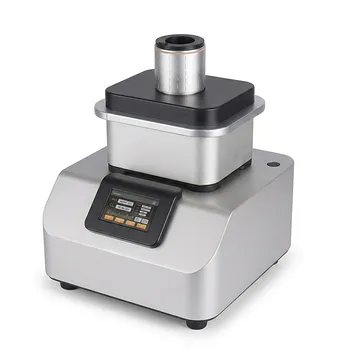
Ultra Centrifugal Mill High Speed Laboratory Grinder for Fibrous and Brittle Sample Preparation
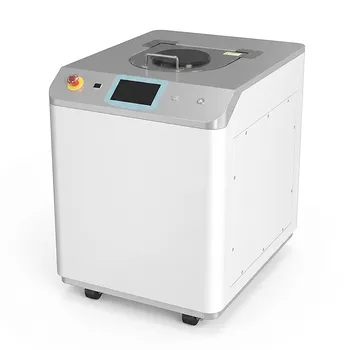
Industrial Planetary Centrifugal Vacuum Defoaming Mixer for High Viscosity Paste and Advanced Material Science
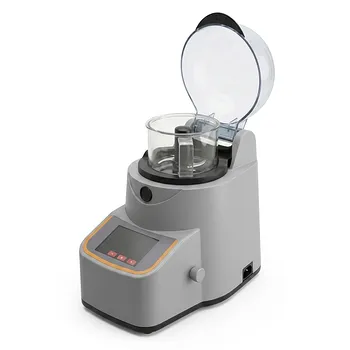
Industrial Knife Mill for Food and Biological Sample Preparation High Speed Laboratory Homogenizer
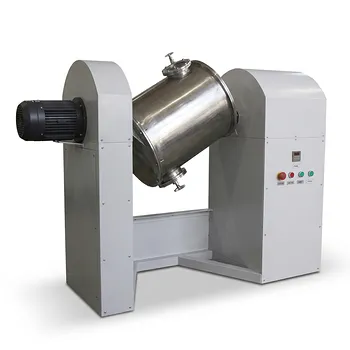
Inclined Mixer for Homogeneous Powder Blending and Grinding
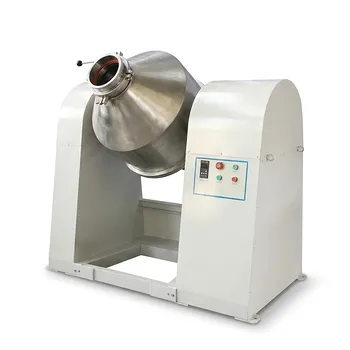
Industrial Double Cone Mixer for Powder Blending and Homogeneous Mixing