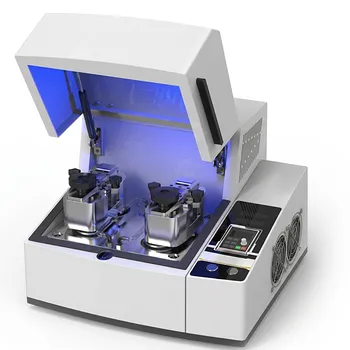
What is the role of a planetary ball mill in the preparation of spent lithium-ion battery powders? Optimize Recovery
Updated 4 months ago
The planetary ball mill is a critical high-energy grinding tool used to reduce spent lithium-ion battery electrode materials into ultra-fine powders, typically smaller than 75 µm. This process utilizes intense impact and shear forces to break down bulk materials, significantly increasing the surface area-to-volume ratio. This physical refinement ensures maximum exposure of metal ions, which directly accelerates the reaction rates and dissolution efficiency during subsequent recovery stages, such as bioleaching.
The primary role of a planetary ball mill is to transform heterogeneous spent battery components into a homogenized, high-surface-area powder. This mechanical activation is the essential prerequisite for efficient chemical recovery and the restoration of electrochemical reactivity.
Achieving Particle Refinement and Homogenization
Breaking Down Agglomerates
Spent battery electrodes often contain tightly packed clusters of active materials, binders, and conductive additives. The high-energy collisions within the mill effectively crush these large particle agglomerates into a uniform mixture. This ensures that the various components are distributed evenly at the micron or nano-scale.
Reaching Submicron Scales
The mill’s ability to achieve extreme refinement is vital for battery recycling and research. By reducing materials to micro-nanoscale sizes, the mill optimizes the physical foundation for downstream processes like sintering or compaction. This refinement is especially important for modern battery chemistries that require precise particle sizing for high performance.
Enhancing Chemical and Electrochemical Reactivity
Maximizing Surface Area for Bioleaching
The most significant impact of milling is the massive increase in specific surface area. In the context of bioleaching, this increased area allows leaching agents to access metal ions more efficiently. This leads to a faster and more complete extraction of valuable metals from the spent powder.
Improving Kinetic Performance
For materials destined for reuse in new electrodes, milling enhances the solid-solid contact interface. This is particularly important for solid-state battery research or silicon-alloy anodes. Better contact between particles improves the kinetic performance and rate capabilities of the resulting battery cells.
Preserving Material Integrity During Processing
Milling Under Inert Atmospheres
Many lithium-ion battery components are highly sensitive to oxygen and moisture. Planetary ball mills allow for processing under inert atmospheres, such as argon or nitrogen. This prevents the oxidation of sensitive components, ensuring the chemical purity of the recovered powders is maintained.
Mechanical Activation and Alloying
Beyond simple grinding, the high energy of a planetary mill can induce mechanical activation. This process can trigger alloying or phase changes in the powder without the need for high external heat. Such activation can enhance the catalytic properties and conductivity of the recycled material.
Understanding Technical Trade-offs
Heat Generation and Material Sensitivity
The high-frequency rotation and impact forces generate significant frictional heat. If not carefully managed through timed intervals or cooling systems, this heat can degrade binders or cause unwanted phase transitions in the electrode powder.
Media Contamination and Energy Costs
Continuous high-energy milling can lead to wear and tear of the grinding jars and balls. This introduces the risk of small amounts of media material (like zirconia or steel) contaminating the battery powder. Additionally, the process is energy-intensive, requiring a balance between the desired particle size and the economic cost of the milling duration.
Optimizing the Milling Process for Recovery
To achieve the best results when preparing spent battery powders, the milling strategy must align with your specific recovery goals.
- If your primary focus is maximizing metal extraction via bioleaching: Target a particle size consistently below 75 µm to provide the highest possible surface area for chemical reactions.
- If your primary focus is the remanufacturing of electrode materials: Prioritize homogenization and the breakdown of agglomerates to ensure a uniform electronic conductive network in the new coating.
- If your primary focus is processing sensitive or reactive components: Utilize sealed jars with an inert gas environment to prevent oxidation and maintain the electrochemical integrity of the powder.
By mastering the mechanical refinement of spent battery materials, you create the necessary foundation for a highly efficient and sustainable lithium-ion circular economy.
Summary Table:
| Key Role | Impact on Battery Powder | Benefit for Recovery |
|---|---|---|
| Particle Refinement | Reduces size to <75 µm | Maximizes surface area for bioleaching |
| Homogenization | Breaks down agglomerates | Ensures uniform material distribution |
| Inert Processing | Prevents oxidation | Preserves electrochemical integrity |
| Mechanical Activation | Induces phase changes | Enhances catalytic and kinetic performance |
Elevate Your Material Research with Expert Sample Prep Solutions
Optimizing the recovery of spent lithium-ion batteries requires precision at every step. At [Your Brand Name], we provide complete laboratory sample preparation solutions for material science, specializing in high-performance powder processing and compaction equipment.
Whether you need to refine electrode materials with our planetary ball mills, jet mills, or crushers (jaw/roll), or require advanced compaction using our Cold/Warm Isostatic Presses (CIP/WIP) and vacuum hot presses, we have the tools to ensure your success. Our extensive line also includes specialized sieve shakers, powder mixers, and XRF pellet presses designed for the most demanding lab environments.
Ready to maximize your lab’s efficiency and recovery rates? Contact us today to find the perfect solution for your battery recycling and material synthesis needs!
References
- Ahmad Heydarian, Seyyed Mohammad Mousavi. Bacterial acidic agents-assisted multi-elemental (Ni, Co, and Li) leaching of used lithium-ion batteries at high pulp densities. DOI: 10.1038/s41598-025-00660-9
Mentioned Products
- Vertical Production Planetary Ball Mill for High Throughput Powder Processing
- Planetary Ball Mill 12L
- Dual Station Planetary Ball Mill 24L
- Vertical Square Planetary Ball Mill for Laboratory Sample Preparation and Nanoscale Grinding
- 8L Planetary Ball Mill for Laboratory Grinding and Sample Preparation
People Also Ask
- What is the function of a high-performance planetary ball mill in AMZ laminates? Master Ceramic Homogenization.
- What is the role of a planetary ball mill in Al–Si3N4 nanocomposite prep? Achieve Uniform Homogenization
- What is the function of a planetary ball mill in lanthanum hexaaluminate synthesis? Master Micron-Level Homogenization
- What role does a planetary ball mill play in the synthesis of Er-doped PMN-PT ceramics? Enhancing Homogeneity & Purity
- What are the advantages of using a planetary ball mill for the fine grinding of barium silicate glass powder? Peak Results

Tech Team · PowderPreparation
Last updated on Jun 03, 2026
Related Products
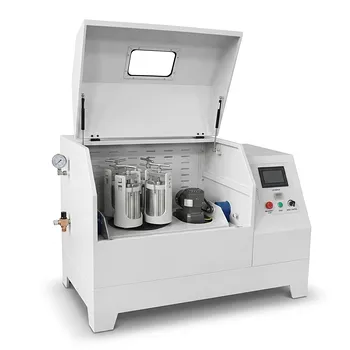
Vertical Production Planetary Ball Mill for High Throughput Powder Processing
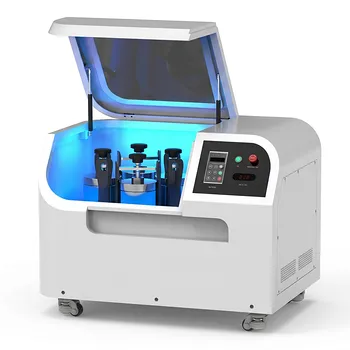
Planetary Ball Mill 12L
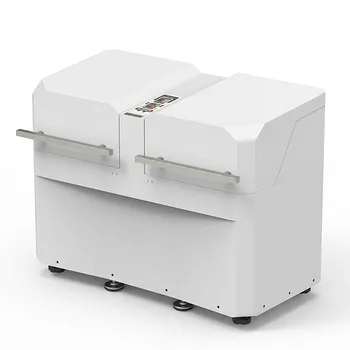
Dual Station Planetary Ball Mill 24L
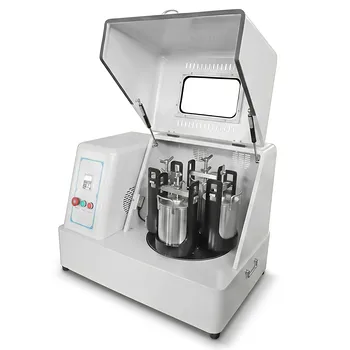
Vertical Square Planetary Ball Mill for Laboratory Sample Preparation and Nanoscale Grinding
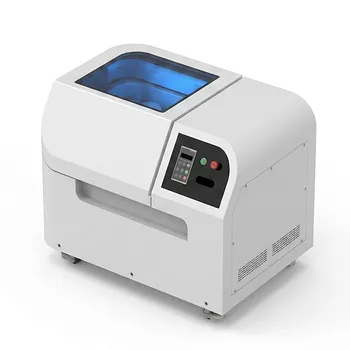
8L Planetary Ball Mill for Laboratory Grinding and Sample Preparation
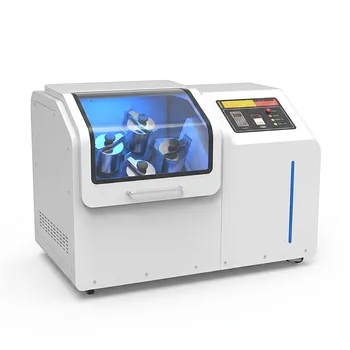
High Energy Omnidirectional Planetary Ball Mill 16L
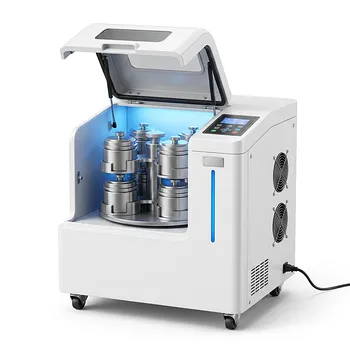
High Energy Omnidirectional Planetary Ball Mill 20L
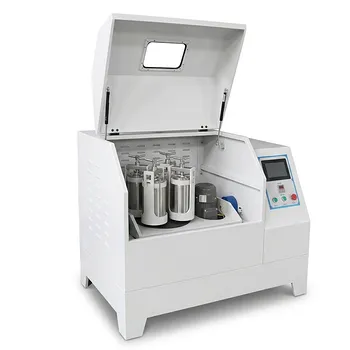
360° Rotating Omnidirectional Laboratory Planetary Ball Mill for Homogeneous Ultra-Fine Grinding and Mixing
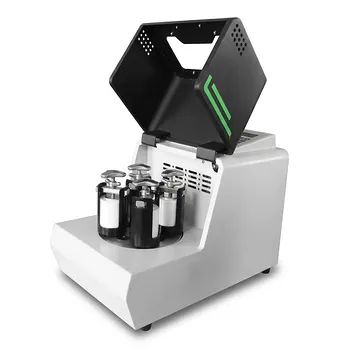
Miniature Planetary Ball Mill with Vacuum Grinding and High Efficiency for Laboratory Sample Preparation
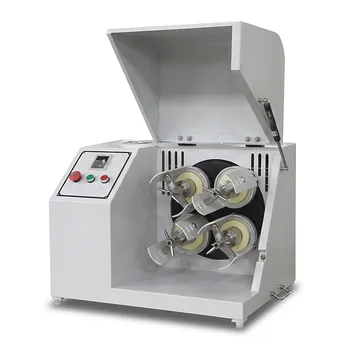
Horizontal Light Duty Planetary Ball Mill for Laboratory Sample Preparation
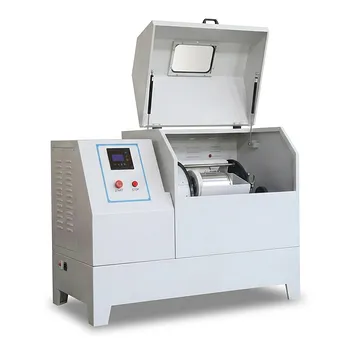
Heavy Duty Horizontal Planetary Ball Mill for Efficient Industrial Grinding and Sample Preparation
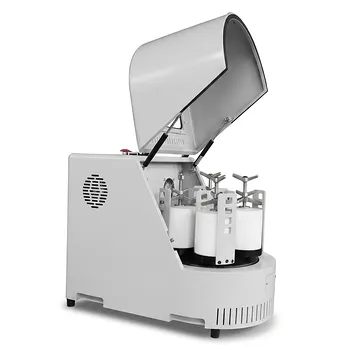
Vertical Semi Circular Planetary Ball Mill for Laboratory Precision Grinding
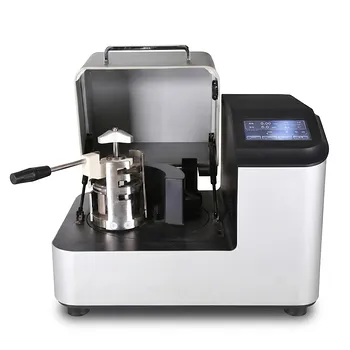
High Energy Laboratory Planetary Ball Mill for Nano Grinding and Material Science Sample Preparation
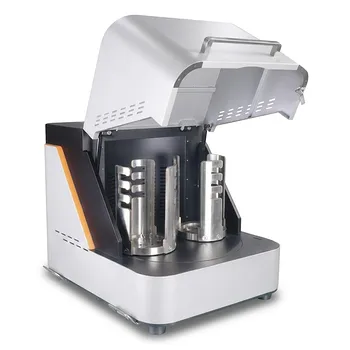
High Energy Laboratory Planetary Ball Mill for Nano Grinding and Colloidal Mixing of Hard and Brittle Materials
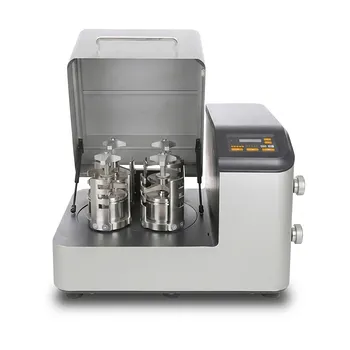
High Energy Planetary Ball Mill for Nano Scale Grinding and Colloidal Mixing in Material Science Research
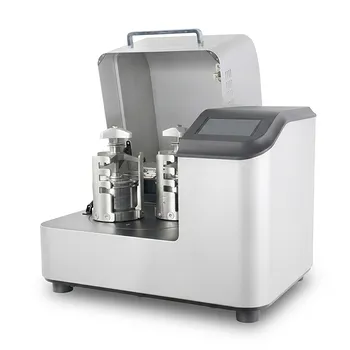
High Energy Planetary Ball Mill for Nano Scale Grinding and Mechanical Alloying
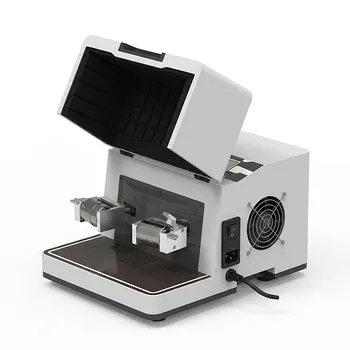
High Energy Hybrid Vibratory Ball Mill for Grinding Mixing and Cell Disruption
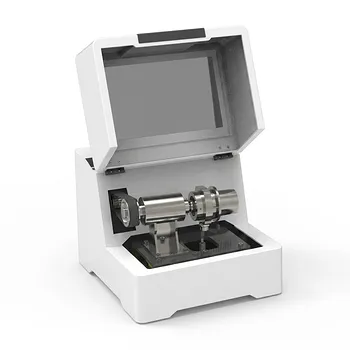
Single Tank High Energy Vibratory Ball Mill for Laboratory Grinding and Mixing
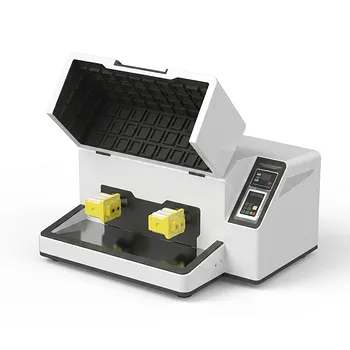
Multi-Platform Nanoscale High-Energy Vibratory Ball Mill