What is the role of a planetary ball mill in Al–Si3N4 nanocomposite prep? Achieve Uniform Homogenization
Updated 4 months ago
The primary function of a planetary ball mill in the preparation of aluminum-silicon nitride (Al–Si3N4) nanocomposites is to ensure the uniform distribution of nano-scale silicon nitride reinforcement within the aluminum powder matrix. By applying high-energy mechanical mixing forces, the mill achieves thorough homogenization, which is essential for preventing component segregation during subsequent processing steps. This uniform dispersion is the fundamental requirement for enhancing the mechanical properties and structural integrity of the final composite material.
Core Takeaway: The planetary ball mill serves as a high-energy homogenization engine that transforms a heterogeneous mixture of powders into a uniform composite precursor. This process is critical because it eliminates nanoparticle agglomeration, ensuring that the reinforcement phase is distributed evenly to provide consistent mechanical performance throughout the aluminum matrix.
The Role of Homogenization in Nanocomposite Performance
Achieving Uniform Reinforcement Distribution
In the fabrication of Al–Si3N4 nanocomposites, the disparity in size and density between the aluminum matrix and the silicon nitride particles often leads to segregation. The planetary ball mill utilizes high-energy mixing to force these nano-scale reinforcements into the matrix powder, ensuring they do not settle or cluster.
Overcoming Nanoparticle Agglomeration
Nano-sized particles like Si3N4 naturally tend to clump together due to van der Waals forces, creating "soft" spots in the material. The mechanical impact and shear forces generated by the mill are necessary to break down these agglomerates, allowing individual nanoparticles to be fully encapsulated by the aluminum powder.
Preventing Component Segregation
Without intensive mixing, the lighter or smaller reinforcement particles can separate during storage or subsequent consolidation phases like sintering or extrusion. The planetary ball mill creates a stable powder mixture where the reinforcement is mechanically locked or distributed so thoroughly that segregation becomes physically impossible.
Mechanical Mechanisms of Planetary Milling
High-Energy Impact and Shear Forces
The planetary motion—where the vial rotates on its own axis while revolving around a central sun wheel—generates intense centrifugal forces. These forces subject the powders to high-frequency impacts and shear, which are significantly more energetic than conventional mixing methods.
Surface Activation and Microstructural Refining
The high-energy environment can induce mechanical activation on the surface of the powder particles, increasing their reactivity. This activation facilitates better bonding between the aluminum matrix and the silicon nitride reinforcement during the final heat treatment or sintering stages.
Grain Refinement and Alloying Effects
While the primary goal in Al–Si3N4 mixing is often homogenization, the process can also lead to grain refinement of the aluminum matrix. In some configurations, the repeated fracturing and cold welding of particles can reduce grain sizes to the nanoscale, further contributing to the "Hall-Petch" strengthening of the final product.
Understanding the Trade-offs and Limitations
Risk of Material Contamination
The high-energy nature of planetary milling can lead to wear and tear of the milling vials and media, potentially introducing iron, chrome, or carbon into the aluminum matrix. Selecting high-purity or matching-material (e.g., alumina or hardened steel) milling tools is essential to maintain the chemical purity of the nanocomposite.
Thermal Management Challenges
The friction and impact within the mill generate significant heat, which can lead to unwanted oxidation or premature softening of the aluminum powder. To mitigate this, practitioners often employ "process control agents" (PCAs) or utilize interval milling (cycles of running and cooling) to manage the temperature.
The Complexity of Ball-less vs. Ball-assisted Milling
In certain Al–Si3N4 protocols, dry milling is performed without grinding balls to focus purely on mixing rather than size reduction. While this reduces contamination and prevents excessive flattening of the aluminum particles, it may be less effective at breaking down the most stubborn nanoparticle clusters compared to ball-assisted milling.
How to Apply This to Your Project
Optimizing the Milling Process for Your Goal
- If your primary focus is Maximum Mechanical Strength: Utilize ball-assisted milling at higher speeds (e.g., 300+ rpm) to achieve grain refinement and ensure the finest possible dispersion of Si3N4.
- If your primary focus is Chemical Purity: Opt for dry milling without grinding balls or use high-purity ceramic vials to minimize the introduction of metallic impurities from the equipment.
- If your primary focus is Isotropic Properties: Ensure the milling duration is sufficient to reach a "steady state" where the reinforcement is distributed identically in all directions across the powder batch.
By precisely controlling the mechanical energy of the planetary ball mill, you establish the microstructural foundation required to realize the full potential of advanced Al–Si3N4 nanocomposites.
Summary Table:
| Key Function | Description | Impact on Nanocomposite |
|---|---|---|
| Homogenization | Evenly distributes Si3N4 nano-particles into the Al matrix. | Prevents component segregation. |
| De-agglomeration | Breaks down clusters caused by van der Waals forces. | Eliminates structural "soft spots." |
| Surface Activation | Increases particle reactivity through high-energy impact. | Improves bonding during sintering. |
| Grain Refinement | Reduces matrix grain size via mechanical alloying. | Enhances overall mechanical strength. |
Elevate Your Nanocomposite Research with Precision Equipment
Achieving the perfect dispersion of nano-scale reinforcements requires high-energy precision. At [Brand Name], we provide complete laboratory sample preparation solutions for material science, specializing in advanced powder processing and compaction equipment.
Our extensive product range includes:
- Milling & Grinding: High-energy planetary ball mills, jet mills, and cryogenic grinders to eliminate agglomeration.
- Mixing: Powder and defoaming mixers for stable precursor preparation.
- Compaction: A full spectrum of hydraulic presses, including Cold/Warm Isostatic Presses (CIP/WIP), vacuum hot presses, and XRF pellet presses for high-density results.
Whether you are refining grain structures or preventing material segregation, our tools are designed to ensure consistent structural integrity and mechanical performance.
Ready to optimize your lab's workflow? Contact us today to discuss your material science solutions!
References
- Penchal Reddy Matli, Manoj Gupta. Improved properties of Al–Si<sub>3</sub>N<sub>4</sub> nanocomposites fabricated through a microwave sintering and hot extrusion process. DOI: 10.1039/c7ra04148a
Mentioned Products
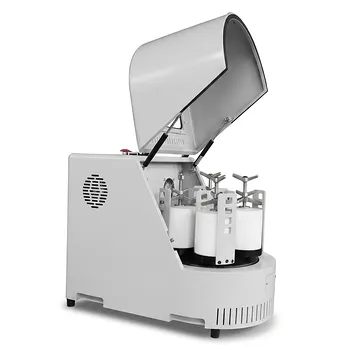
- Vertical Semi Circular Planetary Ball Mill for Laboratory Precision Grinding
- High Energy Planetary Ball Mill for Nano Scale Grinding and Mechanical Alloying
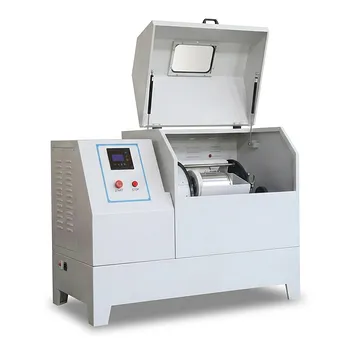
- Heavy Duty Horizontal Planetary Ball Mill for Efficient Industrial Grinding and Sample Preparation
- Vertical Production Planetary Ball Mill for High Throughput Powder Processing
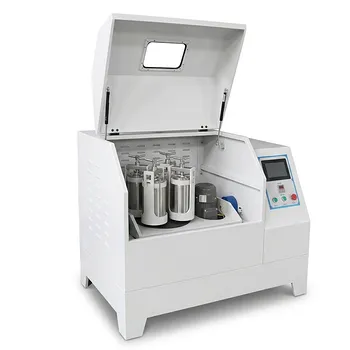
- 360° Rotating Omnidirectional Laboratory Planetary Ball Mill for Homogeneous Ultra-Fine Grinding and Mixing
People Also Ask
- What role does a planetary ball mill play in the synthesis of Li6PS5Cl (LPSCl)? Unlock High Ionic Conductivity
- Why is a planetary ball mill essential for SiBCN-rGO wet-spinning? Achieve Superior Dispersion and Spinnability
- Why is an intermittent grinding process required for perovskites in a planetary ball mill? Ensure Stability & Purity
- Why is a planetary ball mill required for PET micronization? Ensure Accurate Chemical Analysis of Reprocessed PET
- How does mechanized planetary ball milling compare to manual agate grinding? Optimize sulfide standard material precision.

Tech Team · PowderPreparation
Last updated on Jun 03, 2026
Related Products
Vertical Semi Circular Planetary Ball Mill for Laboratory Precision Grinding

High Energy Planetary Ball Mill for Nano Scale Grinding and Mechanical Alloying
Heavy Duty Horizontal Planetary Ball Mill for Efficient Industrial Grinding and Sample Preparation

Vertical Production Planetary Ball Mill for High Throughput Powder Processing
360° Rotating Omnidirectional Laboratory Planetary Ball Mill for Homogeneous Ultra-Fine Grinding and Mixing
Vertical Square Planetary Ball Mill for Laboratory Sample Preparation and Nanoscale Grinding
Miniature Planetary Ball Mill with Vacuum Grinding and High Efficiency for Laboratory Sample Preparation

High Energy Omnidirectional Planetary Ball Mill 16L

High Energy Laboratory Planetary Ball Mill for Nano Grinding and Material Science Sample Preparation
High Energy Planetary Ball Mill for Nano Scale Grinding and Colloidal Mixing in Material Science Research
Planetary Ball Mill 12L
Horizontal Light Duty Planetary Ball Mill for Laboratory Sample Preparation
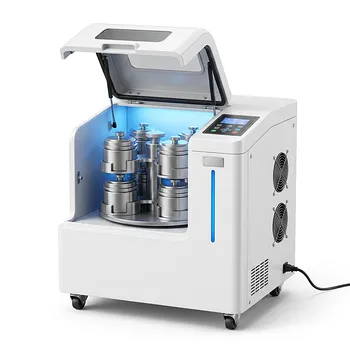
High Energy Omnidirectional Planetary Ball Mill 20L
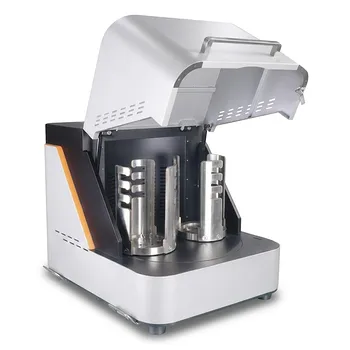
High Energy Laboratory Planetary Ball Mill for Nano Grinding and Colloidal Mixing of Hard and Brittle Materials

8L Planetary Ball Mill for Laboratory Grinding and Sample Preparation
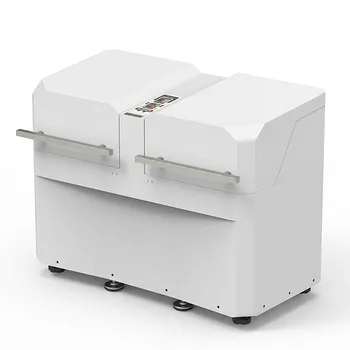
Dual Station Planetary Ball Mill 24L

Multi-Platform Nanoscale High-Energy Vibratory Ball Mill

Nano High Energy Vibratory Ball Mill for Laboratory Sample Preparation
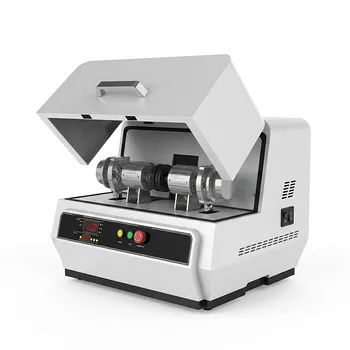
Dual Jar High Energy Vibratory Ball Mill