What is the role of a laboratory hydraulic press in the static compaction testing of lateritic soil samples? Achieve MDD.
Updated 5 months ago
The laboratory hydraulic press serves as the primary mechanism for static compaction, providing the precise, uniaxial force required to mold lateritic soil into standardized specimens. This equipment allows researchers to simulate a stable loading environment, enabling the fine adjustment of sample density and the accurate determination of Maximum Dry Density (MDD). By applying a continuous load rather than dynamic impacts, the press ensures that soil mixtures—often integrated with stabilizers like cement or bamboo leaf ash—reach a specific, repeatable state for mechanical analysis.
The laboratory hydraulic press is essential for transforming loose lateritic soil into high-consistency specimens by replacing erratic manual compaction with stable, programmable pressure. This transition to static loading allows for the elimination of internal air voids and the creation of uniform density profiles critical for reliable geotechnical testing.
The Mechanics of Static Compaction in Soil Science
Simulating Controlled Loading Environments
Unlike traditional dynamic compaction which relies on repetitive impacts, the hydraulic press applies a continuous, static load to the soil mixture. This controlled environment allows for the gradual expulsion of moisture and the slow rearrangement of soil particles into a dense, stable matrix.
Determining Maximum Dry Density (MDD)
The press is a critical tool for identifying the Maximum Dry Density (MDD) and Optimum Moisture Content (OMC) of stabilized soil. By presetting specific pressures, researchers can observe how different ratios of additives, such as quarry dust or lime, affect the soil's ability to reach peak densification.
Facilitating Uniaxial Pressure Distribution
The equipment provides a uniaxial force that ensures pressure is transmitted evenly through the specimen mold. This process forces soft particles and granular matter to surpass traditional "jamming points," achieving a volume fraction that accurately reflects the material's structural potential.
Enhancing Specimen Consistency and Accuracy
Eliminating Manual Compaction Errors
Manual compaction often introduces human error and variability between different samples. The hydraulic press eliminates these discrepancies by utilizing preset pressures and dwell times, ensuring that every specimen in a study is identical in its initial state.
Ensuring Uniform Density Distribution
A major challenge in soil testing is the formation of density gradients, where the top of a sample is denser than the bottom. The accurate pressure-holding function of a hydraulic press minimizes these internal gradients, preventing the specimens from cracking or deforming during subsequent strength tests.
Standardizing Geometry for Mechanical Testing
By using high-precision stainless steel molds in conjunction with the press, researchers can produce specimens with exact geometric dimensions. This standardization is vital for calculating properties like Young’s modulus and tensile strength, as it ensures the cross-sectional area remains constant across all tests.
Understanding the Trade-offs
Static vs. Dynamic Field Simulation
While the hydraulic press provides superior consistency, it may not perfectly replicate the dynamic kneading action of field equipment like vibratory rollers. Researchers must recognize that laboratory static compaction is an idealized model that may require correlation factors when applied to real-world construction.
Time Intensity and Throughput
Achieving a highly densified state via static pressure often requires extended dwell times, sometimes lasting several hours. This makes the process significantly slower than dynamic methods, which can limit the number of samples produced in a single workday.
Complexity of Equipment Calibration
To maintain its role as a precision instrument, the hydraulic press requires regular calibration and maintenance. Any deviation in the load cell or hydraulic valves can lead to inaccurate data, potentially compromising an entire research project involving soil stabilizers.
How to Apply This to Your Project
When integrating a laboratory hydraulic press into your testing workflow, your approach should vary based on your specific research or engineering objectives.
- If your primary focus is Soil Stabilization Research: Use the press to precisely control the density of mixtures containing bamboo leaf ash or cement to ensure that variations in strength are due to the additives, not compaction inconsistency.
- If your primary focus is Unconfined Compressive Strength (UCS): Prioritize the pressure-holding function and use standardized molds to eliminate internal pores, ensuring that your UCS data reflects the true structural integrity of the soil.
- If your primary focus is Industrial Simulation: Set the press for longer dwell times and lower, constant loads to simulate the slow extrusion or heavy-load settling found in large-scale brick manufacturing or embankment foundation.
By utilizing the precision of a hydraulic press, you transition from qualitative soil observation to quantitative geotechnical engineering.
Summary Table:
| Feature | Function in Soil Compaction | Research Benefit |
|---|---|---|
| Static Load Application | Replaces dynamic impact with continuous pressure | Simulates stable loading & particle rearrangement |
| Uniaxial Force | Ensures even pressure distribution through molds | Maintains constant geometry & prevents cracking |
| Pressure Control | Presets specific loads and dwell times | Eliminates manual error for high reproducibility |
| Density Management | Expels moisture and air voids systematically | Accurate determination of MDD and OMC |
Elevate Your Geotechnical Research with KINTEK’s Precision Solutions
Achieving reliable Maximum Dry Density (MDD) starts with the right equipment. KINTEK provides complete laboratory sample preparation solutions for material science, specializing in advanced powder processing and compaction equipment tailored for researchers and industrial engineers.
Our extensive product lines are designed to meet the rigorous demands of soil science and material synthesis:
- Compaction Excellence: A full spectrum of hydraulic presses, including Cold/Warm Isostatic Presses (CIP/WIP), standard lab presses, XRF pellet presses, and vacuum hot presses.
- Sample Preparation: High-efficiency crushers (jaw/roll), liquid nitrogen cryogenic grinders, and planetary ball/jet mills.
- Analysis & Mixing: Vibratory/air-jet sieve shakers, powder mixers, and defoaming mixers for uniform sample consistency.
Whether you are studying soil stabilization with additives like bamboo leaf ash or developing new construction materials, KINTEK offers the precision and reliability you need to ensure every specimen is identical.
Ready to standardize your testing workflow? Contact KINTEK today to consult with our experts and find the ideal compaction solution for your laboratory!
References
- Olufunmilola Adetayo Obakin, J.B. Taiwo. Geotechnical Properties of Cement-Stabilized Lateritic Soil with Bamboo Leaf Ash in the Takie Area of Ogbomoso. DOI: 10.22624/aims/v9n4p2
Mentioned Products
- Enhanced 9 Punch Rotary Tablet Press for Powder Compaction
- Precision Soil Disc Mill for Laboratory Fine Grinding and Environmental Sample Preparation
- Manual Tablet Press with Dual Scale Pressure Gauge for Pharmaceutical Food Chemical Laboratory Sample Preparation
- 6-Ton Small Single-Punch Tablet Press — Laboratory Powder & Granule Tableting Equipment / Tablet Forming Machine
- 5 Ton Single Punch Tablet Press Laboratory Small Batch Production
People Also Ask
- What is the purpose of adding lubricants like zinc stearate during Al-Al2O3 powder pressing? Achieve Superior Density
- Why is a laboratory hydraulic press required for FT-IR KBr pellets? Achieve Precise Sample Clarity for ZrC–SiC Analysis
- What role does a high-strength stainless steel mold kit play in the uniaxial die compaction process? Ensuring Precision
- Why is a laboratory hydraulic press required to compress oyster shell powder before XRF analysis? Improve Data Accuracy.
- Why is vacuum sealing and flexible packaging necessary for Aluminum Titanate powders during CIP? Ensure Peak Density

Tech Team · PowderPreparation
Last updated on May 14, 2026
Related Products
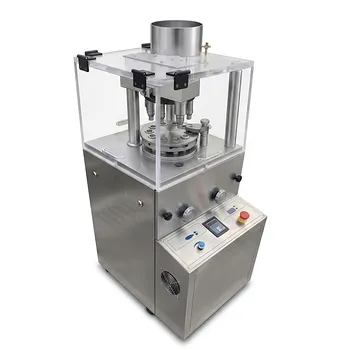
Enhanced 9 Punch Rotary Tablet Press for Powder Compaction
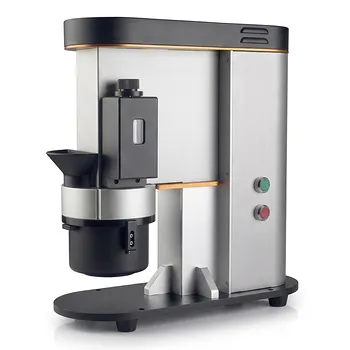
Precision Soil Disc Mill for Laboratory Fine Grinding and Environmental Sample Preparation
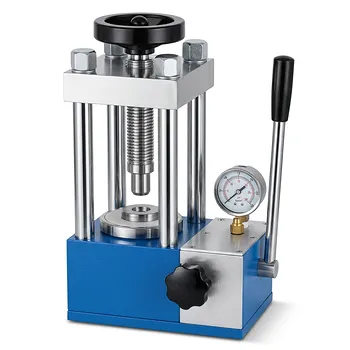
Manual Tablet Press with Dual Scale Pressure Gauge for Pharmaceutical Food Chemical Laboratory Sample Preparation
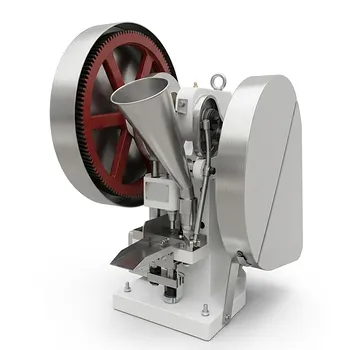
6-Ton Small Single-Punch Tablet Press — Laboratory Powder & Granule Tableting Equipment / Tablet Forming Machine
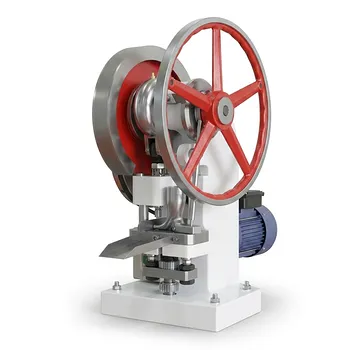
5 Ton Single Punch Tablet Press Laboratory Small Batch Production
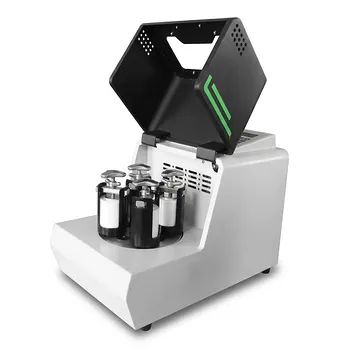
Miniature Planetary Ball Mill with Vacuum Grinding and High Efficiency for Laboratory Sample Preparation
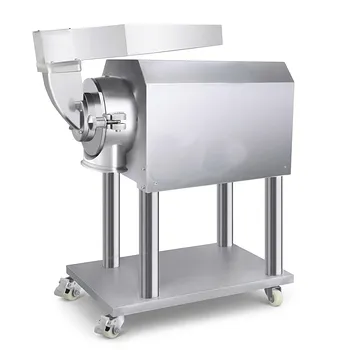
High Speed Small Laboratory Crusher for Dry Material Sample Preparation
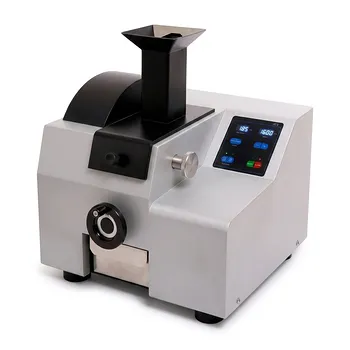
Laboratory Benchtop Jaw Crusher for Hard Brittle Materials Primary Size Reduction and Sample Preparation
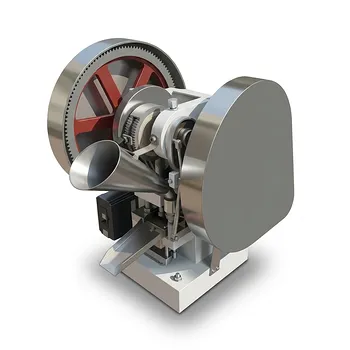
6 Ton Variable Frequency Single Punch Tablet Press
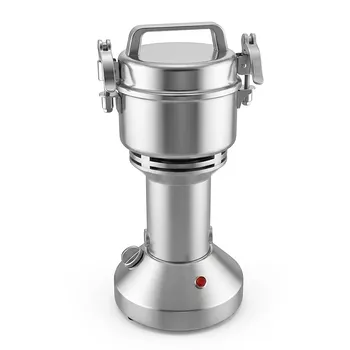
Small High Speed Upright Grinder for Laboratory Sample Preparation
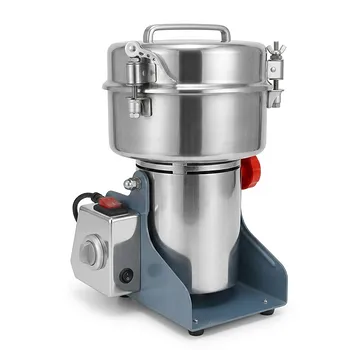
Small High-Speed Grinder for Efficient Laboratory Sample Preparation
Custom Raised Height Laboratory Jaw Crusher for Precision Sample Preparation in Material Science
Laboratory Sealed Double Roll Crusher for Coal Ore Rock and Medium Hardness Materials Sample Preparation
Laboratory Double Roll Crusher for Medium Hardness Materials Coal Ore Sample Preparation
Sealed Laboratory Double Roll Crusher for Coal, Mineral, Ore Sample Preparation
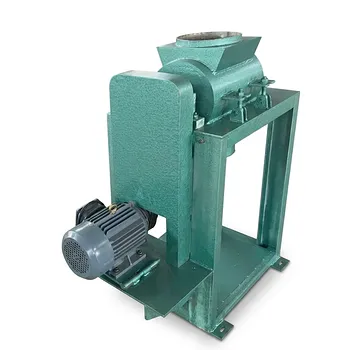
Customized Sealed Laboratory Hammer Crusher for Coal and Medium Hardness Sample Preparation
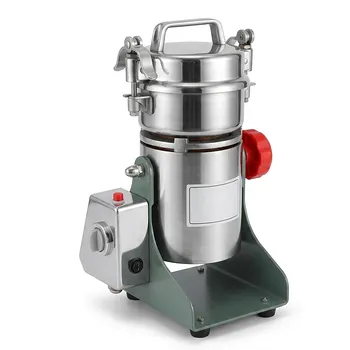
High Speed Swing Type Laboratory Pulverizer for Fine Powder Grinding and Sample Preparation
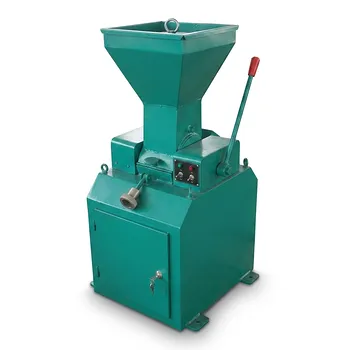
Laboratory Sealed Hammer Crusher for Coal and Mineral Sample Preparation