What is the purpose of adding lubricants like zinc stearate during Al-Al2O3 powder pressing? Achieve Superior Density
Updated 5 months ago
Adding lubricants like zinc stearate during the powder pressing of Al-Al2O3 materials is primarily done to minimize friction between the powder body and the mold walls. This reduction in friction ensures that compaction pressure is transmitted uniformly throughout the material, preventing internal density variations. Additionally, it facilitates the safe ejection of the compact, protecting both the part's structural integrity and the longevity of the high-precision tooling.
Core Takeaway: Lubricants are critical process consumables that transform powder pressing from a high-friction mechanical struggle into a controlled operation. They ensure the green compact achieves a uniform density while preventing surface damage and structural failure during the demolding stage.
Optimizing the Compaction Phase
Achieving Uniform Pressure Transmission
During the pressing of Al-Al2O3 powders, friction between the particles and the steel mold walls naturally resists the downward force of the plunger. Zinc stearate acts as an interfacial barrier that significantly lowers the friction coefficient at these contact points.
Without this lubrication, the pressure applied at the top of the mold would dissipate before reaching the bottom layers. This ensures that the mechanical energy is used to densify the powder rather than being lost to wall friction.
Eliminating Internal Density Gradients
A lack of lubrication leads to "density gradients," where different zones of the green compact have different levels of compaction. Uniform pressure distribution is the only way to ensure consistent density across the entire geometry of the part.
Consistency in the green state is vital for Al-Al2O3 materials. Inconsistent density leads to uneven shrinkage and warping during the subsequent sintering process, which can ruin high-precision components.
Ensuring Structural Integrity During Ejection
Reducing Ejection Resistance
Once the pressing cycle is complete, the compacted "green" body must be pushed out of the mold cavity. Lubricants drastically decrease the ejection force required to overcome the static friction between the compressed part and the mold walls.
Lowering this resistance protects the high-strength steel molds from premature wear and galling. This extension of tool life is a significant factor in maintaining the cost-effectiveness of the manufacturing process.
Preventing Surface and Structural Defects
The green compact—the molded powder before it is fired—is inherently fragile and susceptible to damage. The lubricating layer prevents surface scratches and "spring-back" cracks that occur when the part is under high internal tension during ejection.
By acting as a release agent, zinc stearate ensures that the precision-graded beam or component remains structurally intact. This preserves the sharp edges and smooth finishes required for high-performance ceramic-metal composites.
Understanding the Trade-offs and Risks
The Requirement for Thermal Removal
While zinc stearate is essential during pressing, it is a contaminant that cannot remain in the final Al-Al2O3 part. It must be completely removed through a "burn-off" or debinding phase before the sintering temperature is reached.
Failure to properly vent these lubricants can lead to internal gas pressure. This pressure often results in blistering, bloating, or residual carbon deposits that compromise the material's mechanical properties.
Impact on Final Material Purity
In high-purity Al-Al2O3 applications, the choice and amount of lubricant are highly sensitive. Excessive lubrication can lead to increased porosity once the lubricant is evaporated.
Engineers must find the "minimum effective dose" of zinc stearate to balance ease of processing with the required final density. Over-lubrication can also interfere with the particle-to-particle bonding necessary for a strong green body.
How to Apply Lubrication Strategies
Effective lubrication requires a balance between mechanical ease and chemical purity. Your approach should vary based on the specific requirements of your Al-Al2O3 component.
- If your primary focus is Dimensional Precision: Apply a thin, uniform coating of zinc stearate directly to the mold walls and plunger faces to ensure the most consistent pressure distribution.
- If your primary focus is Tooling Longevity: Prioritize lubricants with high thermal stability to prevent metal-to-metal contact and galling during high-volume production runs.
- If your primary focus is Material Purity: Utilize a dedicated, slow-ramp debinding cycle to ensure every trace of the stearate is evacuated before the sintering necking begins.
Successfully managing lubrication is the foundation for producing high-quality, defect-free Al-Al2O3 composite materials.
Summary Table:
| Key Function | Impact on Process | Final Product Benefit |
|---|---|---|
| Friction Reduction | Minimizes wall resistance during compaction | Uniform density and zero warping |
| Pressure Transmission | Ensures force reaches the bottom of the mold | Consistent internal structure |
| Ejection Aid | Lowers force needed to remove the compact | Smooth surfaces and intact edges |
| Tooling Protection | Reduces wear and galling on steel molds | Extended equipment lifespan |
| Thermal Removal | Requires a debinding/burn-off phase | High-purity ceramic-metal composite |
Elevate Your Material Science Research with Precision Compaction
Producing defect-free Al-Al2O3 components requires the perfect balance of chemical additives and mechanical precision. At Our Laboratory Solutions, we provide complete sample preparation systems designed for high-performance powder processing.
Whether you are refining powders using our planetary ball mills, jet mills, or rotor mills, or achieving peak density with our Cold/Warm Isostatic Presses (CIP/WIP) and vacuum hot presses, our equipment is engineered for accuracy and durability. Our extensive range also includes:
- Crushers & Grinders: Jaw/roll crushers and liquid nitrogen cryogenic grinders.
- Sieving & Mixing: Vibratory sieve shakers, powder mixers, and defoaming mixers.
- Hydraulic Presses: Standard lab presses, XRF pellet presses, and high-temperature hot presses.
Ready to optimize your pressing parameters and improve your green compact quality? Contact our experts today to find the ideal equipment solution for your material challenges!
References
- Pravin Malik, Permi Jagadish. Static Deflection and Free Vibration Analysis of Functionally Graded Al-Al₂O₃ Clamped-Free Beams Fabricated by Powder Metallurgy. DOI: 10.7759/s44388-025-03835-2
Mentioned Products
- Enhanced 9 Punch Rotary Tablet Press for Powder Compaction
- 6-Ton Small Single-Punch Tablet Press — Laboratory Powder & Granule Tableting Equipment / Tablet Forming Machine
- Manual Tablet Press with Dual Scale Pressure Gauge for Pharmaceutical Food Chemical Laboratory Sample Preparation
- 6 Ton Variable Frequency Single Punch Tablet Press
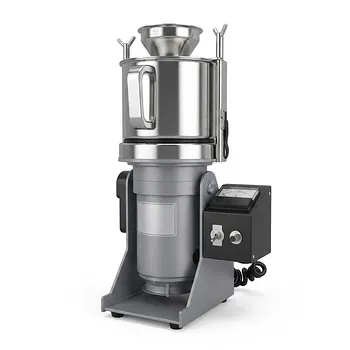
- High Speed Swing Type Laboratory Pulverizer for Fine Powder Grinding and Sample Preparation
People Also Ask
- Why is a laboratory hydraulic press required for FT-IR KBr pellets? Achieve Precise Sample Clarity for ZrC–SiC Analysis
- What role does a high-strength stainless steel mold kit play in the uniaxial die compaction process? Ensuring Precision
- Why is a laboratory hydraulic press required to compress oyster shell powder before XRF analysis? Improve Data Accuracy.
- Why is vacuum sealing and flexible packaging necessary for Aluminum Titanate powders during CIP? Ensure Peak Density
- What are the advantages of using hardened steel molds and graphite spray for titanium powder? Ensure structural integrity

Tech Team · PowderPreparation
Last updated on May 14, 2026
Related Products
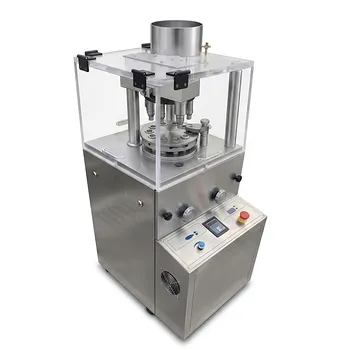
Enhanced 9 Punch Rotary Tablet Press for Powder Compaction
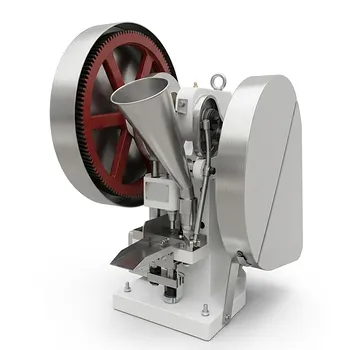
6-Ton Small Single-Punch Tablet Press — Laboratory Powder & Granule Tableting Equipment / Tablet Forming Machine
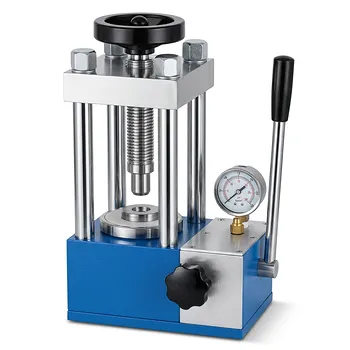
Manual Tablet Press with Dual Scale Pressure Gauge for Pharmaceutical Food Chemical Laboratory Sample Preparation
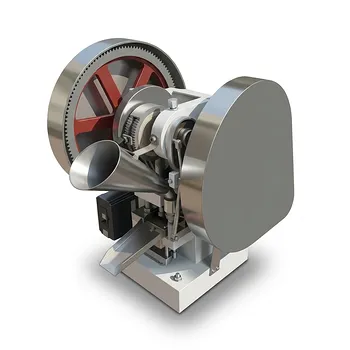
6 Ton Variable Frequency Single Punch Tablet Press
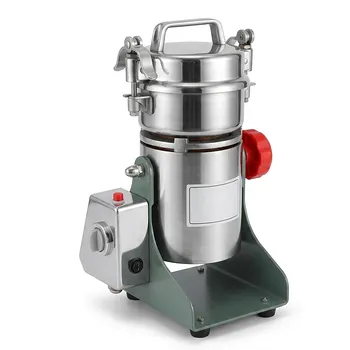
High Speed Swing Type Laboratory Pulverizer for Fine Powder Grinding and Sample Preparation
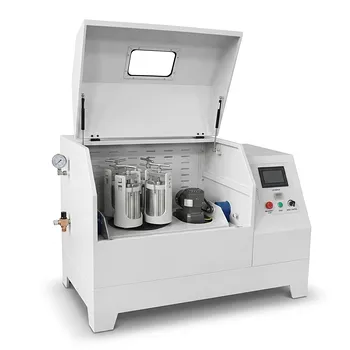
Vertical Production Planetary Ball Mill for High Throughput Powder Processing
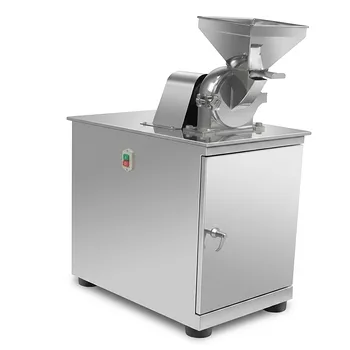
Universal Laboratory Pulverizer Grinder for Small Batch Powder Processing and Material Science Research
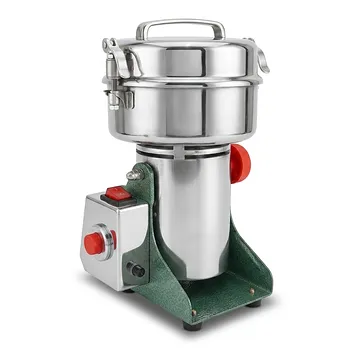
Small High-Speed Laboratory Grinder for Powder Processing
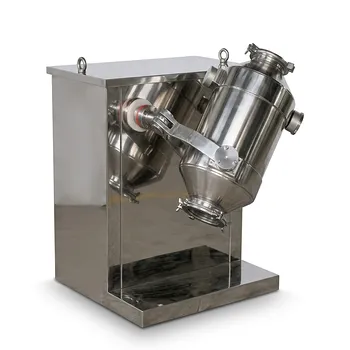
Three-Dimensional Motion Mixer for Laboratory Powder and Granule Blending
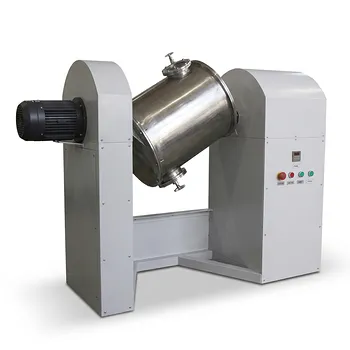
Inclined Mixer for Homogeneous Powder Blending and Grinding
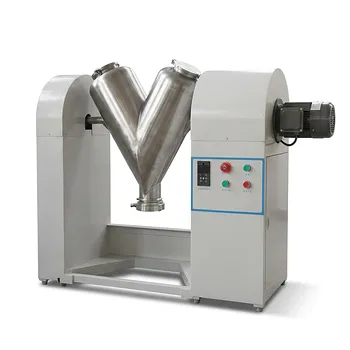
V-Type Powder Mixer for Uniform Blending of Dry Powders and Granules
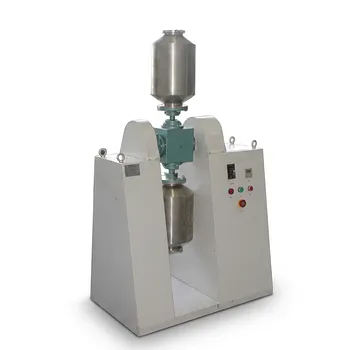
Multi Dimensional Universal Mixer for High Uniformity Powder Blending
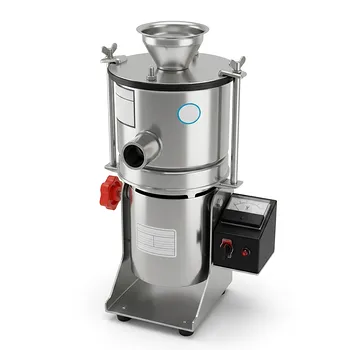
Air Guided Ultrafine Pulverizer High Speed Laboratory Powder Grinder for Chemical and Material Processing
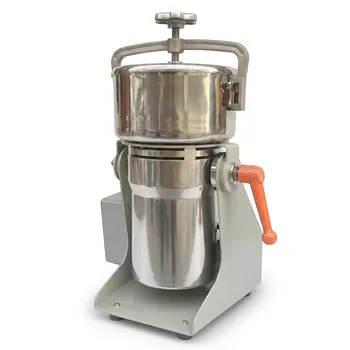
High Speed Laboratory Grinder Efficient Stainless Steel Powder Pulverizer Universal Material Science Mill for Sample Preparation
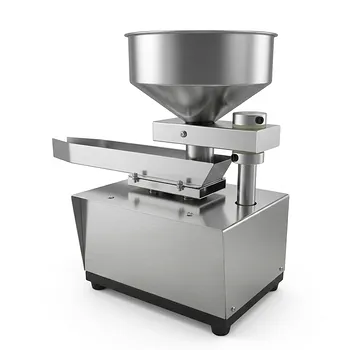
Automatic Vibrating Powder Feeder for Laboratory Material Processing Precision Vibratory Hopper Feeder for Granular and Powder Material Handling Industrial Grade Vibrating Tray Feeder for Consistent Material Sample Preparation
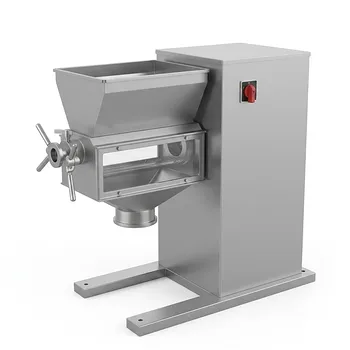
Industrial Swing Granulator for Powder Processing in Pharma Food and Chemical Industries
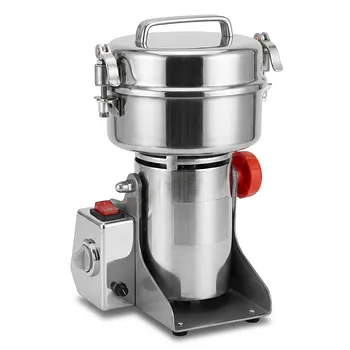
High Speed Laboratory Powder Grinder Small Batch Sample Preparation Mill
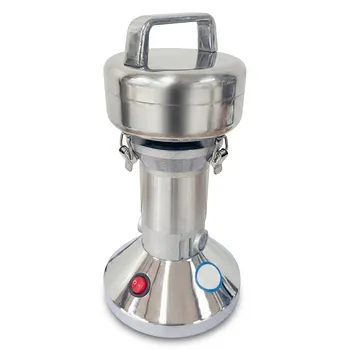
Small Trace Sample High Speed Pulverizer Grinder Laboratory Powder Mill
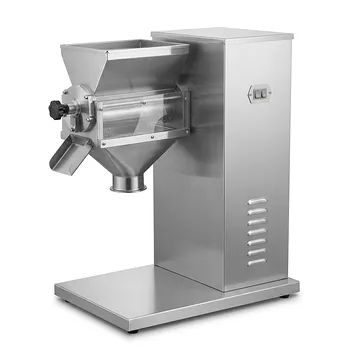
Small Swing Granulator Efficient Powder Granulation for Pharmaceutical Chemical Food Industries