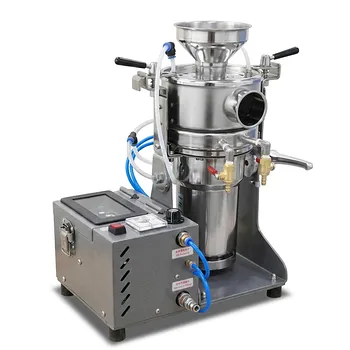
What is the role of a high-speed rotor plastic pulverizer in PVC/PET separation? Achieve High-Purity Material Recovery
Updated 4 months ago
The high-speed rotor plastic pulverizer serves as the primary mechanical catalyst for separating PVC from PET fibers by reducing the PVC component into a micron-level powder. This process leverages high-speed shear forces and frequency impacts to exploit the differences in material brittleness, effectively stripping the plastic from the fabric substrate without destroying the underlying fibers.
The pulverizer acts as a mechanical separator that utilizes deep shearing to detach PVC from PET. By transforming the PVC into a fine powder while leaving the fibers intact, it creates the physical differentiation necessary for effective downstream sorting.
The Mechanics of Mechanical Separation
High-Speed Shear and Impact
The pulverizer utilizes a rotor equipped with multiple sets of precision discs and blades. These components rotate at high velocities to create high-frequency impacts against the composite material.
This intense mechanical energy subjects the material to deep shearing forces. These forces are specifically designed to target the bond between the plastic coating and the fiber core.
Micron-Level Pulverization
The primary goal of the rotor is to process the plasticized PVC into an ultra-fine powder. This powder typically reaches micron-level dimensions through continuous impact within the grinding chamber.
By reducing the PVC to such a small particle size, the machine physically detaches the plastic from the surface of the PET. This results in a raw mixture of fine powder and loose fibers that can be easily sorted by air or vibration.
Material Dynamics: PVC vs. PET
Exploiting Brittleness and Hardness
The separation process relies heavily on the differential physical properties of the two materials. PVC and PET respond differently to high-speed mechanical stress based on their relative hardness and brittleness.
Under the shear forces of the rotor, the plasticized PVC shatters and grinds down efficiently. Its molecular structure allows it to break into powder when subjected to the specific frequency of the discs.
Maintaining Fiber Integrity
Unlike the PVC, the PET fibers possess a level of structural flexibility that resists total pulverization. The machine is tuned to detach the PVC without completely grinding the PET into dust.
This preservation of the fiber's physical form is critical. It ensures that the physical form factor of the PET remains distinct from the PVC powder, enabling high-purity recovery in the next stage of the recycling line.
Understanding the Trade-offs and Limitations
Heat Management Challenges
The high-speed rotation required for pulverization generates significant kinetic heat. If the temperature within the chamber rises too high, the PVC may begin to soften or melt rather than shatter.
Melting causes the PVC to "smear" back onto the PET fibers or clog the rotor blades. This necessitates integrated cooling systems to maintain the brittle state of the plastic for effective powdering.
Energy Consumption vs. Particle Size
Achieving a micron-level powder requires a massive input of energy. There is a direct trade-off between the fineness of the powder and the operational cost of the pulverizer.
If the powder is not fine enough, separation purity drops because PVC remains stuck to the fibers. However, over-processing leads to unnecessary equipment wear and higher electricity overhead.
How to Apply This to Your Project
Selecting the Right Configuration
When integrating a high-speed rotor pulverizer into your recycling workflow, your choice should be dictated by the specific composition of your waste stream.
- If your primary focus is high-purity PET recovery: Ensure the rotor speed and blade clearance are calibrated to strip the PVC completely while leaving the fiber strands as long as possible for easier air-classification.
- If your primary focus is maximizing PVC powder throughput: Prioritize a pulverizer with an advanced cooling jacket to prevent material melting during high-volume, continuous grinding cycles.
- If your primary focus is minimizing operational costs: Optimize the disc gap to achieve the "coarsest possible" powder that still allows for clean detachment, reducing the energy load on the motor.
Effective PVC and PET separation depends on the precise mechanical calibration of the pulverizer to exploit the unique physical vulnerabilities of the plastic coating.
Summary Table:
| Feature | Mechanism | Benefit for Separation |
|---|---|---|
| High-Speed Rotor | High-frequency impact and shear forces | Detaches PVC coating from PET fiber substrate |
| Micron-Level Grinding | Intense mechanical pulverization | Reduces PVC to fine powder for easy downstream sorting |
| Material Dynamics | Exploits brittleness vs. flexibility | Keeps PET fibers intact while shattering the PVC layer |
| Heat Management | Integrated cooling systems | Prevents PVC melting and ensures consistent powdering |
| Blade Precision | Adjustable disc and blade clearance | Optimizes purity versus energy consumption |
Optimize Your Material Processing with Expert Solutions
At our core, we provide complete laboratory sample preparation solutions tailored for material science and high-performance recycling research. Whether you need to achieve micron-level pulverization or high-density material compaction, our specialized equipment is designed for precision and durability.
Our comprehensive product line includes:
- Advanced Grinding & Milling: Rotor mills, planetary ball mills, jet mills, and liquid nitrogen cryogenic grinders for heat-sensitive materials.
- Sizing & Mixing: Vibratory sieve shakers and high-efficiency powder/defoaming mixers.
- Compaction Excellence: A full spectrum of hydraulic presses, including Cold/Warm Isostatic Presses (CIP/WIP), hot presses, and XRF pellet presses.
Ready to enhance your lab's efficiency and achieve superior separation purity? Contact our technical team today to find the perfect equipment for your powder processing and material testing needs!
References
- Walid Chaouch, Slah Msahli. Recycled PVC content and particle size distribution effects on morphological and mechanical properties of expanded PVC layer for floorcoverings. DOI: 10.5802/crchim.280
Mentioned Products
- High Speed Swing Type Laboratory Pulverizer for Fine Powder Grinding and Sample Preparation
- Industrial High Speed Small Sample Pulverizer Swing Type Laboratory Grinder for Powder Processing
- Air Guided Ultrafine Pulverizer High Speed Laboratory Powder Grinder for Chemical and Material Processing
- Micro Solid Sample Grinder High Speed Pulverizer for Laboratory Small Batch Grinding
- Small High Speed Grinder for Laboratory Sample Preparation
People Also Ask
- What is the function of a laboratory high-speed pulverizer in the preparation of eggshell powder? Essential Pretreatment
- What is the function of a laboratory pulverizer in Boerhavia diffusa-based adsorbent prep? Maximize Surface Area
- What are the technical advantages of using a high-speed laboratory pulverizer for grinding tablets into powders? 20K RPM
- What role does a high-speed pulverizer play after battery pyrolysis? Maximize Black Mass Purity & Yield
- Why use laboratory pulverizers for blood clam shell concrete additives? Maximize Reactivity and Surface Area

Tech Team · PowderPreparation
Last updated on May 14, 2026
Related Products
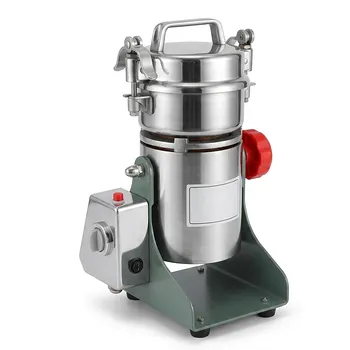
High Speed Swing Type Laboratory Pulverizer for Fine Powder Grinding and Sample Preparation
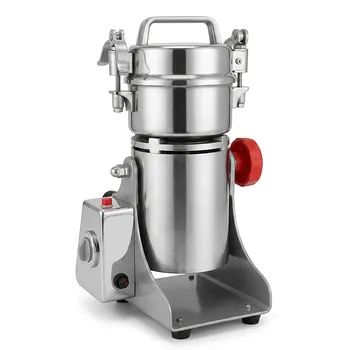
Industrial High Speed Small Sample Pulverizer Swing Type Laboratory Grinder for Powder Processing
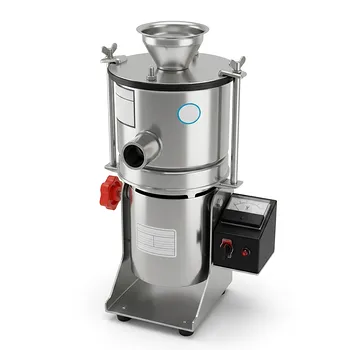
Air Guided Ultrafine Pulverizer High Speed Laboratory Powder Grinder for Chemical and Material Processing
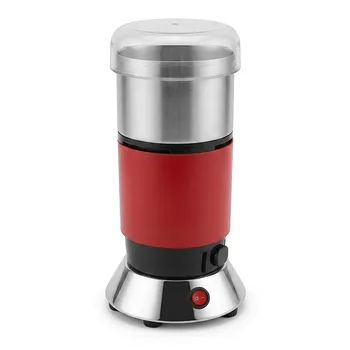
Micro Solid Sample Grinder High Speed Pulverizer for Laboratory Small Batch Grinding
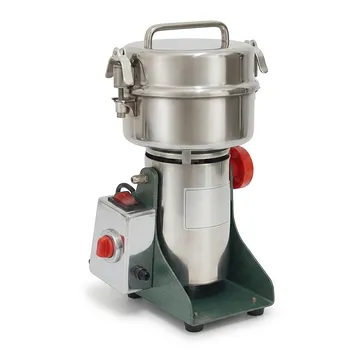
Small High Speed Grinder for Laboratory Sample Preparation
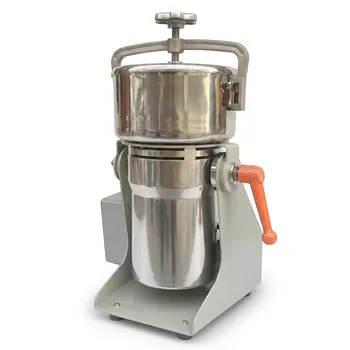
High Speed Laboratory Grinder Efficient Stainless Steel Powder Pulverizer Universal Material Science Mill for Sample Preparation
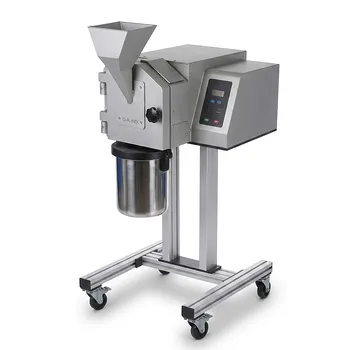
Industrial Rotor Beater Mill for High Speed Impact and Shear Grinding in Laboratory Sample Preparation
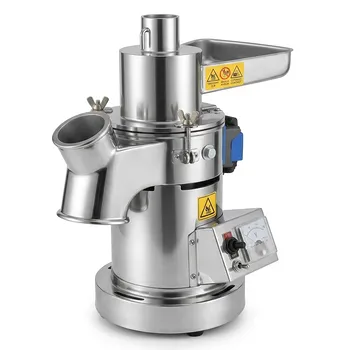
Continuous Feeding Grinder High Efficiency Pulverizer for Lab Sample Preparation
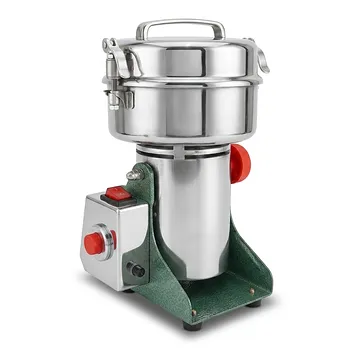
Small High-Speed Laboratory Grinder for Powder Processing
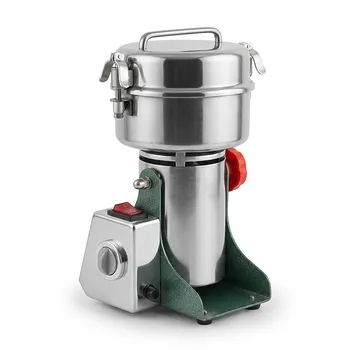
Small High-Speed Swing Grinder for Laboratory Sample Preparation
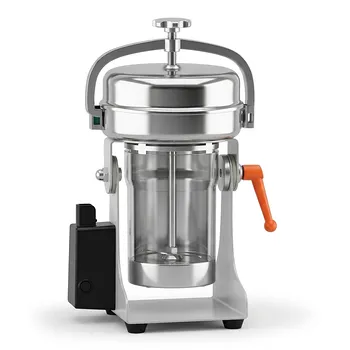
High Efficiency High Speed Grinder 2200W 25000 RPM Laboratory Sample Preparation
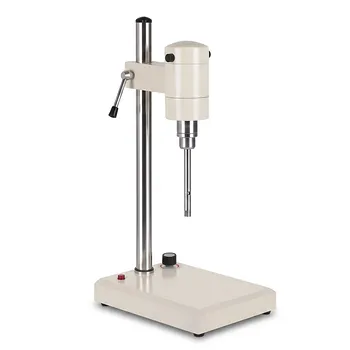
High Speed Dispersing Homogenizer for Laboratory Emulsification Dispersion and Cell Disruption
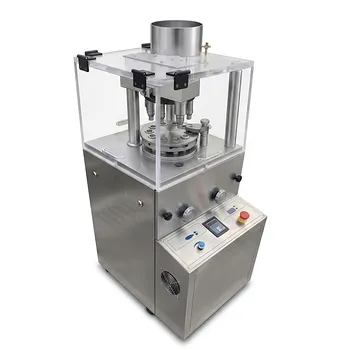
Enhanced 9 Punch Rotary Tablet Press for Powder Compaction
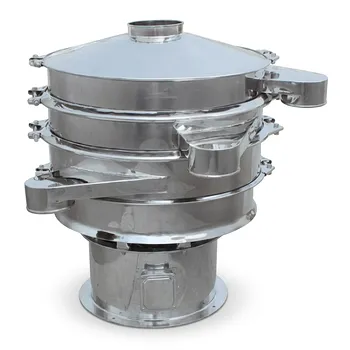
Stainless Steel Rotary Vibrating Sieve High Precision Circular Vibratory Separator Industrial Powder Grading Machine Multi Layer Sifting Equipment
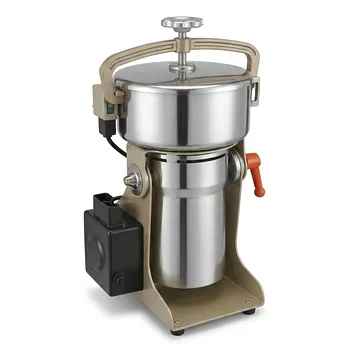
Multifunctional High Efficiency High Speed Laboratory Grinder
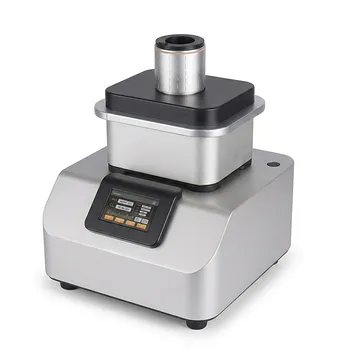
Ultra Centrifugal Mill High Speed Laboratory Grinder for Fibrous and Brittle Sample Preparation
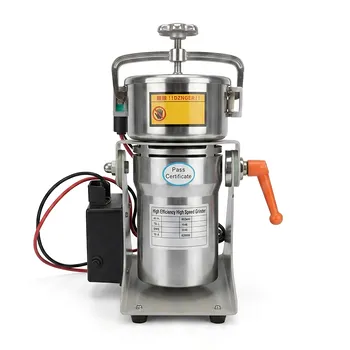
High Efficiency High Speed Grinder Laboratory Mill 1300W 25000rpm
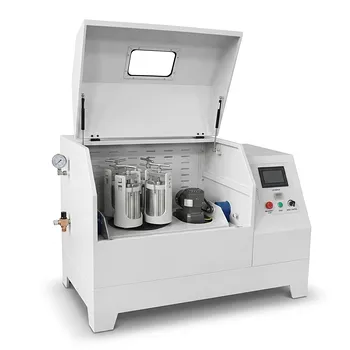
Vertical Production Planetary Ball Mill for High Throughput Powder Processing
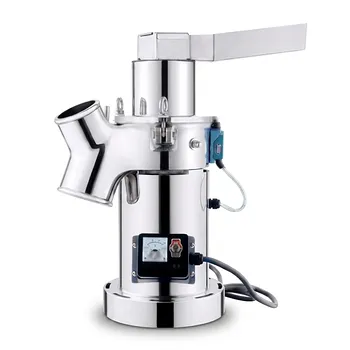
Airflow Ultrafine Pulverizer for Laboratory Ultra-fine Grinding