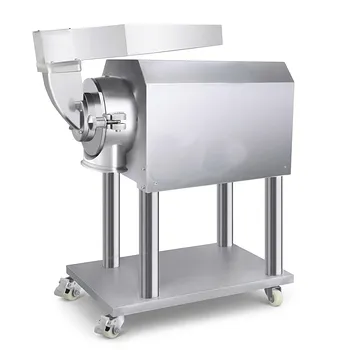
What is the function of a laboratory pulverizer in Boerhavia diffusa-based adsorbent prep? Maximize Surface Area
Updated 5 months ago
The laboratory pulverizer functions as the primary mechanical catalyst for increasing the specific surface area of Boerhavia diffusa raw materials. By reducing dried plant matter into a fine, uniform powder, the equipment exposes internal structures and creates a high density of active sites necessary for the subsequent chemical activation and adsorption of heavy metals like chromium ions.
Core Takeaway: The laboratory pulverizer is essential for transforming macroscopic Boerhavia diffusa biomass into a high-surface-area powder, which directly determines the chemical reactivity and pollutant-removal efficiency of the resulting bio-adsorbent.
Maximizing Adsorption Potential Through Surface Engineering
Increasing Specific Surface Area
The most critical function of the pulverizer is the physical reduction of particle size. By breaking down the plant's macroscopic structure, the equipment exponentially increases the specific surface area available for interaction with pollutants.
A higher surface area provides a greater number of active sites. These sites are the locations where chemical bonds form between the adsorbent material and target contaminants, such as chromium ions, during the water treatment process.
Enhancing Chemical Activation
Pulverization ensures that subsequent chemical activation steps are more effective. When the material is in a fine powder form, chemical reagents can penetrate the biomass more deeply and uniformly.
This increased accessibility and penetration efficiency allows for a more thorough modification of the cellulose and lignin components. This process effectively "primes" the Boerhavia diffusa to achieve its maximum theoretical adsorption capacity.
Ensuring Material Consistency and Process Efficiency
Uniformity and Distribution
The pulverizer allows for the creation of a consistent material foundation. In the preparation of complex adsorbents or bio-films, a uniform powder is required to ensure that active components are distributed evenly within a matrix.
Uniform particle size is also a prerequisite for sieving operations. Proper sieving ensures that the final adsorbent product meets specific industrial standards for flow rates and filtration stability.
Improved Solvent Interaction
By grinding the organic material, the pulverizer breaks down the tough, fibrous structures of the biomass. This structural breakdown facilitates higher solvent accessibility during the pretreatment phase.
When the material is pulverized, the mass transfer between the solid plant matter and the liquid chemical agents is significantly accelerated. This leads to shorter processing times and more predictable chemical reactions.
Understanding the Trade-offs and Pitfalls
Thermal Degradation Risk
Mechanical pulverization generates frictional heat, which can potentially damage the organic compounds within Boerhavia diffusa. If the temperature rises too high during grinding, the delicate functional groups responsible for adsorption may degrade.
Energy vs. Particle Size
There is a point of diminishing returns regarding particle size. While finer powders offer more surface area, the energy required to reach sub-micron levels increases exponentially and may lead to "clumping" or electrostatic charging of the powder.
Dust and Loss of Material
Working with fine powders introduces the challenge of material recovery. Without proper containment and dust extraction, a significant portion of the raw Boerhavia diffusa can be lost as airborne particulates, which also poses a respiratory hazard in the laboratory.
Applying Pulverization to Your Research Goals
How to Apply This to Your Project
- If your primary focus is Maximum Pollutant Removal: Use the pulverizer to achieve the smallest uniform particle size possible to maximize active sites for chromium ion binding.
- If your primary focus is Chemical Pretreatment Efficiency: Prioritize a pulverization setting that breaks down fibrous structures to ensure deep solvent penetration into the cellulose matrix.
- If your primary focus is Matrix Integration: Ensure the pulverizer produces a powder fine enough to be distributed uniformly within a starch or polymer base without forming aggregates.
Effective pulverization is the foundational step that converts raw biomass into a high-performance technical material for environmental remediation.
Summary Table:
| Key Function | Impact on Material | Benefit to Adsorption |
|---|---|---|
| Particle Size Reduction | Increases specific surface area | More active sites for chromium ion binding |
| Structural Breakdown | Exposes internal cellulose/lignin | Enhanced chemical activation & penetration |
| Homogenization | Ensures uniform powder distribution | Consistent material matrix and filtration stability |
| Mass Transfer Boost | Facilitates deeper solvent interaction | Faster processing times and predictable reactions |
Elevate Your Material Research with Precision Sample Preparation
To achieve maximum pollutant-removal efficiency, your raw biomass requires precise processing. At [Company Name], we provide complete laboratory sample preparation solutions for material science, specializing in advanced powder processing and compaction equipment designed for high-performance research.
Our extensive product line includes everything you need to transform Boerhavia diffusa into a technical-grade adsorbent:
- Advanced Milling: Planetary ball mills, jet mills, rotor mills, and liquid nitrogen cryogenic grinders for ultra-fine, uniform powders.
- Size Control: Jaw/roll crushers and vibratory/air-jet sieve shakers to ensure perfect particle distribution.
- Compaction & Forming: A full spectrum of hydraulic presses, including Cold/Warm Isostatic Presses (CIP/WIP), XRF pellet presses, and vacuum hot presses for final material shaping.
Ready to optimize your lab's workflow and material performance? Contact our specialists today for a tailored solution that brings your environmental remediation research to the next level!
References
- Deva Nand Sharma, Anil Yadav. Batch Adsorption Study: Sequestration of Cr(VI) ions fromAqueous Solution Utilizing Boerhavia diffusa. DOI: 10.14233/ajchem.2023.27804
Mentioned Products
- Universal Laboratory Pulverizer Grinder for Small Batch Powder Processing and Material Science Research
- Laboratory Disc Pulverizer for Coal Coke Ore and Medium Hard Materials Sample Preparation
- High Speed Swing Type Laboratory Pulverizer for Fine Powder Grinding and Sample Preparation
- Laboratory Desktop Ultra Fine Powder Grinder High Speed Micronizing Pulverizer
- Air Guided Ultrafine Pulverizer High Speed Laboratory Powder Grinder for Chemical and Material Processing
People Also Ask
- What role does a laboratory grinder play in the pretreatment of sunflower seed shell-based adsorbents? Boost Efficiency.
- How does a laboratory grinder or mill enhance the adsorption performance of agricultural waste materials? Boost Surface Area
- What is the function of laboratory-scale pulverizing equipment in bio-adsorptive film prep? Maximize Surface Area
- Why must soil samples be ground before XRD or XRF analysis? Ensure Precision & Homogeneity in Lab Results
- What is the function of a laboratory blender for mixed fuels? Achieving Microscopic Uniformity for Accurate Analysis

Tech Team · PowderPreparation
Last updated on May 14, 2026
Related Products
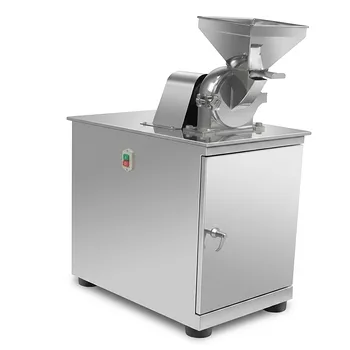
Universal Laboratory Pulverizer Grinder for Small Batch Powder Processing and Material Science Research
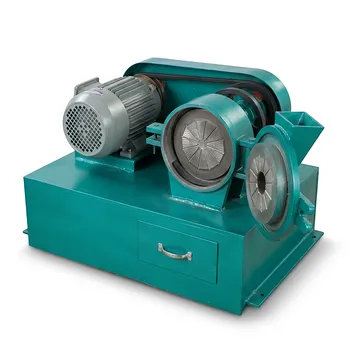
Laboratory Disc Pulverizer for Coal Coke Ore and Medium Hard Materials Sample Preparation
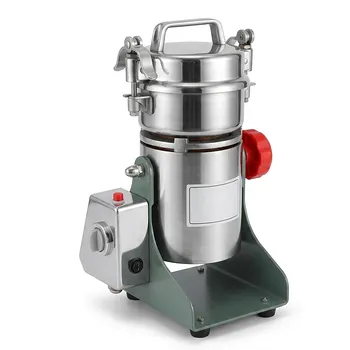
High Speed Swing Type Laboratory Pulverizer for Fine Powder Grinding and Sample Preparation
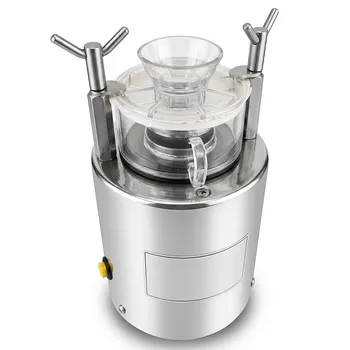
Laboratory Desktop Ultra Fine Powder Grinder High Speed Micronizing Pulverizer
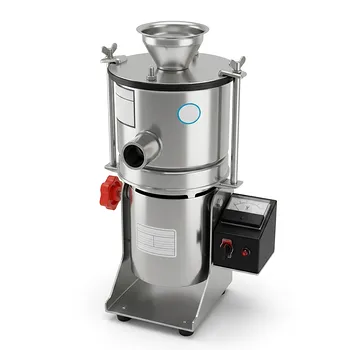
Air Guided Ultrafine Pulverizer High Speed Laboratory Powder Grinder for Chemical and Material Processing
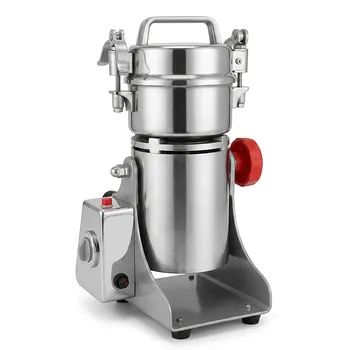
Industrial High Speed Small Sample Pulverizer Swing Type Laboratory Grinder for Powder Processing
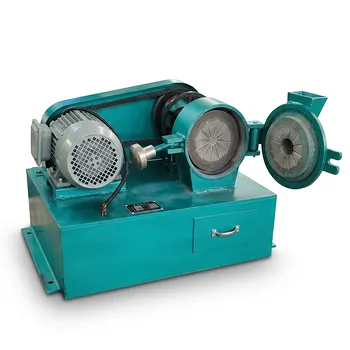
Laboratory Disc Mill Medium Hard Material Grinding Coal Coke Ore Pulverizer
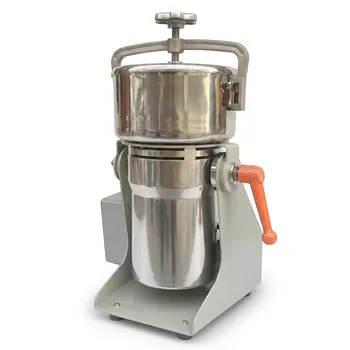
High Speed Laboratory Grinder Efficient Stainless Steel Powder Pulverizer Universal Material Science Mill for Sample Preparation
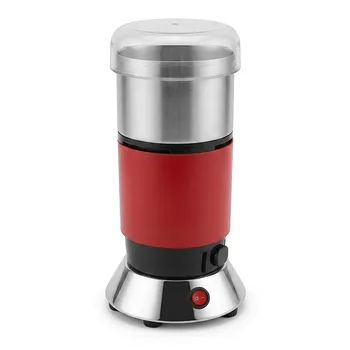
Micro Solid Sample Grinder High Speed Pulverizer for Laboratory Small Batch Grinding
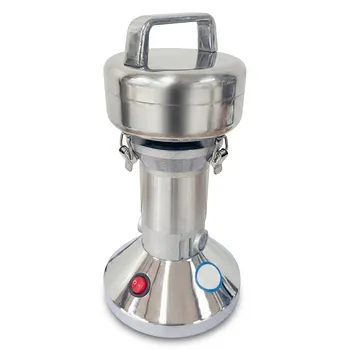
Small Trace Sample High Speed Pulverizer Grinder Laboratory Powder Mill
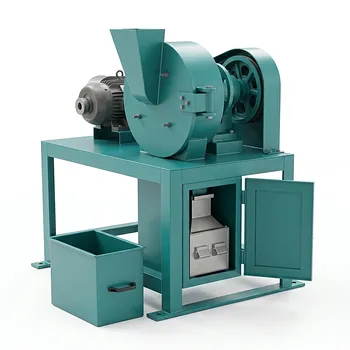
Sealed Disc Pulverizer Customized Model
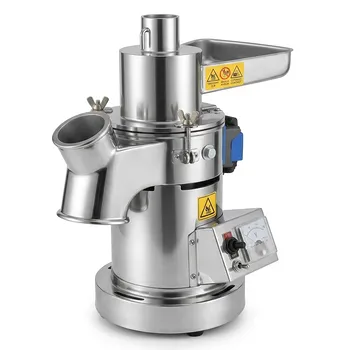
Continuous Feeding Grinder High Efficiency Pulverizer for Lab Sample Preparation
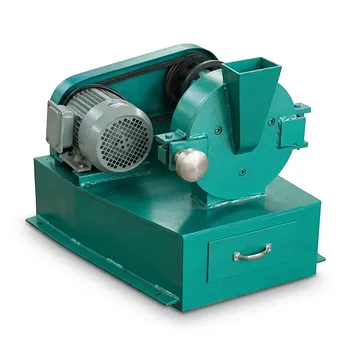
Medium Hardness Material Disc Pulverizer for Coal Ore Sample Preparation
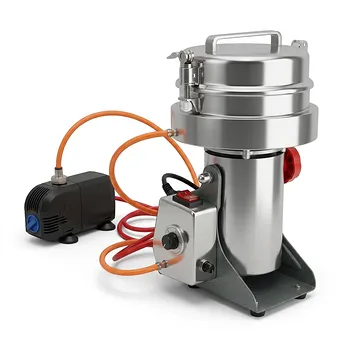
Water Cooled High Speed Grinder with Cryogenic Option for Laboratory Sample Preparation
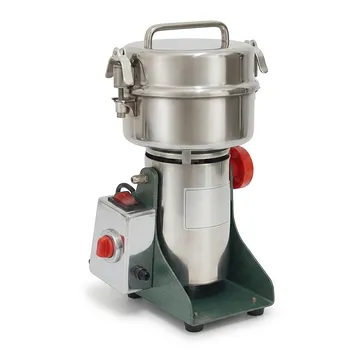
Small High Speed Grinder for Laboratory Sample Preparation
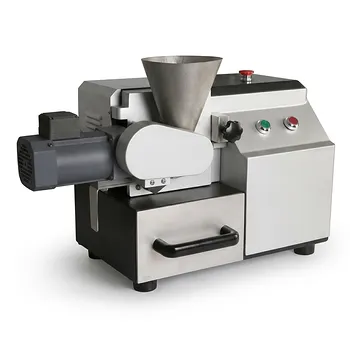
Laboratory Hammer Mill for Coal Quality Analysis and Brittle Mineral Grinding
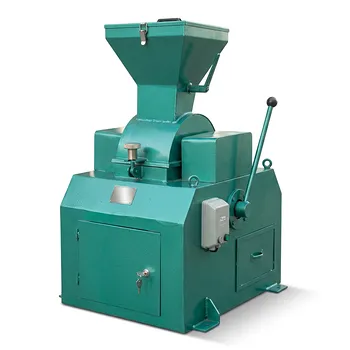
Laboratory Sealed Hammer Blade Crusher Divider for High Hardness Sample Preparation
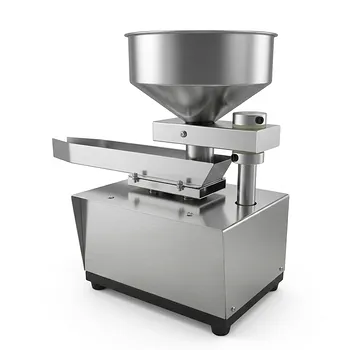
Automatic Vibrating Powder Feeder for Laboratory Material Processing Precision Vibratory Hopper Feeder for Granular and Powder Material Handling Industrial Grade Vibrating Tray Feeder for Consistent Material Sample Preparation
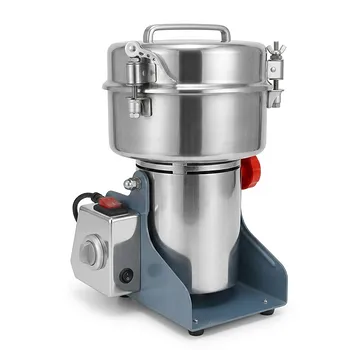
Small High-Speed Grinder for Efficient Laboratory Sample Preparation