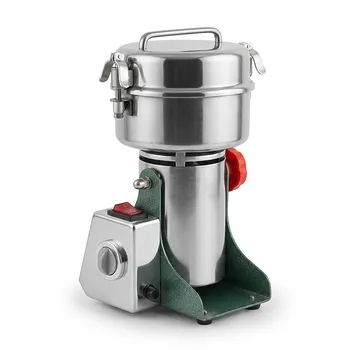
What role does a high-speed pulverizer play after battery pyrolysis? Maximize Black Mass Purity & Yield
Updated 4 months ago
The high-speed pulverizer is the essential bridge between thermal treatment and physical separation in battery recycling. After pyrolysis, battery cells are brittle but still physically intact; the pulverizer uses high-energy shear and impact forces to reduce these residues into a fine powder. This mechanical breakdown is the critical step required to liberate valuable metals and prepare the "black mass" for downstream chemical extraction.
By transforming bulk pyrolyzed residues into fine particles, the high-speed pulverizer enables the efficient separation of high-grade black mass and maximizes the chemical reactivity of materials during hydrometallurgical recovery.
Mechanical Liberation of Metal Components
Breaking Structural Integrity
The primary role of the pulverizer is to apply high-energy mechanical shear to the pyrolyzed battery cells. This force destroys the physical bonds of the charred battery structure, which has already been weakened by the heat of the pyrolysis kiln.
Exposing Internal Elements
Once the structural integrity is compromised, the internal metal components—such as cobalt, lithium, and nickel—are exposed. This exposure is mandatory for any further processing, as it separates the active materials from the physical casings and foils.
Foundation for High-Grade Black Mass
Facilitating Precision Sieving
The pulverizer reduces the material into a specific range of fine particles that are compatible with industrial sieving equipment. Consistent particle size is the most significant factor in determining how effectively the valuable "black mass" can be recovered.
Improving Material Purity
By thoroughly grinding the residue, the pulverizer ensures that the cathode and anode powders are completely detached from the copper and aluminum foils. This separation allows for the production of a high-grade black mass with minimal metallic contamination.
Optimizing Downstream Chemical Recovery
Increasing Reaction Contact Area
Chemical recovery, or acid leaching, relies on the physical contact between the solvent and the metal particles. Pulverization significantly increases the total surface area of the battery residue, allowing for a much faster reaction.
Enhancing Leaching Efficiency
Because the particles are fine and the metals are fully exposed, the acid can penetrate the material more effectively. This leads to higher recovery rates of precious metals and reduces the amount of time and chemicals required for the leaching process.
Understanding the Trade-offs
The Challenge of Over-Grinding
While fine particles are necessary, excessive pulverization can create "ultrafines" or dust that is difficult to capture. These tiny particles can bypass sieves or become lost in air filtration systems, leading to a decrease in total material yield.
Mechanical Wear and Maintenance
The high-speed nature of these machines results in significant mechanical stress on the grinding components. Operators must balance the need for high-impact forces with the reality of frequent maintenance cycles and the potential for component wear.
How to Apply This to Your Process
Choosing Your Operational Strategy
- If your primary focus is high-purity recovery: Ensure the pulverizer is calibrated to detach active materials from foils without over-shredding the foils themselves, which simplifies the sieving stage.
- If your primary focus is maximizing leaching speed: Prioritize a finer grind to maximize the surface-area-to-volume ratio, ensuring the highest possible reactivity during the acid bath.
- If your primary focus is operational longevity: Implement a tiered grinding approach to reduce the load on the high-speed pulverizer, extending the life of the impact components.
Mastering the pulverization stage is the technical key to unlocking the maximum economic value from spent battery cells.
Summary Table:
| Process Stage | Pulverizer Function | Key Operational Benefit |
|---|---|---|
| Mechanical Liberation | High-energy shear & impact | Breaks charred bonds; separates active materials from foils |
| Black Mass Refining | Particle size homogenization | Facilitates precision sieving for higher purity recovery |
| Hydrometallurgy Prep | Surface area expansion | Increases reaction contact area for faster, efficient acid leaching |
| Yield Optimization | Selective detachment | Minimizes metallic contamination while maximizing powder output |
Optimize Your Material Recovery with Expert Powder Solutions
At [Brand Name], we specialize in providing complete laboratory sample preparation solutions tailored for material science and advanced battery recycling. Mastering the transition from pyrolyzed residue to high-grade black mass requires precision equipment designed for durability and consistency.
Our extensive product line supports every stage of your workflow:
- Advanced Milling & Grinding: Achieve the perfect particle size with our planetary ball mills, jet mills, and high-speed rotor mills.
- Precision Classification: Ensure purity with our vibratory and air-jet sieve shakers.
- Material Compaction: Utilize our full spectrum of hydraulic presses, including Cold/Warm Isostatic Presses (CIP/WIP), vacuum hot presses, and XRF pellet presses for downstream analysis.
Ready to enhance your recovery efficiency and material purity? Contact our technical team today to find the ideal equipment configuration for your lab or pilot plant!
References
- Dominic Dittmer, Bernd Friedrich. Evaluation of Filter Cake Washing Processes in Hydrometallurgical Battery Recycling of Lithium-Ion Batteries to Optimize Recoveries. DOI: 10.3390/met15111262
Mentioned Products
- Air Guided Ultrafine Pulverizer High Speed Laboratory Powder Grinder for Chemical and Material Processing
- High Speed Swing Type Laboratory Pulverizer for Fine Powder Grinding and Sample Preparation
- Industrial High Speed Small Sample Pulverizer Swing Type Laboratory Grinder for Powder Processing
- Micro Solid Sample Grinder High Speed Pulverizer for Laboratory Small Batch Grinding
- High Speed Laboratory Grinder Efficient Stainless Steel Powder Pulverizer Universal Material Science Mill for Sample Preparation
People Also Ask
- What is the function of a laboratory high-speed pulverizer in the preparation of eggshell powder? Essential Pretreatment
- What are the technical advantages of using a high-speed laboratory pulverizer for grinding tablets into powders? 20K RPM
- Why is high-efficiency ultra-fine grinding required for Portland cement before XRD? Get Accurate Rietveld Results
- What is the function of a laboratory pulverizer in Boerhavia diffusa-based adsorbent prep? Maximize Surface Area
- Why use laboratory pulverizers for blood clam shell concrete additives? Maximize Reactivity and Surface Area

Tech Team · PowderPreparation
Last updated on May 14, 2026
Related Products
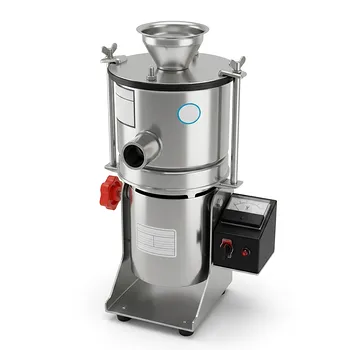
Air Guided Ultrafine Pulverizer High Speed Laboratory Powder Grinder for Chemical and Material Processing
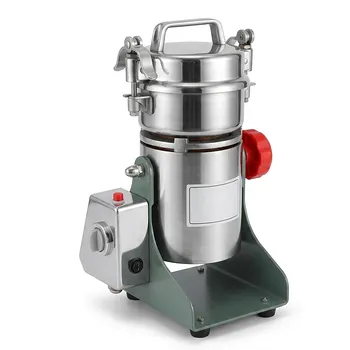
High Speed Swing Type Laboratory Pulverizer for Fine Powder Grinding and Sample Preparation
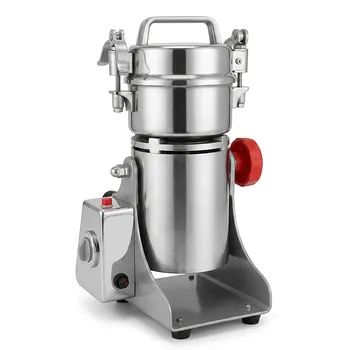
Industrial High Speed Small Sample Pulverizer Swing Type Laboratory Grinder for Powder Processing
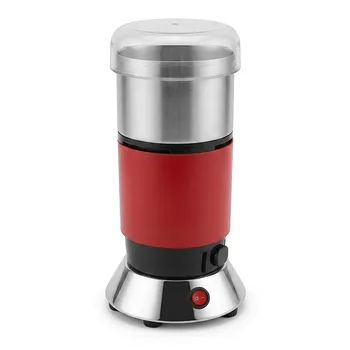
Micro Solid Sample Grinder High Speed Pulverizer for Laboratory Small Batch Grinding
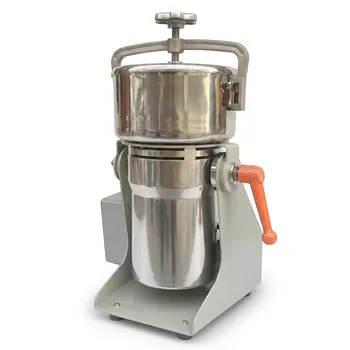
High Speed Laboratory Grinder Efficient Stainless Steel Powder Pulverizer Universal Material Science Mill for Sample Preparation
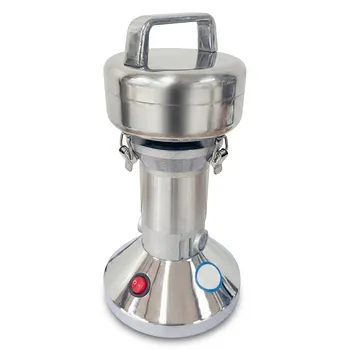
Small Trace Sample High Speed Pulverizer Grinder Laboratory Powder Mill
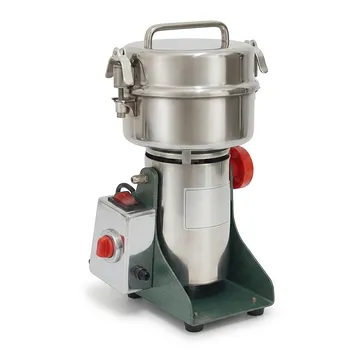
Small High Speed Grinder for Laboratory Sample Preparation
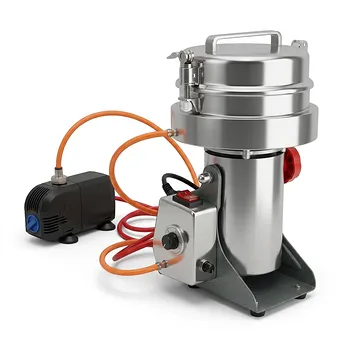
Water Cooled High Speed Grinder with Cryogenic Option for Laboratory Sample Preparation
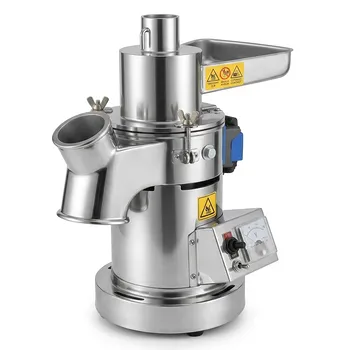
Continuous Feeding Grinder High Efficiency Pulverizer for Lab Sample Preparation
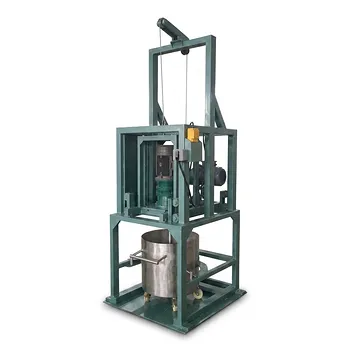
High-Speed Simple Disperser for Efficient Mixing, Dispersion, and Emulsification
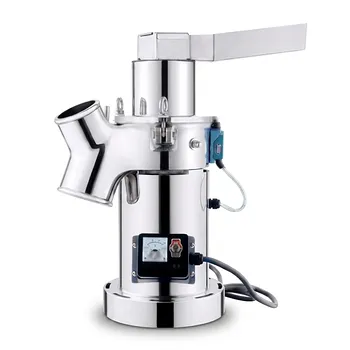
Airflow Ultrafine Pulverizer for Laboratory Ultra-fine Grinding
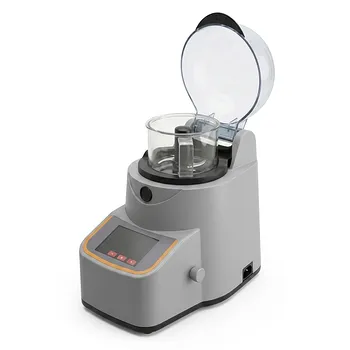
Industrial Knife Mill for Food and Biological Sample Preparation High Speed Laboratory Homogenizer
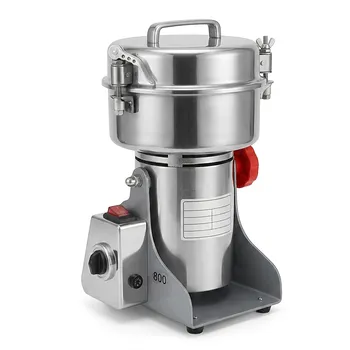
Small High-Speed Laboratory Grinder for Rapid Sample Preparation
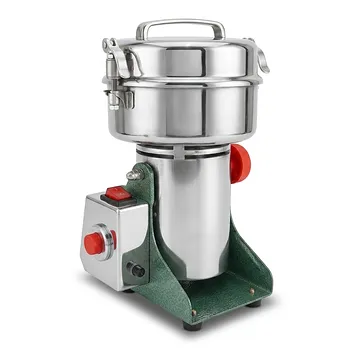
Small High-Speed Laboratory Grinder for Powder Processing
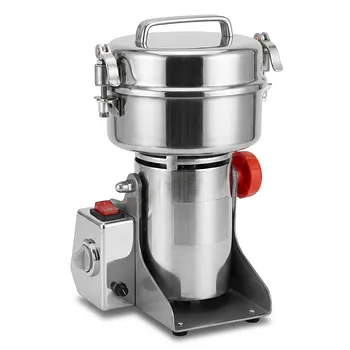
High Speed Laboratory Powder Grinder Small Batch Sample Preparation Mill
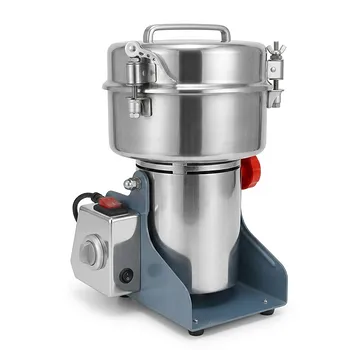
Small High-Speed Grinder for Efficient Laboratory Sample Preparation
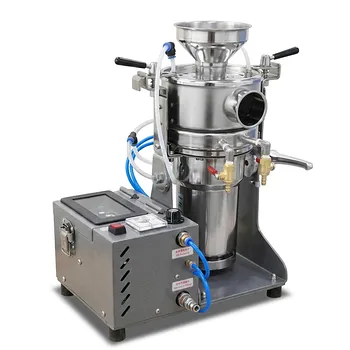
Water Cooled Pulse Jet Ultrafine Grinder
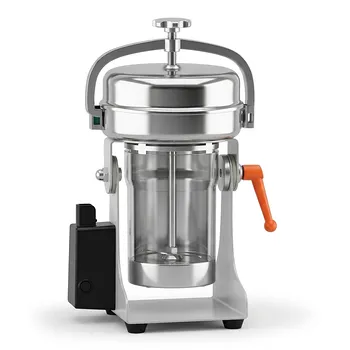
High Efficiency High Speed Grinder 2200W 25000 RPM Laboratory Sample Preparation
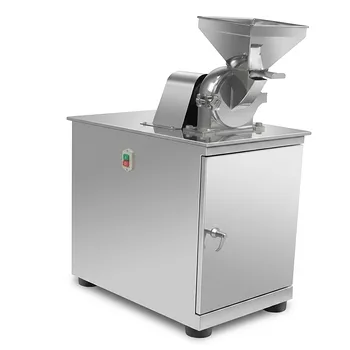
Universal Laboratory Pulverizer Grinder for Small Batch Powder Processing and Material Science Research