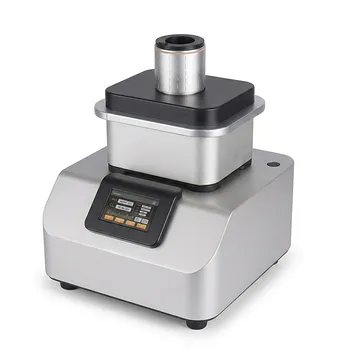
What is the function of a laboratory high-speed pulverizer in the preparation of eggshell powder? Essential Pretreatment
Updated 5 months ago
A laboratory high-speed pulverizer functions as a critical pretreatment tool that uses mechanical shearing and impact forces to reduce large eggshell fragments into a uniform powder. This process facilitates downstream processing by increasing the material’s specific surface area and ensuring it meets the size specifications required for high-energy ultrafine grinding equipment.
The core function of high-speed pulverization is to transform the tough, mineralized matrix of eggshells into a manageable precursor. By breaking external barriers and exposing internal microporous structures, the pulverizer optimizes drying efficiency and prepares the material for advanced applications like heavy metal biosorption.
Mechanical Principles of Size Reduction
High-Velocity Shearing and Impact
The pulverizer operates at high rotational speeds, often reaching 20,000 revolutions per minute, to generate intense mechanical shear. This energy rapidly breaks down the tough, calcified structure of the eggshell into smaller, uniform fragments.
Breaking the Mineralized Matrix
Eggshells possess a complex mineralized matrix that resists simple crushing. High-speed pulverization provides the necessary force to overcome this structural integrity, ensuring the fibrous and mineral components are sufficiently refined.
Increasing Effective Surface Area
By reducing bulk eggshells to micron-sized particles, the pulverizer significantly increases the specific surface area. This physical transformation is essential for ensuring that the powder can interact effectively with other reagents or environments.
Role as a Critical Pretreatment Step
Optimization of Subsequent Drying
Reducing the particle size of raw eggshells before drying improves the efficiency of the thermal process. Smaller fragments allow for more uniform heat distribution and faster moisture removal compared to whole or coarsely broken shells.
Feeding Ultrafine Grinding Systems
The pulverizer acts as a necessary bridge between raw material and advanced processing. It ensures the eggshell powder meets the input specifications required for high-energy ultrafine grinding equipment, which produces the final nano-sized particles.
Enhancing Screening Efficiency
Uniformity in particle size directly improves the efficiency of subsequent screening and filtration processes. A consistent powder allows for more precise grading, which is vital for maintaining quality standards in laboratory research.
Enhancing Material Functionality for Research
Exposure of Microporous Structures
The mechanical action of the pulverizer breaks the external barriers of the eggshell biomass. This exposes the internal microporous structures, which are often the primary focus in material science and biosorption studies.
Activation of Chemical Binding Sites
Pulverization provides the physical foundation for the efficient adsorption of heavy metal ions, such as lead and zinc. By exposing active sites within the eggshell structure, the pulverizer enables the powder to function as an effective biosorbent in aqueous solutions.
Improving Dispersion Uniformity
In applications where eggshell powder is used as an additive, such as in food science or polymer composites, the pulverizer ensures dispersion uniformity. This prevents clumping and facilitates a more consistent release of nutritional or structural components.
Understanding the Trade-offs and Limitations
Thermal Stress and Heat Generation
High-speed rotation generates significant friction, which can lead to localized heat buildup. If not monitored, this heat can potentially alter the organic proteins or the delicate membrane associated with the eggshell.
Material Loss and Dust Control
The intense energy of a pulverizer can turn a portion of the material into extremely fine dust that may escape the collection chamber. This requires careful handling and robust sealing to ensure total material recovery and laboratory safety.
Limitations in Final Particle Fineness
While highly effective for micron-level reduction, a standard high-speed pulverizer usually cannot reach the sub-micron or nano-scale on its own. It remains a pretreatment tool rather than a final solution for projects requiring true ultrafine particles.
Applying Pulverization to Your Project Goals
Successful eggshell preparation depends on aligning the pulverization process with your ultimate research or industrial objective.
- If your primary focus is biosorption or chemical reactivity: Prioritize high rotational speeds to maximize the exposure of internal micropores and active binding sites.
- If your primary focus is preparing samples for ultrafine grinding: Use the pulverizer specifically to reach a uniform micron-sized feed to prevent clogging or damage to high-energy mills.
- If your primary focus is nutritional analysis or food additives: Ensure the pulverizer is cleaned meticulously and monitor heat levels to avoid degrading the organic components of the eggshell membrane.
By mastering the mechanical breakdown of the eggshell matrix, you establish the physical foundation necessary for high-performance material applications.
Summary Table:
| Key Function | Mechanical Benefit | Research Application |
|---|---|---|
| Size Reduction | Breaks mineralized matrix into micron fragments | Pretreatment for ultrafine grinding |
| Surface Area Boost | Increases specific surface area & reactivity | Heavy metal biosorption studies |
| Structural Exposure | Reveals internal microporous structures | Material science & chemical activation |
| Process Optimization | Enhances drying efficiency & dispersion | Food science & polymer composites |
Optimize Your Sample Preparation with Our Expert Solutions
Achieving the perfect particle size is critical for high-performance research. At our laboratory, we provide complete sample preparation solutions for material science, specializing in professional-grade powder processing and compaction equipment.
Whether you are preparing eggshell powder for biosorption or developing advanced ceramics, our extensive product lines ensure precision at every stage:
- Size Reduction: Jaw/roll crushers and high-speed pulverizers for efficient pretreatment.
- Advanced Milling: Planetary ball mills, jet mills, sand/bead mills, and cryogenic grinders for ultrafine results.
- Classification & Mixing: Vibratory/air-jet sieve shakers and high-efficiency powder or defoaming mixers.
- Compaction & Pressing: A full spectrum of hydraulic presses, including Cold/Warm Isostatic Presses (CIP/WIP), hot presses, and vacuum hot presses.
Ready to enhance your lab's efficiency and material quality? Contact us today to discuss your specific requirements and find the ideal equipment for your project goals.
References
- Sharmeeni Murugan, Yamuna Munusamy. Impact of Weathering on the Mechanical and Weight Reduction Properties of High-density Polyethylene (HDPE) Composites Filled with Treated and Untreated Eggshell Powder (ESP) Fillers. DOI: 10.21315/jes2019.15.2.8
Mentioned Products
- Air Guided Ultrafine Pulverizer High Speed Laboratory Powder Grinder for Chemical and Material Processing
- High Speed Swing Type Laboratory Pulverizer for Fine Powder Grinding and Sample Preparation
- High Speed Laboratory Grinder Efficient Stainless Steel Powder Pulverizer Universal Material Science Mill for Sample Preparation
- Laboratory Desktop Ultra Fine Powder Grinder High Speed Micronizing Pulverizer
- Industrial High Speed Small Sample Pulverizer Swing Type Laboratory Grinder for Powder Processing
People Also Ask
- What are the technical advantages of using a high-speed laboratory pulverizer for grinding tablets into powders? 20K RPM
- Why is high-efficiency ultra-fine grinding required for Portland cement before XRD? Get Accurate Rietveld Results
- What is the function of a laboratory pulverizer in Boerhavia diffusa-based adsorbent prep? Maximize Surface Area
- Why use laboratory pulverizers for blood clam shell concrete additives? Maximize Reactivity and Surface Area
- What role does a high-speed pulverizer play after battery pyrolysis? Maximize Black Mass Purity & Yield

Tech Team · PowderPreparation
Last updated on May 14, 2026
Related Products
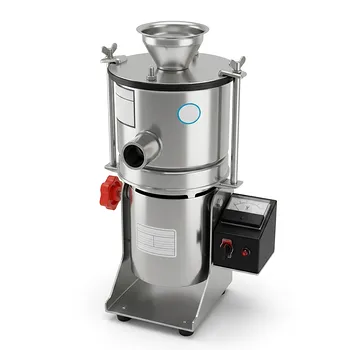
Air Guided Ultrafine Pulverizer High Speed Laboratory Powder Grinder for Chemical and Material Processing
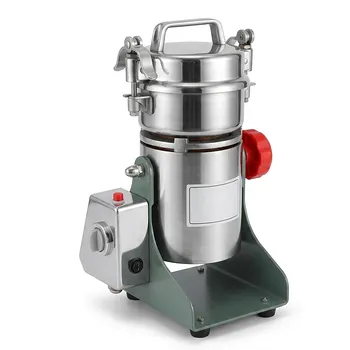
High Speed Swing Type Laboratory Pulverizer for Fine Powder Grinding and Sample Preparation
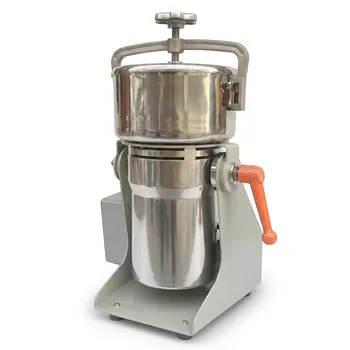
High Speed Laboratory Grinder Efficient Stainless Steel Powder Pulverizer Universal Material Science Mill for Sample Preparation
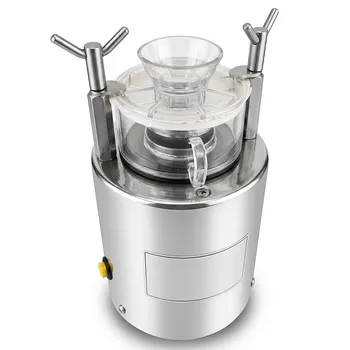
Laboratory Desktop Ultra Fine Powder Grinder High Speed Micronizing Pulverizer
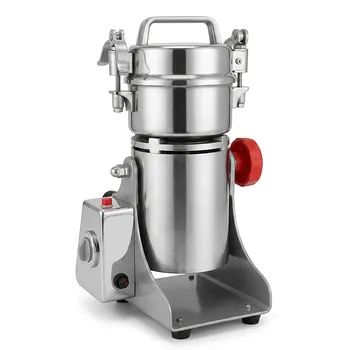
Industrial High Speed Small Sample Pulverizer Swing Type Laboratory Grinder for Powder Processing
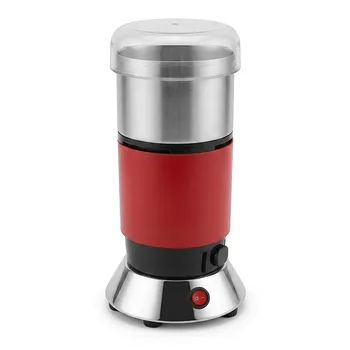
Micro Solid Sample Grinder High Speed Pulverizer for Laboratory Small Batch Grinding
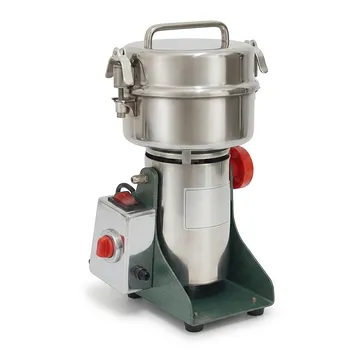
Small High Speed Grinder for Laboratory Sample Preparation
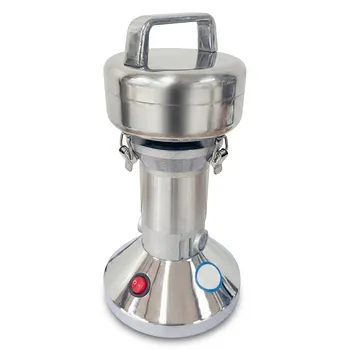
Small Trace Sample High Speed Pulverizer Grinder Laboratory Powder Mill
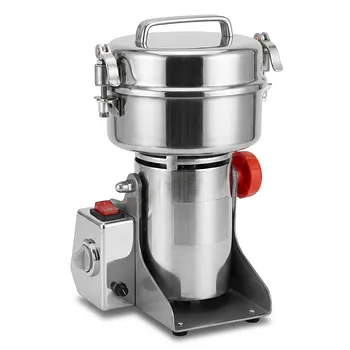
High Speed Laboratory Powder Grinder Small Batch Sample Preparation Mill
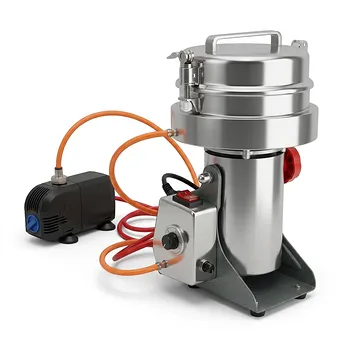
Water Cooled High Speed Grinder with Cryogenic Option for Laboratory Sample Preparation
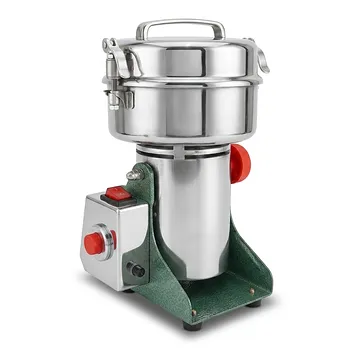
Small High-Speed Laboratory Grinder for Powder Processing
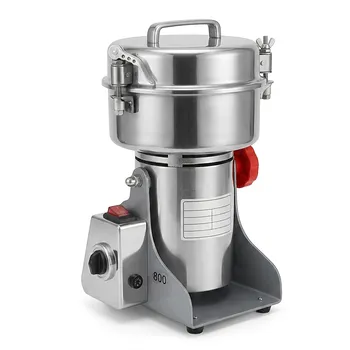
Small High-Speed Laboratory Grinder for Rapid Sample Preparation
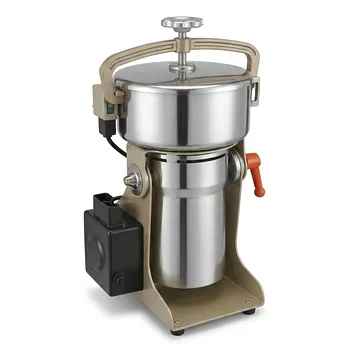
Multifunctional High Efficiency High Speed Laboratory Grinder
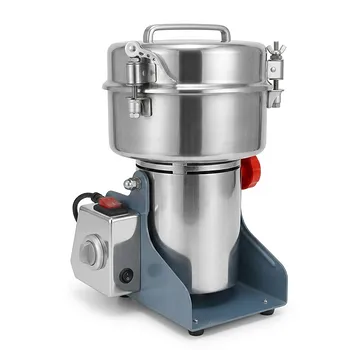
Small High-Speed Grinder for Efficient Laboratory Sample Preparation
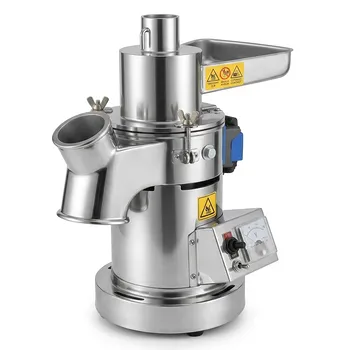
Continuous Feeding Grinder High Efficiency Pulverizer for Lab Sample Preparation
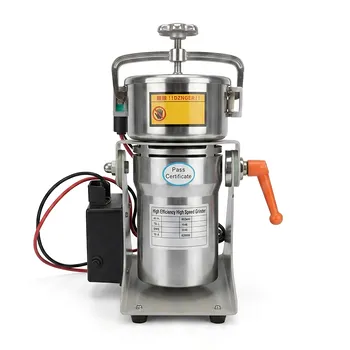
High Efficiency High Speed Grinder Laboratory Mill 1300W 25000rpm
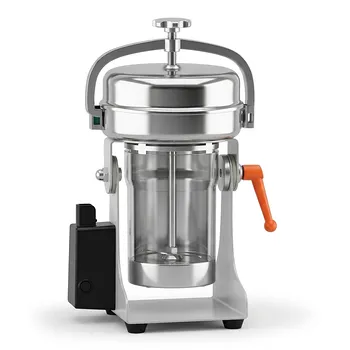
High Efficiency High Speed Grinder 2200W 25000 RPM Laboratory Sample Preparation
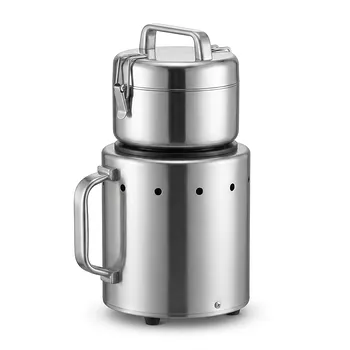
Small High Speed Grinder for Laboratory Sample Preparation
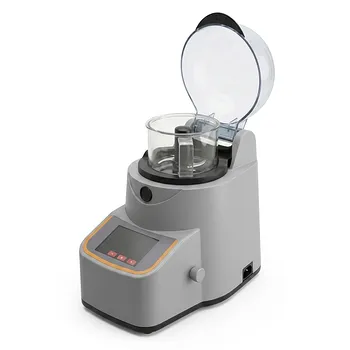
Industrial Knife Mill for Food and Biological Sample Preparation High Speed Laboratory Homogenizer