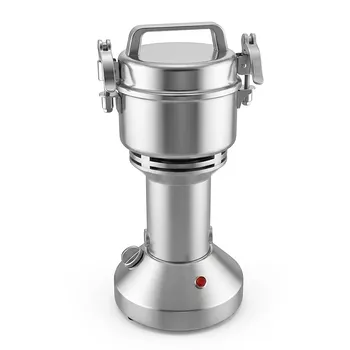
What are the technical advantages of using a high-speed laboratory pulverizer for grinding tablets into powders? 20K RPM
Updated 4 months ago
High-speed laboratory pulverizers offer a decisive technical advantage over manual methods by delivering precise control over particle size distribution and morphology. By operating at speeds up to 20,000 RPM, these machines provide the high-frequency impact and shear forces necessary to transform solid tablets into uniform powders, ensuring consistent drug release profiles and optimal preparation for downstream mixing processes.
High-speed mechanical pulverization replaces the variability of manual grinding with a standardized, high-energy process. This results in superior particle uniformity and shape, which are foundational for pharmaceutical stability and regulatory compliance.
Achieving Precision Through High-Energy Mechanical Grinding
Superior Speed and Throughput
Operating at speeds reaching 20,000 RPM, laboratory pulverizers provide rapid mechanical grinding that far exceeds the capabilities of a manual mortar and pestle. This high-velocity action ensures that large batches of tablets are processed in a fraction of the time required by traditional methods.
Uniform Particle Size Distribution (PSD)
High-energy pulverization ensures a more consistent particle size distribution. This uniformity is critical because it eliminates the outliers—overly large or small particles—that can cause inconsistencies in final product performance.
Control Over Particle Morphology
The high-frequency impact forces do more than just reduce size; they can alter the geometric shape of the particles. By creating more spherical rather than elongated particles, the pulverizer improves the flowability of the powder and how it fills space during subsequent manufacturing steps.
The Downstream Impact on Quality and Stability
Optimized Mixing Preparation
Consistency in particle size is essential for the subsequent mixing stage, particularly when using advanced equipment like a planetary centrifugal mixer. A uniform powder allows for a more homogeneous blend, often achieving a relative standard deviation (RSD) in API distribution of less than 5 percent.
Ensuring Stable Drug Release Profiles
In pharmaceutical applications, the surface area of a particle directly influences its dissolution rate. By maintaining a tight control over PSD, high-speed pulverizers help ensure a stable drug release profile, preventing unintended spikes or delays in the medication's efficacy.
Supporting Regulatory Validation
Modern laboratory pulverizers are often designed with 316L stainless steel and GMP-compliant vessels. These features are critical for minimizing cross-contamination and meeting the stringent documentation requirements of regulatory bodies.
Understanding the Trade-offs and Limitations
Risk of Thermal Degradation
The high-energy nature of 20,000 RPM grinding generates significant friction, which can lead to heat buildup. For heat-sensitive active pharmaceutical ingredients (APIs), this temperature rise can cause thermal degradation or alter the crystalline structure of the material.
Potential for Mechanical Attrition
While high shear is necessary for grinding, it can sometimes be too aggressive for fragile crystalline particles. In these cases, excessive mechanical attrition might lead to an over-pulverized "fines" population, which can negatively affect powder flow and dust control.
Maintenance and Cleaning Requirements
Unlike a simple mortar and pestle, high-speed mechanical systems require rigorous cleaning protocols to prevent cross-batch contamination. The complexity of the internal components means that sanitation must be meticulously managed to maintain GMP standards.
Making the Right Choice for Your Goal
When integrating a high-speed pulverizer into your workflow, your technical requirements should dictate the specific parameters of the equipment.
- If your primary focus is consistent drug delivery: Prioritize a pulverizer that offers precise RPM control to ensure a tight particle size distribution, as this directly dictates the dissolution and release stability.
- If your primary focus is high-throughput formulation: Utilize the maximum 20,000 RPM capability to rapidly process bulk tablets into uniform powders for immediate transition to planetary centrifugal mixing.
- If your primary focus is processing heat-sensitive materials: Select a system that allows for interval grinding or integrated cooling to prevent thermal damage to the API during the high-energy pulverization process.
By transitioning from manual grinding to high-speed mechanical pulverization, you ensure that your pharmaceutical powders meet the exacting standards required for modern drug development and manufacturing.
Summary Table:
| Feature | Technical Advantage | Impact on Quality |
|---|---|---|
| Rotational Speed | Up to 20,000 RPM | Rapid throughput and high-energy impact/shear |
| PSD Control | Uniform Particle Size Distribution | Eliminates outliers for consistent dissolution |
| Morphology | Geometric particle shaping | Improved powder flowability and mixing efficiency |
| Compliance | 316L Stainless / GMP Design | Minimizes contamination and supports regulatory audits |
| Mixing Prep | High-energy pulverization | Ensures <5% RSD in API distribution when mixed |
Elevate Your Material Preparation with Precision Engineering
Achieving consistent results in pharmaceutical and material science research starts with superior sample preparation. At [Your Brand Name], we provide complete laboratory solutions specialized in powder processing and compaction.
Whether you are grinding tablets or synthesizing new compounds, our extensive equipment line is designed to meet the most rigorous standards:
- Advanced Milling: High-speed pulverizers, planetary ball mills, jet mills, and cryogenic grinders for precise size reduction.
- Homogeneous Mixing: Planetary centrifugal mixers and defoaming mixers to ensure uniform API distribution.
- Compaction Excellence: A full spectrum of hydraulic presses, including Cold/Warm Isostatic Presses (CIP/WIP), vacuum hot presses, and XRF pellet presses.
Don't let manual variability compromise your data. Contact us today to discover how our high-performance equipment can streamline your workflow and ensure regulatory compliance.
References
- Yasunori Miyazaki, Yoshiyuki Kagawa. Application of Response Surface Methodology to Estimate the Design Space of Pharmaceutical Diluents for Dispensing Powdered Formulations. DOI: 10.1248/cpb.c16-00546
Mentioned Products
- Air Guided Ultrafine Pulverizer High Speed Laboratory Powder Grinder for Chemical and Material Processing
- High Speed Swing Type Laboratory Pulverizer for Fine Powder Grinding and Sample Preparation
- High Speed Laboratory Grinder Efficient Stainless Steel Powder Pulverizer Universal Material Science Mill for Sample Preparation
- Industrial High Speed Small Sample Pulverizer Swing Type Laboratory Grinder for Powder Processing
- Micro Solid Sample Grinder High Speed Pulverizer for Laboratory Small Batch Grinding
People Also Ask
- What is the function of a laboratory high-speed pulverizer in the preparation of eggshell powder? Essential Pretreatment
- Why is high-efficiency ultra-fine grinding required for Portland cement before XRD? Get Accurate Rietveld Results
- What is the function of a laboratory pulverizer in Boerhavia diffusa-based adsorbent prep? Maximize Surface Area
- Why use laboratory pulverizers for blood clam shell concrete additives? Maximize Reactivity and Surface Area
- What role does a high-speed pulverizer play after battery pyrolysis? Maximize Black Mass Purity & Yield

Tech Team · PowderPreparation
Last updated on May 14, 2026
Related Products
Air Guided Ultrafine Pulverizer High Speed Laboratory Powder Grinder for Chemical and Material Processing
High Speed Swing Type Laboratory Pulverizer for Fine Powder Grinding and Sample Preparation
High Speed Laboratory Grinder Efficient Stainless Steel Powder Pulverizer Universal Material Science Mill for Sample Preparation
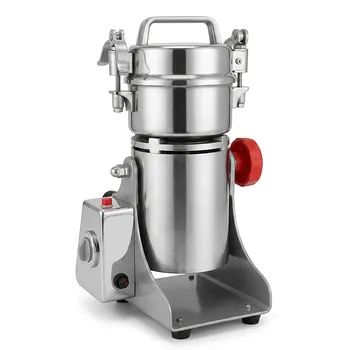
Industrial High Speed Small Sample Pulverizer Swing Type Laboratory Grinder for Powder Processing
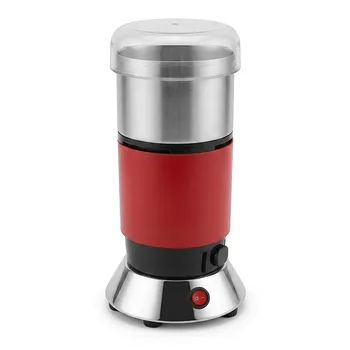
Micro Solid Sample Grinder High Speed Pulverizer for Laboratory Small Batch Grinding
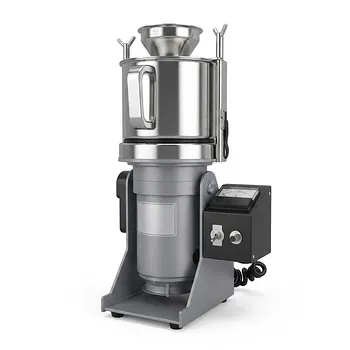
High Speed Air Induced Ultrafine Pulverizer Laboratory Superfine Powder Mill for Pharmaceutical and Material Science Sample Preparation
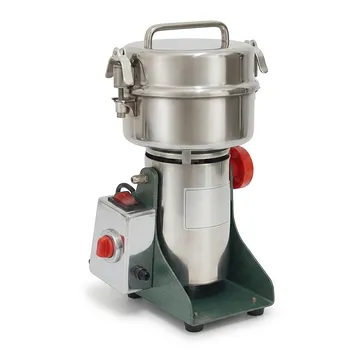
Small High Speed Grinder for Laboratory Sample Preparation
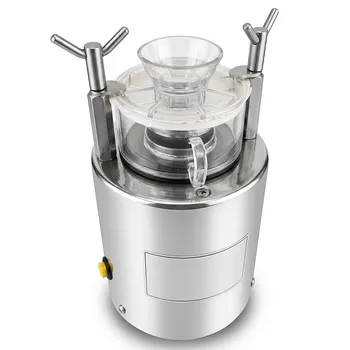
Laboratory Desktop Ultra Fine Powder Grinder High Speed Micronizing Pulverizer
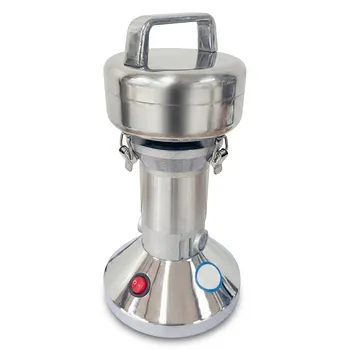
Small Trace Sample High Speed Pulverizer Grinder Laboratory Powder Mill
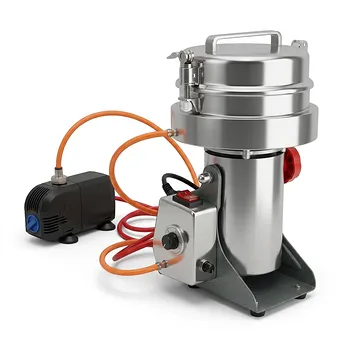
Water Cooled High Speed Grinder with Cryogenic Option for Laboratory Sample Preparation
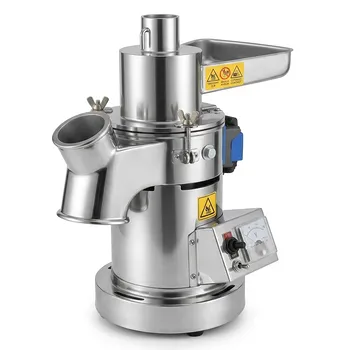
Continuous Feeding Grinder High Efficiency Pulverizer for Lab Sample Preparation
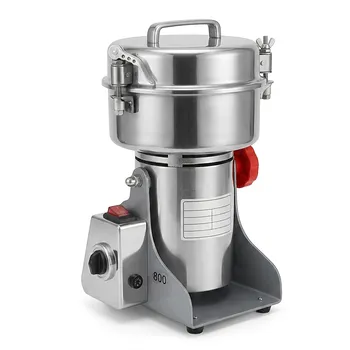
Small High-Speed Laboratory Grinder for Rapid Sample Preparation
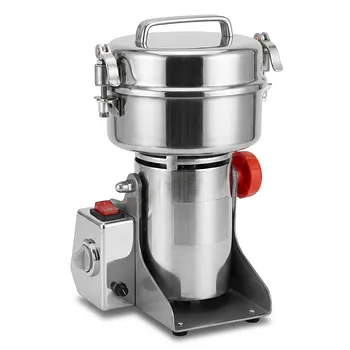
High Speed Laboratory Powder Grinder Small Batch Sample Preparation Mill
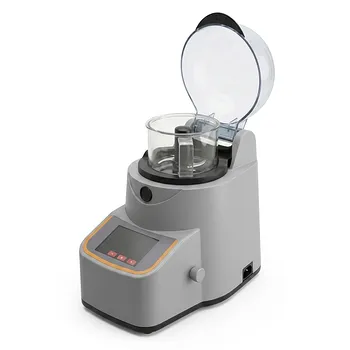
Industrial Knife Mill for Food and Biological Sample Preparation High Speed Laboratory Homogenizer
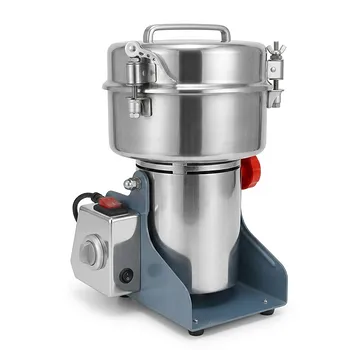
Small High-Speed Grinder for Efficient Laboratory Sample Preparation
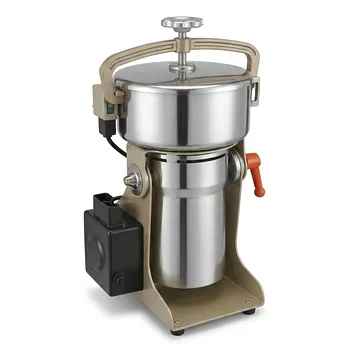
Multifunctional High Efficiency High Speed Laboratory Grinder
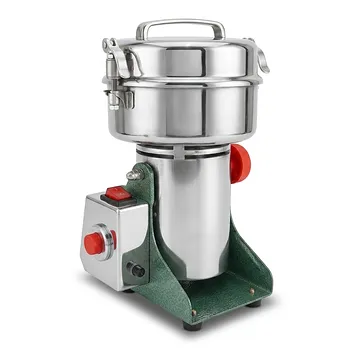
Small High-Speed Laboratory Grinder for Powder Processing
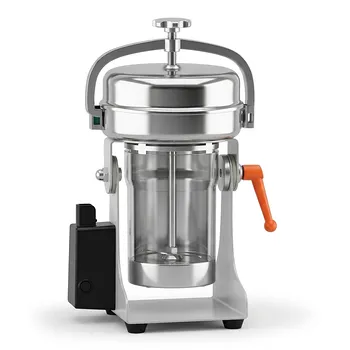
High Efficiency High Speed Grinder 2200W 25000 RPM Laboratory Sample Preparation
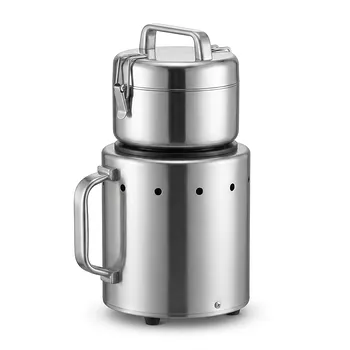
Small High Speed Grinder for Laboratory Sample Preparation