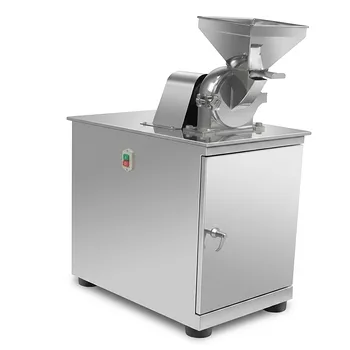
Why use laboratory pulverizers for blood clam shell concrete additives? Maximize Reactivity and Surface Area
Updated 4 months ago
High-speed laboratory pulverizers are the essential bridge between raw waste and reactive construction material. These machines physically break down the dense, calcified tissue of blood clam shells into a micron-scale powder, significantly increasing the specific surface area. This physical refinement is required to unlock the chemical reactivity of the shells, ensuring they can effectively substitute for cement or integrate as fine aggregates in concrete mixtures.
Core Takeaway: To transform blood clam shells into a functional concrete additive, mechanical pulverization is necessary to increase surface area and ensure uniform physical dispersion. This process converts inert shell waste into a reactive material that maintains the mechanical stability and chemical integrity of the final concrete matrix.
Maximizing Chemical Reactivity and Surface Area
The Necessity of Micronization
Raw blood clam shells are structurally dense and chemically inaccessible in their natural state. High-speed pulverizers utilize shear and impact forces to reduce these shells to extremely fine particles, often targeting sizes as small as 74μm (200 mesh).
Enhancing Specific Surface Area
As the particle size decreases, the specific surface area of the powder increases exponentially. This expanded surface area allows the calcium carbonate components of the shell to interact more effectively with water and cement binders, facilitating the chemical reactions necessary for cementitious performance.
Optimization of Rheological Properties
In specialized applications like water-based muds or fluid concrete, fine powder ensures better integration with the liquid phase. A higher surface area optimizes rheological properties and reduces fluid loss, leading to a more stable and predictable mixture.
Ensuring Structural Homogeneity and Gradation
Uniform Dispersion in the Matrix
For an additive to improve concrete, it must be distributed evenly throughout the mixture. Refined shell powder achieves uniform physical dispersion with cement and aggregates, preventing weak spots that could lead to structural failure in the finished material.
Meeting Precise Gradation Standards
Laboratory grinding equipment allows researchers to meet strict gradation requirements for fine aggregates, such as reducing material to a consistent 4.75 mm or smaller. Achieving this precise sizing ensures the clam shell powder mimics the behavior of natural river sand, preserving the mechanical stability of the concrete.
Creating a Dense Structural Foundation
When using biomaterials like clam shells or eggshells, mechanical force is the only way to reach the micron-sized refinement needed for high-density molding. This consistency guarantees that the final product—whether it be a brick or a filter element—maintains a uniform structural foundation.
Understanding the Trade-offs
Energy Consumption vs. Particle Fineness
While finer particles generally improve reactivity, the energy required for ultra-fine grinding increases significantly as particle size targets drop. It is critical to balance the desired chemical performance against the operational costs and time required for high-speed pulverization.
Heat Generation and Material Integrity
The high-speed rotation of pulverizers generates substantial frictional heat, which can potentially alter the chemical structure of organic residues if the shells are not perfectly cleaned. Managing temperature during the grinding process is essential to ensure the calcium carbonate remains stable and effective.
Equipment Wear and Contamination
Blood clam shells are naturally abrasive, which can lead to accelerated wear on grinding media and liners. Over time, this wear may introduce trace metallic contaminants into the powder, which could theoretically interfere with sensitive chemical formulations in high-precision laboratory settings.
How to Apply This to Your Project
Recommendations for Material Processing
- If your primary focus is cement substitution: Prioritize high-speed pulverization to achieve a particle size below 74μm to maximize chemical reactivity and surface area.
- If your primary focus is fine aggregate replacement: Use adjustable laboratory mills to target a gradation of 4.75 mm, focusing on uniform distribution rather than extreme fineness.
- If your primary focus is structural integrity in bricks: Ensure the use of high-precision sieving after grinding to guarantee a uniform particle size distribution, which prevents internal stress concentrations.
By mastering the mechanical breakdown of blood clam shells, you can successfully transition from waste management to the production of high-performance, sustainable concrete additives.
Summary Table:
| Requirement | Technical Benefit | Target Particle Size |
|---|---|---|
| Micronization | Increases specific surface area and chemical reactivity | < 74μm (200 mesh) |
| Uniform Dispersion | Prevents structural weak spots in the concrete matrix | Homogeneous powder |
| Gradation Control | Mimics natural river sand behavior for stability | < 4.75 mm |
| Rheological Optimization | Enhances fluid stability and reduces fluid loss | Ultra-fine particles |
Elevate Your Material Research with Precision Sample Preparation
Transforming raw bio-waste like blood clam shells into high-performance concrete additives requires precision at every stage. We provide complete laboratory sample preparation solutions tailored for material science and civil engineering researchers.
Our extensive equipment line ensures you achieve the exact particle size and density required for your projects:
- Primary Breakdown: Heavy-duty jaw and roll crushers for raw shell processing.
- Fine Grinding: High-speed planetary ball mills, disc mills, and jet mills for micron-scale refinement.
- Sizing & Analysis: Vibratory and air-jet sieve shakers to ensure strict gradation standards.
- Compaction & Molding: A full spectrum of hydraulic presses, including Cold/Warm Isostatic Presses (CIP/WIP), standard lab presses, and vacuum hot presses for structural testing.
Whether you are substituting cement or developing new sustainable aggregates, our specialized powder processing and compaction equipment provide the reliability and accuracy your lab demands.
Ready to optimize your powder processing workflow? Contact our technical experts today to find the perfect solution for your application!
References
- Ifal Rahmadani, Ghina Amalia. PEMANFAATAN LIMBAH CANGKANG KERANG DARA SEBAGAI SUBSTITUSI SEMEN TERHADAP KUAT TEKAN BETON. DOI: 10.24912/jmts.v8i2.32276
Mentioned Products
- Air Guided Ultrafine Pulverizer High Speed Laboratory Powder Grinder for Chemical and Material Processing
- High Speed Swing Type Laboratory Pulverizer for Fine Powder Grinding and Sample Preparation
- Industrial High Speed Small Sample Pulverizer Swing Type Laboratory Grinder for Powder Processing
- Micro Solid Sample Grinder High Speed Pulverizer for Laboratory Small Batch Grinding
- High Speed Laboratory Grinder Efficient Stainless Steel Powder Pulverizer Universal Material Science Mill for Sample Preparation
People Also Ask
- What is the function of a laboratory high-speed pulverizer in the preparation of eggshell powder? Essential Pretreatment
- What are the technical advantages of using a high-speed laboratory pulverizer for grinding tablets into powders? 20K RPM
- Why is high-efficiency ultra-fine grinding required for Portland cement before XRD? Get Accurate Rietveld Results
- What is the function of a laboratory pulverizer in Boerhavia diffusa-based adsorbent prep? Maximize Surface Area
- What role does a high-speed pulverizer play after battery pyrolysis? Maximize Black Mass Purity & Yield

Tech Team · PowderPreparation
Last updated on Jun 03, 2026
Related Products
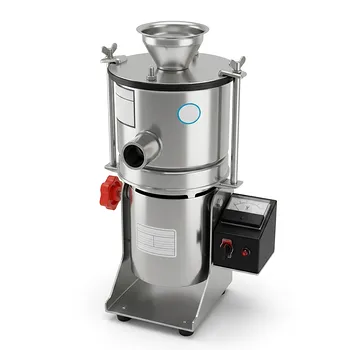
Air Guided Ultrafine Pulverizer High Speed Laboratory Powder Grinder for Chemical and Material Processing
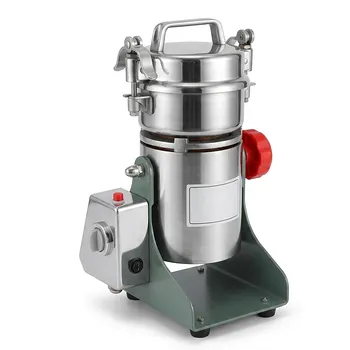
High Speed Swing Type Laboratory Pulverizer for Fine Powder Grinding and Sample Preparation
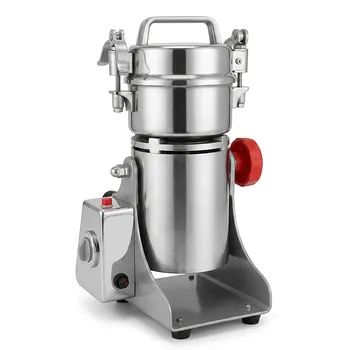
Industrial High Speed Small Sample Pulverizer Swing Type Laboratory Grinder for Powder Processing
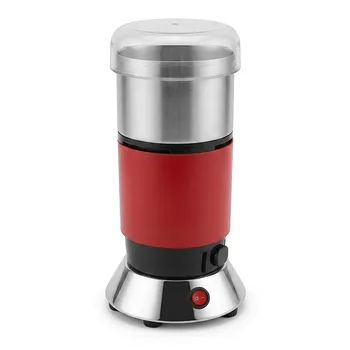
Micro Solid Sample Grinder High Speed Pulverizer for Laboratory Small Batch Grinding
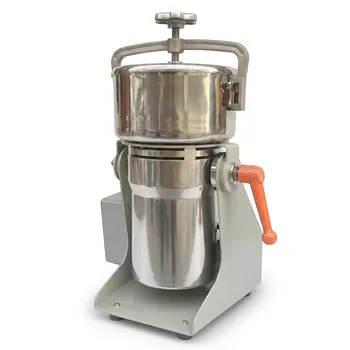
High Speed Laboratory Grinder Efficient Stainless Steel Powder Pulverizer Universal Material Science Mill for Sample Preparation
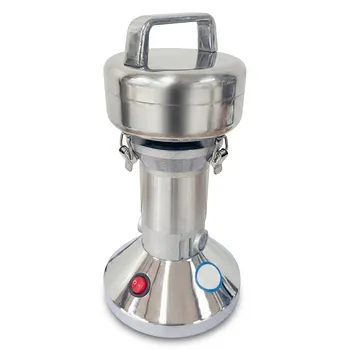
Small Trace Sample High Speed Pulverizer Grinder Laboratory Powder Mill
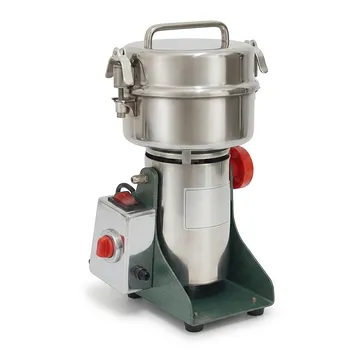
Small High Speed Grinder for Laboratory Sample Preparation
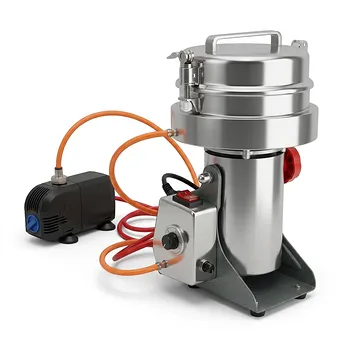
Water Cooled High Speed Grinder with Cryogenic Option for Laboratory Sample Preparation
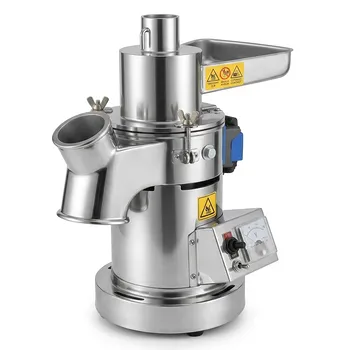
Continuous Feeding Grinder High Efficiency Pulverizer for Lab Sample Preparation
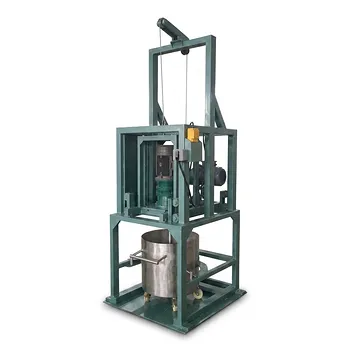
High-Speed Simple Disperser for Efficient Mixing, Dispersion, and Emulsification
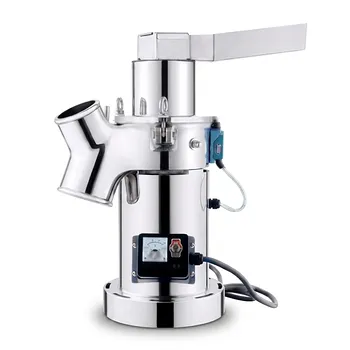
Airflow Ultrafine Pulverizer for Laboratory Ultra-fine Grinding
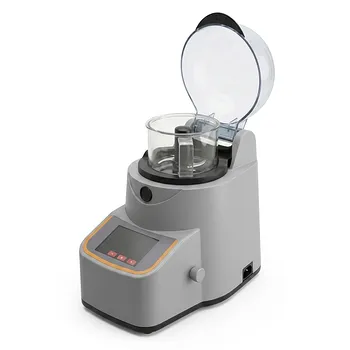
Industrial Knife Mill for Food and Biological Sample Preparation High Speed Laboratory Homogenizer
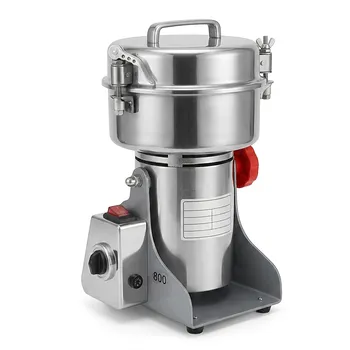
Small High-Speed Laboratory Grinder for Rapid Sample Preparation
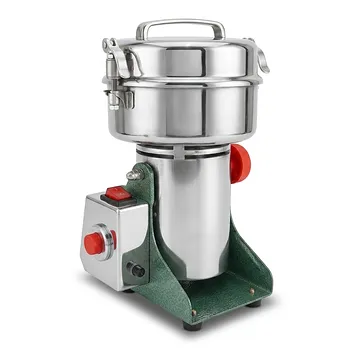
Small High-Speed Laboratory Grinder for Powder Processing
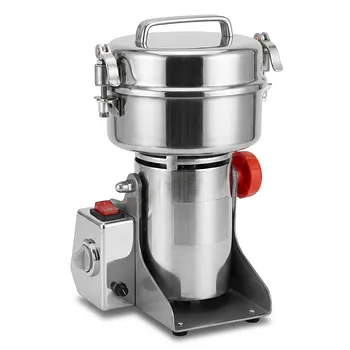
High Speed Laboratory Powder Grinder Small Batch Sample Preparation Mill
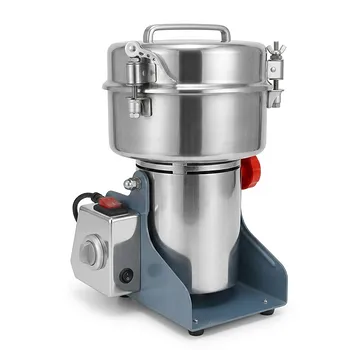
Small High-Speed Grinder for Efficient Laboratory Sample Preparation
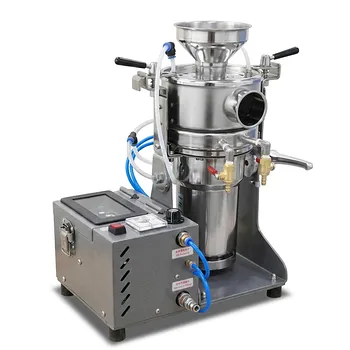
Water Cooled Pulse Jet Ultrafine Grinder
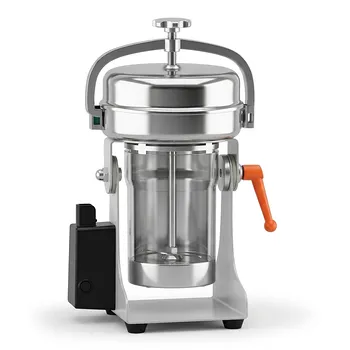
High Efficiency High Speed Grinder 2200W 25000 RPM Laboratory Sample Preparation
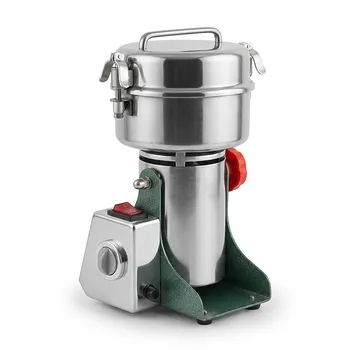
Small High-Speed Swing Grinder for Laboratory Sample Preparation