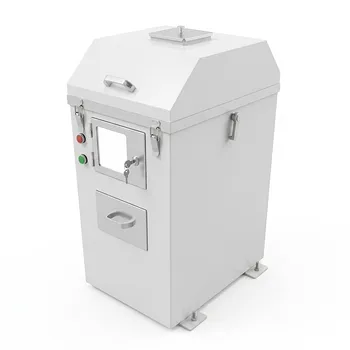
What is the role of a high-speed crusher in the raw material pretreatment of natural zeolite adsorbents? Optimize Prep
Updated 4 months ago
The high-speed crusher is the primary engine for transforming bulk zeolite ore into a high-performance adsorbent. By utilizing intense impact and shear forces, this equipment rapidly reduces particle size and exponentially increases the specific surface area of the raw material. This physical transformation is the essential prerequisite for accelerating ion exchange reactions and ensuring the material is suitable for precise screening.
The high-speed crusher serves as the critical link between raw mineral extraction and chemical activation. It optimizes the physical structure of zeolite to maximize its adsorption capacity and ensures a uniform material feed for all subsequent processing stages.
Mechanical Transformation via Impact and Shear
High-speed crushers operate through rapid rotation, which generates powerful mechanical forces. These forces effectively pulverize bulk zeolite ore into a fine powder by overcoming the mineral's internal structural bonds.
This mechanical reduction is far more efficient than primary crushing methods like jaw or roll crushing. It provides a highly consistent feed size that is necessary for secondary grinding or laboratory-scale testing.
By transforming bulky minerals into processable particles, the crusher establishes the foundational geometry required for industrial use. This standardization is vital for ensuring that the final adsorbent meets strict grading specifications.
Maximizing Adsorption and Ion Exchange
The primary goal of crushing zeolite is to increase its specific surface area. A larger surface area allows for greater contact between the adsorbent and the target contaminants in a solution.
This process exposes the zeolite’s internal crystalline pores and active sites. Once these sites are accessible, the material can much more effectively capture heavy metals, such as lead ions, through ion exchange reactions.
Reduced particle size also significantly improves dissolution efficiency. By breaking down the macroscopic structure, the high-speed crusher prepares the material for rapid chemical reactivity during subsequent treatment phases.
Workflow Integration and Sample Uniformity
In a laboratory or industrial setting, high-speed crushers are used to prepare materials for ball mill feeding. Maintaining a consistent input size is critical for reducing systematic errors in performance evaluations like the Bond Work Index.
The equipment allows for the rapid production of standardized raw materials. This ensures that subsequent screening and grading analysis are accurate and reproducible across different batches.
Using high-precision crushers improves overall sample preparation efficiency. It replaces labor-intensive manual methods with a controlled mechanical process that guarantees a more uniform product.
Understanding the Trade-offs
High-speed crushing can lead to over-pulverization, creating "fines" or dust that may be difficult to recover during the screening process. This loss of material can impact the total yield of the final adsorbent product.
The intense mechanical energy of high-speed rotation generates frictional heat. If not managed, this heat can potentially alter the hydration state or structural integrity of sensitive natural zeolites.
Zeolite is an abrasive mineral, which leads to significant wear and tear on the crusher's internal components. Regular maintenance and the use of hardened contact materials are necessary to prevent sample contamination from the equipment itself.
How to Apply This to Your Project
Effective pretreatment is the difference between a sluggish adsorbent and a highly reactive material. Your choice of crushing parameters should align with your specific performance requirements.
- If your primary focus is maximum adsorption kinetics: Utilize high-speed crushing to achieve the finest possible powder, thereby exposing the maximum number of active crystalline sites.
- If your primary focus is process scalability: Use the high-speed crusher to produce a uniform feed size (e.g., passing a 14mm sieve) to ensure consistency in large-scale mix proportioning.
- If your primary focus is laboratory accuracy: Focus on the equipment’s ability to reduce systematic error by producing a highly uniform particle size distribution for performance testing.
Proper mechanical pretreatment ensures that natural zeolite can reach its full potential as a high-capacity environmental filter.
Summary Table:
| Key Function | Impact on Zeolite Material | Processing Benefit |
|---|---|---|
| Mechanical Reduction | Rapidly breaks down bulk ore via impact/shear | Efficiently creates fine, processable powders |
| Surface Expansion | Exponentially increases specific surface area | Maximizes active sites for ion exchange |
| Workflow Integration | Standardizes feed size for secondary milling | Reduces systematic errors in performance tests |
| Structural Activation | Exposes internal crystalline pores | Accelerates chemical reactivity and dissolution |
Maximize Your Adsorbent Performance with Precision Sample Prep
Achieving superior ion exchange and adsorption rates starts with optimized mechanical pretreatment. We provide complete laboratory sample preparation solutions tailored for material science and high-precision powder processing.
From mineral extraction to final analysis, our equipment ensures consistency and efficiency:
- Advanced Crushing & Milling: High-speed crushers, jaw/roll crushers, and cryogenic grinders, plus planetary ball, jet, and rotor mills.
- Powder Classification: Vibratory and air-jet sieve shakers for precise grading.
- Premium Compaction: A full range of hydraulic presses, including Cold/Warm Isostatic Presses (CIP/WIP), vacuum hot presses, and XRF pellet presses.
Ready to elevate your research or production efficiency? Contact our technical team today to find the perfect equipment solution for your specific material requirements!
References
- Ryuichi Egashira, Hiroaki Habaki. Removal of Heavy Metals from Model Mine Wastewater by Adsorption Using Mongolian Natural Zeolites. DOI: 10.1252/jcej.12we137
Mentioned Products
- High Speed Small Laboratory Crusher for Dry Material Sample Preparation
- Small High Speed Grinder for Laboratory Sample Preparation
- Small High-Speed Swing Grinder for Laboratory Sample Preparation
- Water Cooled High Speed Grinder with Cryogenic Option for Laboratory Sample Preparation
- Small High-Speed Laboratory Grinder for Rapid Sample Preparation
People Also Ask
- What is the primary function of laboratory-scale crushers in the pre-treatment stage of iron ore bio-dephosphorization?
- Lab Crusher's Role in Banana Stem Cellulose Extraction? Enhance Your Raw Material Preparation Now
- What is the primary role of laboratory crushers in the recycling process of inorganic old sand? Essential for Sand Reuse
- What role do high-precision laboratory crushers play in mineral sample preparation? Ensure Accuracy & Feed Uniformity.
- What is the role of a laboratory crusher or grinder in activated carbon preparation? Optimize biomass for high porosity.

Tech Team · PowderPreparation
Last updated on May 14, 2026
Related Products
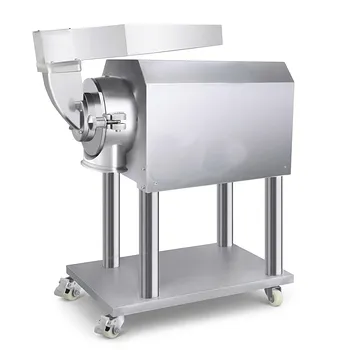
High Speed Small Laboratory Crusher for Dry Material Sample Preparation
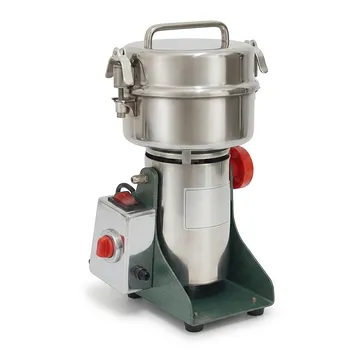
Small High Speed Grinder for Laboratory Sample Preparation
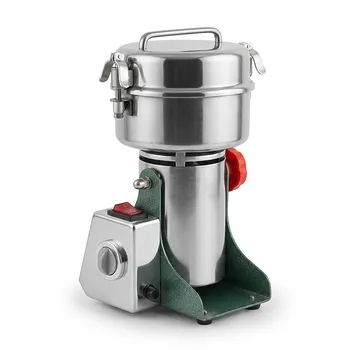
Small High-Speed Swing Grinder for Laboratory Sample Preparation
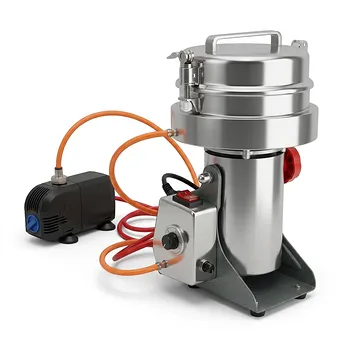
Water Cooled High Speed Grinder with Cryogenic Option for Laboratory Sample Preparation
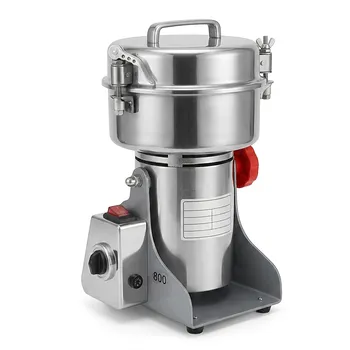
Small High-Speed Laboratory Grinder for Rapid Sample Preparation
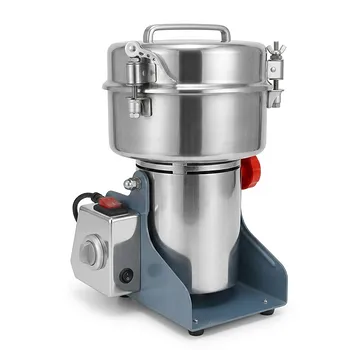
Small High-Speed Grinder for Efficient Laboratory Sample Preparation
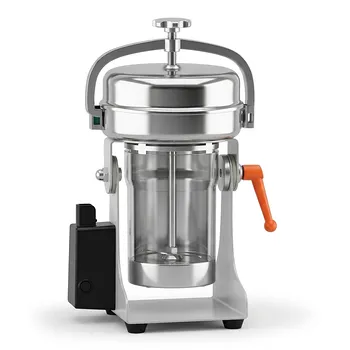
High Efficiency High Speed Grinder 2200W 25000 RPM Laboratory Sample Preparation
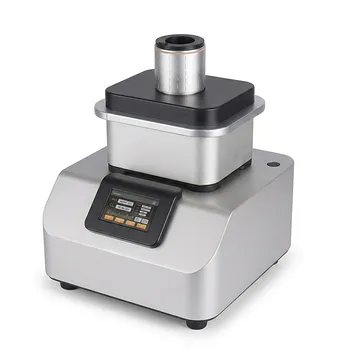
Ultra Centrifugal Mill High Speed Laboratory Grinder for Fibrous and Brittle Sample Preparation
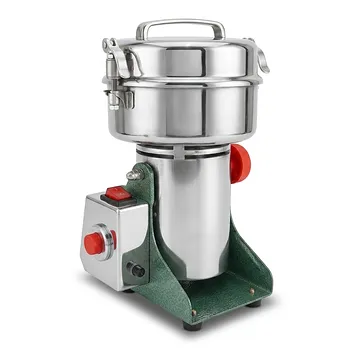
Small High-Speed Laboratory Grinder for Powder Processing
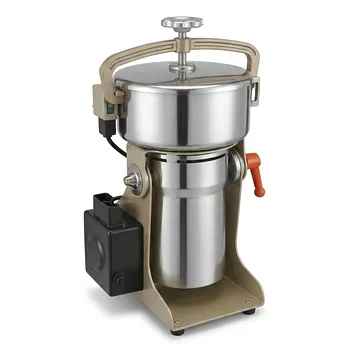
Multifunctional High Efficiency High Speed Laboratory Grinder
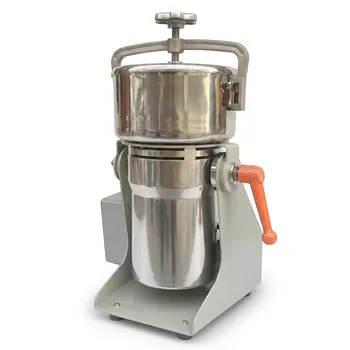
High Speed Laboratory Grinder Efficient Stainless Steel Powder Pulverizer Universal Material Science Mill for Sample Preparation
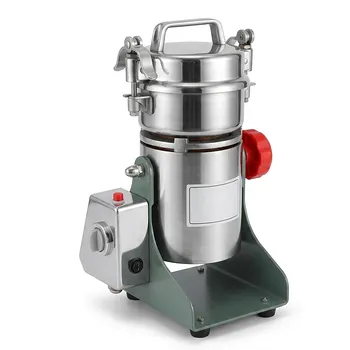
High Speed Swing Type Laboratory Pulverizer for Fine Powder Grinding and Sample Preparation
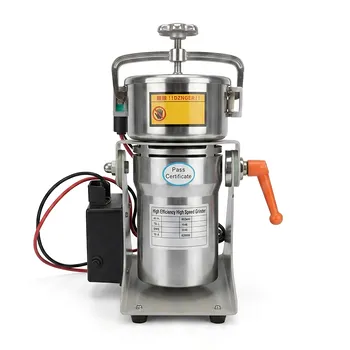
High Efficiency High Speed Grinder Laboratory Mill 1300W 25000rpm
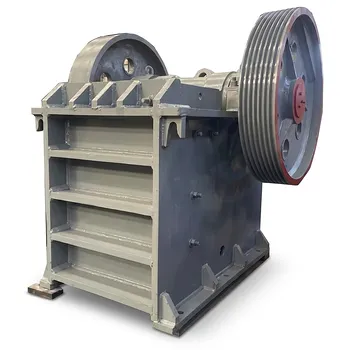
Heavy-Duty Jaw Crusher for Medium-Hard Ore and Industrial Mineral Crushing
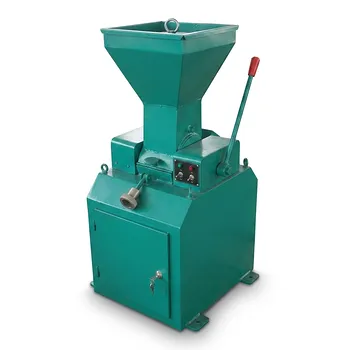
Laboratory Sealed Hammer Crusher for Coal and Mineral Sample Preparation
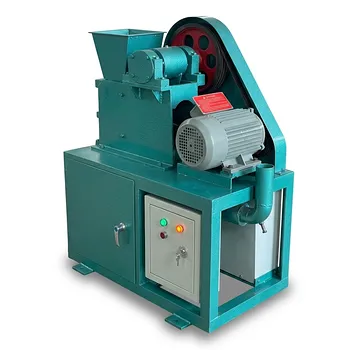
EP-B Type Sealed Jaw Crusher for Laboratory Sample Preparation
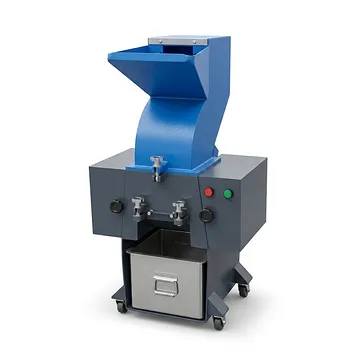
Heavy-Duty Crusher for Laboratory and Industrial Material Size Reduction
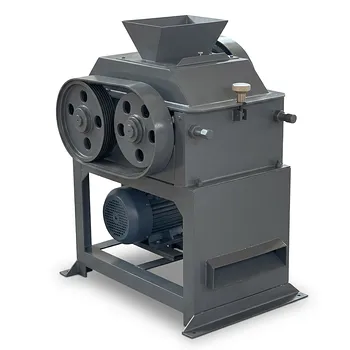
Sealed Laboratory Double Roll Crusher for Coal, Mineral, Ore Sample Preparation
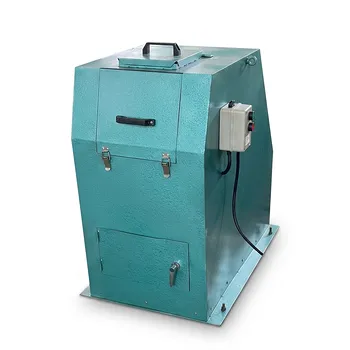
Environmentally Friendly Sealed Laboratory Jaw Crusher for Sample Preparation