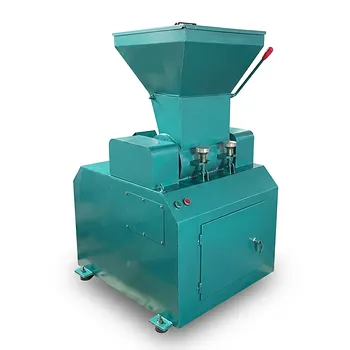
What is the primary role of laboratory crushers in the recycling process of inorganic old sand? Essential for Sand Reuse
Updated 4 months ago
The primary role of laboratory crushers in recycling inorganic old sand is the mechanical disintegration of hardened sand blocks into a loose, granular state.
This process reverses the effects of thermal loads that cause sand to bond during the casting process. By restoring the material to its original loose form, these crushers create a fundamental prerequisite for subsequent grain size analysis and the successful preparation of new molding sand mixtures.
Core Takeaway: Laboratory crushers serve as the essential bridge between unusable thermal waste and reusable raw material. They provide the mechanical energy needed to liberate individual sand grains, ensuring that recycled aggregates meet the precision standards required for both experimental testing and new mold production.
Restoring Material Integrity for Reuse
Overcoming Thermal Bonding
During the casting process, inorganic sand is subjected to high thermal loads that cause it to harden into solid blocks. These blocks cannot be directly reused or analyzed because the individual grains are fused or tightly packed.
Conversion to Loose Sand
Laboratory crushers apply mechanical force—typically through compression or impact—to break these hardened bonds. This restores the material to a loose state, which is the necessary physical form for any further processing or recycling.
Facilitating Grain Size Analysis
Accurate grain size analysis is impossible when sand is in block form. By reducing the material to its constituent grains, the laboratory crusher allows technicians to verify the grading requirements and ensure the recycled sand meets specific industrial standards.
Precision and Representative Sampling
Ensuring Sample Uniformity
Unlike large-scale industrial equipment, laboratory crushers focus on precision and repeatability. They are designed to produce a uniform particle size, which is critical for ensuring that small test samples are truly representative of the larger bulk material.
Preventing Sample Contamination
In a laboratory setting, the prevention of contamination is paramount. These machines are engineered for easy cleaning and high-purity processing, ensuring that the chemical composition of the inorganic sand is not altered during the crushing phase.
Reducing Downstream Load
By performing primary size reduction, laboratory crushers prepare the material for fine grinding or pulverization. This tiered approach reduces mechanical wear on more delicate laboratory equipment used in the final stages of material testing.
Understanding the Trade-offs
Mechanical Stress vs. Grain Integrity
A common pitfall in the recycling process is over-crushing, which can fracture the actual sand grains rather than just breaking the binder bonds. While mechanical disintegration is necessary, excessive force can alter the sand's physical properties and reduce its quality for reuse.
Scalability and Throughput Limits
Laboratory crushers are optimized for accuracy over volume. While they provide the highest quality samples for analysis, they cannot match the throughput of industrial jaw or roll crushers used in large-scale resource utilization of construction or foundry waste.
Maintenance and Wear
The abrasive nature of inorganic sand, which often contains minerals and ceramics, leads to significant wear on crushing surfaces. Regular calibration and part replacement are required to maintain the consistent particle size distribution needed for scientific validation.
How to Apply This to Your Project
Making the Right Choice for Your Goal
To maximize the efficiency of your sand recycling workflow, consider how the crushing stage impacts your final results.
- If your primary focus is Grain Size Analysis: Ensure the crusher's discharge gap is precisely calibrated to avoid fracturing individual grains while fully disintegrating blocks.
- If your primary focus is Mixture Preparation: Prioritize crushers that offer high repeatability to ensure the consistency of the loose sand before adding new binders.
- If your primary focus is Resource Recovery Testing: Use laboratory-scale versions of industrial equipment (like jaw crushers) to more accurately simulate the results of a full-scale recycling plant.
By strategically utilizing laboratory crushers, you transform thermal waste into a high-precision raw material ready for the next generation of casting applications.
Summary Table:
| Key Role | Description | Impact on Quality |
|---|---|---|
| Mechanical Disintegration | Breaks thermal bonds to restore sand to a loose, granular state | Prerequisite for all reuse processes |
| Grain Size Analysis | Liberates individual grains for accurate measurement and grading | Ensures sand meets industrial standards |
| Sample Uniformity | Produces representative samples through controlled size reduction | Guarantees precision and repeatability |
| Contamination Control | Engineered for easy cleaning and high-purity processing | Protects the sand's chemical integrity |
Transform Thermal Waste into High-Precision Raw Material with [Brand Name]
Precision in sample preparation is the foundation of reliable material science. At [Brand Name], we provide complete laboratory sample preparation solutions specializing in powder processing and compaction.
Our extensive equipment line is designed to handle every stage of your workflow:
- Crushing & Grinding: Jaw and roll crushers for primary reduction, plus liquid nitrogen cryogenic grinders, planetary ball mills, and jet mills for fine processing.
- Sieving & Mixing: Sieve shakers (vibratory/air-jet) and specialized powder or defoaming mixers.
- Compaction & Pressing: A full spectrum of hydraulic presses, including Cold/Warm Isostatic Presses (CIP/WIP), XRF pellet presses, and vacuum hot presses.
Whether you are refining inorganic sand or developing new materials, we offer the technical expertise and robust machinery your lab requires. Contact us today to discuss your specific application and discover how our solutions can enhance your research and production efficiency.
References
- Viktória Dargai, László Varga. Investigation of the Granulometric and Mechanical Properties of Inorganic Used Sand. DOI: 10.21791/ijems.2020.2.34.
Mentioned Products
- High Speed Small Laboratory Crusher for Dry Material Sample Preparation
- 150×125mm Laboratory Jaw Crusher for Medium and Fine Crushing of Brittle Materials
- Custom Raised Height Laboratory Jaw Crusher for Precision Sample Preparation in Material Science
- Laboratory Jaw Crusher 2025 Model for Ore and Brittle Material Crushing
- Laboratory Sealed Hammer Crushers for Coal Sample Preparation and Medium Strength Material Crushing
People Also Ask
- What is the primary function of laboratory-scale crushers in the pre-treatment stage of iron ore bio-dephosphorization?
- Lab Crusher's Role in Banana Stem Cellulose Extraction? Enhance Your Raw Material Preparation Now
- What role do high-precision laboratory crushers play in mineral sample preparation? Ensure Accuracy & Feed Uniformity.
- What is the role of a laboratory crusher or grinder in activated carbon preparation? Optimize biomass for high porosity.
- Why use lab mills for corncob size reduction? Boost activated carbon surface area and activation efficiency.

Tech Team · PowderPreparation
Last updated on Jun 03, 2026
Related Products
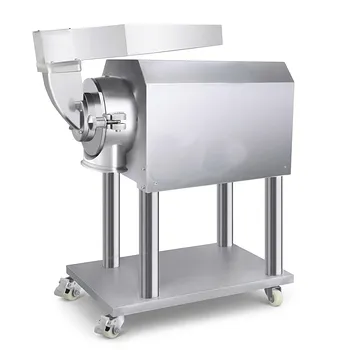
High Speed Small Laboratory Crusher for Dry Material Sample Preparation
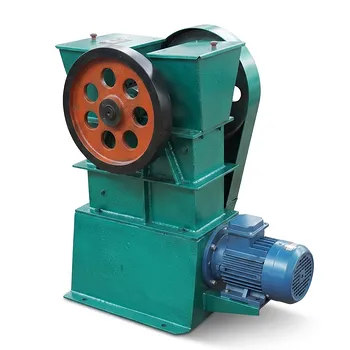
150×125mm Laboratory Jaw Crusher for Medium and Fine Crushing of Brittle Materials
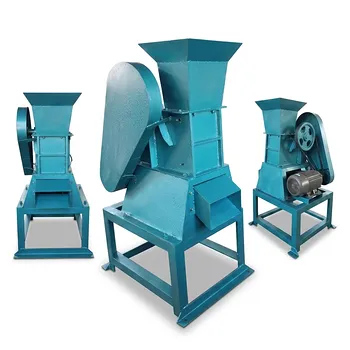
Custom Raised Height Laboratory Jaw Crusher for Precision Sample Preparation in Material Science
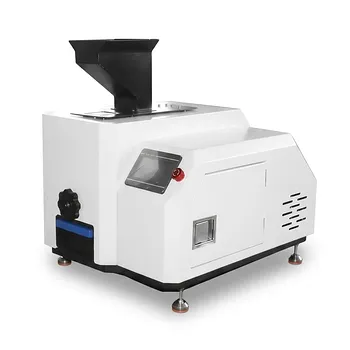
Laboratory Jaw Crusher 2025 Model for Ore and Brittle Material Crushing
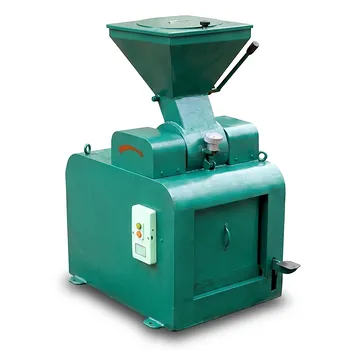
Laboratory Sealed Hammer Crushers for Coal Sample Preparation and Medium Strength Material Crushing
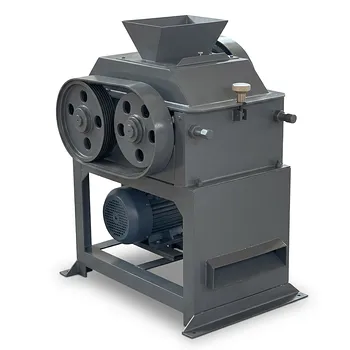
Sealed Laboratory Double Roll Crusher for Coal, Mineral, Ore Sample Preparation
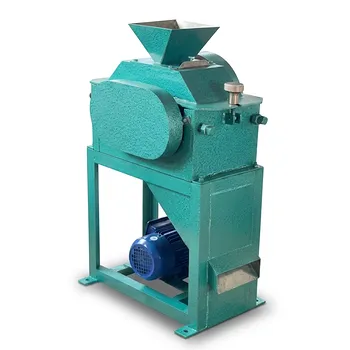
Laboratory Double Roll Crusher for Medium Hardness Materials Coal Ore Sample Preparation
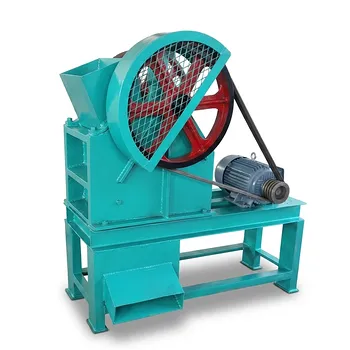
150x250mm Custom Laboratory Jaw Crusher for Coal Ore Mineral Crushing
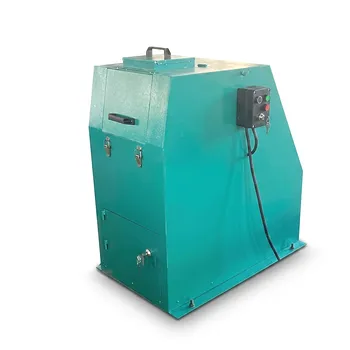
Environmentally Friendly Sealed Jaw Crusher for Laboratory Sample Preparation
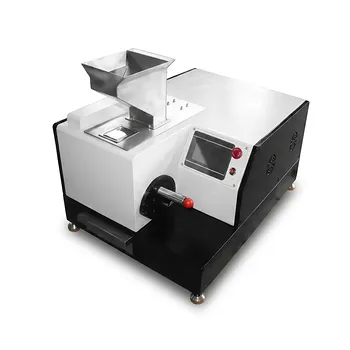
Experimental Jaw Crusher for Laboratory Ore Crushing and Sample Preparation
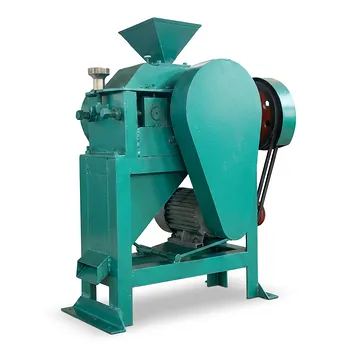
Laboratory Sealed Double Roll Crusher for Coal Ore Rock and Medium Hardness Materials Sample Preparation
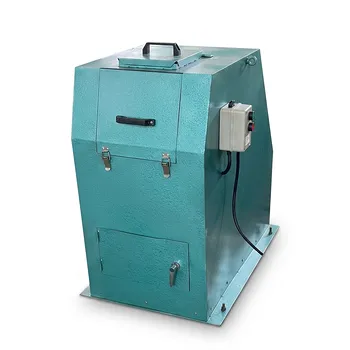
Environmentally Friendly Sealed Laboratory Jaw Crusher for Sample Preparation
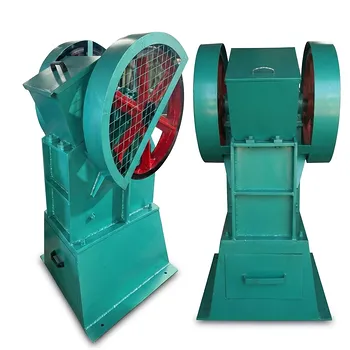
Sealed Jaw Crusher for Laboratory Material Crushing and Sample Preparation
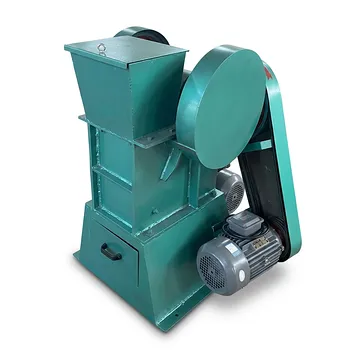
Small Laboratory Jaw Crusher 150x200mm Feed Opening for Sample Preparation and Medium Fine Crushing
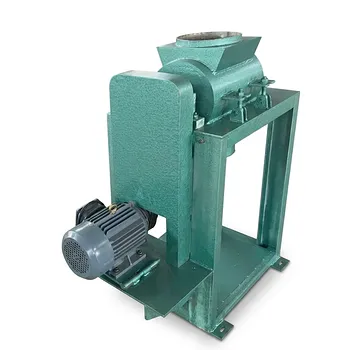
Customized Sealed Laboratory Hammer Crusher for Coal and Medium Hardness Sample Preparation
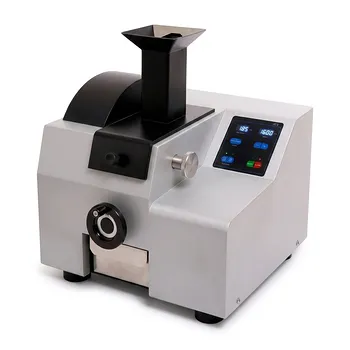
Laboratory Benchtop Jaw Crusher for Hard Brittle Materials Primary Size Reduction and Sample Preparation
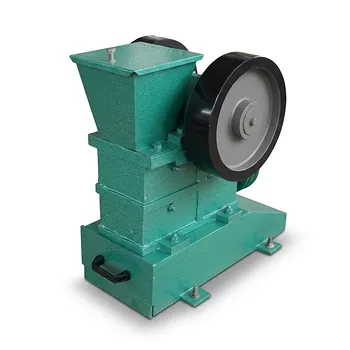
Laboratory Small Jaw Crusher 100x60mm
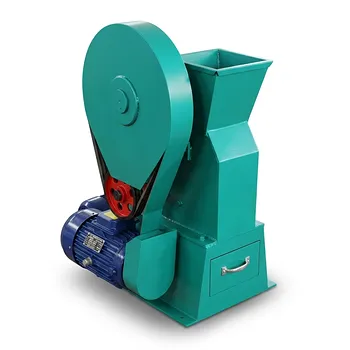
Small Laboratory Jaw Crusher 125x100mm Feed Opening for Sample Preparation
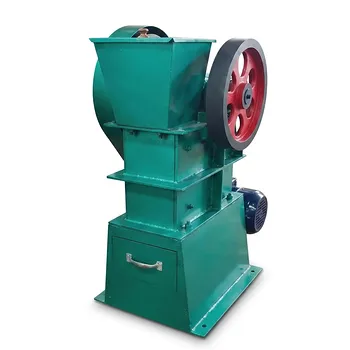
EP Series Small Jaw Crusher for Laboratory Sample Preparation