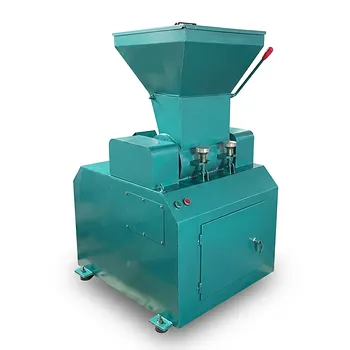
Lab Crusher's Role in Banana Stem Cellulose Extraction? Enhance Your Raw Material Preparation Now
Updated 5 months ago
The primary function of a laboratory crusher is to reduce dried banana pseudo-stem slices into fine particles. This mechanical action significantly increases the specific surface area of the raw material and disrupts the naturally dense structure of the plant fibers. These physical changes are essential for ensuring that subsequent chemical reagents or biological enzymes can penetrate the material efficiently during the cellulose extraction process.
By transforming bulk biomass into a uniform powder, the laboratory crusher acts as a critical catalyst for chemical reactivity, ensuring that extraction processes are both rapid and thorough.
The Role of Mechanical Pretreatment in Cellulose Extraction
Increasing Specific Surface Area
The crushing process breaks down large, dried slices into a fine particulate form. This drastic increase in specific surface area allows for a higher number of contact points between the biomass and the extraction solvents.
Disruption of the Lignocellulosic Matrix
Banana pseudo-stems possess a dense, organized fiber structure that naturally resists penetration. Mechanical crushing disrupts these physical barriers, making the internal cellulose chains more accessible for downstream processing.
Impact on Downstream Processing Efficiency
Optimization of Chemical Penetration
When the material is reduced to fine particles, chemical reagents can move through the sample more uniformly. This prevents "dead zones" where large chunks of material might remain unreacted, leading to a higher yield of pure cellulose.
Improving Enzymatic Accessibility
If biological enzymes are used for extraction, the reduced particle size is even more critical. Enzymes are large molecules that require easy access to bond sites; the structural disruption caused by the crusher facilitates this binding process.
Understanding the Trade-offs
Risk of Thermal Degradation
High-speed crushing can generate significant heat due to friction. If the temperature is not monitored, it may cause thermal degradation of the cellulose fibers or other heat-sensitive components, potentially altering the experimental results.
Fine Particle Loss and Contamination
In a laboratory setting, precision is paramount to avoid sample contamination. While reducing particle size is beneficial, overly aggressive crushing can lead to the loss of material as dust or the introduction of trace metallic impurities from the crusher's grinding components.
Optimizing the Crushing Process for Your Research
To achieve the best results in cellulose extraction, the crushing stage must be tailored to the specific requirements of your laboratory workflow.
- If your primary focus is Maximum Extraction Yield: Utilize a high-speed setting to achieve the finest possible particle size, thereby maximizing the total surface area available for chemical reactions.
- If your primary focus is Maintaining Fiber Integrity: Use a slower, incremental crushing approach to minimize heat generation and prevent the mechanical fracturing of the individual cellulose chains.
- If your primary focus is Analytical Precision: Ensure the crusher is equipped with hardened, non-reactive surfaces (such as ceramic or stainless steel) to prevent sample contamination between batches.
Mechanical reduction is the foundational step that determines the speed, uniformity, and ultimate success of the cellulose extraction journey.
Summary Table:
| Feature | Function in Cellulose Extraction | Impact on Research |
|---|---|---|
| Particle Reduction | Converts bulk biomass into fine powder | Increases specific surface area for reactions |
| Structural Disruption | Breaks down dense lignocellulosic matrix | Improves penetration of chemical/enzymatic agents |
| Uniformity | Ensures consistent particle size distribution | Eliminates "dead zones" and maximizes total yield |
| Process Control | Adjustable speed and grinding media | Minimizes thermal degradation and contamination |
Maximize Your Research Efficiency with Precision Sample Preparation
Elevate your material science workflows with complete laboratory solutions from [Brand Name]. We specialize in high-performance powder processing and compaction equipment designed to meet the rigorous demands of biomass extraction and advanced material research.
Our extensive product line includes:
- Size Reduction: High-efficiency crushers (jaw/roll), liquid nitrogen cryogenic grinders, and versatile mills (planetary ball, jet, sand/bead, disc, rotor).
- Classification & Mixing: Vibratory and air-jet sieve shakers, plus a variety of powder and defoaming mixers.
- Compaction & Pressing: A full spectrum of hydraulic presses, including Cold/Warm Isostatic Presses (CIP/WIP), XRF pellet presses, and vacuum hot presses.
Whether you are optimizing cellulose extraction yield or preparing high-purity samples, our equipment ensures the consistency and reliability your research deserves.
Contact our experts today to find the perfect solution for your lab!
References
- Rosa E. A. Nascimento, Luísa A. Neves. Extraction and Characterization of Cellulose Obtained from Banana Plant Pseudostem. DOI: 10.3390/cleantechnol5030052
Mentioned Products
- High Speed Small Laboratory Crusher for Dry Material Sample Preparation
- 150×125mm Laboratory Jaw Crusher for Medium and Fine Crushing of Brittle Materials
- Custom Raised Height Laboratory Jaw Crusher for Precision Sample Preparation in Material Science
- Laboratory Jaw Crusher 2025 Model for Ore and Brittle Material Crushing
- Laboratory Sealed Hammer Crushers for Coal Sample Preparation and Medium Strength Material Crushing
People Also Ask
- What is the primary function of laboratory-scale crushers in the pre-treatment stage of iron ore bio-dephosphorization?
- What is the primary role of laboratory crushers in the recycling process of inorganic old sand? Essential for Sand Reuse
- What role do high-precision laboratory crushers play in mineral sample preparation? Ensure Accuracy & Feed Uniformity.
- What is the role of a laboratory crusher or grinder in activated carbon preparation? Optimize biomass for high porosity.
- Why use lab mills for corncob size reduction? Boost activated carbon surface area and activation efficiency.

Tech Team · PowderPreparation
Last updated on May 14, 2026
Related Products
High Speed Small Laboratory Crusher for Dry Material Sample Preparation
150×125mm Laboratory Jaw Crusher for Medium and Fine Crushing of Brittle Materials
Custom Raised Height Laboratory Jaw Crusher for Precision Sample Preparation in Material Science
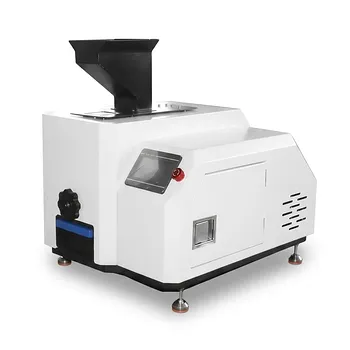
Laboratory Jaw Crusher 2025 Model for Ore and Brittle Material Crushing
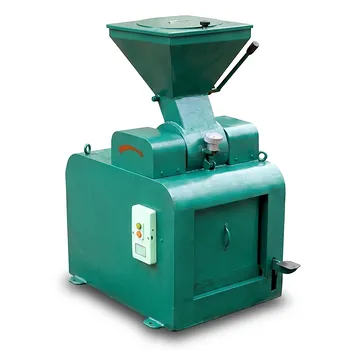
Laboratory Sealed Hammer Crushers for Coal Sample Preparation and Medium Strength Material Crushing
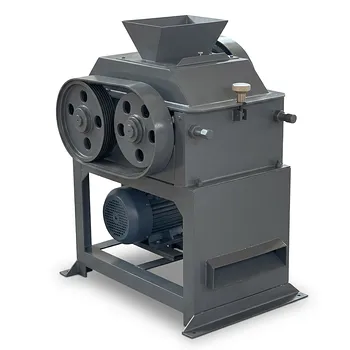
Sealed Laboratory Double Roll Crusher for Coal, Mineral, Ore Sample Preparation
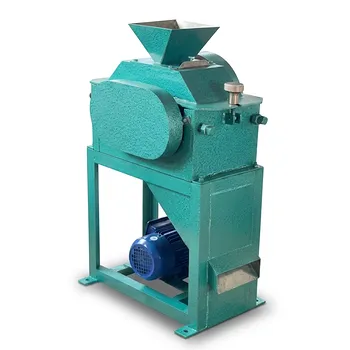
Laboratory Double Roll Crusher for Medium Hardness Materials Coal Ore Sample Preparation
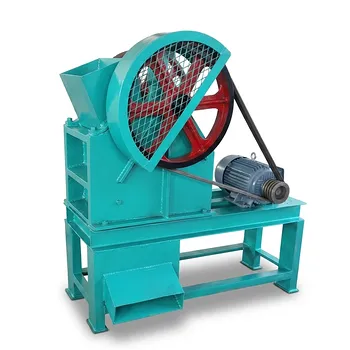
150x250mm Custom Laboratory Jaw Crusher for Coal Ore Mineral Crushing
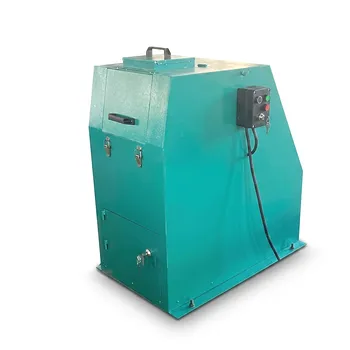
Environmentally Friendly Sealed Jaw Crusher for Laboratory Sample Preparation
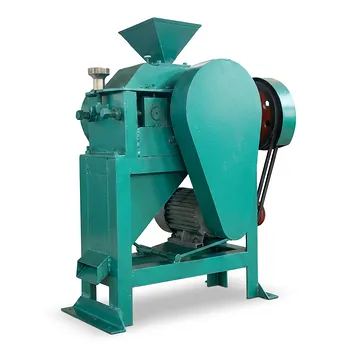
Laboratory Sealed Double Roll Crusher for Coal Ore Rock and Medium Hardness Materials Sample Preparation
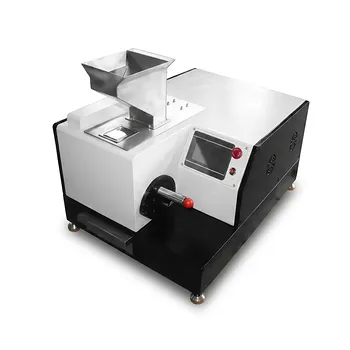
Experimental Jaw Crusher for Laboratory Ore Crushing and Sample Preparation
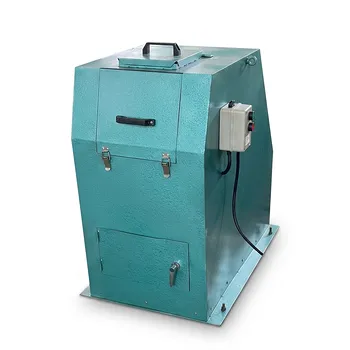
Environmentally Friendly Sealed Laboratory Jaw Crusher for Sample Preparation
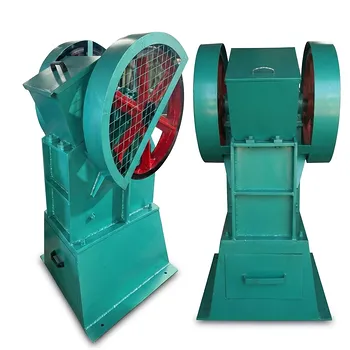
Sealed Jaw Crusher for Laboratory Material Crushing and Sample Preparation
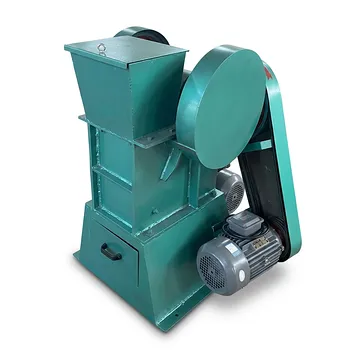
Small Laboratory Jaw Crusher 150x200mm Feed Opening for Sample Preparation and Medium Fine Crushing
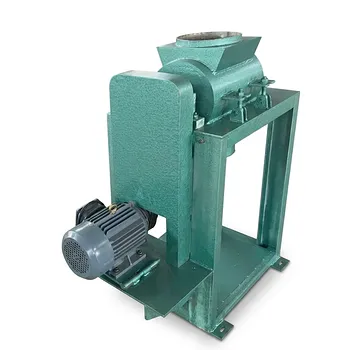
Customized Sealed Laboratory Hammer Crusher for Coal and Medium Hardness Sample Preparation
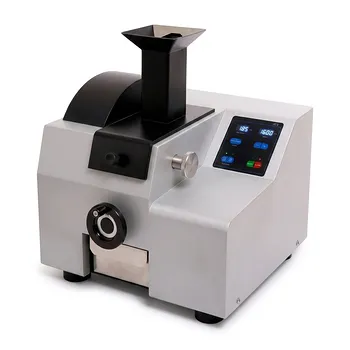
Laboratory Benchtop Jaw Crusher for Hard Brittle Materials Primary Size Reduction and Sample Preparation
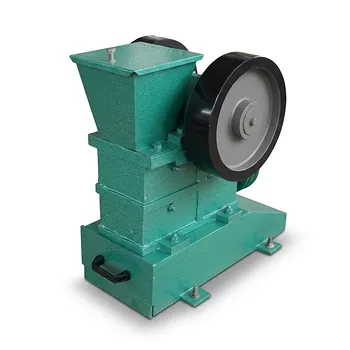
Laboratory Small Jaw Crusher 100x60mm
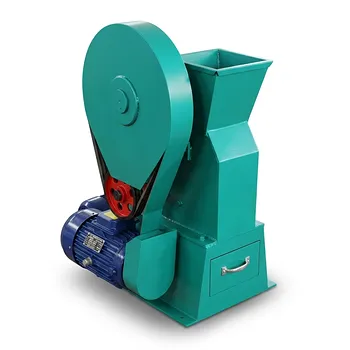
Small Laboratory Jaw Crusher 125x100mm Feed Opening for Sample Preparation
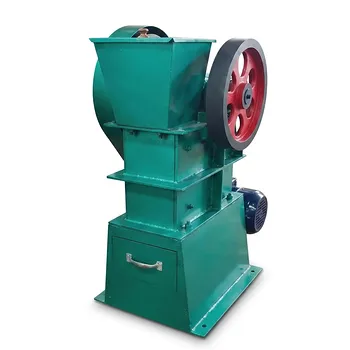
EP Series Small Jaw Crusher for Laboratory Sample Preparation