What role do high-precision laboratory crushers play in mineral sample preparation? Ensure Accuracy & Feed Uniformity.
Updated 4 months ago
High-precision laboratory crushers serve as the critical bridge between raw mineral extraction and scientific analysis. They transform bulk ore into a standardized, uniform feed size—typically ranging from 3.327mm to 6mm—required for secondary grinding and metallurgical testing. This mechanical reduction ensures that subsequent evaluations, such as the Bond Work Index, are free from systematic errors caused by inconsistent particle distribution.
Laboratory crushers provide the essential physical foundation for mineralogy by ensuring feed uniformity and sample representativeness. By automating the transition from large ore fragments to precisely sized particles, these tools eliminate manual variance and optimize the energy efficiency of the entire analytical workflow.
Establishing Feed Uniformity and Standardized Particle Size
Bridging the Gap to Secondary Grinding
High-precision crushers use mechanical compression and impact forces to reduce the size of large raw ores to a granularity suitable for secondary systems. This stage is vital because secondary equipment, such as Bond ball mills or stirred mills, requires a specific, narrow range of input sizes to operate effectively.
Facilitating Multi-Stage Reduction
The pre-treatment process often utilizes a multi-stage approach, starting with industrial-grade jaw crushers for primary reduction of large fragments. Roll crushers then perform secondary crushing, further refining the material to a precise 4 to 6 mm range, which lightens the workload for fine grinding stages.
Enabling Effective Homogenization
Reducing ore to a standardized grain size, such as passing through a 3.327mm sieve, is necessary for effective sample splitting and homogenization. This ensure that the small sub-samples used in chemical analysis are truly representative of the original bulk material.
Enhancing Analytical Accuracy and Representativeness
Eliminating Systematic Errors in Metallurgical Testing
Maintaining a consistent feed size is essential for reducing systematic errors during grinding performance evaluations. Without this precision, tests like the Bond Work Index would produce unreliable data, complicating the calculation of energy requirements for full-scale mining operations.
Preparing Samples for Advanced Mineralogical Analysis
For techniques like X-ray diffraction (XRD), crushers and mills transform cuttings into a uniform powder to eliminate the preferred orientation effect. This increases the contact probability between crystal diffraction planes and the incident beam, significantly improving the accuracy of mineral identification.
Standardizing Surface Area for Experimental Physics
In adsorption experiments, crushers provide a standardized specific surface area by reducing particles to a uniform powder. This level of control is necessary to ensure that physical and chemical characterizations of minerals, such as barite or clay, are repeatable and scientifically valid.
Understanding the Trade-offs and Operational Limits
Contamination Risks and Equipment Wear
While high-precision crushers improve uniformity, the high-energy contact between the machine and the ore can introduce metallic contamination. Users must carefully select the material of the crushing plates (e.g., tungsten carbide or hardened steel) to avoid compromising the chemical integrity of the sample.
The Risk of Over-Crushing
Excessive crushing can generate a high volume of ultra-fine particles (fines), which may not be desirable for all types of analysis. In certain physical separation experiments, an abundance of fines can alter the material's behavior, potentially leading to inaccurate recovery predictions.
How to Apply This to Your Mineral Preparation Project
Choosing the Right Tool for Your Analysis
- If your primary focus is grinding performance (Bond Work Index): Prioritize a crusher that produces a consistent 3.327mm feed to ensure standardized input for the ball mill.
- If your primary focus is mineralogical identification (XRD): Utilize a laboratory mill that can produce an ultra-fine, uniform powder to eliminate particle orientation bias.
- If your primary focus is bulk ore characterization: Use a multi-stage approach with a jaw crusher followed by a roll crusher to achieve a representative 4-6mm distribution.
Precision in the crushing stage is the most cost-effective way to ensure the integrity of your entire downstream analytical workflow.
Summary Table:
| Stage/Application | Crusher Type | Key Role in Pre-treatment |
|---|---|---|
| Primary Reduction | Jaw Crusher | Breaks down large bulk ore fragments into manageable sizes. |
| Secondary Reduction | Roll Crusher | Refines material to a precise 4-6mm range for secondary grinding. |
| Metallurgical Testing | Precision Crusher | Standardizes feed to 3.327mm for accurate Bond Work Index data. |
| Mineralogical Analysis | Lab Mill / Crusher | Homogenizes samples and eliminates orientation effects for XRD. |
| Homogenization | Sieve-Integrated | Ensures representative sub-sampling by controlling particle distribution. |
Optimize Your Mineral Analysis with Precision Preparation
Ensuring the integrity of your downstream analytical workflow starts with superior sample pre-treatment. At [Brand Name], we provide complete laboratory sample preparation solutions tailored for material science.
Whether you are performing initial ore reduction or preparing ultra-fine powders for XRD, our extensive equipment line ensures consistent, representative results:
- Size Reduction: High-performance jaw and roll crushers, planetary ball mills, jet mills, and cryogenic grinders.
- Classification & Mixing: Vibratory and air-jet sieve shakers, plus advanced powder and defoaming mixers.
- Compaction & Pressing: A full spectrum of hydraulic presses, including Cold/Warm Isostatic Presses (CIP/WIP), vacuum hot presses, and XRF pellet presses.
Ready to enhance your lab's efficiency and data accuracy? Contact our experts today to find the perfect powder processing and compaction equipment for your specific mineralogy needs.
References
- Nnaemeka Stanislaus Nzeh, A.P.I. Popoola. Grindability characterization and work index determination of alluvial ferro-columbite deposits for efficient mineral processing. DOI: 10.37190/ppmp/170297
Mentioned Products
- High Speed Small Laboratory Crusher for Dry Material Sample Preparation
- Custom Raised Height Laboratory Jaw Crusher for Precision Sample Preparation in Material Science
- Small Laboratory Knife Crusher for Plastic Sample Preparation and Material Grinding
- 150×125mm Laboratory Jaw Crusher for Medium and Fine Crushing of Brittle Materials
- Laboratory Jaw Crusher 2025 Model for Ore and Brittle Material Crushing
People Also Ask
- What is the primary function of laboratory-scale crushers in the pre-treatment stage of iron ore bio-dephosphorization?
- Lab Crusher's Role in Banana Stem Cellulose Extraction? Enhance Your Raw Material Preparation Now
- What is the primary role of laboratory crushers in the recycling process of inorganic old sand? Essential for Sand Reuse
- What is the role of a laboratory crusher or grinder in activated carbon preparation? Optimize biomass for high porosity.
- Why use lab mills for corncob size reduction? Boost activated carbon surface area and activation efficiency.

Tech Team · PowderPreparation
Last updated on Jun 03, 2026
Related Products
High Speed Small Laboratory Crusher for Dry Material Sample Preparation
Custom Raised Height Laboratory Jaw Crusher for Precision Sample Preparation in Material Science
Small Laboratory Knife Crusher for Plastic Sample Preparation and Material Grinding
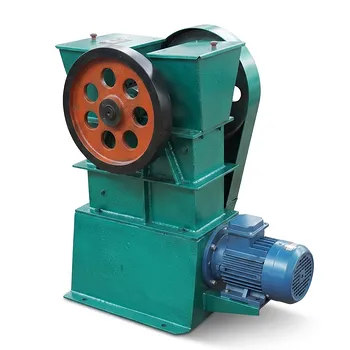
150×125mm Laboratory Jaw Crusher for Medium and Fine Crushing of Brittle Materials
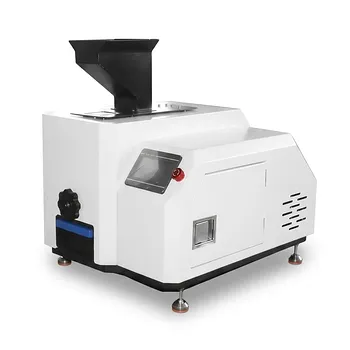
Laboratory Jaw Crusher 2025 Model for Ore and Brittle Material Crushing
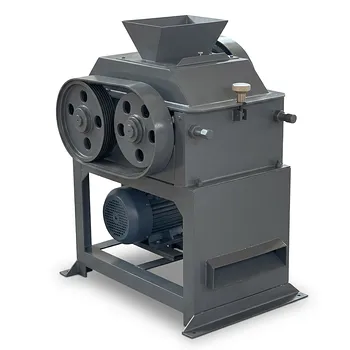
Sealed Laboratory Double Roll Crusher for Coal, Mineral, Ore Sample Preparation
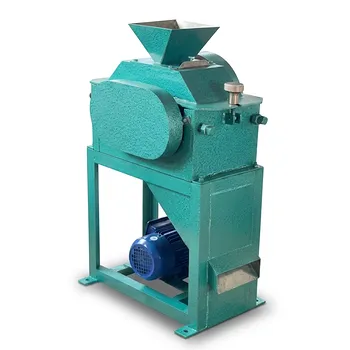
Laboratory Double Roll Crusher for Medium Hardness Materials Coal Ore Sample Preparation
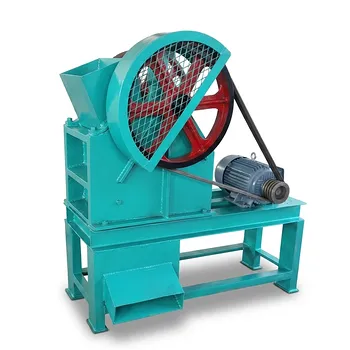
150x250mm Custom Laboratory Jaw Crusher for Coal Ore Mineral Crushing
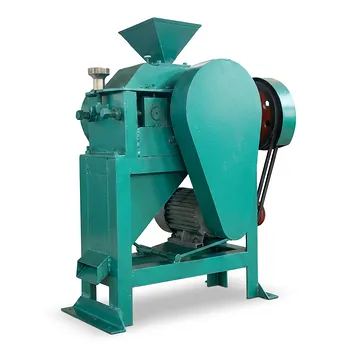
Laboratory Sealed Double Roll Crusher for Coal Ore Rock and Medium Hardness Materials Sample Preparation
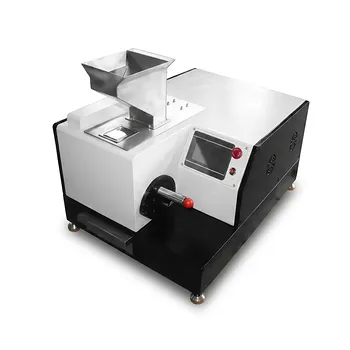
Experimental Jaw Crusher for Laboratory Ore Crushing and Sample Preparation
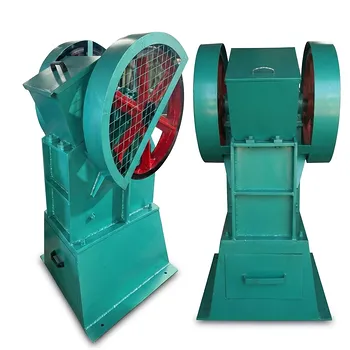
Sealed Jaw Crusher for Laboratory Material Crushing and Sample Preparation
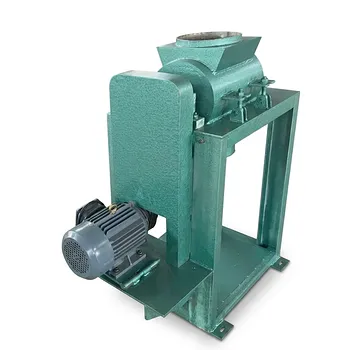
Customized Sealed Laboratory Hammer Crusher for Coal and Medium Hardness Sample Preparation
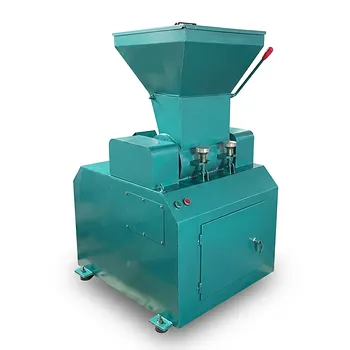
Sealed Hammer Crusher for Laboratory Coal Sample Preparation Adjustable Output Size
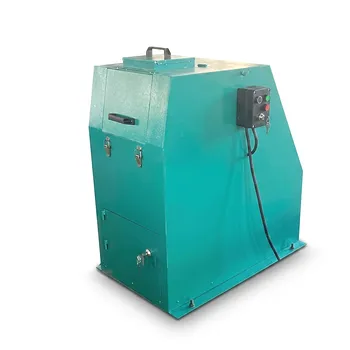
Environmentally Friendly Sealed Jaw Crusher for Laboratory Sample Preparation
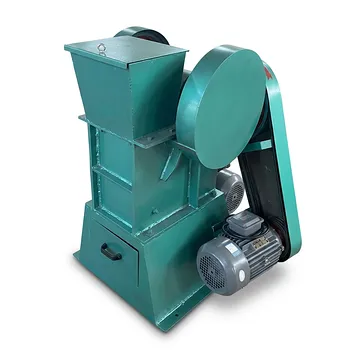
Small Laboratory Jaw Crusher 150x200mm Feed Opening for Sample Preparation and Medium Fine Crushing
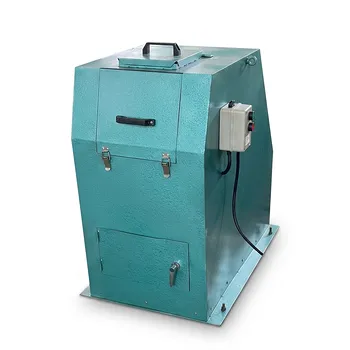
Environmentally Friendly Sealed Laboratory Jaw Crusher for Sample Preparation
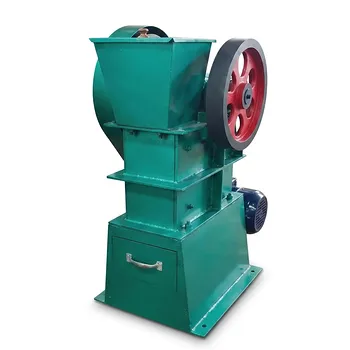
EP Series Small Jaw Crusher for Laboratory Sample Preparation
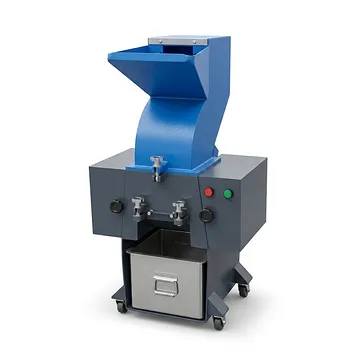
Heavy-Duty Crusher for Laboratory and Industrial Material Size Reduction
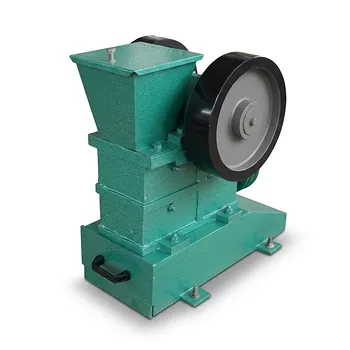
Laboratory Small Jaw Crusher 100x60mm