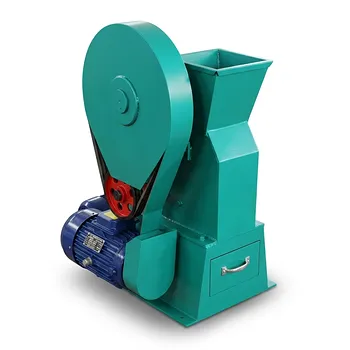
What is the role of a laboratory crusher or grinder in activated carbon preparation? Optimize biomass for high porosity.
Updated 5 months ago
The primary role of a laboratory crusher or grinder is to transform raw biomass into a fine powder to maximize its specific surface area. This physical reduction is essential for ensuring that chemical activation agents, such as phosphoric acid, can fully penetrate the internal structure of the material. By achieving a uniform, small particle size, the equipment facilitates efficient chemical impregnation and consistent activation, which are the foundations of high-quality activated carbon.
Laboratory crushing and grinding serve as the critical bridge between raw biomass and high-performance activated carbon by optimizing the material's physical dimensions for chemical reactivity and thermal processing.
Enhancing Chemical Impregnation and Reactivity
Increasing Specific Surface Area
In the production of activated carbon from precursors like date pits, the grinder’s most vital function is the dramatic increase of specific surface area.
By breaking down the dense, fibrous structure of the biomass, the equipment exposes the internal pores and fibers that are otherwise shielded.
This increased surface area provides more contact points for the subsequent stages of the chemical process, directly influencing the final product's porosity.
Ensuring Deep Chemical Penetration
For chemical activation to be effective, agents like phosphoric acid or alkaline solutions must move beyond the surface of the material.
Grinding the biomass into a fine powder ensures these agents can fully impregnate the internal fiber structure rather than just coating the exterior.
This thorough penetration leads to a more efficient activation process, allowing for the creation of a more developed pore structure during carbonization.
Optimizing Thermal and Mechanical Processing
Achieving Uniform Heat Transfer
During the pyrolysis or torrefaction stages, the uniformity of the particles is paramount for consistent results.
Fine, standardized particles ensure that heat transfer is consistent throughout the entire sample, preventing "hotspots" or unevenly carbonized sections.
This uniformity ensures that the chemical reactions and thermal degradation occur at the same rate, resulting in a homogenous final batch of activated carbon.
Facilitating Physical Interlocking
In some production flows, biomass must be densified into pellets or blocks before carbonization.
Reducing particle size to less than 2mm enhances the physical interlocking of the fibrous components, allowing them to bond effectively under pressure.
This ensures high-density precursors can be formed without the need for additional chemical binders, maintaining the purity of the final carbon.
Standardization and Quality Control
Ensuring Sample Uniformity for Analysis
Laboratory-grade equipment is designed to produce a standardized dust form that is required for precise testing and analysis.
Uniform samples are critical for determining calorific values, chemical composition, and particle size distribution (PSD).
Without this standardization, test results would be inconsistent, making it impossible to accurately predict how the activated carbon will perform in industrial applications.
Preliminary vs. Fine Grinding
Depending on the raw material, the process may require multiple stages of size reduction.
A jaw crusher is often used for the preliminary reduction of large, bulky precursors like coconut shells or coal to create a uniform feed size.
Following this, finer grinding equipment utilizes mechanical shearing or high-speed impact to reach the final powder state required for activation.
Understanding the Trade-offs
Energy Intensity and Material Loss
While finer particles generally improve reactivity, excessive grinding requires significantly more energy and can generate heat that may prematurely degrade the biomass.
Additionally, producing extremely fine powders increases the risk of material loss during handling and creates dust management challenges in the laboratory.
Impact on Final Pore Distribution
The degree of grinding must be carefully balanced with the intended application of the activated carbon.
Over-pulverizing the raw material can sometimes collapse certain natural macro-pore structures, which may be detrimental if the goal is to produce a carbon with a specific pore size distribution.
How to Apply This to Your Project
Selecting the Right Approach for Your Goal
To achieve the best results in your activated carbon preparation, align your grinding strategy with your specific processing objectives.
- If your primary focus is Maximum Chemical Efficiency: Prioritize grinding the material into a fine powder (typically <1mm) to ensure total saturation by activation agents.
- If your primary focus is Thermal Consistency: Ensure the crusher is set to produce a highly uniform particle size distribution to prevent uneven carbonization during pyrolysis.
- If your primary focus is Structural Integrity (Pelletization): Focus on achieving a particle size around 2mm to facilitate natural interlocking of fibers during the densification process.
By mastering the physical preparation of your biomass, you ensure the success of every subsequent chemical and thermal step in the activation process.
Summary Table:
| Stage | Equipment | Role in Process | Key Benefit |
|---|---|---|---|
| Pre-processing | Jaw/Roll Crusher | Initial size reduction of bulky biomass | Uniform feed size for secondary grinding |
| Fine Grinding | Planetary/Disc Mill | Pulverizing into fine powder (<1mm) | Maximizes surface area for chemical activation |
| Impregnation | Powder Mixer | Blending with activation agents | Ensures deep chemical penetration into fibers |
| Thermal Prep | Sieve Shaker | Particle size distribution (PSD) control | Guarantees uniform heat transfer during pyrolysis |
| Densification | Hydraulic Press | Pelletizing powder (approx. 2mm) | Improves physical interlocking for binder-free forms |
Elevate Your Material Research with Precision Engineering
Achieving high-performance activated carbon starts with flawless sample preparation. At Kindle Tech, we provide complete laboratory sample preparation solutions for material science, specializing in high-precision powder processing and compaction equipment.
Whether you are processing date pits, coconut shells, or coal, our extensive product line is designed to meet your specific research needs:
- Size Reduction: High-efficiency jaw/roll crushers and mills (planetary ball, jet, and rotor mills) for perfect particle sizing.
- Consistency & Analysis: Vibratory and air-jet sieve shakers to ensure standardized sample uniformity.
- Advanced Compaction: A full spectrum of hydraulic presses, including Cold/Warm Isostatic Presses (CIP/WIP), vacuum hot presses, and XRF pellet presses for high-density precursors.
- Homogenization: Specialized powder and defoaming mixers for uniform chemical impregnation.
Ready to optimize your activation process? Contact our experts today to find the ideal equipment configuration for your laboratory and experience the Kindle Tech advantage in durability and precision.
References
- R. A. Mansour, A. A. Zaatout. Removal of brilliant green dye from synthetic wastewater under batch mode using chemically activated date pit carbon. DOI: 10.1039/d0ra08488c
Mentioned Products
- High Speed Small Laboratory Crusher for Dry Material Sample Preparation
- Custom Raised Height Laboratory Jaw Crusher for Precision Sample Preparation in Material Science
- Small Laboratory Knife Crusher for Plastic Sample Preparation and Material Grinding
- 150×125mm Laboratory Jaw Crusher for Medium and Fine Crushing of Brittle Materials
- Laboratory Jaw Crusher 2025 Model for Ore and Brittle Material Crushing
People Also Ask
- What is the primary function of laboratory-scale crushers in the pre-treatment stage of iron ore bio-dephosphorization?
- Lab Crusher's Role in Banana Stem Cellulose Extraction? Enhance Your Raw Material Preparation Now
- What is the primary role of laboratory crushers in the recycling process of inorganic old sand? Essential for Sand Reuse
- What role do high-precision laboratory crushers play in mineral sample preparation? Ensure Accuracy & Feed Uniformity.
- Why use lab mills for corncob size reduction? Boost activated carbon surface area and activation efficiency.

Tech Team · PowderPreparation
Last updated on May 14, 2026
Related Products
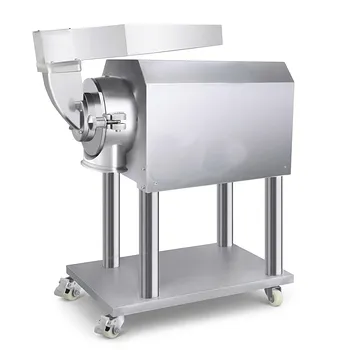
High Speed Small Laboratory Crusher for Dry Material Sample Preparation
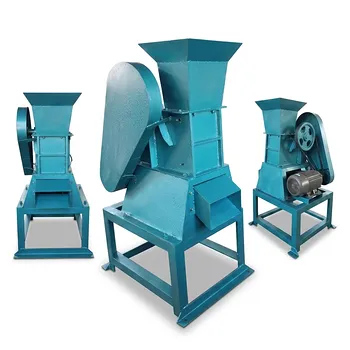
Custom Raised Height Laboratory Jaw Crusher for Precision Sample Preparation in Material Science
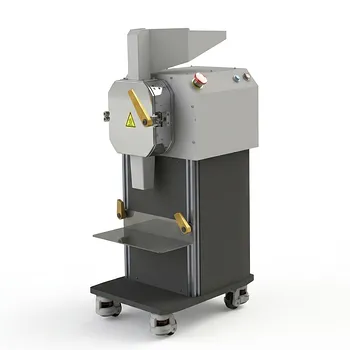
Small Laboratory Knife Crusher for Plastic Sample Preparation and Material Grinding
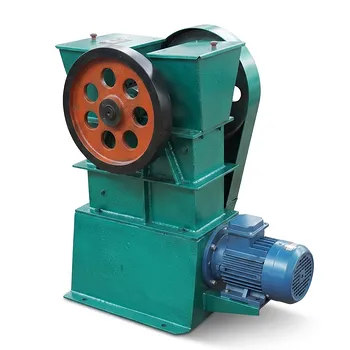
150×125mm Laboratory Jaw Crusher for Medium and Fine Crushing of Brittle Materials
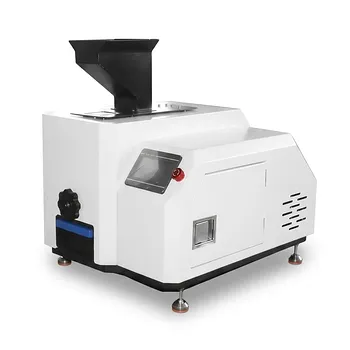
Laboratory Jaw Crusher 2025 Model for Ore and Brittle Material Crushing
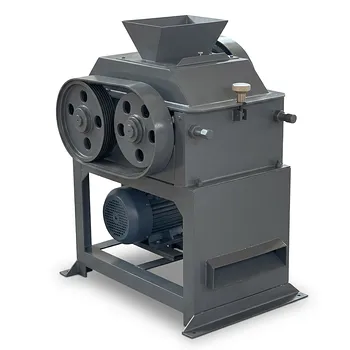
Sealed Laboratory Double Roll Crusher for Coal, Mineral, Ore Sample Preparation
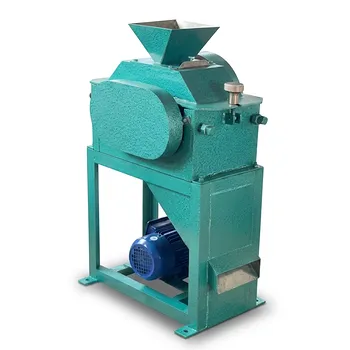
Laboratory Double Roll Crusher for Medium Hardness Materials Coal Ore Sample Preparation
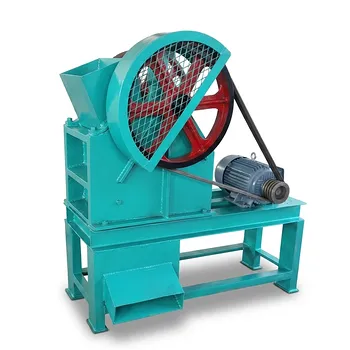
150x250mm Custom Laboratory Jaw Crusher for Coal Ore Mineral Crushing
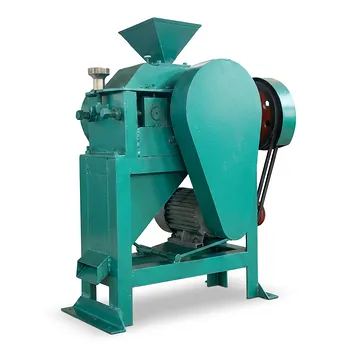
Laboratory Sealed Double Roll Crusher for Coal Ore Rock and Medium Hardness Materials Sample Preparation
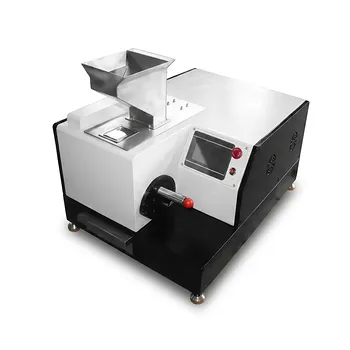
Experimental Jaw Crusher for Laboratory Ore Crushing and Sample Preparation
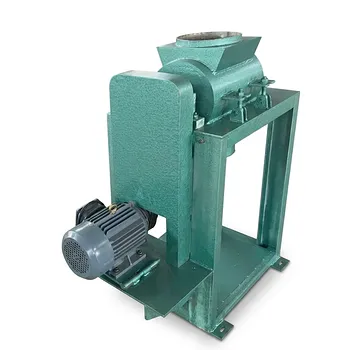
Customized Sealed Laboratory Hammer Crusher for Coal and Medium Hardness Sample Preparation
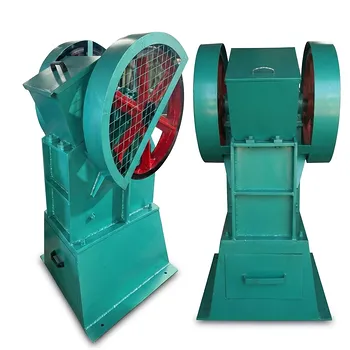
Sealed Jaw Crusher for Laboratory Material Crushing and Sample Preparation
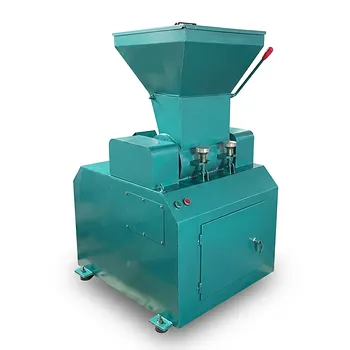
Sealed Hammer Crusher for Laboratory Coal Sample Preparation Adjustable Output Size
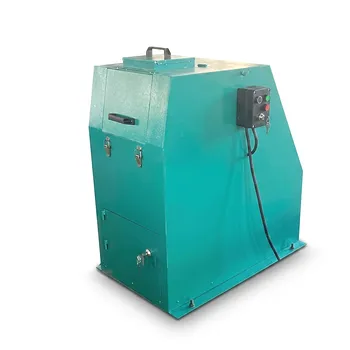
Environmentally Friendly Sealed Jaw Crusher for Laboratory Sample Preparation
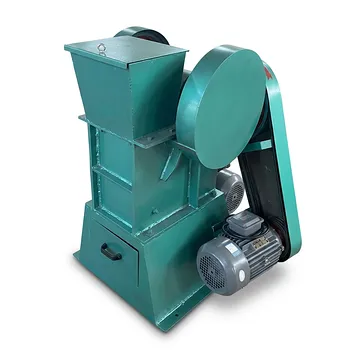
Small Laboratory Jaw Crusher 150x200mm Feed Opening for Sample Preparation and Medium Fine Crushing
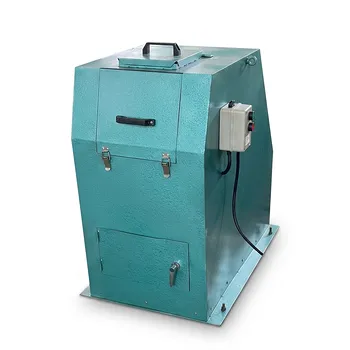
Environmentally Friendly Sealed Laboratory Jaw Crusher for Sample Preparation
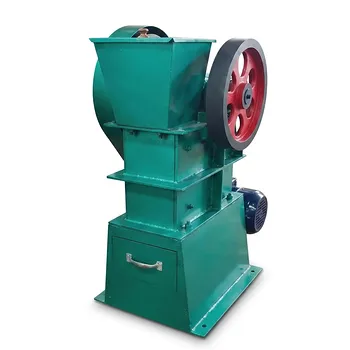
EP Series Small Jaw Crusher for Laboratory Sample Preparation
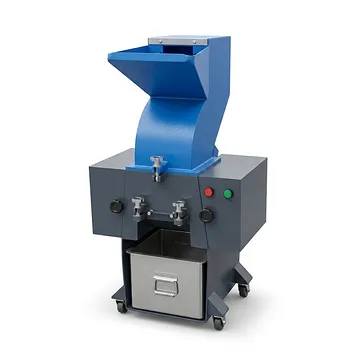
Heavy-Duty Crusher for Laboratory and Industrial Material Size Reduction
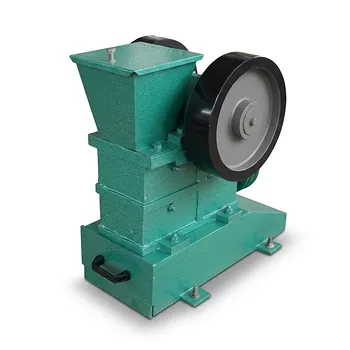
Laboratory Small Jaw Crusher 100x60mm