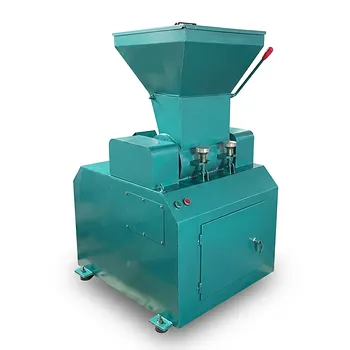
What is the primary function of laboratory-scale crushers in the pre-treatment stage of iron ore bio-dephosphorization?
Updated 4 months ago
Laboratory-scale crushers serve as the critical mechanical bridge between raw ore and biological treatment. In the pre-treatment stage of iron ore bio-dephosphorization, these machines use mechanical force to reduce bulk raw ore into fine particles, fundamentally increasing the material's specific surface area.
This mechanical size reduction is essential because it maximizes the contact frequency between dephosphorization microorganisms and the phosphorus contained within the ore, providing the physical foundation necessary for efficient biochemical reactions.
The Mechanics of Surface Area Optimization
Increasing Specific Surface Area
The primary physical objective of the crusher is to break down large ore lumps into a finer granularity, often targeting sizes such as 2mm or smaller.
By reducing the particle size, the total surface area exposed to the environment increases exponentially relative to the volume of the material.
This expanded surface area is vital because bio-dephosphorization is a surface-dependent process where reactions occur at the interface of the liquid medium and the solid mineral.
Facilitating Microbe-Mineral Interaction
Microorganisms, such as Bacillus subtilis, require direct access to phosphorus-bearing minerals to initiate the dephosphorization process.
Crushing ensures that the phosphorus components, which may be trapped inside large ore chunks, are "liberated" or exposed on the particle surfaces.
This exposure significantly enhances the contact frequency between the microbes and their target, ensuring that the biological agents can effectively dissolve or sequester the phosphorus.
Establishing a Standardized Feed
Ensuring Process Repeatability
Laboratory-scale crushers, particularly jaw crushers, allow for precise control over the discharge opening to produce a uniform particle size.
A uniform feed ensures that subsequent stages, such as fine grinding or chemical analysis, remain stable and repeatable across different test batches.
This consistency is critical for researchers to accurately measure the effectiveness of different microbial strains without interference from variable material dimensions.
Improving Energy and Chemical Efficiency
By providing a consistent, pre-crushed material, the laboratory crusher reduces the workload on downstream secondary grinding systems like ball mills.
This phased approach to size reduction influences the overall energy efficiency of the mineral processing workflow.
Furthermore, uniform particles allow for more homogenous moisture removal and chemical exposure, preventing localized areas of untreated ore.
Understanding the Trade-offs
The Risk of Over-Grinding
While fine particles are necessary for microbial access, excessive crushing can lead to "slimes" or ultra-fine dust.
These ultra-fines can sometimes interfere with the separation stages that follow bio-treatment, making it difficult to recover the iron ore from the liquid bio-leaching medium.
Mechanical Wear and Contamination
Using mechanical compression to process hard iron ore inevitably leads to wear on the crusher’s jaw plates or internal components.
In a laboratory setting, researchers must be cautious of cross-contamination from the crushing equipment itself, which could introduce trace metals that might inhibit the growth of sensitive microorganisms.
Applying Pre-treatment to Your Workflow
Making the Right Choice for Your Goal
To maximize the success of your bio-dephosphorization project, consider the specific requirements of your microbial culture and ore type.
- If your primary focus is maximizing reaction speed: Target the smallest possible uniform particle size to provide the largest surface area for microbial colonization.
- If your primary focus is process scalability: Focus on achieving a consistent 2mm feed that mimics the input requirements of industrial-scale secondary grinding systems.
- If your primary focus is analytical accuracy: Ensure the crusher is thoroughly cleaned and calibrated to produce a homogenous sample for precise chemical composition assessment.
Properly executed mechanical pre-treatment is the non-negotiable first step in transforming inert raw ore into a biologically active substrate.
Summary Table:
| Key Function | Primary Objective | Impact on Bio-Dephosphorization |
|---|---|---|
| Surface Area Expansion | Reduce ore to <2mm granularity | Maximizes microbe-mineral contact frequency |
| Mineral Liberation | Expose trapped phosphorus | Ensures biological agents can access and dissolve target minerals |
| Feed Standardization | Uniform particle size distribution | Guarantees repeatability across different test batches |
| Energy Optimization | Pre-crushing for secondary stages | Reduces workload and energy consumption for downstream ball mills |
Optimize Your Mineral Research with Precision Sample Prep
Effective iron ore bio-dephosphorization begins with precise mechanical pre-treatment. Our brand provides complete laboratory sample preparation solutions for material science, specializing in heavy-duty powder processing and compaction equipment designed for high-accuracy research.
Our extensive product lines include:
- Crushing & Grinding: High-performance jaw and roll crushers, liquid nitrogen cryogenic grinders, and advanced mills (planetary ball, jet, and rotor).
- Sizing & Mixing: Vibratory/air-jet sieve shakers and high-efficiency powder or defoaming mixers.
- Advanced Compaction: A full spectrum of hydraulic presses, including Cold/Warm Isostatic Presses (CIP/WIP), vacuum hot presses, and XRF pellet presses.
Whether you are maximizing microbial colonization or scaling up mineral processing workflows, our equipment ensures the material consistency your project demands. Contact us today to find the perfect solution for your lab!
References
- Charles Nwachukwu Anyakwo, O. W. Obot. Laboratory Studies on Phosphorus Removal from Nigeria’s Agbaja Iron Ore by Bacillus Subtilis. DOI: 10.4236/jmmce.2011.109063
Mentioned Products
- High Speed Small Laboratory Crusher for Dry Material Sample Preparation
- 150×125mm Laboratory Jaw Crusher for Medium and Fine Crushing of Brittle Materials
- Custom Raised Height Laboratory Jaw Crusher for Precision Sample Preparation in Material Science
- Laboratory Jaw Crusher 2025 Model for Ore and Brittle Material Crushing
- Laboratory Sealed Hammer Crushers for Coal Sample Preparation and Medium Strength Material Crushing
People Also Ask
- Lab Crusher's Role in Banana Stem Cellulose Extraction? Enhance Your Raw Material Preparation Now
- What is the primary role of laboratory crushers in the recycling process of inorganic old sand? Essential for Sand Reuse
- What role do high-precision laboratory crushers play in mineral sample preparation? Ensure Accuracy & Feed Uniformity.
- What is the role of a laboratory crusher or grinder in activated carbon preparation? Optimize biomass for high porosity.
- Why use lab mills for corncob size reduction? Boost activated carbon surface area and activation efficiency.

Tech Team · PowderPreparation
Last updated on Jun 03, 2026
Related Products
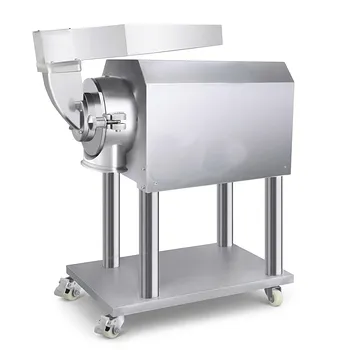
High Speed Small Laboratory Crusher for Dry Material Sample Preparation
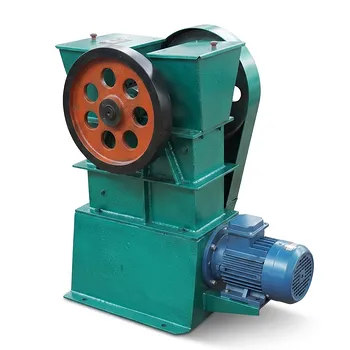
150×125mm Laboratory Jaw Crusher for Medium and Fine Crushing of Brittle Materials
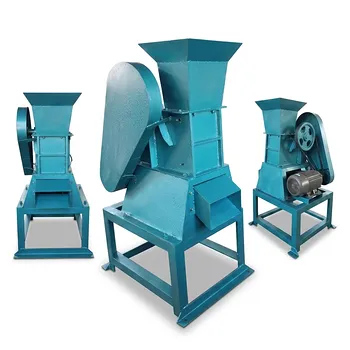
Custom Raised Height Laboratory Jaw Crusher for Precision Sample Preparation in Material Science
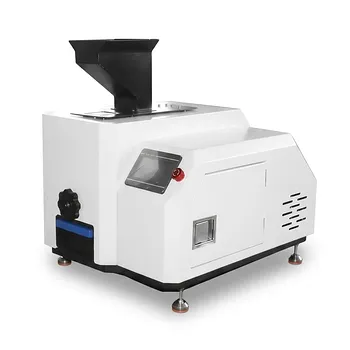
Laboratory Jaw Crusher 2025 Model for Ore and Brittle Material Crushing
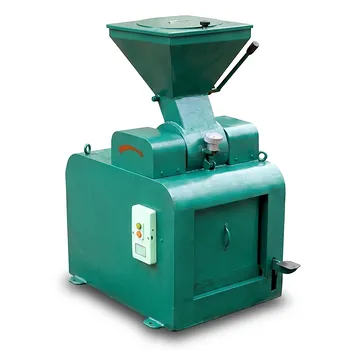
Laboratory Sealed Hammer Crushers for Coal Sample Preparation and Medium Strength Material Crushing
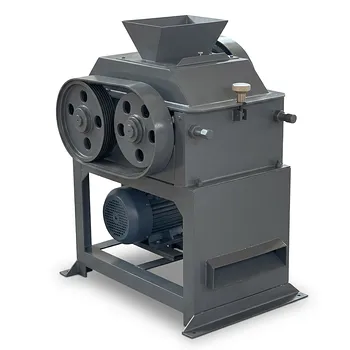
Sealed Laboratory Double Roll Crusher for Coal, Mineral, Ore Sample Preparation
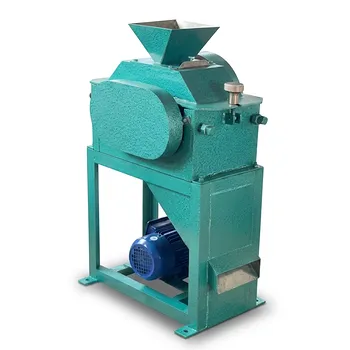
Laboratory Double Roll Crusher for Medium Hardness Materials Coal Ore Sample Preparation
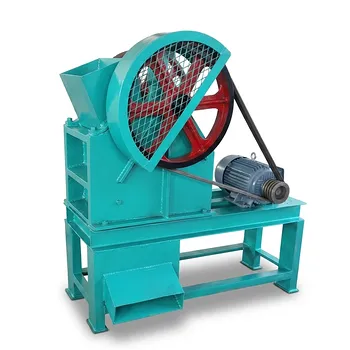
150x250mm Custom Laboratory Jaw Crusher for Coal Ore Mineral Crushing
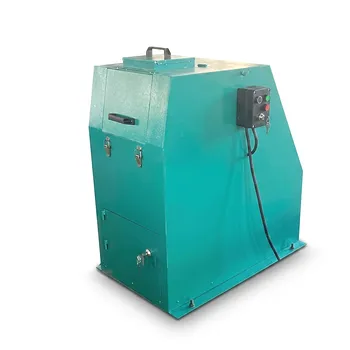
Environmentally Friendly Sealed Jaw Crusher for Laboratory Sample Preparation
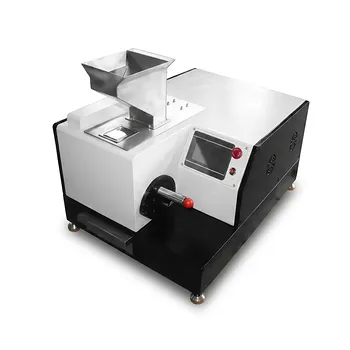
Experimental Jaw Crusher for Laboratory Ore Crushing and Sample Preparation
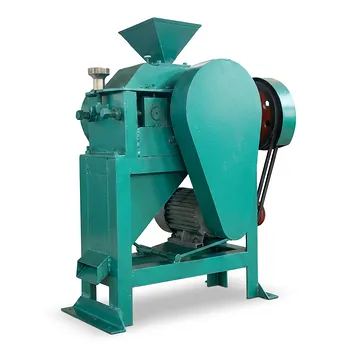
Laboratory Sealed Double Roll Crusher for Coal Ore Rock and Medium Hardness Materials Sample Preparation
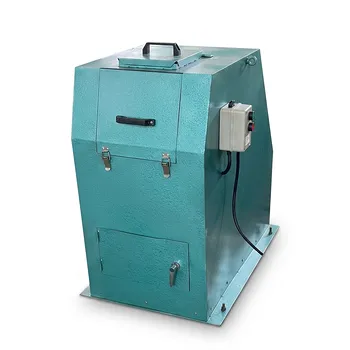
Environmentally Friendly Sealed Laboratory Jaw Crusher for Sample Preparation
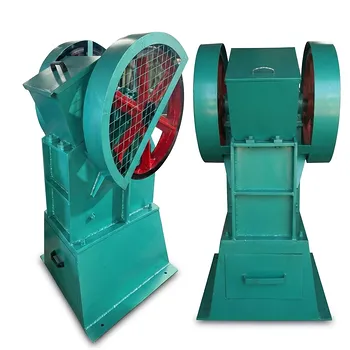
Sealed Jaw Crusher for Laboratory Material Crushing and Sample Preparation
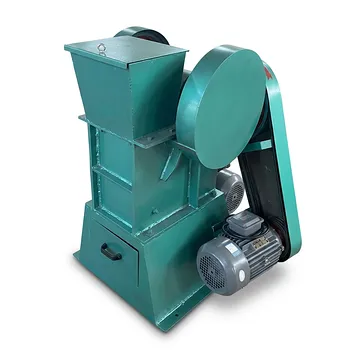
Small Laboratory Jaw Crusher 150x200mm Feed Opening for Sample Preparation and Medium Fine Crushing
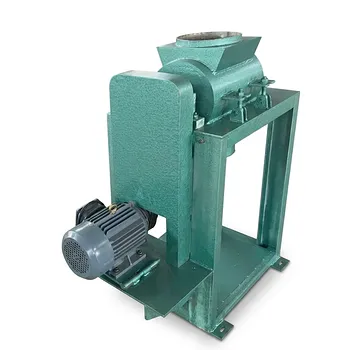
Customized Sealed Laboratory Hammer Crusher for Coal and Medium Hardness Sample Preparation
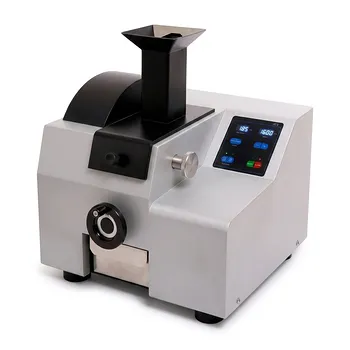
Laboratory Benchtop Jaw Crusher for Hard Brittle Materials Primary Size Reduction and Sample Preparation
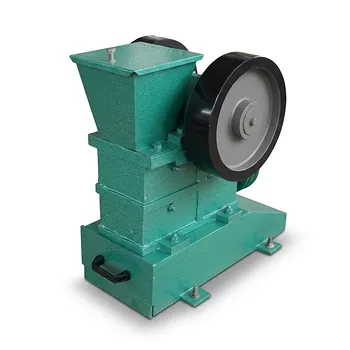
Laboratory Small Jaw Crusher 100x60mm
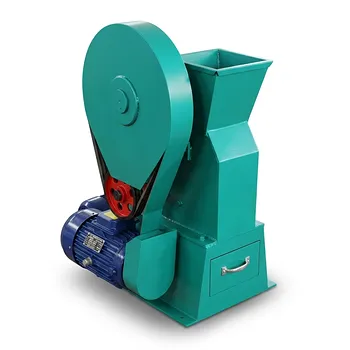
Small Laboratory Jaw Crusher 125x100mm Feed Opening for Sample Preparation
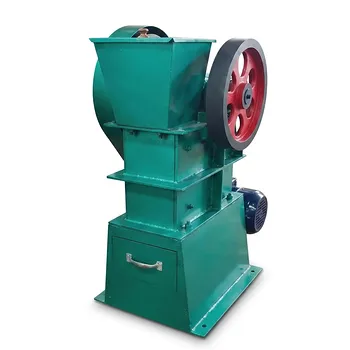
EP Series Small Jaw Crusher for Laboratory Sample Preparation