What is the role of a dual asymmetric centrifugal mixer in the preparation of bio-based epoxy resin? Achieve Superior Homogenization
Updated 3 months ago
The dual asymmetric centrifugal (DAC) mixer acts as the primary driver for molecular-level homogenization and simultaneous defoaming in bio-based epoxy systems. It uses high-speed dual rotation to ensure that resin and curing agents, particularly those containing vegetable oils or bio-fillers, form a uniform 3D cross-linked network without the structural weaknesses caused by air bubbles.
A DAC mixer ensures that bio-based components are perfectly dispersed within the resin matrix, preventing phase separation and eliminating micro-bubbles. This results in a dense, defect-free internal structure that is critical for the mechanical performance of thermosetting polymers.
Achieving Molecular-Level Homogenization
Ensuring Uniform Cross-linking
Bio-based resins often include complex vegetable oils that require precise distribution to react correctly with curing agents. The DAC mixer uses centrifugal forces to distribute these components at the molecular level, ensuring the formation of a stable, three-dimensional cross-linked network.
Dispersion of Bio-Additives and Reinforcements
Many bio-based systems utilize fillers like nanosilica, MXene, or bioactive glass to enhance performance. The high-speed rotation and revolution generate powerful shear forces that break down agglomerates, ensuring these particles are evenly spread throughout the viscous resin matrix.
In-Situ Delamination of Nanomaterials
For advanced composites, the mixer can achieve mandatory dispersion and physical shearing of layered materials. This allows for the in-situ delamination of particles, which facilitates the creation of uniform exfoliated nanocomposites without the need for complex chemical modifications.
The Critical Role of Defoaming and Density
Eliminating Micro-bubbles and Pores
Air bubbles introduced during the mixing of viscous resins can become stress concentration points in the cured material. The centrifugal action of the DAC mixer forces micro-bubbles to the surface and out of the mixture, resulting in a dense internal microstructure.
Preventing Structural Failure
By removing these micro-voids, the mixer prevents the formation of internal pores that lead to premature failure of the joint or coating. This is essential for maintaining the mechanical integrity of the final bio-composite during subsequent stress or environmental exposure.
Facilitating Superhydrophobic Structures
In coating applications, the uniform dispersion of modified segments is required to create specific surface morphologies. The DAC mixer ensures that multifunctional additives are evenly distributed, which is a prerequisite for forming superhydrophobic surface structures.
Managing High Viscosity and Material Sensitivity
Processing High-Viscosity Bio-Matrices
Bio-based resins and curing agents can be significantly more viscous than traditional petroleum-based counterparts. The powerful shear energy of a DAC mixer can process these thick materials in a very short time, often achieving complete homogenization in minutes.
Protection from Premature Polymerization
Some bio-based systems utilize photoinitiators for specialized curing processes. DAC mixers can operate under blue-light-free conditions, ensuring the resin does not undergo premature polymerization while it is being mixed.
Understanding the Trade-offs and Limitations
Heat Generation from High Shear
The intense energy used to mix high-viscosity resins can generate frictional heat. If the temperature rise is not carefully monitored, it may trigger a premature exothermic reaction or degrade sensitive biological components within the epoxy system.
Scalability and Equipment Costs
While highly effective for R&D and specialized production, industrial-grade planetary mixers represent a significant capital investment. Users must balance the requirement for extreme precision with the total throughput needs and budget of their specific project.
How to Apply This to Your Project
When preparing bio-based epoxy resins, your choice of mixing parameters should align with your specific material requirements:
- If your primary focus is maximizing mechanical strength: Prioritize the synchronous defoaming capability to eliminate micro-voids that lead to stress concentration and joint failure.
- If your primary focus is incorporating bio-fillers or nanomaterials: Utilize high-speed settings to provide the physical shearing forces necessary to break down agglomerates and achieve uniform dispersion.
- If your primary focus is formula stability and reactivity: Rely on the molecular-level mixing to prevent phase separation between bio-oils and synthetic resin components, ensuring a complete chemical reaction.
Utilizing a dual asymmetric centrifugal mixer transforms the preparation of bio-based epoxies from a simple blending task into a precise engineering process that ensures material consistency and performance.
Summary Table:
| Key Feature | Role in Bio-Based Epoxy Preparation | Material Impact |
|---|---|---|
| Dual Rotation | Molecular-level homogenization of resin & curing agents | Prevents phase separation; ensures stable 3D cross-linking |
| Centrifugal Defoaming | Eliminates micro-bubbles and internal pores | Prevents structural failure and stress concentration points |
| High Shear Forces | Mandatory dispersion of bio-fillers & nanomaterials | Achieves uniform exfoliated nanocomposites/reinforcements |
| Rapid Processing | Efficiently handles high-viscosity bio-matrices | Reduces heat generation and prevents premature polymerization |
Elevate Your Material Synthesis with Precision Engineering
Achieving perfect homogeneity and density in bio-based resins requires advanced laboratory equipment. [Company Name] provides complete laboratory sample preparation solutions tailored for material science. We specialize in high-performance powder processing and compaction equipment to ensure your research meets industrial standards.
Our extensive product range supports every stage of your workflow:
- Mixing & Dispersion: Advanced powder and defoaming mixers for defect-free resin preparation.
- Milling & Grinding: Planetary ball, jet, and cryogenic grinders for precise particle size control.
- Compaction & Pressing: A full spectrum of hydraulic presses, including Cold/Warm Isostatic Presses (CIP/WIP), vacuum hot presses, and XRF pellet presses.
- Sizing & Processing: Jaw/roll crushers and vibratory/air-jet sieve shakers for material refinement.
Ready to optimize your laboratory's efficiency and material performance? Contact our technical experts today to find the ideal solution for your specific application.
References
- Laurent Mezeix, Komkrisd Wongtimnoi. Mechanical Characterization of Recyclable and Non-Recyclable Bio-Epoxy Resins for Aerospace Applications. DOI: 10.3390/jcs8050191
Mentioned Products
- Dual Cup Vacuum Centrifugal Mixer Planetary Paste Defoaming Machine Industrial Material Processor
- Industrial Planetary Centrifugal Vacuum Defoaming Mixer for High Viscosity Paste and Advanced Material Science
- 非介入式材料均质机真空脱泡行星搅拌高粘度混合设备
- High Viscosity Planetary Centrifugal Mixing and Vacuum Defoaming Machine for Laboratory Material Preparation
- High Efficiency Vacuum Planetary Centrifugal Mixer and Defoaming Machine for Industrial Material Research and Precise Laboratory Powder Dispersion
People Also Ask
- Why is a vacuum centrifugal defoaming mixer required to process ceramic slurry before 3D printing? Ensure High Density
- Why is a vacuum centrifugal de-foaming mixer required before DIW of PZT ink? Achieve Dense, Bubble-Free Piezo Ceramics
- What are the advantages of centrifugal defoaming mixers for recycled slurries? Achieve Superior Electrode Quality
- Why is vacuum defoaming necessary for PDMS mixtures before microwave irradiation curing? Key to Structural Integrity
- Why is a vacuum defoaming mixer essential for DLP 3D printing ceramic slurries? Key to Structural Integrity

Tech Team · PowderPreparation
Last updated on Jun 03, 2026
Related Products
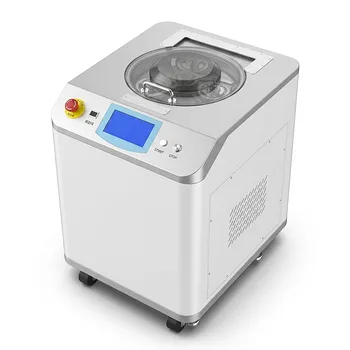
Dual Cup Vacuum Centrifugal Mixer Planetary Paste Defoaming Machine Industrial Material Processor
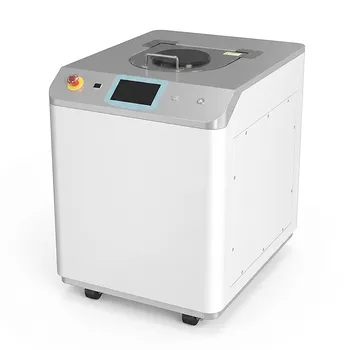
Industrial Planetary Centrifugal Vacuum Defoaming Mixer for High Viscosity Paste and Advanced Material Science
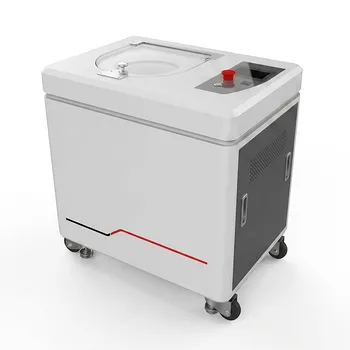
非介入式材料均质机真空脱泡行星搅拌高粘度混合设备
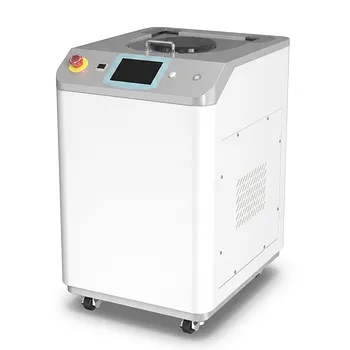
High Viscosity Planetary Centrifugal Mixing and Vacuum Defoaming Machine for Laboratory Material Preparation
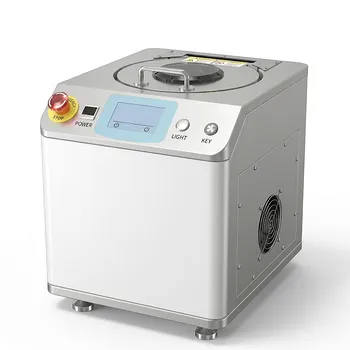
High Efficiency Vacuum Planetary Centrifugal Mixer and Defoaming Machine for Industrial Material Research and Precise Laboratory Powder Dispersion
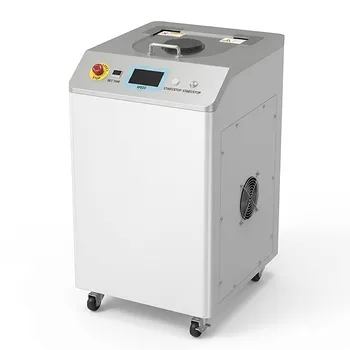
High Viscosity Planetary Centrifugal Vacuum Mixer for Material Defoaming and Uniform Mixing
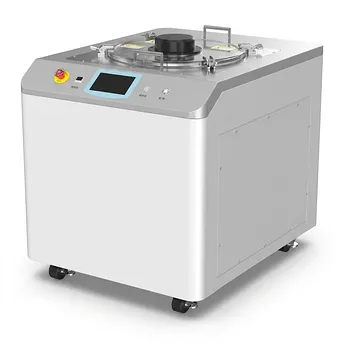
Industrial Planetary Centrifugal Vacuum Defoaming Mixer for High Viscosity Paste and Powder Homogenization
High Speed Vacuum Planetary Centrifugal Mixer and Defoamer for Industrial Paste Processing
Industrial Double Cone Mixer for Powder Blending and Homogeneous Mixing
Ultra Centrifugal Mill for Rapid Laboratory Sample Preparation and Fine Powder Grinding
Ultra Centrifugal Mill High Speed Laboratory Grinder for Fibrous and Brittle Sample Preparation
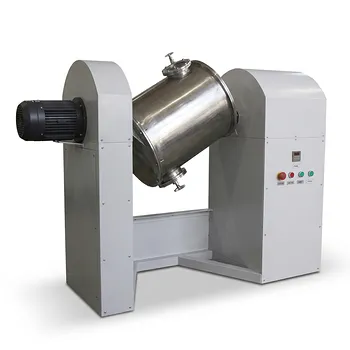
Inclined Mixer for Homogeneous Powder Blending and Grinding
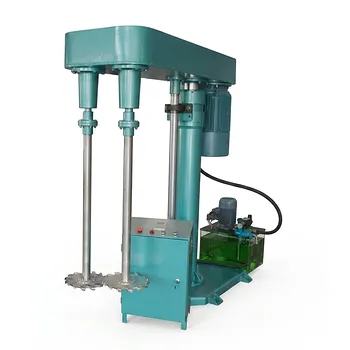
Hydraulic Double Shaft Disperser for High Viscosity Liquid Mixing and Dispersion
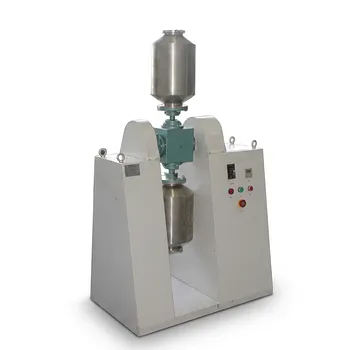
Multi Dimensional Universal Mixer for High Uniformity Powder Blending
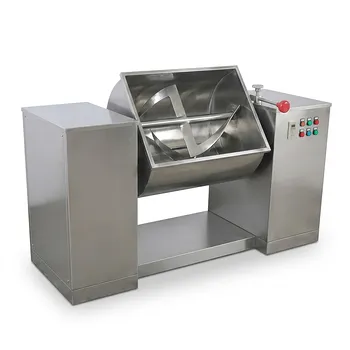
Horizontal Trough Mixer for Uniform Powder and Paste Blending
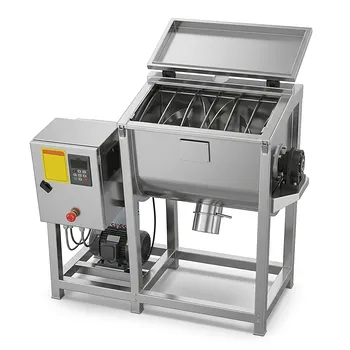
Horizontal Ribbon Mixer for Uniform Powder and Slurry Mixing
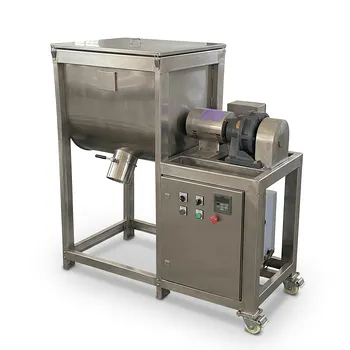
Horizontal Ribbon Mixer for Dry Powder and Slurry Blending
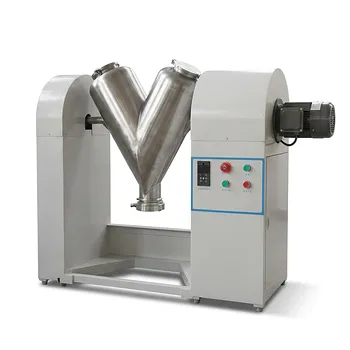
V-Type Powder Mixer for Uniform Blending of Dry Powders and Granules
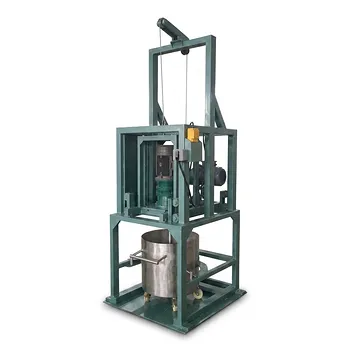
High-Speed Simple Disperser for Efficient Mixing, Dispersion, and Emulsification