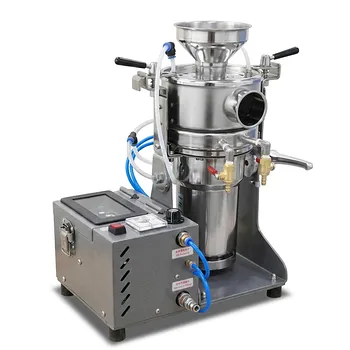
Why is a vacuum centrifugal defoaming mixer required to process ceramic slurry before 3D printing? Ensure High Density
Updated 4 months ago
The removal of micro-bubbles is the difference between a high-performance ceramic part and a failed print.
A vacuum centrifugal defoaming mixer is essential because it eliminates microscopic air bubbles trapped within high-viscosity ceramic slurry. By combining a vacuum environment with powerful centrifugal forces, it prevents flow interruptions, internal voids, and structural defects that would otherwise compromise the density and mechanical strength of the final sintered component.
Traditional mixing often introduces air that compromises the structural integrity of ceramic green bodies. A vacuum centrifugal mixer removes these bubbles to ensure consistent photopolymerization, high part density, and the elimination of catastrophic failure points during the sintering process.
The Challenge of High-Viscosity Slurries
Air Entrapment During Preparation
Ceramic slurries often have high filler loads, such as alumina or silicon carbide, which makes them extremely thick. During the initial ball milling and stirring processes, air is inevitably trapped within the mixture.
The Persistence of Micro-bubbles
Because these slurries are highly viscous, tiny bubbles cannot escape to the surface naturally. These trapped micro-bubbles (often larger than 1 micron) remain suspended, requiring significant mechanical force to be extracted.
Impact on the 3D Printing Process
Flow Disruptions and Line Breaks
In extrusion-based printing, bubbles cause gaps or "pitting" in the long-span filaments. This leads to flow interruptions that result in inconsistent material deposition and physical discontinuities in the part.
Interference with Photopolymerization
In light-curing processes like DLP or SLA, residual bubbles can inhibit the photopolymerization reaction. They also cause light scattering, which leads to inaccurate dimensions or interlayer delamination.
Structural Defects in the Green Body
Bubbles create internal voids and micropores within the printed "green body." These voids act as stress concentrators, significantly reducing the flexural strength and structural integrity of the molded part.
Mechanics of the Vacuum Centrifugal Solution
The Role of Dual-Axis Rotation
The mixer uses simultaneous revolution and rotation to create a powerful centrifugal force field. This force pushes the heavy slurry outward while forcing the lighter air bubbles to the surface of the mixture.
The Necessity of a Vacuum Environment
The negative pressure environment expands the trapped micro-bubbles, making them easier to move. This combination allows for high-homogeneity blending while extracting air much faster than traditional stirring methods.
Understanding the Trade-offs
Processing Time vs. Heat Generation
While high-speed centrifugal mixing is highly efficient, it can generate friction-based heat. If not carefully monitored, this heat may prematurely trigger the photosensitive binders, affecting the slurry's shelf life.
Equipment Cost and Complexity
Vacuum centrifugal mixers are more specialized and expensive than standard planetary stirrers. They require precise control over vacuum levels and rotation speeds to achieve the desired density without damaging the chemical composition of the slurry.
Long-Term Integrity and Sintering
Densification and Final Strength
Eliminating voids during the mixing phase is a critical prerequisite for achieving high-density parts. Thorough defoaming ensures the densification of the ceramic matrix during the subsequent sintering stage.
Preventing Part Failure
Microscopic defects introduced by bubbles often translate into catastrophic fractures during the high-temperature sintering process. A bubble-free slurry ensures that the final ceramic matrix composites can withstand operational stresses.
Optimizing Your Slurry Preparation Strategy
Selecting the right mixing parameters depends on your specific material properties and printing technology.
- If your primary focus is maximum mechanical strength: Prioritize high-vacuum levels to eliminate microscopic bubbles that create internal stress points and volume defects.
- If your primary focus is high-viscosity extrusion: Focus on optimizing the centrifugal rotation speeds to ensure a continuous, bubble-free flow that prevents filament breaks.
- If your primary focus is light-curing (DLP/SLA) precision: Use the vacuum mixer to ensure a homogeneous slurry that allows for uniform photopolymerization and prevents interlayer delamination.
Mastering the defoaming process is the foundational step in transforming raw ceramic powders into high-density, high-performance engineering components.
Summary Table:
| Feature | Impact on 3D Printing | Vacuum Centrifugal Benefit |
|---|---|---|
| Micro-bubble Removal | Prevents internal voids and pitting | Uses vacuum to expand and extract deep bubbles |
| High-Viscosity Mixing | Ensures consistent material flow | Centrifugal force overcomes slurry resistance |
| Homogeneity | Uniform photopolymerization/curing | Dual-axis rotation achieves perfect blending |
| Structural Integrity | Eliminates sintering failure points | Maximizes green body density and final strength |
Optimize Your Ceramic 3D Printing Success
Structural integrity starts with a perfect, bubble-free slurry. At our core, we provide complete laboratory sample preparation solutions for material science, specializing in advanced powder processing and compaction equipment. Whether you are dealing with high-viscosity alumina or silicon carbide, our vacuum centrifugal defoaming mixers ensure the homogeneity and density required for high-performance engineering components.
Beyond mixing, we offer a comprehensive suite of equipment to support your entire workflow:
- Grinding & Milling: Planetary ball mills, jet mills, and liquid nitrogen cryogenic grinders.
- Crushing & Sieving: Jaw/roll crushers and vibratory/air-jet sieve shakers.
- Advanced Pressing: Cold/Warm Isostatic Presses (CIP/WIP), vacuum hot presses, and XRF pellet presses.
Eliminate voids and enhance your material performance today. Contact our technical team to find the ideal solution for your laboratory or production needs.
References
- Yongqin Zhao, Ren Liu. 3D printing of unsupported multi-scale and large-span ceramic via near-infrared assisted direct ink writing. DOI: 10.1038/s41467-023-38082-8
Mentioned Products
- Dual Cup Vacuum Centrifugal Mixer Planetary Paste Defoaming Machine Industrial Material Processor
- High Viscosity Planetary Centrifugal Vacuum Mixer for Material Defoaming and Uniform Mixing
- Industrial Planetary Centrifugal Vacuum Defoaming Mixer for High Viscosity Paste and Powder Homogenization
- High Efficiency Vacuum Planetary Centrifugal Mixer and Defoaming Machine for Industrial Material Research and Precise Laboratory Powder Dispersion
- High Speed Vacuum Planetary Centrifugal Mixer and Defoamer for Industrial Paste Processing
People Also Ask
- Why is a vacuum centrifugal de-foaming mixer required before DIW of PZT ink? Achieve Dense, Bubble-Free Piezo Ceramics
- What are the advantages of centrifugal defoaming mixers for recycled slurries? Achieve Superior Electrode Quality
- Why is centrifugal defoaming necessary for magnetic composite inks? Ensure Void-Free Extrusion for 3D Printing
- Why is vacuum defoaming necessary for PDMS mixtures before microwave irradiation curing? Key to Structural Integrity
- What role does a vacuum defoaming mixer play in BNT MLCC slurry? Ensure High Dielectric Strength & Pinhole-Free Prep

Tech Team · PowderPreparation
Last updated on Jun 03, 2026
Related Products
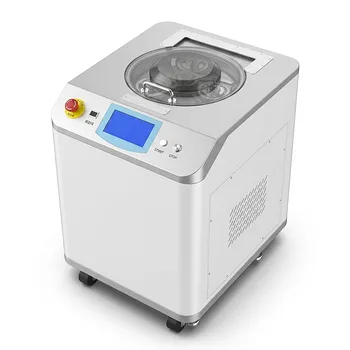
Dual Cup Vacuum Centrifugal Mixer Planetary Paste Defoaming Machine Industrial Material Processor
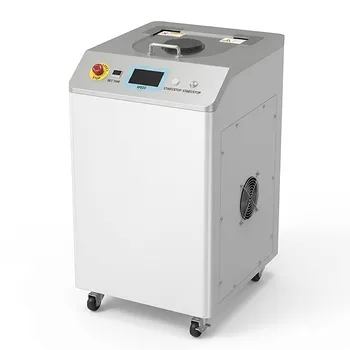
High Viscosity Planetary Centrifugal Vacuum Mixer for Material Defoaming and Uniform Mixing
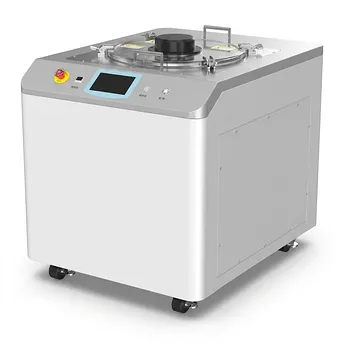
Industrial Planetary Centrifugal Vacuum Defoaming Mixer for High Viscosity Paste and Powder Homogenization
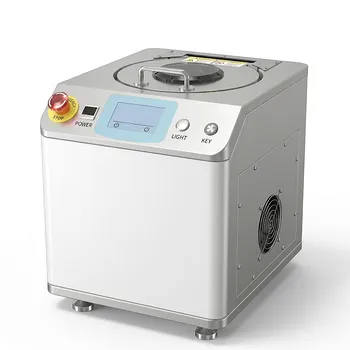
High Efficiency Vacuum Planetary Centrifugal Mixer and Defoaming Machine for Industrial Material Research and Precise Laboratory Powder Dispersion
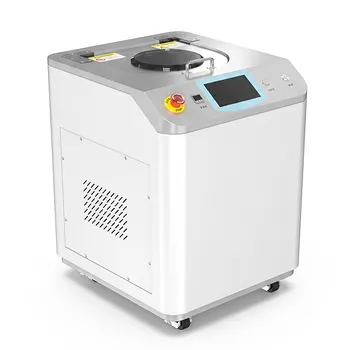
High Speed Vacuum Planetary Centrifugal Mixer and Defoamer for Industrial Paste Processing
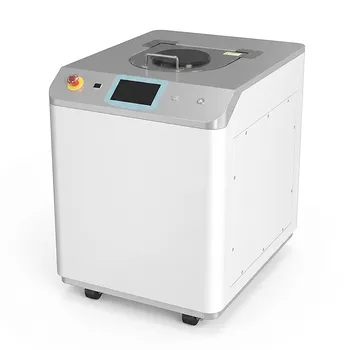
Industrial Planetary Centrifugal Vacuum Defoaming Mixer for High Viscosity Paste and Advanced Material Science
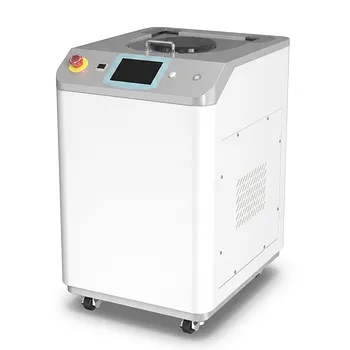
High Viscosity Planetary Centrifugal Mixing and Vacuum Defoaming Machine for Laboratory Material Preparation
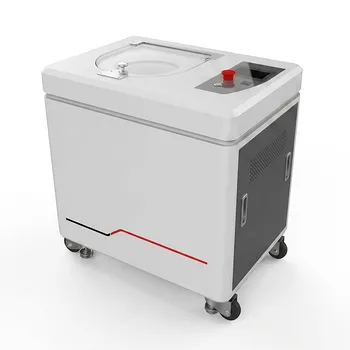
非介入式材料均质机真空脱泡行星搅拌高粘度混合设备
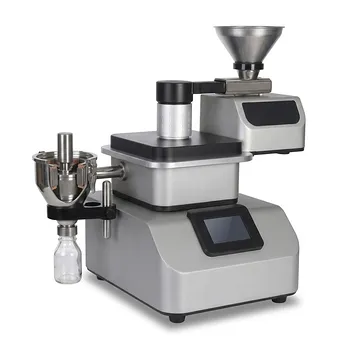
Ultra Centrifugal Mill for Rapid Laboratory Sample Preparation and Fine Powder Grinding
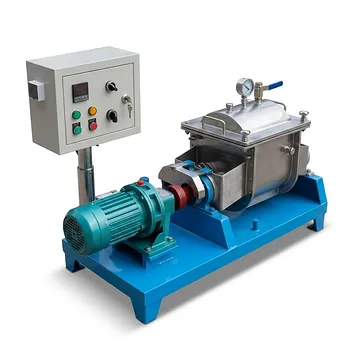
Industrial Vacuum Kneader for High-Viscosity Silicone, Rubber, and Compound Mixing
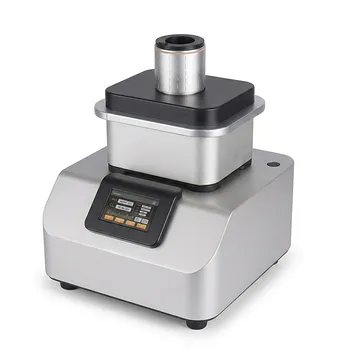
Ultra Centrifugal Mill High Speed Laboratory Grinder for Fibrous and Brittle Sample Preparation
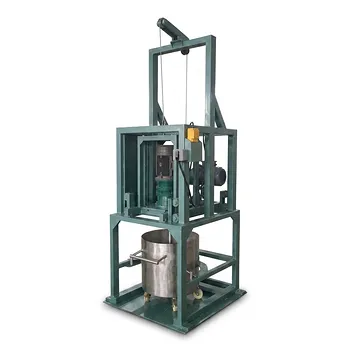
High-Speed Simple Disperser for Efficient Mixing, Dispersion, and Emulsification
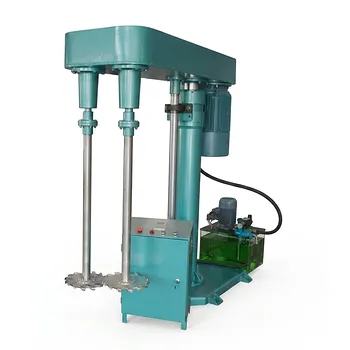
Hydraulic Double Shaft Disperser for High Viscosity Liquid Mixing and Dispersion
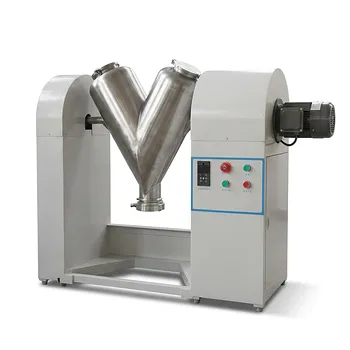
V-Type Powder Mixer for Uniform Blending of Dry Powders and Granules
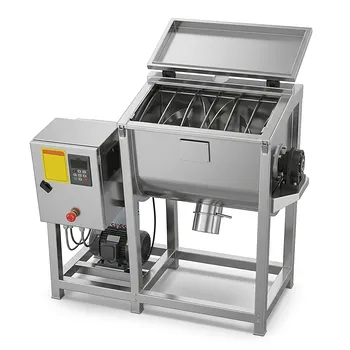
Horizontal Ribbon Mixer for Uniform Powder and Slurry Mixing
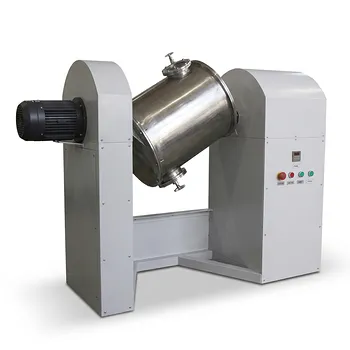
Inclined Mixer for Homogeneous Powder Blending and Grinding
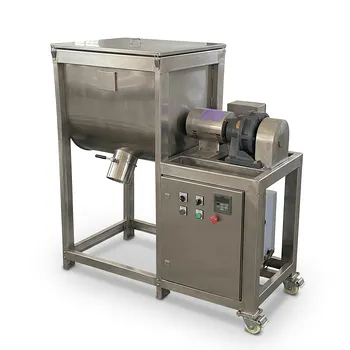
Horizontal Ribbon Mixer for Dry Powder and Slurry Blending
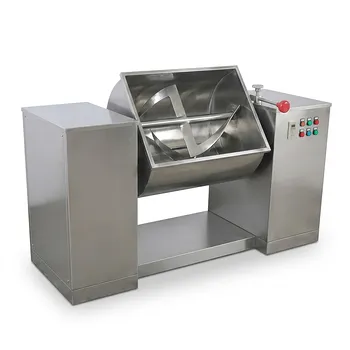
Horizontal Trough Mixer for Uniform Powder and Paste Blending
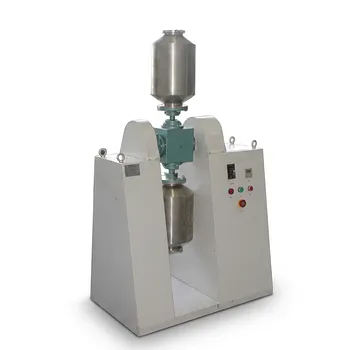
Multi Dimensional Universal Mixer for High Uniformity Powder Blending