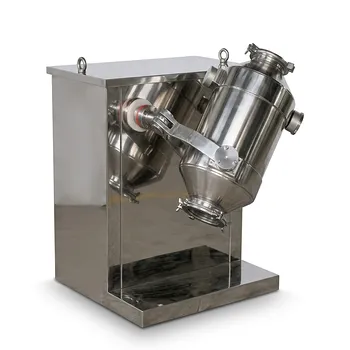
Why is a vacuum defoaming mixer essential for DLP 3D printing ceramic slurries? Key to Structural Integrity
Updated 5 months ago
Achieving structural integrity in Digital Light Processing (DLP) 3D printing depends entirely on the homogeneity and purity of the ceramic slurry. A vacuum defoaming mixer is essential because it utilizes simultaneous revolution and rotation under negative pressure to forcibly eliminate micro-bubbles that would otherwise cause internal voids or interlayer delamination. By ensuring a bubble-free mixture, this equipment enables the production of high-density "green bodies" that can withstand the rigors of the sintering process without structural failure.
The vacuum defoaming mixer is the critical link between raw material preparation and successful 3D printing. It removes microscopic air pockets and ensures a uniform distribution of particles, which is the only way to prevent the internal defects and mechanical weaknesses that plague high-viscosity ceramic composites.
Eliminating Microscopic Structural Defects
Removing Entrapped Micro-bubbles
During the initial mixing of ceramic powders, binders, and additives, air is naturally trapped within the high-viscosity slurry. A vacuum centrifugal mixer uses centrifugal force to drive these micro-bubbles—even those smaller than 1 micron—to the surface where the negative pressure environment eliminates them.
Preventing Internal Voids and Fractures
If bubbles remain in the slurry during the DLP process, they create internal voids within the printed layers. These voids act as microscopic fracture points, leading to delamination between layers or structural failure of the part during the subsequent sintering stage.
Controlling Stress Concentration Points
In advanced composites like SiC/Cf, residual bubbles transform into pore defects after the material hardens. These pores become stress concentration points, significantly reducing the tensile strength and overall durability of the final ceramic matrix.
Optimization of the DLP Light-Curing Process
Ensuring Photopolymerization Integrity
The presence of air within the slurry can actually inhibit the photopolymerization reaction required for light-curing. By thoroughly defoaming the material, you ensure that the UV light interacts purely with the photosensitive resins and ceramic loaders, leading to a more consistent cure.
Maintaining Consistent Material Flow
High-viscosity slurries with high filler loads are prone to flow interruptions if air pockets are present. Vacuum mixing ensures a continuous, smooth flow of material, which is vital for maintaining the structural integrity of long-span filaments and complex micro-lattice structures.
Achieving High Homogeneity
Beyond just removing air, the dual-action motion of the mixer ensures that components like alumina powder and binders are blended with high uniformity. This homogeneity is a prerequisite for achieving the uniform shrinkage rates required during the firing and sintering of ceramic parts.
Understanding the Trade-offs
Volatile Component Evaporation
While the vacuum environment is necessary for defoaming, it can potentially cause the evaporation of volatile organic binders or solvents within the slurry. Precision control of the vacuum level and processing time is required to maintain the chemical balance of the photosensitive resin.
Heat Generation in High-Viscosity Loads
The intense centrifugal forces required to process high-filler ceramic slurries can generate frictional heat. If not monitored, this temperature rise may trigger premature polymerization (scumming) of the photosensitive components before the printing process even begins.
How to Apply This to Your Project
Recommendations for Slurry Preparation
- If your primary focus is maximizing part density: Prioritize a mixer that offers high-speed centrifugal revolution to ensure the removal of micro-bubbles larger than 1 micron.
- If your primary focus is working with high-viscosity "pastes": Ensure your equipment can maintain a strong vacuum (negative pressure) while simultaneously providing enough torque to homogenize high-filler loads.
- If your primary focus is structural durability in composites: Use extended defoaming cycles to eliminate microscopic pore defects that act as stress concentration points in the final sintered component.
Ensuring your ceramic slurry is free of air and perfectly homogenous is the most effective way to guarantee the mechanical excellence of your 3D-printed technical ceramics.
Summary Table:
| Feature | Impact on Ceramic Slurry | Benefit for DLP 3D Printing |
|---|---|---|
| Vacuum Deaeration | Removes trapped micro-bubbles | Prevents internal voids and interlayer delamination. |
| Centrifugal Mixing | Forcibly homogenizes high-viscosity pastes | Ensures uniform particle distribution and consistent curing. |
| Negative Pressure | Eliminates microscopic air pockets | Improves the density of green bodies and final sintered parts. |
| Dual-Action Motion | Uniform blending of powders and binders | Reduces stress concentration points and ensures smooth flow. |
Achieve Flawless Material Preparation with Our Expert Solutions
At our core, we provide complete laboratory sample preparation solutions for material science, specializing in the high-precision powder processing and compaction equipment your research demands. For DLP 3D printing professionals, our vacuum defoaming mixers are the industry standard for creating the bubble-free, high-homogeneity slurries required for technical ceramics.
Our extensive product line supports every stage of your material workflow:
- Powder Processing: Crushers (jaw/roll), liquid nitrogen cryogenic grinders, and diverse mills (planetary ball, jet, sand/bead, disc, rotor).
- Mixing & Deaeration: Advanced powder mixers and specialized vacuum defoaming mixers.
- Sizing & Analysis: Sieve shakers (vibratory/air-jet) with precision test sieves.
- Compaction & Sintering: A full spectrum of hydraulic presses, including Cold/Warm Isostatic Presses (CIP/WIP), standard lab presses, XRF pellet presses, and high-temperature vacuum hot presses.
Ready to eliminate structural defects and optimize your ceramic matrix composites? Contact us today to find your custom solution and see how our equipment can enhance your laboratory's efficiency and material performance.
References
- Joanna Tańska, Paulina Wiecińska. Thermal analysis of the components used in the fabrication of Al2O3–Ni and Al2O3–Mo composites via vat photopolymerization followed by spark plasma sintering. DOI: 10.1007/s10973-025-14596-9
Mentioned Products
- Industrial Planetary Centrifugal Vacuum Defoaming Mixer for High Viscosity Paste and Powder Homogenization
- High Viscosity Planetary Centrifugal Vacuum Mixer for Material Defoaming and Uniform Mixing
- Industrial Planetary Centrifugal Vacuum Defoaming Mixer for High Viscosity Paste and Advanced Material Science
- Dual Cup Vacuum Centrifugal Mixer Planetary Paste Defoaming Machine Industrial Material Processor
- 非介入式材料均质机真空脱泡行星搅拌高粘度混合设备
People Also Ask
- What are the advantages of planetary centrifugal mixers for LSM-CeO2 slurries? Superior Results
- Why is a planetary centrifugal defoaming mixer essential in battery slurry? Achieve High Homogeneity & Degassing
- What process advantages do planetary gravity mixers provide for r-GO/RuO2 electrodes? Achieve Superior Nanoscale Dispersion
- What is the function of industrial planetary centrifugal mixers in 3D printing inks? Achieve Perfect Homogenization
- What are the primary advantages of planetary centrifugal mixers? Master Bladeless Mixing & Vacuum Defoaming

Tech Team · PowderPreparation
Last updated on May 14, 2026
Related Products
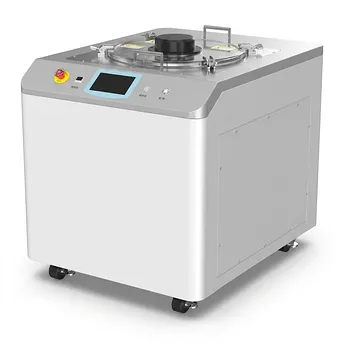
Industrial Planetary Centrifugal Vacuum Defoaming Mixer for High Viscosity Paste and Powder Homogenization
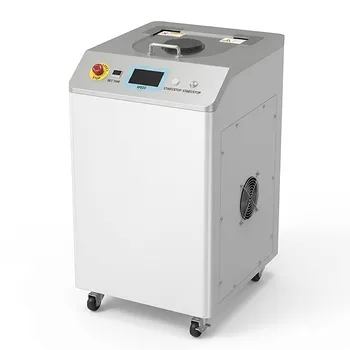
High Viscosity Planetary Centrifugal Vacuum Mixer for Material Defoaming and Uniform Mixing
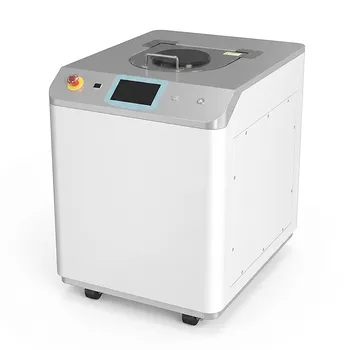
Industrial Planetary Centrifugal Vacuum Defoaming Mixer for High Viscosity Paste and Advanced Material Science
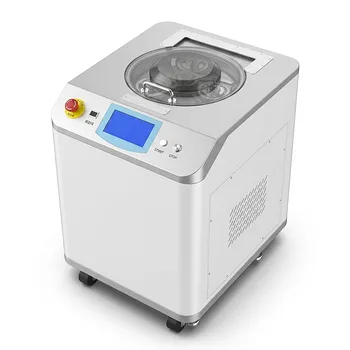
Dual Cup Vacuum Centrifugal Mixer Planetary Paste Defoaming Machine Industrial Material Processor
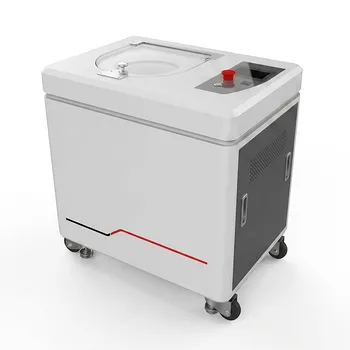
非介入式材料均质机真空脱泡行星搅拌高粘度混合设备
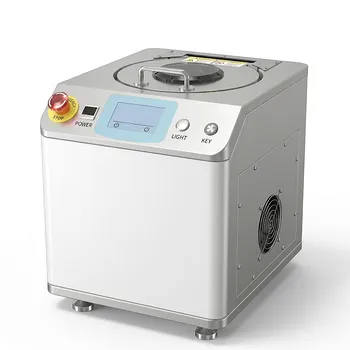
High Efficiency Vacuum Planetary Centrifugal Mixer and Defoaming Machine for Industrial Material Research and Precise Laboratory Powder Dispersion
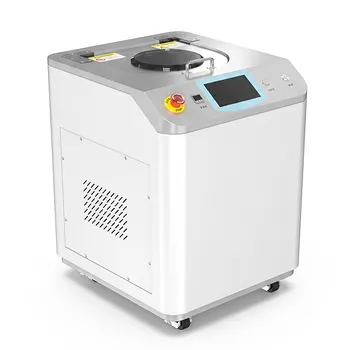
High Speed Vacuum Planetary Centrifugal Mixer and Defoamer for Industrial Paste Processing
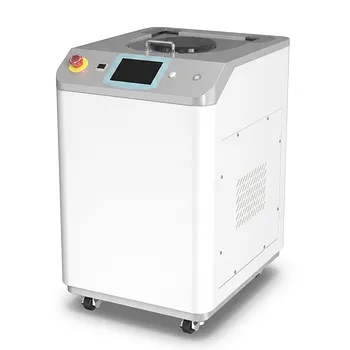
High Viscosity Planetary Centrifugal Mixing and Vacuum Defoaming Machine for Laboratory Material Preparation
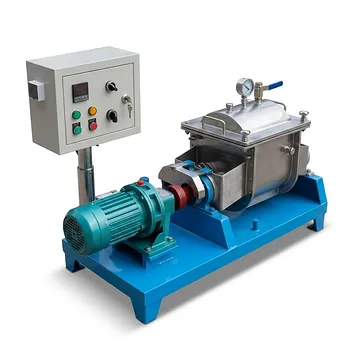
Industrial Vacuum Kneader for High-Viscosity Silicone, Rubber, and Compound Mixing
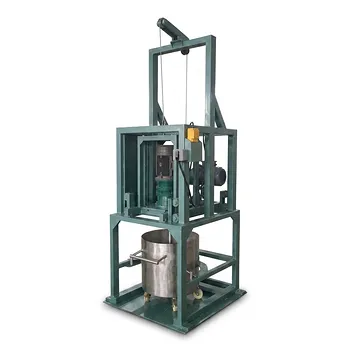
High-Speed Simple Disperser for Efficient Mixing, Dispersion, and Emulsification
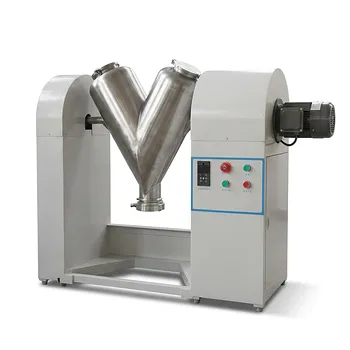
V-Type Powder Mixer for Uniform Blending of Dry Powders and Granules
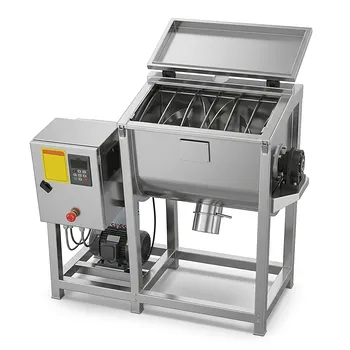
Horizontal Ribbon Mixer for Uniform Powder and Slurry Mixing
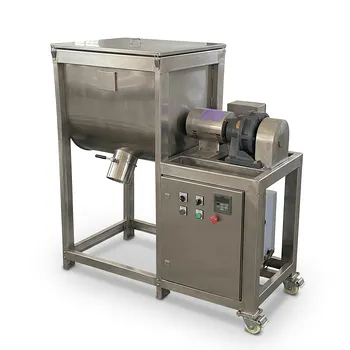
Horizontal Ribbon Mixer for Dry Powder and Slurry Blending
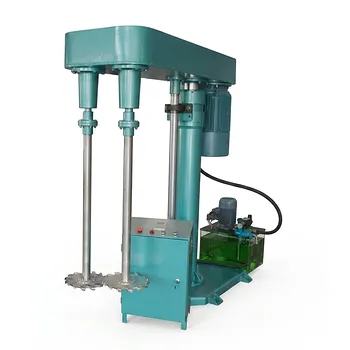
Hydraulic Double Shaft Disperser for High Viscosity Liquid Mixing and Dispersion
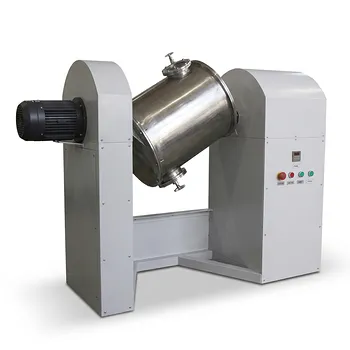
Inclined Mixer for Homogeneous Powder Blending and Grinding
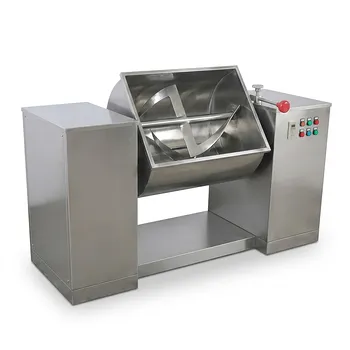
Horizontal Trough Mixer for Uniform Powder and Paste Blending
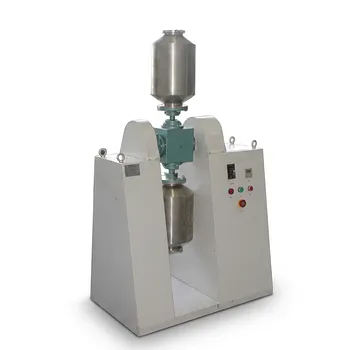
Multi Dimensional Universal Mixer for High Uniformity Powder Blending
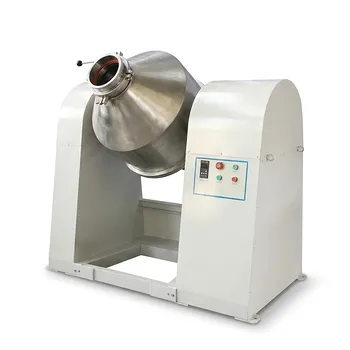
Industrial Double Cone Mixer for Powder Blending and Homogeneous Mixing
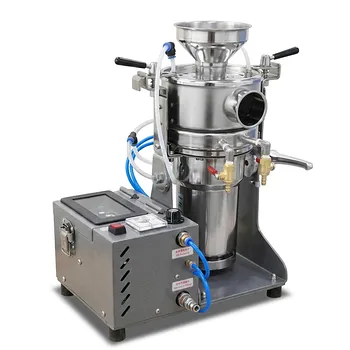
Water Cooled Pulse Jet Ultrafine Grinder