Why is vacuum defoaming necessary for PDMS mixtures before microwave irradiation curing? Key to Structural Integrity
Updated 4 months ago
Vacuum defoaming is a non-negotiable step in PDMS preparation because it extracts entrapped air bubbles that would otherwise compromise the material's structural integrity and repeatability. By creating a negative pressure environment, you ensure that the final material properties are dictated by your specific formulation rather than random air inclusions.
Vacuum defoaming eliminates the "noise" of random air bubbles, allowing for precise control over porosity while preventing gas expansion defects during the heating phase of microwave curing. This step is vital for ensuring mechanical stability, preventing delamination, and achieving consistent material performance.
Precision Control of Material Architecture
Eliminating Random Porosity
In the preparation of microporous PDMS, vacuum defoaming removes residual air introduced during the mixing process. This ensures that the material's porosity and pore size distribution are controlled solely by added sacrificial solvents, such as deionized water or fluorinated solvents.
Ensuring Repeatability
Without defoaming, randomly distributed air bubbles interfere with the intended structure of the polymer. Removing these bubbles is critical for improving the controllability and repeatability of the porous structure across different batches.
Mitigating Defects During Microwave Curing
Preventing Gas Expansion
Microwave irradiation causes rapid heating within the PDMS mixture. If micro-bubbles remain trapped, the sudden increase in temperature causes the gas to expand, which can lead to internal voids, pinholes, or even cracks in the cured material.
Avoiding Surface and Interface Defects
In flexible electronics, trapped air at the interface between PDMS and components leads to interlayer delamination. Defoaming ensures the PDMS tightly encapsulates chips and structures, preventing gaps that would cause failure under mechanical stress.
Chemical Integrity and Cross-linking
The defoaming process also eliminates dissolved oxygen from the mixture. This is important because oxygen can inhibit free radical polymerization, and its removal ensures that organic monomers successfully cross-link into a stable network.
Understanding the Trade-offs
Risk of Volatile Loss
While vacuum is necessary, excessive or prolonged negative pressure can inadvertently remove volatile sacrificial solvents used to create pores. This can shift the intended density or pore structure if the vacuum levels are not carefully monitored.
Viscosity Challenges
High-viscosity PDMS mixtures resist the movement of air bubbles even under vacuum. In these cases, a simple vacuum chamber may be insufficient, requiring planetary centrifugal mixers that combine vacuum with high-speed rotation to force bubbles to the surface.
How to Apply This to Your Process
Recommendations for Success
- If your primary focus is structural precision: Use a high-vacuum environment to ensure that only your sacrificial templates define the internal geometry of the PDMS.
- If your primary focus is flexible electronics encapsulation: Combine vacuum defoaming with a pressing process to eliminate interface gaps and prevent delamination during bending.
- If your primary focus is rapid microwave curing: Ensure a complete defoaming cycle to prevent gas expansion from causing catastrophic structural failure during the rapid heating phase.
By rigorously removing entrapped air, you transform PDMS from an unpredictable mixture into a high-performance engineered material ready for reliable microwave curing.
Summary Table:
| Feature | Impact of Vacuum Defoaming | Benefit to Final Material |
|---|---|---|
| Porosity | Removes random air inclusions | Controlled pore size and architecture |
| Gas Expansion | Eliminates micro-bubbles before heating | Prevents internal cracks and pinholes |
| Interface Quality | Ensures tight encapsulation | Prevents delamination in flexible electronics |
| Polymerization | Removes dissolved oxygen | Facilitates successful free radical cross-linking |
| Consistency | Standardizes preparation environment | Ensures batch-to-batch repeatability |
Elevate Your Material Preparation with Precision Solutions
Achieving bubble-free, high-performance PDMS requires more than just a vacuum—it requires the right engineering. We provide complete laboratory sample preparation solutions tailored for material science and powder processing.
Whether you are handling high-viscosity mixtures or advanced powder compaction, our extensive product line is designed to ensure consistency and reliability:
- Mixing & Defoaming: High-efficiency planetary ball mills, jet mills, and specialized defoaming mixers for flawless PDMS preparation.
- Powder Processing: Advanced crushers (jaw/roll), liquid nitrogen cryogenic grinders, and vibratory/air-jet sieve shakers.
- Material Compaction: A full spectrum of hydraulic presses, including Cold/Warm Isostatic Presses (CIP/WIP), hot presses, and XRF pellet presses.
Don't let random air bubbles or poor compaction compromise your research. Contact our technical experts today to find the perfect equipment for your laboratory workflow!
References
- Shin Jang, Je Hoon Oh. Rapid Fabrication of Microporous BaTiO3/PDMS Nanocomposites for Triboelectric Nanogenerators through One-step Microwave Irradiation. DOI: 10.1038/s41598-018-32609-6
Mentioned Products
- Industrial Planetary Centrifugal Vacuum Defoaming Mixer for High Viscosity Paste and Powder Homogenization
- High Viscosity Planetary Centrifugal Vacuum Mixer for Material Defoaming and Uniform Mixing
- Industrial Planetary Centrifugal Vacuum Defoaming Mixer for High Viscosity Paste and Advanced Material Science
- Dual Cup Vacuum Centrifugal Mixer Planetary Paste Defoaming Machine Industrial Material Processor
- 非介入式材料均质机真空脱泡行星搅拌高粘度混合设备
People Also Ask
- What are the advantages of planetary centrifugal mixers for LSM-CeO2 slurries? Superior Results
- Why is a planetary centrifugal defoaming mixer essential in battery slurry? Achieve High Homogeneity & Degassing
- What process advantages do planetary gravity mixers provide for r-GO/RuO2 electrodes? Achieve Superior Nanoscale Dispersion
- What is the function of industrial planetary centrifugal mixers in 3D printing inks? Achieve Perfect Homogenization
- What are the primary advantages of planetary centrifugal mixers? Master Bladeless Mixing & Vacuum Defoaming

Tech Team · PowderPreparation
Last updated on Jun 03, 2026
Related Products
Industrial Planetary Centrifugal Vacuum Defoaming Mixer for High Viscosity Paste and Powder Homogenization
High Viscosity Planetary Centrifugal Vacuum Mixer for Material Defoaming and Uniform Mixing
Industrial Planetary Centrifugal Vacuum Defoaming Mixer for High Viscosity Paste and Advanced Material Science
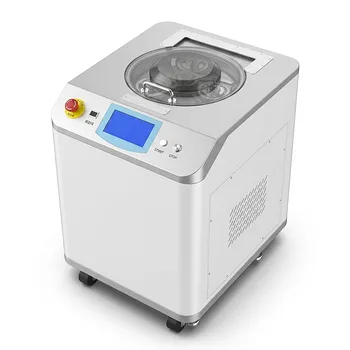
Dual Cup Vacuum Centrifugal Mixer Planetary Paste Defoaming Machine Industrial Material Processor
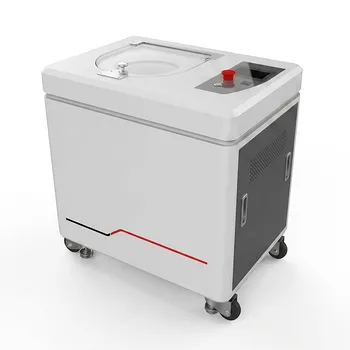
非介入式材料均质机真空脱泡行星搅拌高粘度混合设备
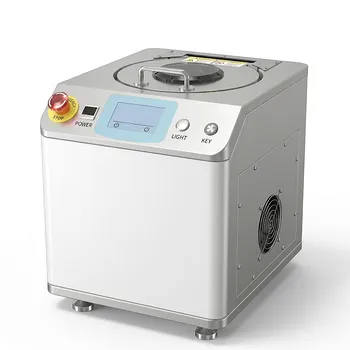
High Efficiency Vacuum Planetary Centrifugal Mixer and Defoaming Machine for Industrial Material Research and Precise Laboratory Powder Dispersion
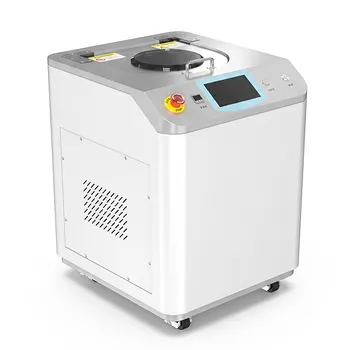
High Speed Vacuum Planetary Centrifugal Mixer and Defoamer for Industrial Paste Processing
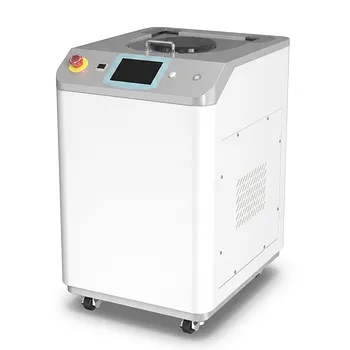
High Viscosity Planetary Centrifugal Mixing and Vacuum Defoaming Machine for Laboratory Material Preparation
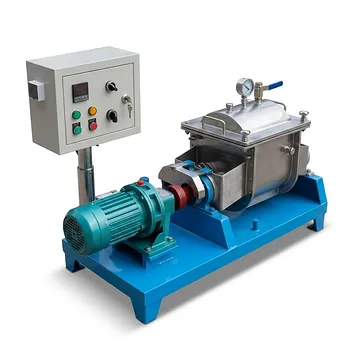
Industrial Vacuum Kneader for High-Viscosity Silicone, Rubber, and Compound Mixing
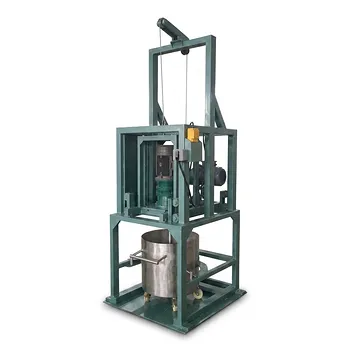
High-Speed Simple Disperser for Efficient Mixing, Dispersion, and Emulsification
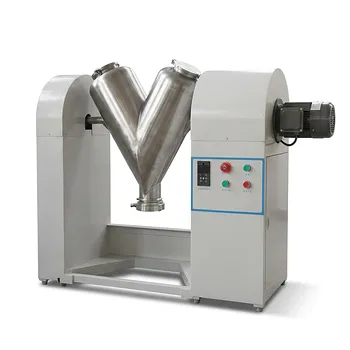
V-Type Powder Mixer for Uniform Blending of Dry Powders and Granules
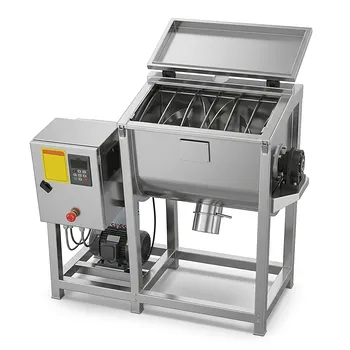
Horizontal Ribbon Mixer for Uniform Powder and Slurry Mixing
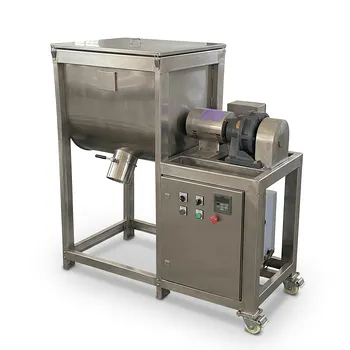
Horizontal Ribbon Mixer for Dry Powder and Slurry Blending
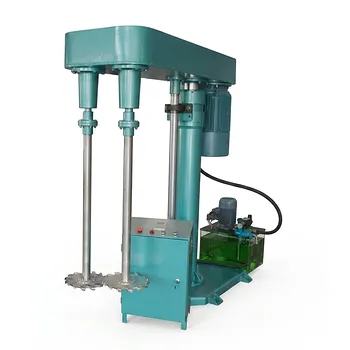
Hydraulic Double Shaft Disperser for High Viscosity Liquid Mixing and Dispersion
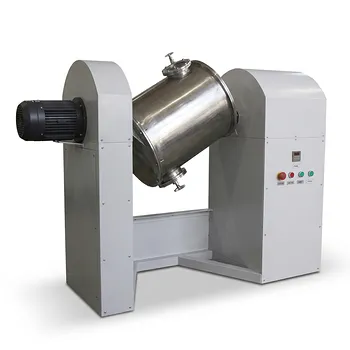
Inclined Mixer for Homogeneous Powder Blending and Grinding
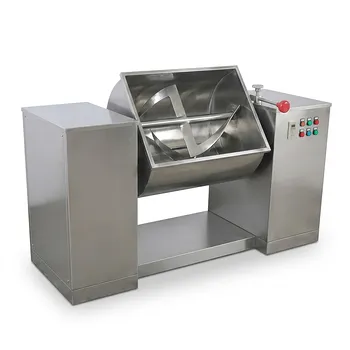
Horizontal Trough Mixer for Uniform Powder and Paste Blending
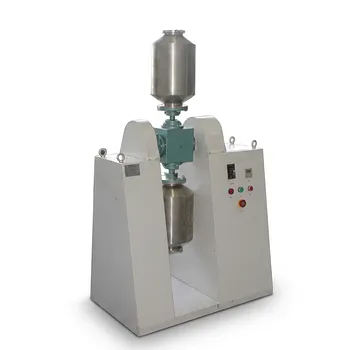
Multi Dimensional Universal Mixer for High Uniformity Powder Blending
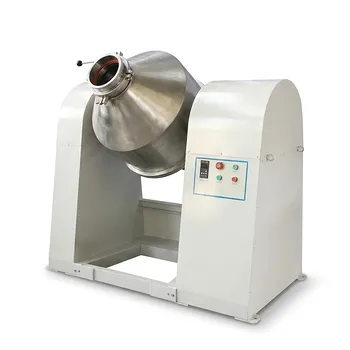
Industrial Double Cone Mixer for Powder Blending and Homogeneous Mixing
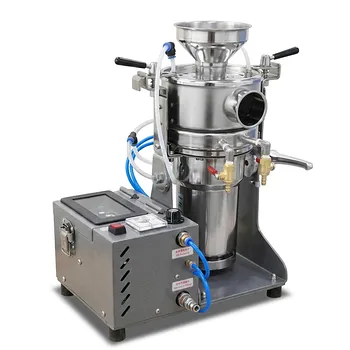
Water Cooled Pulse Jet Ultrafine Grinder