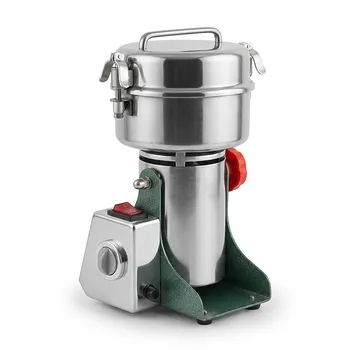
What is the purpose of using standard test sieves for the pretreatment of sand used in cement mortar? Ensure Strength.
Updated 5 months ago
The primary purpose of using standard test sieves for sand pretreatment is to achieve precise particle size classification and the removal of oversized impurities. This standardized process ensures the sand conforms to specific grading requirements—such as Zone 2 classification—which is essential for maintaining consistent mortar proportions. By controlling the aggregate size, engineers can optimize the flowability and ensure stable, predictable mechanical performance once the mortar hardens.
Core Takeaway: Standard test sieves transform raw aggregate into a controlled engineering material by eliminating size variability. This ensures a uniform mortar matrix that prevents stress concentrations and allows for accurate analysis of the material's structural integrity.
Achieving Precise Particle Size Classification
Compliance with Grading Standards
Standard test sieves, typically featuring apertures like 2.36 mm, are used to categorize sand into specific grading zones. This classification is vital for ensuring that the distribution of fine aggregates meets technical specifications for a given mortar mix design.
Consistency in Mortar Proportions
By ensuring the sand particles fall within a predictable range, the reliability of the mixing proportions is maintained. This precision prevents fluctuations in the water-to-cement ratio and helps stabilize the chemical environment required for proper hydration.
Enhancing Structural and Mechanical Integrity
Removal of Oversized Particles
Utilizing sieves with larger apertures, such as 5.0 mm, allows for the rigorous screening of raw sand to remove oversized grains and organic impurities. This pretreatment prevents the formation of stress concentration areas within the hardened mortar, which could otherwise lead to premature cracking or structural failure.
Optimization of Packing Density
A well-graded sand profile, achieved through stacked sieving, allows smaller particles to fill the voids between larger ones. This optimizes the packing density of the mortar, reducing porosity and significantly increasing the final compressive strength of the material.
Improving Matrix Uniformity
A uniform aggregate size ensures that the resulting mortar matrix is homogenous. This is particularly critical in research settings, as it eliminates interference from uneven aggregate sizes when analyzing strength degradation patterns or the impact of additives like silica fume.
Understanding the Trade-offs and Limitations
Labor Intensity and Mesh Wear
While sieving is essential for quality control, it is a labor-intensive process that requires regular maintenance of the equipment. Over time, sieve meshes can stretch or become "blinded" (clogged), which leads to inaccuracies in classification if the equipment is not calibrated frequently.
Material Waste and Cost
Strictly adhering to narrow grading curves can result in a significant amount of rejected material. This waste can increase project costs and require additional logistics for the disposal of non-compliant sand fractions.
Applying Sieving Standards to Your Project
Recommendations for Material Preparation
Effective pretreatment requires matching your sieving protocol to the specific performance requirements of your mortar.
- If your primary focus is experimental accuracy: Use a full stack of high-precision sieves to eliminate all size-related variables and ensure a perfectly uniform matrix for testing.
- If your primary focus is structural load-bearing: Prioritize the removal of all particles over 5.0 mm to prevent stress concentrations that compromise compressive strength.
- If your primary focus is workability and flow: Target a Zone 2 grading classification to ensure the aggregate provides the necessary internal lubrication for easy application.
By strictly controlling the particle size of your sand, you ensure that the final cement mortar performs as a reliable, high-strength engineering material.
Summary Table:
| Key Purpose | Technical Benefit | Impact on Mortar Performance |
|---|---|---|
| Particle Size Grading | Ensures compliance with Zone 2 standards | Stabilizes water-to-cement ratio and mix consistency |
| Impurity Removal | Eliminates particles >5.0 mm and organics | Prevents stress concentrations and premature cracking |
| Density Optimization | Maximizes particle packing efficiency | Reduces porosity and increases compressive strength |
| Matrix Uniformity | Creates a homogenous aggregate blend | Provides predictable mechanical behavior for research |
Elevate Your Material Preparation with Precision Engineering
Achieving the perfect mortar mix starts with rigorous sample preparation. At Kindle Tech, we provide complete laboratory solutions for material science, specializing in high-performance powder processing and compaction equipment.
Whether you need to refine aggregates or prepare advanced composites, our extensive product line has you covered:
- Size Reduction: Jaw/roll crushers, liquid nitrogen cryogenic grinders, and various mills (planetary ball, jet, sand, rotor).
- Classification: Precision vibratory and air-jet sieve shakers with a full range of standard test sieves.
- Mixing & Compaction: Powder and defoaming mixers, plus a full spectrum of hydraulic presses, including Cold/Warm Isostatic Presses (CIP/WIP), XRF pellet presses, and vacuum hot presses.
Ready to optimize your lab's efficiency and ensure structural integrity? Contact our experts today to find the right solution for your project!
References
- Mohammed J. Kadhim, Fayq H. Jabbar. Synergistic Influence of Micro-and Nano-Reactive Additives on Cement Mortar Performance. DOI: 10.18280/rcma.350609
Mentioned Products
- Laboratory Vibratory Test Sieve Shaker for Precision Particle Size Analysis and Powder Grading
- Stainless Steel Laboratory Vibratory Test Sieve Shaker
- Small Laboratory Vibrating Sieve Shaker for Precise Particle Size Analysis
- 三维电磁微量振动筛分仪
- Small Laboratory Vibratory Sieve Shaker for Powder Gradation and Particle Size Analysis
People Also Ask
- What role does a laboratory sieve shaker play in determining PDI? Achieve Precision in Biomass Quality Testing
- What are the functions of sieve shakers for coconut shell powder? Achieve Precise Particle Size & Quality Control.
- What function does a laboratory sieve shaker perform in the PSD analysis of residual soil? Ensure Precise Grading
- What is the role of a laboratory sieve shaker in the preparation of plantain peel adsorbents? Standardize Particle Size
- What is the function of a laboratory vibratory sieve shaker? Enhance Coal Particle Size Distribution (PSD) Analysis

Tech Team · PowderPreparation
Last updated on May 14, 2026
Related Products
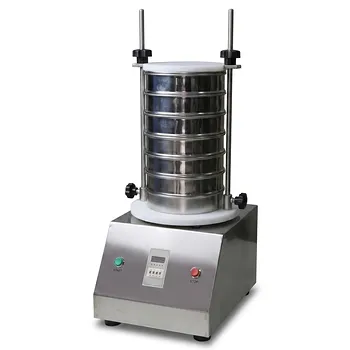
Laboratory Vibratory Test Sieve Shaker for Precision Particle Size Analysis and Powder Grading
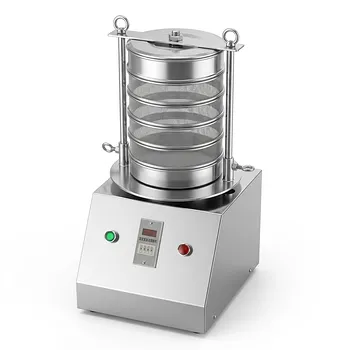
Stainless Steel Laboratory Vibratory Test Sieve Shaker
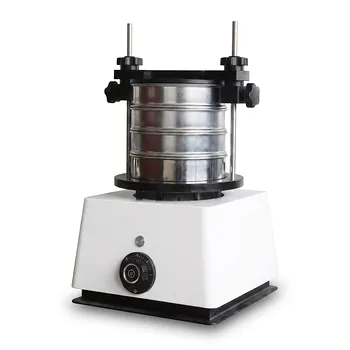
Small Laboratory Vibrating Sieve Shaker for Precise Particle Size Analysis
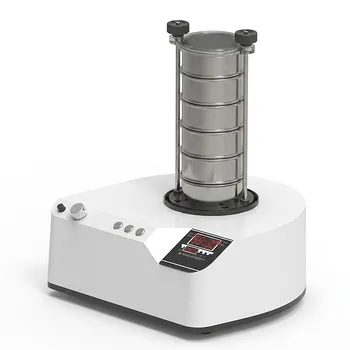
三维电磁微量振动筛分仪
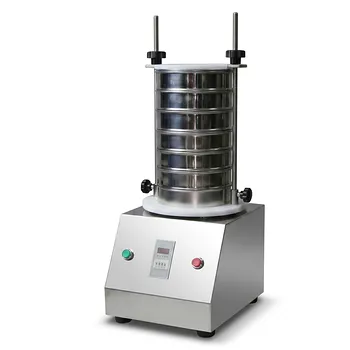
Small Laboratory Vibratory Sieve Shaker for Powder Gradation and Particle Size Analysis
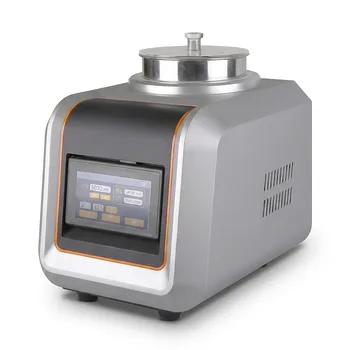
Laboratory Air Jet Sieving Machine for Fine Powder Particle Size Analysis and Deagglomeration
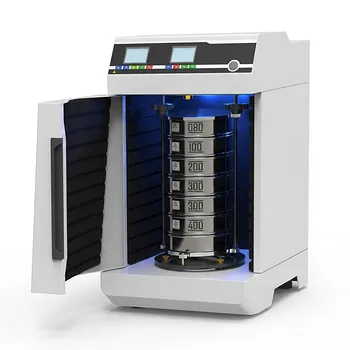
Laboratory Dry and Wet Three Dimensional Vibratory Sieve Shaker for Particle Analysis
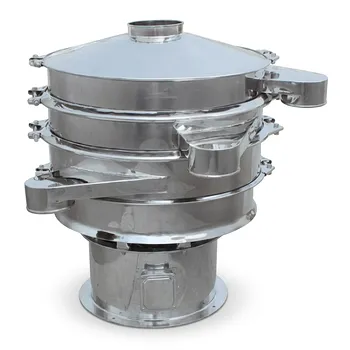
Stainless Steel Rotary Vibrating Sieve High Precision Circular Vibratory Separator Industrial Powder Grading Machine Multi Layer Sifting Equipment
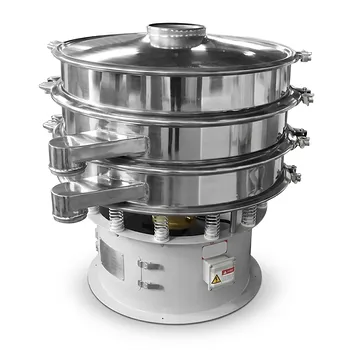
Three Dimensional Rotary Vibrating Sieve
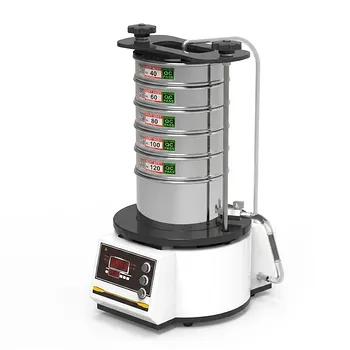
High Frequency Wet Three-Dimensional Vibrating Sieve Shaker for Dry and Wet Particle Size Analysis
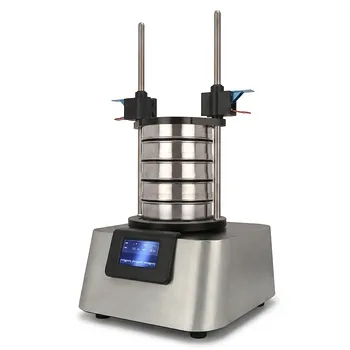
Vibratory Sieve Shaker Electromagnetic 3D Motion Powder Particle Size Analyzer for Dry and Wet Sieving
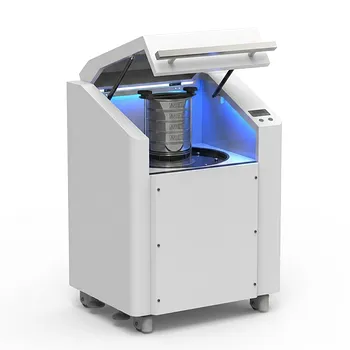
High Frequency Cabinet Type Three-Dimensional Rotary Vibrating Sieve Shaker for Dry Sieving and Particle Classification
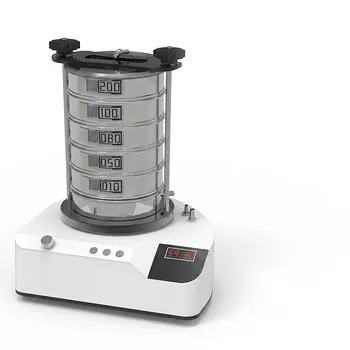
Heavy Duty Dry Three Dimensional Vibratory Sieve Shaker for Particle Separation
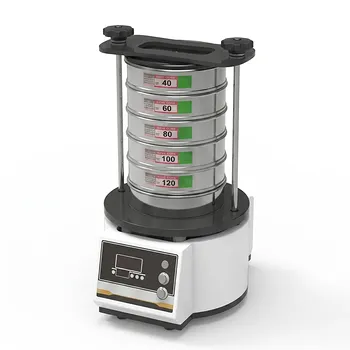
Dry Three Dimensional Vibratory Sieve Shaker
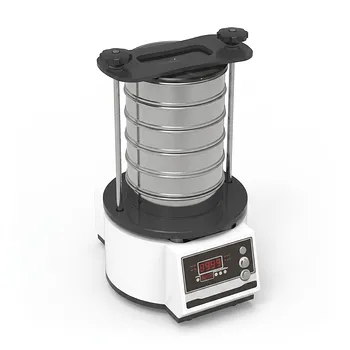
Tapping Oscillating Sieve Shaker for Dry and Wet Particle Size Analysis
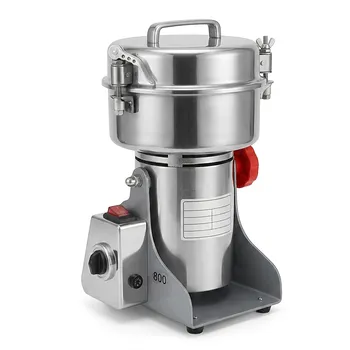
Small High-Speed Laboratory Grinder for Rapid Sample Preparation
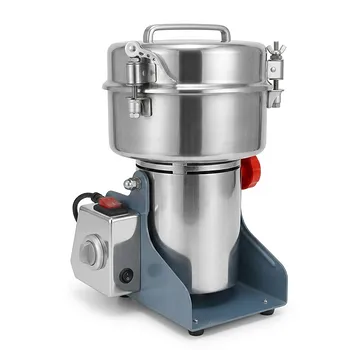
Small High-Speed Grinder for Efficient Laboratory Sample Preparation
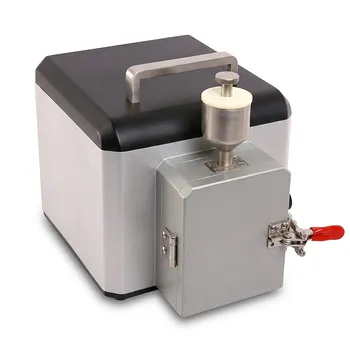
Portable Cutting Mill for Laboratory Sample Preparation and RoHS WEEE Compliance Testing
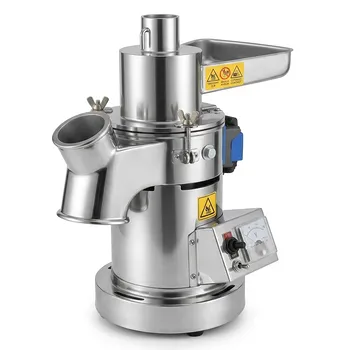
Continuous Feeding Grinder High Efficiency Pulverizer for Lab Sample Preparation