What is the purpose of using dry powder mixing and coating equipment in SiC-TiB2? Engineer Core-Shell Microstructures.
Updated 3 months ago
The primary purpose of using dry powder mixing and coating equipment in SiC-TiB2 preparation is to engineer a "core-shell" structure. This equipment uses mechanical force to attach fine titanium diboride (TiB2) particles onto the surface of pre-wetted silicon carbide (SiC) matrix particles. By pre-positioning the secondary phase at the edges of the matrix particles, the process ensures the formation of continuous, mesh-like conductive channels in the final sintered material.
Dry powder mixing and coating equipment transforms a simple mixture into an engineered composite by strategically positioning phases. This specialized processing is critical for establishing a predictable conductive network and ensuring uniform microstructure during the subsequent sintering phase.
Engineering the Core-Shell Architecture
Strategic Phase Positioning
The equipment applies precise mechanical energy to bond fine TiB2 particles to the surface of pre-wetted SiC matrix particles. This creates a core-shell morphology that dictates how the materials will interact once heat is applied.
Facilitating Conductive Networks
Because TiB2 is positioned on the periphery of the SiC grains, it naturally forms a continuous, mesh-like network during sintering. This architectural control is what allows the composite to achieve high electrical conductivity without requiring excessive amounts of the secondary phase.
Enhancing Sintering Efficiency
Pre-positioning the secondary phase at the grain boundaries optimizes the diffusion paths during the sintering process. This leads to a more consistent microstructure and helps prevent the localized segregation of components.
Ensuring Macro and Micro Homogeneity
Preventing Particle Agglomeration
High-efficiency equipment, such as 3D powder mixers, uses multi-dimensional motion trajectories to ensure thorough displacement of particles. This prevents the formation of TiB2 clusters, ensuring that the reinforcement phase is distributed evenly throughout the matrix.
Precise Stoichiometric Control
For composites requiring in-situ reactions, mixing equipment ensures that precursors are distributed with molecular-level homogeneity. This precision is vital for maintaining the correct chemical ratios and preventing the formation of undesirable impurity phases.
Improving Consistency in Complex Inks
When preparing composite ceramic inks, intensive blending ensures that functional components like TiB2 achieve uniform distribution within liquid carriers. This uniformity is essential for maintaining continuity in processes like direct-writing or thin-film application.
Understanding the Trade-offs
Mechanical Intensity vs. Particle Integrity
While high-intensity mixing is necessary for coating, excessive mechanical energy (such as high-energy planetary ball milling) can be detrimental. Over-processing can lead to undesirable changes in particle aspect ratios and increased chemical activity that may negatively affect the final material properties.
Grain Shape Factor Constraints
Maintaining an optimal crystal shape factor (typically not exceeding 3) is critical for balancing flexural and compressive strength. Engineers must carefully calibrate equipment speed and duration to ensure the mixing process does not degrade the structural geometry of the raw grains.
Energy Consumption and Scaling
The precision required for core-shell coating often involves specialized equipment that may have lower throughput than standard industrial blenders. Balancing the technical requirements of the microstructure with the economic realities of large-scale production remains a key challenge for manufacturers.
Making the Right Choice for Your Goal
How to Apply This to Your Project
To achieve the best results with SiC-TiB2 composites, your equipment selection and process parameters should align with your specific performance targets:
- If your primary focus is electrical conductivity: Prioritize coating equipment that can establish a high-quality core-shell structure to ensure a continuous TiB2 mesh.
- If your primary focus is mechanical strength: Use low-intensity 3D mixers or carefully timed milling to maintain the optimal grain shape factor and prevent particle damage.
- If your primary focus is chemical purity: Utilize high-precision mixers to ensure exact stoichiometry, particularly if the material will undergo self-propagating high-temperature synthesis (SHS).
The strategic use of dry powder mixing and coating equipment is the foundational step in evolving simple powders into high-performance, multifunctional ceramic composites.
Summary Table:
| Key Feature | Mechanism | Objective |
|---|---|---|
| Core-Shell Coating | Bonds fine TiB2 to SiC surfaces | Continuous conductive networks |
| 3D Powder Mixing | Multi-dimensional motion | Prevents particle agglomeration |
| Phase Positioning | Strategic peripheral placement | Optimizes sintering diffusion paths |
| Stoichiometric Control | Molecular-level distribution | Maintains chemical purity |
Transform Your SiC-TiB2 Composite Research
Achieving precise core-shell architecture requires more than just standard blending. We provide complete laboratory sample preparation solutions for material science, specializing in high-precision powder processing and compaction equipment.
Our Expert Solutions Include:
- Precision Mixing & Milling: 3D powder mixers, planetary ball mills, jet mills, and defoaming mixers for molecular-level homogeneity.
- Size Reduction & Analysis: Liquid nitrogen cryogenic grinders, jaw/roll crushers, and vibratory/air-jet sieve shakers.
- Advanced Compaction: A full spectrum of hydraulic presses, including Cold/Warm Isostatic Presses (CIP/WIP), standard lab presses, XRF pellet presses, and vacuum hot presses.
Whether you are optimizing electrical conductivity or mechanical strength, our tools ensure the microstructural control your project demands.
Contact our experts today to find the right equipment for your lab!
References
- Zeynep Sude Bulut, Salih Çağrı Özer. Improved Thermoelectric Properties of SiC Composites with Optimized TiB2 Network Structures. DOI: 10.2339/politeknik.1625094
Mentioned Products
- Horizontal Ribbon Mixer for Dry Powder and Slurry Blending
- V-Type Powder Mixer for Uniform Blending of Dry Powders and Granules
- Industrial Double Cone Mixer for Powder Blending and Homogeneous Mixing
- Horizontal Trough Mixer for Uniform Powder and Paste Blending
- Horizontal Ribbon Mixer for Uniform Powder and Slurry Mixing
People Also Ask
- How does the fill level of a horizontal mixer influence the selection of the stirring mechanism? Optimize Your Design
- What is the technical significance of radial clearance in horizontal mixers? Boost Homogeneity & Reduce Dead Zones.
- How should the operation of mixing equipment be adjusted when processing cohesive powders? Key Operational Strategies
- What is the purpose of using a powder mixer to process Cu, Zn, and Al powders? Achieve Uniform High-Quality Coatings
- Why is the mixing process critical when incorporating carbonized products into an epoxy resin matrix? Maximize Strength

Tech Team · PowderPreparation
Last updated on Jun 03, 2026
Related Products
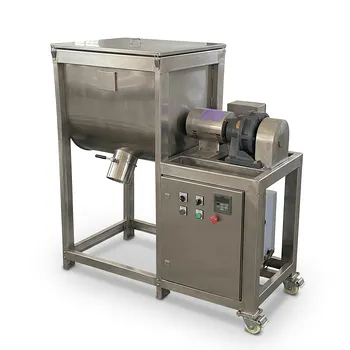
Horizontal Ribbon Mixer for Dry Powder and Slurry Blending
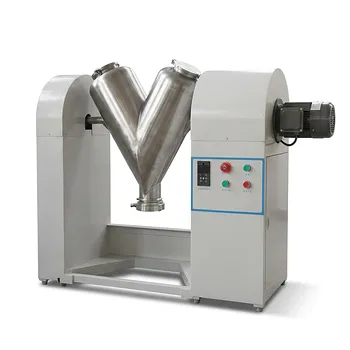
V-Type Powder Mixer for Uniform Blending of Dry Powders and Granules
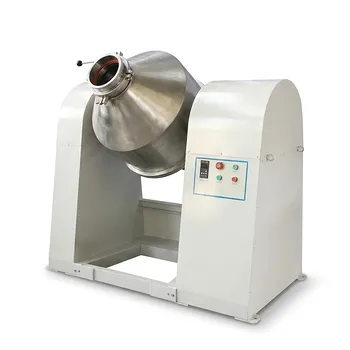
Industrial Double Cone Mixer for Powder Blending and Homogeneous Mixing
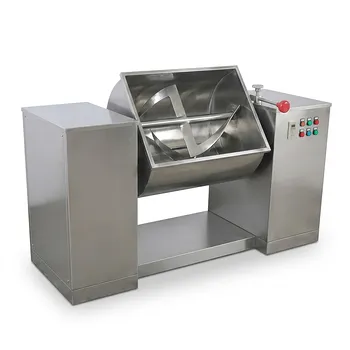
Horizontal Trough Mixer for Uniform Powder and Paste Blending
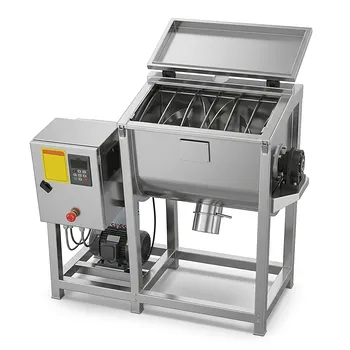
Horizontal Ribbon Mixer for Uniform Powder and Slurry Mixing
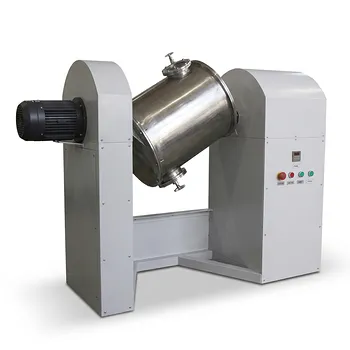
Inclined Mixer for Homogeneous Powder Blending and Grinding
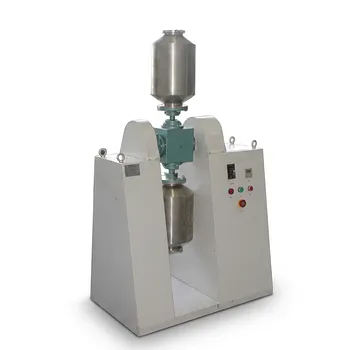
Multi Dimensional Universal Mixer for High Uniformity Powder Blending
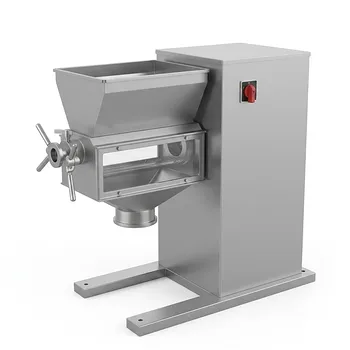
Industrial Swing Granulator for Powder Processing in Pharma Food and Chemical Industries
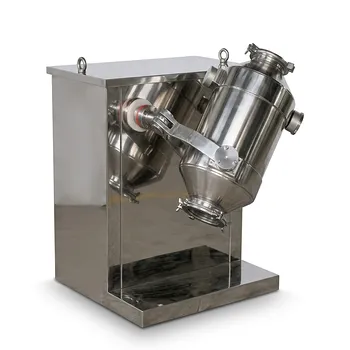
Three-Dimensional Motion Mixer for Laboratory Powder and Granule Blending
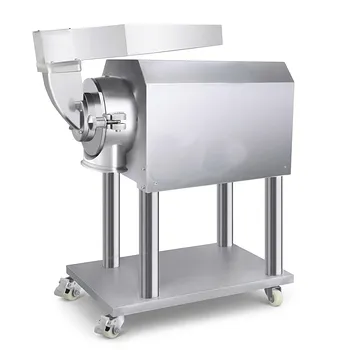
High Speed Small Laboratory Crusher for Dry Material Sample Preparation

Vertical Production Planetary Ball Mill for High Throughput Powder Processing
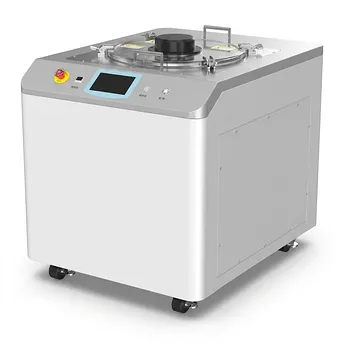
Industrial Planetary Centrifugal Vacuum Defoaming Mixer for High Viscosity Paste and Powder Homogenization
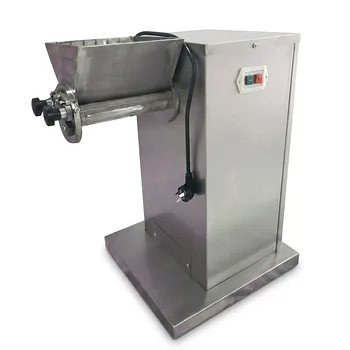
Small Laboratory Oscillating Granulator for Wet and Dry Granulation Processing
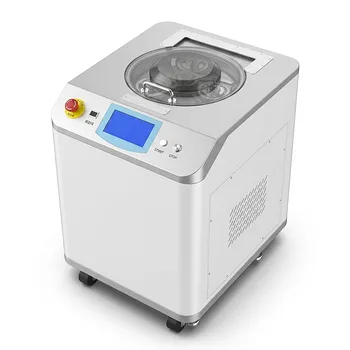
Dual Cup Vacuum Centrifugal Mixer Planetary Paste Defoaming Machine Industrial Material Processor
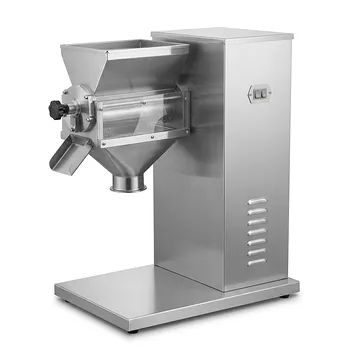
Small Swing Granulator Efficient Powder Granulation for Pharmaceutical Chemical Food Industries
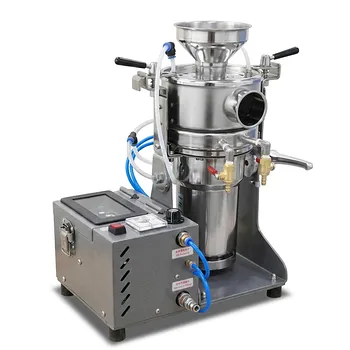
Water Cooled Pulse Jet Ultrafine Grinder
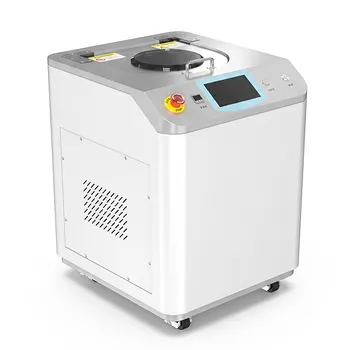
High Speed Vacuum Planetary Centrifugal Mixer and Defoamer for Industrial Paste Processing
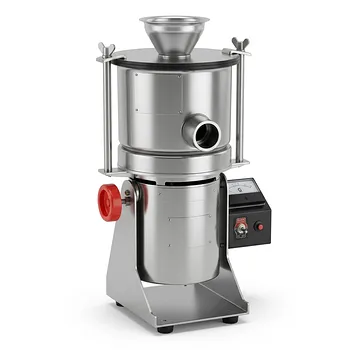
Laboratory Ultrafine Impact and Airflow Grinder for Precise Particle Size Control
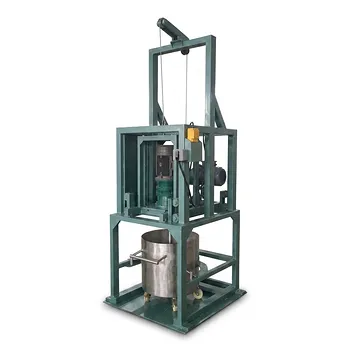
High-Speed Simple Disperser for Efficient Mixing, Dispersion, and Emulsification