How should the operation of mixing equipment be adjusted when processing cohesive powders? Key Operational Strategies
Updated 4 months ago
Adjusting mixing operations for cohesive powders requires a shift from standard gravitational flow logic to a high-energy mechanical approach. To process these materials effectively, equipment must be configured with higher drive power and variable speed controls to overcome significant internal friction and atypical torque profiles.
Mixing cohesive powders necessitates a more robust drive system capable of handling higher startup torques and suppressed fluctuations. Success depends on actively adjusting rotational speeds to force material circulation that would otherwise be hindered by the powder's internal resistance.
The Mechanical Challenges of Cohesiveness
Overcoming High Internal Friction
Cohesive powders possess a high degree of internal friction, which creates substantial resistance against the mixing blades. This resistance is significantly higher than that of free-flowing powders, which move with minimal inter-particle interference.
Because of this friction, the equipment requires higher drive power to maintain the necessary movement. Without sufficient power, the blades may stall or fail to reach the speeds required for a homogenous mix.
Managing Elevated Torque Loads
Operators will encounter higher startup and average torques during the initial stages of processing cohesive materials. These peaks occur as the drive system attempts to break the static friction of the settled powder bed.
It is critical to ensure that the motor and drive train are rated for these initial surges. Failure to account for these torque demands can lead to premature mechanical failure or frequent tripped breakers.
Refining the Mixing Dynamics
Adjusting Rotational Speed for Circulation
Unlike free-flowing powders that move predictably through gravity and displacement, cohesive materials tend to stick and clump. Operators must adjust rotation speeds specifically to optimize the material's circulation path within the vessel.
Finding the "sweet spot" for speed ensures that the powder is actively moved through the mixing zone rather than rotating as a single, solid mass. This adjustment is the primary tool for eliminating stagnant zones where material might otherwise remain unmixed.
Monitoring Torque Signatures
Cohesive materials change the "feedback" the machine provides by suppressing the amplitude of torque fluctuations. They also alter the phase relationship between the torque applied and the position of the mixing blades.
By monitoring these altered signals, operators can gain insight into the state of the mix. These shifts in torque behavior serve as a diagnostic tool to determine if the material is circulating correctly or if it is resisting the blending process.
Understanding the Trade-offs
Power Consumption vs. Heat Generation
While higher drive power is necessary to move cohesive powders, it leads to increased energy consumption. This mechanical energy is often converted into heat due to the high internal friction of the particles.
If the material is heat-sensitive, the high-energy mixing required for cohesion can lead to product degradation. Operators must balance the need for intense mixing with the thermal limits of the powder.
Mechanical Wear and Tear
The constant high-torque environment accelerates wear on seals, bearings, and blades. While free-flowing powders allow for longer maintenance intervals, cohesive powders demand a more rigorous inspection schedule.
Using high speeds to force circulation can also increase particle attrition. If maintaining a specific particle size is critical, the increased mechanical force may be a significant downside.
How to Apply This to Your Project
When transitioning from free-flowing to cohesive powder processing, your operational strategy should be dictated by your specific production goals.
- If your primary focus is equipment reliability: Invest in high-torque motors and soft-start controllers to manage the intense startup loads typical of cohesive materials.
- If your primary focus is mixture homogeneity: Utilize Variable Frequency Drives (VFDs) to fine-tune rotation speeds, ensuring the material follows an optimal circulation path rather than clumping.
- If your primary focus is processing heat-sensitive materials: Implement cooling jackets or pulsed mixing cycles to dissipate the heat generated by high internal friction.
By proactively adjusting power and speed to match the unique torque profiles of cohesive powders, you ensure a consistent, high-quality mix while protecting your mechanical assets.
Summary Table:
| Feature | Free-Flowing Powders | Cohesive Powders |
|---|---|---|
| Internal Friction | Low; particles slide easily | High; particles resist movement |
| Drive Power | Standard requirements | High power needed to overcome friction |
| Startup Torque | Low and predictable | High; requires robust drive systems |
| Speed Control | Gravitational flow logic | Active VFD adjustment for circulation |
| Heat Sensitivity | Low risk of friction-induced heat | High risk due to mechanical energy conversion |
| Maintenance | Standard intervals | Frequent (high wear on seals/bearings) |
Optimize Your Powder Processing with Expert Solutions
Achieving a homogenous mix with cohesive powders requires more than just standard equipment—it demands precision engineering and the right mechanical strategy. We provide complete laboratory sample preparation solutions for material science, specializing in high-performance powder processing and compaction equipment.
Whether you are dealing with high-torque demands or heat-sensitive materials, our extensive product line is designed to meet your specific challenges:
- Advanced Milling & Grinding: Planetary ball mills, jet mills, and liquid nitrogen cryogenic grinders for superior particle control.
- Precision Mixing: Specialized powder mixers and defoaming mixers engineered to handle high-friction cohesive loads.
- Sieving & Analysis: Vibratory and air-jet sieve shakers with a full range of test sieves.
- Compaction Excellence: A full spectrum of hydraulic presses, including Cold/Warm Isostatic Presses (CIP/WIP), XRF pellet presses, and vacuum hot presses.
Don't let material resistance compromise your results. Our experts are ready to help you configure the ideal system for your application. Contact us today to discuss your project requirements!
References
- Bruno Laurent, J. Bridgwater. On the Relationship between Torque and Flow Structure in Powder Mixers. DOI: 10.14356/kona.2001016
Mentioned Products
- V-Type Powder Mixer for Uniform Blending of Dry Powders and Granules
- Multi Dimensional Universal Mixer for High Uniformity Powder Blending
- Inclined Mixer for Homogeneous Powder Blending and Grinding
- Horizontal Trough Mixer for Uniform Powder and Paste Blending
- Horizontal Ribbon Mixer for Dry Powder and Slurry Blending
People Also Ask
- Why is a media-free and ball-free V-type powder mixer used for Al2O3/Inconel 718? Preserve Purity & Shape
- How does a V-type powder mixer facilitate the blending of oxidizers and catalysts? Safe & Uniform Mixing Solutions
- Why is it necessary to consider the influence of static walls in powder mixing experiment design? Optimize Uniformity.
- What role does powder mixing play in Al2O3-Er3Al5O12 ceramics? Achieve Precise Homogeneity and Phase Control
- How do powder mixers and additives influence ZTA ceramics? Optimize microstructure for superior toughness and density

Tech Team · PowderPreparation
Last updated on Jun 03, 2026
Related Products
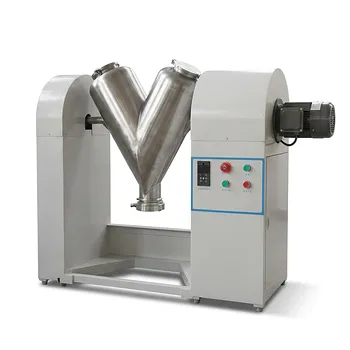
V-Type Powder Mixer for Uniform Blending of Dry Powders and Granules
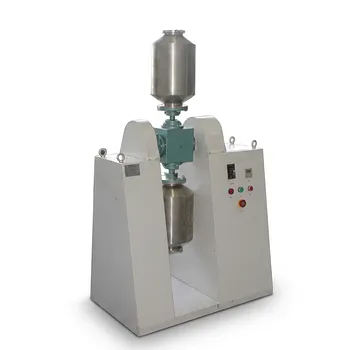
Multi Dimensional Universal Mixer for High Uniformity Powder Blending
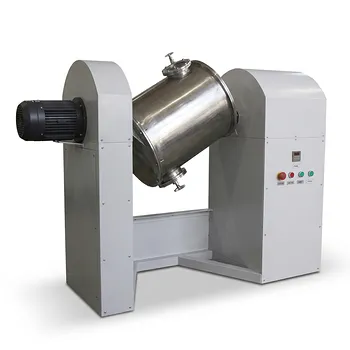
Inclined Mixer for Homogeneous Powder Blending and Grinding
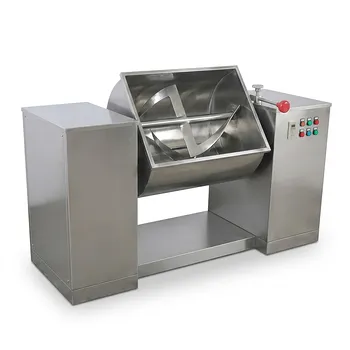
Horizontal Trough Mixer for Uniform Powder and Paste Blending
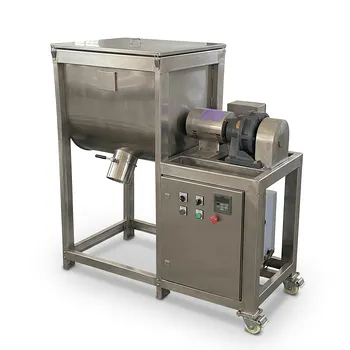
Horizontal Ribbon Mixer for Dry Powder and Slurry Blending
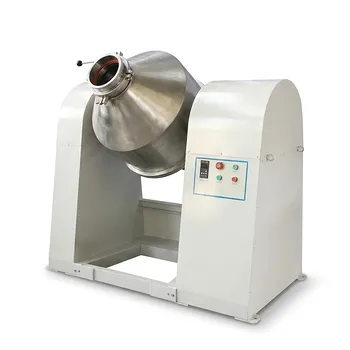
Industrial Double Cone Mixer for Powder Blending and Homogeneous Mixing
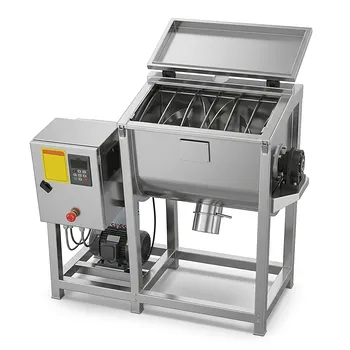
Horizontal Ribbon Mixer for Uniform Powder and Slurry Mixing
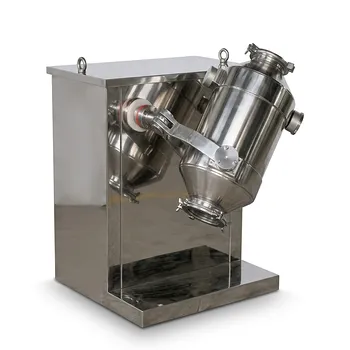
Three-Dimensional Motion Mixer for Laboratory Powder and Granule Blending
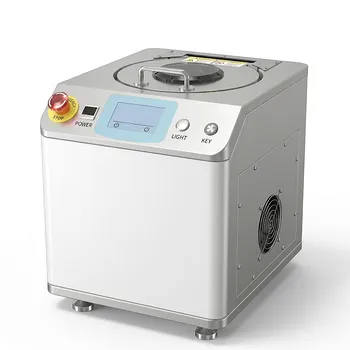
High Efficiency Vacuum Planetary Centrifugal Mixer and Defoaming Machine for Industrial Material Research and Precise Laboratory Powder Dispersion
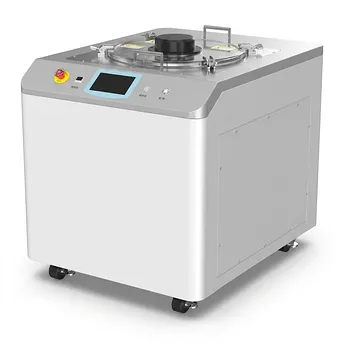
Industrial Planetary Centrifugal Vacuum Defoaming Mixer for High Viscosity Paste and Powder Homogenization
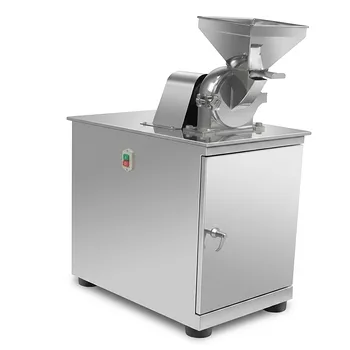
Universal Laboratory Pulverizer Grinder for Small Batch Powder Processing and Material Science Research
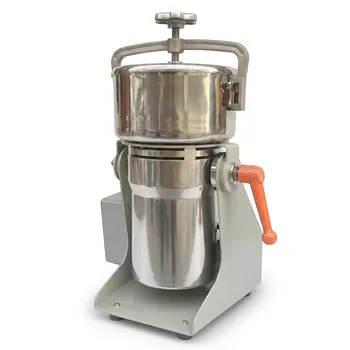
High Speed Laboratory Grinder Efficient Stainless Steel Powder Pulverizer Universal Material Science Mill for Sample Preparation
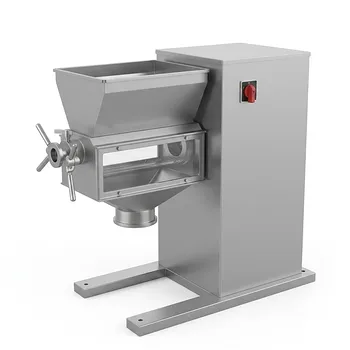
Industrial Swing Granulator for Powder Processing in Pharma Food and Chemical Industries
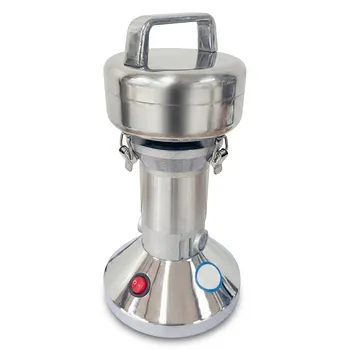
Small Trace Sample High Speed Pulverizer Grinder Laboratory Powder Mill
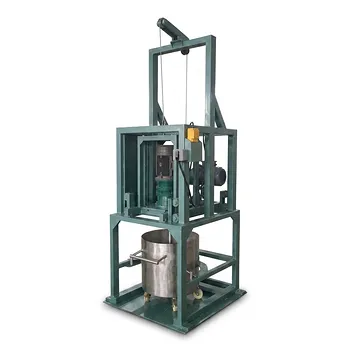
High-Speed Simple Disperser for Efficient Mixing, Dispersion, and Emulsification

Vertical Production Planetary Ball Mill for High Throughput Powder Processing
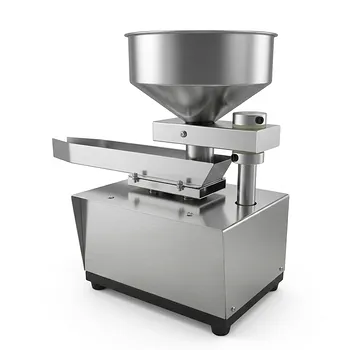
Automatic Vibrating Powder Feeder for Laboratory Material Processing Precision Vibratory Hopper Feeder for Granular and Powder Material Handling Industrial Grade Vibrating Tray Feeder for Consistent Material Sample Preparation
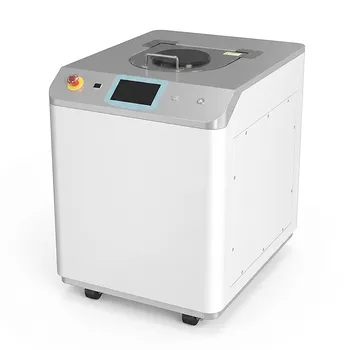
Industrial Planetary Centrifugal Vacuum Defoaming Mixer for High Viscosity Paste and Advanced Material Science
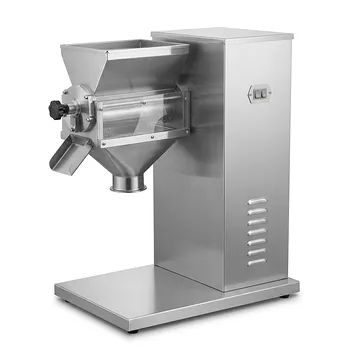
Small Swing Granulator Efficient Powder Granulation for Pharmaceutical Chemical Food Industries