What is the purpose of using a standard sieve for BZCY? Optimize Powder Preparation for Defect-Free Cold Sintering
Updated 5 months ago
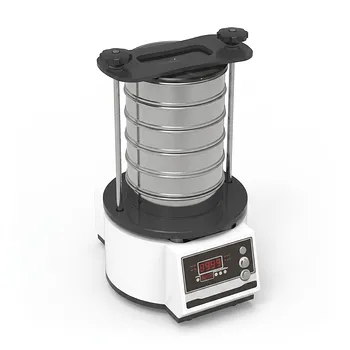
Standard sieving is a critical quality control step in the preparation of Barium Zirconium Cerium Yttrium (BZCY) ceramics. Its primary purpose is to remove large, hard agglomerates that form during the powder drying process to ensure a uniform particle size distribution. This uniformity is essential for consistent mold filling and the prevention of structural defects during the high-pressure cold sintering phase.
Using a standard sieve (typically 100 μm) ensures that BZCY powder achieves a high degree of packing uniformity. This prevents localized stress concentrations and cracking when the material is subjected to the extreme pressures—often up to 400 MPa—required for successful cold sintering.
Ensuring Structural Integrity Through Uniformity
Eliminating Hard Agglomerates
During the synthesis and drying stages of BZCY powder, particles often clump together to form "hard agglomerates." If these are not removed by a standard sieve, they create "islands" of high density within the loose powder. These inconsistencies prevent the powder from behaving as a cohesive, fluid-like mass during the initial stages of pressing.
Optimizing Mold Filling
A uniform particle size distribution, achieved through sieving, allows the powder to fill the sintering mold evenly. When particles are consistent in size, they settle into a stable, high-density arrangement known as "consistent packing density." This ensures that the subsequent application of pressure is distributed equally across the entire volume of the ceramic body.
Managing Mechanical Stress Under High Pressure
Preventing Localized Stress Concentration
Cold sintering BZCY requires immense mechanical force, often reaching pressures of 400 MPa. If the powder contains large agglomerates or non-uniform particles, the applied load does not distribute evenly. Instead, it concentrates on the largest particles, creating "stress hot spots" that can compromise the material's internal structure.
Avoiding Green Body Cracking
The most common failure in cold sintering is the cracking of the "green body"—the compressed but not yet fully densified ceramic. Inconsistent particle sizes lead to uneven density distribution, which causes the material to expand or contract at different rates when pressure is released. Sieving acts as a preventative measure against these catastrophic micro-cracks.
Understanding the Trade-offs
Sieve Mesh Selection
Choosing the correct mesh size is a balance between powder quality and processing efficiency. While a very fine mesh (such as 320 mesh) ensures extreme uniformity for stable slurries, it can significantly slow down production and lead to material loss if the powder has not been sufficiently pre-ground. Conversely, a mesh that is too coarse may fail to remove the very agglomerates that cause structural failure.
Processing Time vs. Material Yield
Extensive sieving ensures a high-quality "green body," but it introduces an additional step in the manufacturing workflow. Manufacturers must ensure that the drying and primary milling stages are optimized to minimize the formation of hard agglomerates, thereby reducing the time spent on the sieving stage and maximizing the yield of usable BZCY powder.
Applying This to Your Powder Preparation
Recommendations for Implementation
- If your primary focus is structural reliability: Use a 100 μm standard sieve to ensure all hard agglomerates are removed before the cold sintering process.
- If your primary focus is high-density slurry preparation: Opt for a higher mesh count, such as 320 mesh, to achieve the consistent size distribution necessary for low-viscosity, high-solid-content slurries.
- If your primary focus is preventing component segregation: Ensure the sieving process is used to unify the initial particle size, which promotes stable flowability and prevents heavier elements from settling during mixing.
By mastering the sieving process, you transform a raw, inconsistent powder into a high-performance material ready for the rigors of cold sintering.
Summary Table:
| Key Preparation Stage | Purpose of Sieving | Impact on Final Ceramic |
|---|---|---|
| Agglomerate Removal | Eliminates hard clumps formed during drying | Prevents localized high-density "islands" |
| Mold Filling | Ensures uniform particle size distribution | Achieves consistent packing density |
| Pressure Management | Distributes load evenly across the powder | Prevents stress hot spots at 400 MPa |
| Structural Integrity | Eliminates inconsistent density zones | Prevents micro-cracks in the green body |
Elevate Your BZCY Research with Precision Preparation Solutions
Achieving high-performance BZCY ceramics requires more than just raw materials—it requires absolute control over powder uniformity and compaction. At [Brand Name], we provide complete laboratory sample preparation solutions specifically designed for material science.
From refining powders with our planetary ball mills and jet mills to ensuring perfect sizing with our vibratory and air-jet sieve shakers, we help you eliminate hard agglomerates at the source. Our industry-leading Cold/Warm Isostatic Presses (CIP/WIP) and high-pressure hydraulic presses are engineered to deliver the precise mechanical force needed to prevent green body cracking and ensure structural integrity.
Ready to optimize your cold sintering workflow? Contact our material science experts today to find the perfect equipment for your powder processing and compaction needs!
References
- Moritz Kindelmann, Olivier Guillon. Highly conductive grain boundaries in cold-sintered barium zirconate-based proton conductors. DOI: 10.1039/d3ta07076j
Mentioned Products
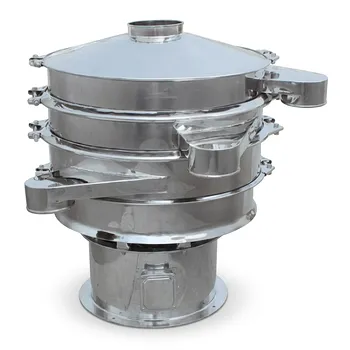
- Stainless Steel Rotary Vibrating Sieve High Precision Circular Vibratory Separator Industrial Powder Grading Machine Multi Layer Sifting Equipment
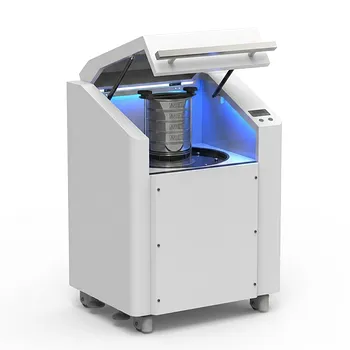
- High Frequency Cabinet Type Three-Dimensional Rotary Vibrating Sieve Shaker for Dry Sieving and Particle Classification
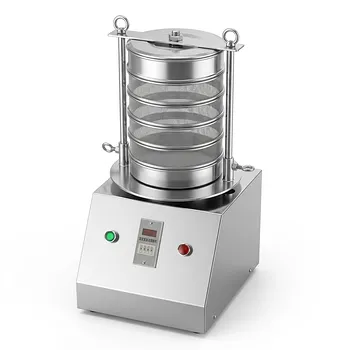
- Stainless Steel Laboratory Vibratory Test Sieve Shaker
- Laboratory Air Jet Sieving Machine for Fine Powder Particle Size Analysis and Deagglomeration
- Three Dimensional Rotary Vibrating Sieve
People Also Ask
- What is the significance of high-precision vibratory sieve machines for SMA? Optimize Aggregate Gradation & Durability
- What is the role of a laboratory-grade high-precision sieve in CPC-PCL? Ensure uniform powder distribution and stability.
- Why is high-precision sieving equipment necessary for aviation-grade composites? Optimize Fiber Strength & Consistency
- What is the function of high-precision vibratory sieve shakers in the analysis of brown rice particle size distribution?
- Why is a high-precision vibratory sieve shaker necessary for wood-polystyrene particles? Maximize composite strength.

Tech Team · PowderPreparation
Last updated on May 14, 2026
Related Products
Stainless Steel Rotary Vibrating Sieve High Precision Circular Vibratory Separator Industrial Powder Grading Machine Multi Layer Sifting Equipment
High Frequency Cabinet Type Three-Dimensional Rotary Vibrating Sieve Shaker for Dry Sieving and Particle Classification
Stainless Steel Laboratory Vibratory Test Sieve Shaker
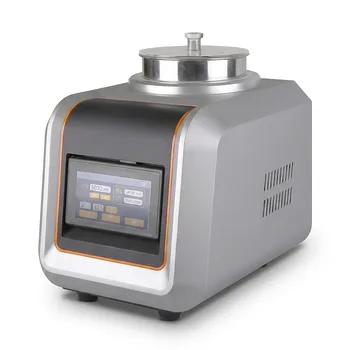
Laboratory Air Jet Sieving Machine for Fine Powder Particle Size Analysis and Deagglomeration
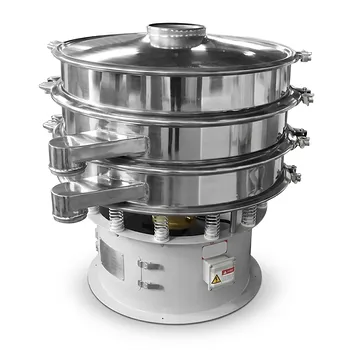
Three Dimensional Rotary Vibrating Sieve
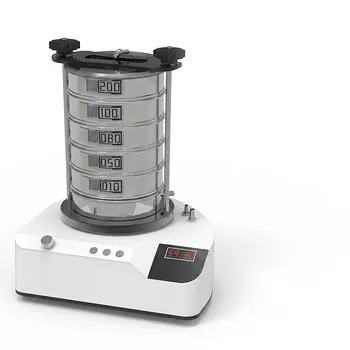
Heavy Duty Dry Three Dimensional Vibratory Sieve Shaker for Particle Separation
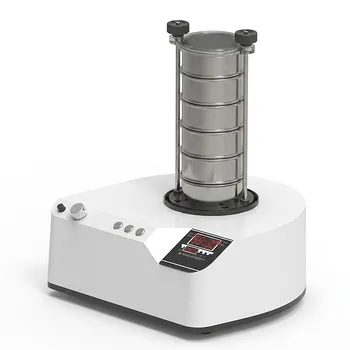
三维电磁微量振动筛分仪

Dry Three Dimensional Vibratory Sieve Shaker
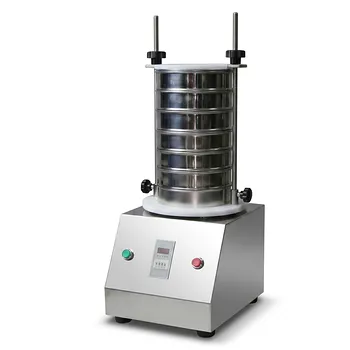
Small Laboratory Vibratory Sieve Shaker for Powder Gradation and Particle Size Analysis
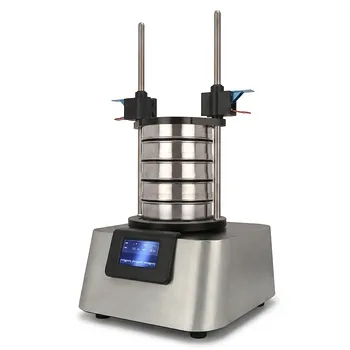
Vibratory Sieve Shaker Electromagnetic 3D Motion Powder Particle Size Analyzer for Dry and Wet Sieving
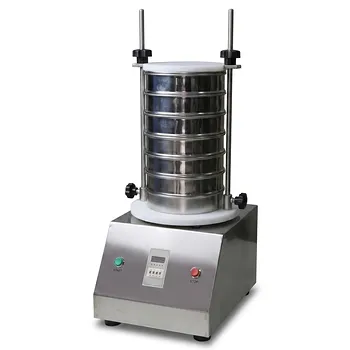
Laboratory Vibratory Test Sieve Shaker for Precision Particle Size Analysis and Powder Grading
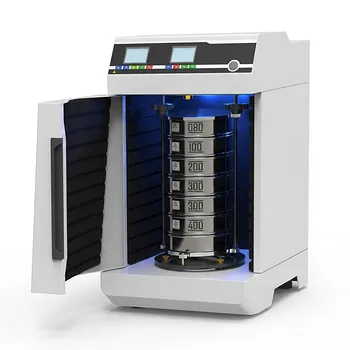
Laboratory Dry and Wet Three Dimensional Vibratory Sieve Shaker for Particle Analysis
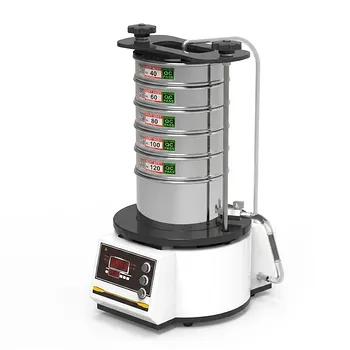
High Frequency Wet Three-Dimensional Vibrating Sieve Shaker for Dry and Wet Particle Size Analysis
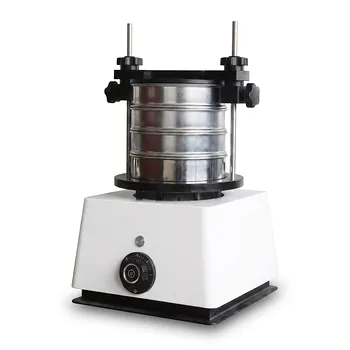
Small Laboratory Vibrating Sieve Shaker for Precise Particle Size Analysis