What is the primary role of a planetary ball mill in WC processing? Achieve Ultrafine Grains and Superior Hardness
Updated 5 months ago
The planetary ball mill serves as the critical engine for high-energy ball milling, ensuring the uniform mixing and extreme refinement of tungsten carbide (WC) and binder phase powders. By grinding materials for dozens of hours, it reduces particles to the micron or nanometer scale, creating the necessary foundation for the formation of ultrafine-grained microstructures during subsequent sintering.
The primary role of the planetary ball mill is to achieve a molecular-level distribution of components while simultaneously "activating" the powder through the accumulation of strain energy. This dual action of mechanical refinement and energy storage is what allows for the production of high-strength, ultrafine-grained cemented carbides.
Achieving Structural Homogeneity and Refinement
Micron and Nanoscale Particle Reduction
The planetary ball mill utilizes high-speed rotation to generate powerful centrifugal and impact forces. These forces deeply crush raw tungsten carbide powders and metallic binders (such as Cobalt or Nickel), reducing them to a highly refined state that is impossible to achieve with standard mixing methods.
Elimination of Powder Agglomeration
Through intense shearing actions of the grinding media, the mill breaks down natural clusters of particles. This process ensures that the binder phase is distributed evenly around the WC particles, preventing "cobalt pooling" or areas of low strength in the final alloy.
Molecular-Level Component Distribution
A planetary mill ensures that all components reach a uniform microscopic distribution. This homogenization is a prerequisite for obtaining a cladding layer or sintered body with a consistent microstructure and no compositional gradients.
Mechanical Activation and Sintering Kinetics
Accumulation of Lattice Defects
The high-energy impacts do more than just break particles; they create high-density lattice defects within the powder. These defects store mechanical energy as strain energy, which alters the physical state of the raw materials before they ever enter a furnace.
Reducing Sintering Activation Energy
By increasing the specific surface area and internal energy of the particles, the milling process significantly reduces the activation energy required for chemical transformations. This facilitates faster solid-state reactions and phase changes during the high-temperature sintering stage.
Direct Carbonization Capabilities
In specific processes, the mechanical activation provided by the mill allows the carbonization reaction of tungsten to occur directly during sintering. This can eliminate the need for a separate, traditional high-temperature carbonization step, streamlining the production workflow.
Understanding the Trade-offs and Constraints
Material Contamination Risks
Extended milling cycles can lead to wear of the grinding jars and balls, which may introduce impurities into the mixture. To mitigate this, practitioners often select grinding media made of the same material (e.g., WC balls) to maintain chemical purity.
Thermal Management Challenges
The high-energy nature of planetary milling generates significant frictional heat. If not managed through wet milling or controlled intervals, this heat can lead to unwanted oxidation of the metallic binders or premature phase changes.
Processing Time vs. Energy Consumption
Achieving a true nanometer-scale distribution often requires several dozen hours of continuous grinding. This creates a high energy demand and limits throughput, requiring a careful balance between the desired grain fineness and production costs.
How to Optimize Milling for Your Project
Determining the Right Milling Parameters
The success of your ultrafine-grained carbide depends on matching the milling intensity to your specific material goals.
- If your primary focus is Maximum Hardness: Prioritize longer milling durations (48+ hours) to achieve the smallest possible WC grain size before sintering.
- If your primary focus is Phase Purity: Utilize WC-based grinding media and jars to ensure that wear-induced debris does not alter the chemical composition of your alloy.
- If your primary focus is Process Efficiency: Explore high-speed rotations (e.g., 560 r/min) and mechanical activation to reduce the time and temperature required in the subsequent sintering furnace.
The planetary ball mill is the indispensable bridge between raw elemental powders and the high-performance, ultrafine microstructures required in modern cemented carbide applications.
Summary Table:
| Key Role | Technical Impact | Core Benefit |
|---|---|---|
| Particle Refinement | Nano-scale reduction via high-energy impact | Foundation for ultrafine microstructures |
| Homogenization | Molecular-level distribution of binders | Eliminates "cobalt pooling" and defects |
| Mechanical Activation | Accumulation of lattice strain energy | Lowers sintering temperature and energy |
| Shearing Action | Breakdown of powder agglomerates | Ensures consistent density and phase purity |
Elevate Your Material Research with Precision Powder Solutions
Are you looking to achieve superior microstructures in your cemented carbides? At [Brand Name], we provide complete laboratory sample preparation solutions for material science, specializing in high-performance powder processing and compaction equipment.
Our extensive product line is designed to handle every stage of your workflow:
- Advanced Milling: Planetary ball mills, jet mills, and cryogenic grinders for extreme refinement.
- Powder Preparation: Crushers, sieve shakers (vibratory/air-jet), and high-precision mixers.
- Compaction Excellence: A full spectrum of hydraulic presses, including Cold/Warm Isostatic Presses (CIP/WIP), vacuum hot presses, and XRF pellet presses.
Whether you are aiming for nanometer-scale grain sizes or high-density sintering, our equipment ensures reliability and repeatable results. Contact us today to discuss your project and discover how our specialized solutions can enhance your lab's efficiency!
References
- Kangwei Xu, Yongxin Jian. Microstructure, Mechanical Properties and Wear Behaviors of Ultrafine-Grain WC-Based Cermets with Different Binder Phases Fabricated by Spark Plasma Sintering. DOI: 10.3390/ma17030659
Mentioned Products
- Vertical Semi Circular Planetary Ball Mill for Laboratory Precision Grinding
- High Energy Planetary Ball Mill for Nano Scale Grinding and Mechanical Alloying
- Heavy Duty Horizontal Planetary Ball Mill for Efficient Industrial Grinding and Sample Preparation
- Vertical Production Planetary Ball Mill for High Throughput Powder Processing
- 360° Rotating Omnidirectional Laboratory Planetary Ball Mill for Homogeneous Ultra-Fine Grinding and Mixing
People Also Ask
- What role does a planetary ball mill play in the synthesis of Li6PS5Cl (LPSCl)? Unlock High Ionic Conductivity
- Why is a planetary ball mill essential for SiBCN-rGO wet-spinning? Achieve Superior Dispersion and Spinnability
- Why is an intermittent grinding process required for perovskites in a planetary ball mill? Ensure Stability & Purity
- Why is a planetary ball mill required for PET micronization? Ensure Accurate Chemical Analysis of Reprocessed PET
- How does mechanized planetary ball milling compare to manual agate grinding? Optimize sulfide standard material precision.

Tech Team · PowderPreparation
Last updated on May 14, 2026
Related Products
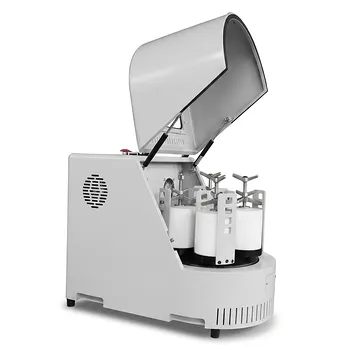
Vertical Semi Circular Planetary Ball Mill for Laboratory Precision Grinding
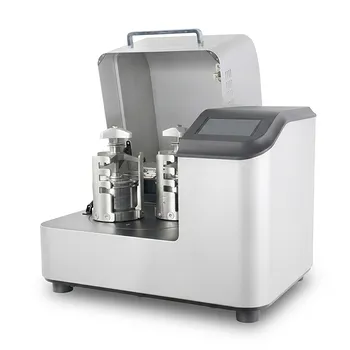
High Energy Planetary Ball Mill for Nano Scale Grinding and Mechanical Alloying
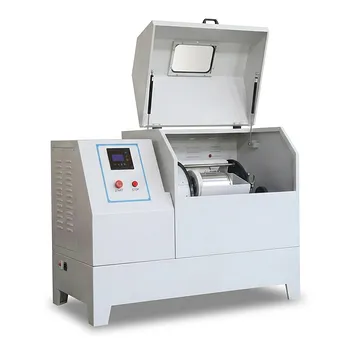
Heavy Duty Horizontal Planetary Ball Mill for Efficient Industrial Grinding and Sample Preparation
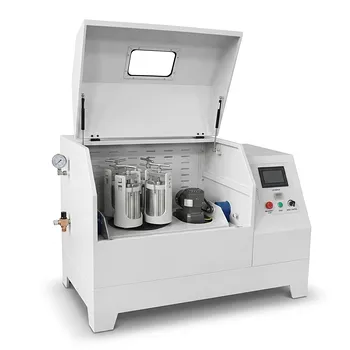
Vertical Production Planetary Ball Mill for High Throughput Powder Processing
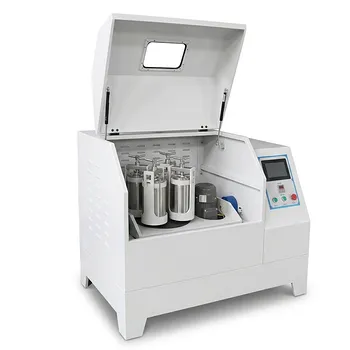
360° Rotating Omnidirectional Laboratory Planetary Ball Mill for Homogeneous Ultra-Fine Grinding and Mixing

Vertical Square Planetary Ball Mill for Laboratory Sample Preparation and Nanoscale Grinding
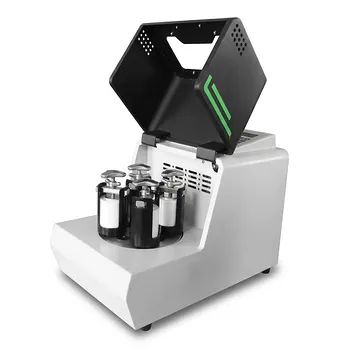
Miniature Planetary Ball Mill with Vacuum Grinding and High Efficiency for Laboratory Sample Preparation
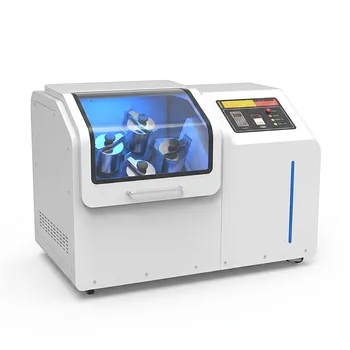
High Energy Omnidirectional Planetary Ball Mill 16L
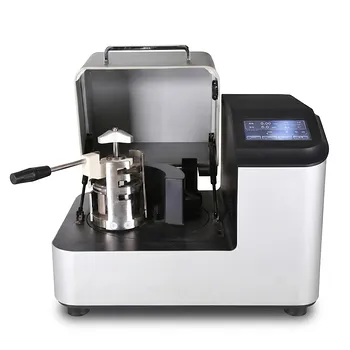
High Energy Laboratory Planetary Ball Mill for Nano Grinding and Material Science Sample Preparation
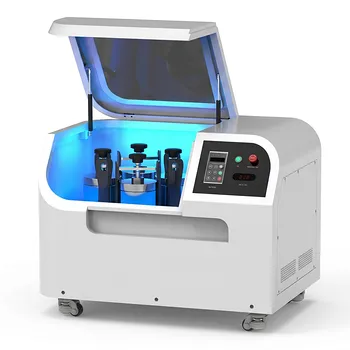
Planetary Ball Mill 12L
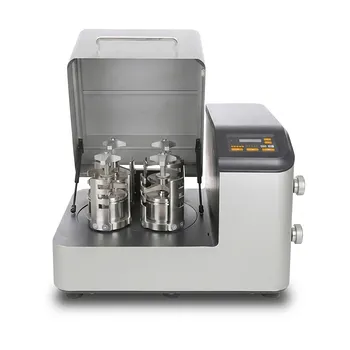
High Energy Planetary Ball Mill for Nano Scale Grinding and Colloidal Mixing in Material Science Research
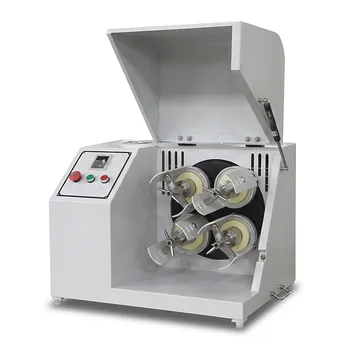
Horizontal Light Duty Planetary Ball Mill for Laboratory Sample Preparation
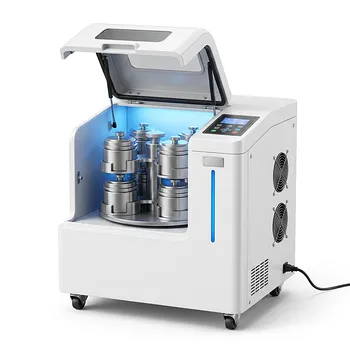
High Energy Omnidirectional Planetary Ball Mill 20L
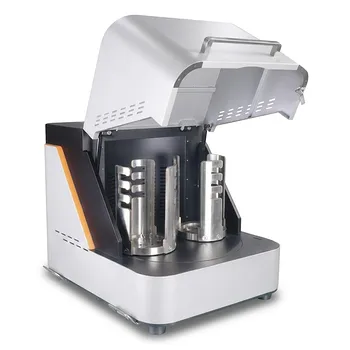
High Energy Laboratory Planetary Ball Mill for Nano Grinding and Colloidal Mixing of Hard and Brittle Materials
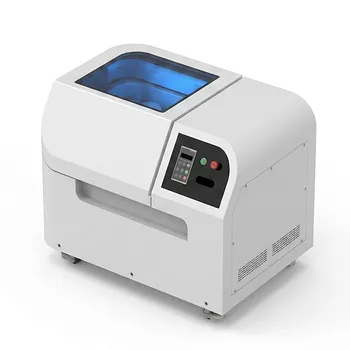
8L Planetary Ball Mill for Laboratory Grinding and Sample Preparation
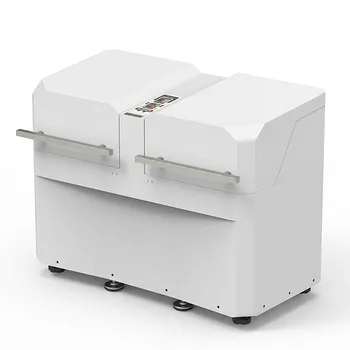
Dual Station Planetary Ball Mill 24L

Multi-Platform Nanoscale High-Energy Vibratory Ball Mill

Nano High Energy Vibratory Ball Mill for Laboratory Sample Preparation
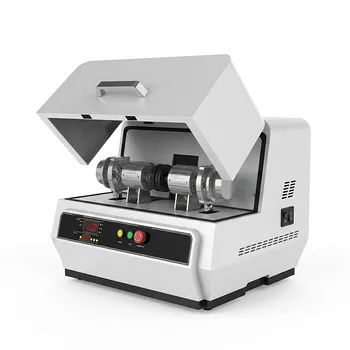
Dual Jar High Energy Vibratory Ball Mill