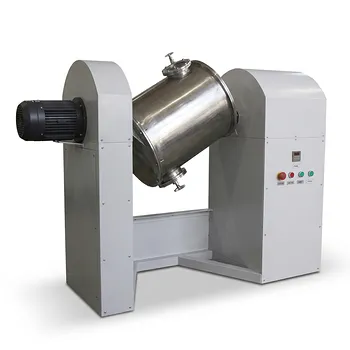
What is the role of centrifugal mixers in Al2O3-Cu-Ni prep? Optimize dispersion and eliminate pore defects.
Updated 3 months ago
Achieving microstructural integrity is the fundamental objective when preparing alumina-copper-nickel (Al2O3–Cu–Ni) ternary composites. The primary role of a high-energy centrifugal mixer is to ensure the highly uniform distribution of ceramic and metal powders within a solvent while simultaneously eliminating micro-bubbles (defoaming) from the slurry.
The high-energy centrifugal mixer acts as a critical precursor tool that ensures the structural homogeneity and density of the final composite. By combining intense shear forces with rapid degassing, it prevents the formation of pore defects that would otherwise compromise the material’s mechanical properties.
Achieving Homogeneous Dispersion in Ternary Systems
Overcoming Density and Particle Size Mismatches
Al2O3–Cu–Ni composites involve materials with significantly different densities and particle sizes, which naturally resist uniform mixing. The mixer utilizes dual rotation (revolution and rotation) to generate powerful centrifugal forces that force these disparate powders into a cohesive, high-level dispersion.
This process ensures that the metal phases (copper and nickel) are distributed evenly throughout the alumina ceramic matrix. This level of uniformity is essential for the formation of fine, evenly distributed second-phase particles during the subsequent sintering process.
Breaking Down Powder Agglomerates
Fine ceramic and metal powders often form clusters, or agglomerates, due to van der Waals forces. The high-energy shear forces generated by the mixer’s high-speed rotation physically break these clusters apart.
By disintegrating these agglomerates, the mixer allows for a high solid content (up to 50 vol.%) in the slurry without sacrificing fluidity. This leads to a more stable precursor that is ideal for advanced molding techniques like slip casting.
The Critical Function of Defoaming and Degassing
Preventing Pore Defects in the Green Body
Even a perfectly mixed slurry can fail if it contains microscopic air bubbles. The centrifugal action of the mixer effectively performs vacuum-assisted defoaming, forcing air bubbles to the surface where they are eliminated.
Removing these bubbles is vital because they translate directly into pore defects in the molded green body. A bubble-free slurry ensures that the final material achieves maximum theoretical density and structural reliability.
Enhancing Green Body Density
By ensuring a "degassed" slurry, the high-energy centrifugal mixer optimizes the packing density of the powder particles. This dense arrangement in the green body stage reduces the likelihood of shrinkage-related cracks or structural inconsistencies during the final firing.
Understanding the Trade-offs and Limitations
Heat Generation and Material Sensitivity
The high-speed rotation required to generate sufficient shear forces can lead to significant frictional heat. If the temperature is not monitored, it may cause the premature evaporation of solvents or affect the stability of certain dispersants.
Equipment Cost vs. Processing Time
While high-energy centrifugal mixers are more expensive than traditional ball mills, they offer a massive reduction in processing cycles. For example, a process that takes 24 to 30 hours in a ball mill can often be completed in under an hour with a high-energy centrifugal system.
Potential for Media Contamination
In "wet" mixing scenarios involving milling media, the high energy levels can lead to wear on the mixing containers or media. To maintain the purity of the Al2O3–Cu–Ni composite, operators must use high-purity alumina containers and media that match the composite’s primary phase.
Making the Right Choice for Your Goal
To maximize the performance of your Al2O3–Cu–Ni composite, the mixing strategy must align with your specific production requirements.
- If your primary focus is maximizing material density: Utilize a vacuum-integrated centrifugal mixer to ensure the complete removal of micro-bubbles and achieve a defect-free green body.
- If your primary focus is high-throughput production: Prioritize high-energy centrifugal mixing over ball milling to reduce processing times from days to minutes while maintaining superior dispersion.
- If your primary focus is nano-scale reinforcement: Use the highest available RPM settings (up to 2000 RPM) to provide the shear force necessary to break down stubborn nano-powder agglomerates.
By leveraging the unique mechanics of high-energy centrifugal mixing, manufacturers can produce ternary composites with a level of microstructural precision that traditional stirring methods simply cannot match.
Summary Table:
| Feature | Primary Function | Impact on Al2O3–Cu–Ni Composite |
|---|---|---|
| Dual Rotation | Homogeneous Dispersion | Overcomes density and size mismatches between powders |
| High Shear Force | Breaking Agglomerates | Increases solid content while maintaining slurry fluidity |
| Vacuum Defoaming | Degassing Slurry | Eliminates micro-bubbles to prevent structural pore defects |
| Rapid Processing | High-Efficiency Cycle | Reduces mixing time from 30 hours to under 60 minutes |
| Centrifugal Action | Optimized Packing | Enhances green body density and reduces sintering cracks |
Elevate Your Material Synthesis with Precision Equipment
Achieving the perfect Al2O3–Cu–Ni ternary composite requires precision at every stage of the sample preparation process. At [Your Brand Name], we provide complete laboratory sample preparation solutions for material science, specializing in high-performance powder processing and compaction equipment.
Whether you are breaking down stubborn agglomerates or striving for maximum theoretical density, our extensive product lines are designed to deliver results:
- Advanced Mixing: High-energy centrifugal mixers, powder mixers, and vacuum defoaming mixers for ultra-uniform, bubble-free slurries.
- Precision Milling: Planetary ball, jet, and disc mills, plus liquid nitrogen cryogenic grinders for superior particle refinement.
- Compaction Solutions: A full spectrum of hydraulic presses, including Cold/Warm Isostatic Presses (CIP/WIP), vacuum hot presses, and XRF pellet presses.
- Sizing & Analysis: Vibratory and air-jet sieve shakers for accurate particle size distribution.
Ready to reduce your processing cycles from days to minutes? Contact our technical experts today to discover how our specialized equipment can optimize your material performance!
References
- Justyna Zygmuntowicz, W. Kaszuwara. Investigation on microstructure and selected properties of aluminum oxide–copper–nickel ceramic–metal composites. DOI: 10.1007/s13762-021-03569-8
Mentioned Products
- High Efficiency Vacuum Planetary Centrifugal Mixer and Defoaming Machine for Industrial Material Research and Precise Laboratory Powder Dispersion
- High Speed Vacuum Planetary Centrifugal Mixer and Defoamer for Industrial Paste Processing
- High Viscosity Planetary Centrifugal Vacuum Mixer for Material Defoaming and Uniform Mixing
- High Viscosity Planetary Centrifugal Mixing and Vacuum Defoaming Machine for Laboratory Material Preparation
- Industrial Planetary Centrifugal Vacuum Defoaming Mixer for High Viscosity Paste and Powder Homogenization
People Also Ask
- Why is a planetary centrifugal mixer recommended for geopolymer slurries? Achieve high-shear, air-free homogenization.
- What core functions does a planetary centrifugal mixer perform? Optimize Hard Carbon Anode Slurry & Degassing
- Why is a planetary centrifugal mixer utilized for wood powder and HPMC? Achieve uniform dispersion & rapid defoaming.
- What role does a planetary centrifugal mixer play in flexible sensor inks? Achieve Nano-Scale Homogenization
- What is the role of a planetary centrifugal mixer in preparing DCPD resin-based matrices? Ensure Flawless Homogeneity

Tech Team · PowderPreparation
Last updated on Jun 03, 2026
Related Products
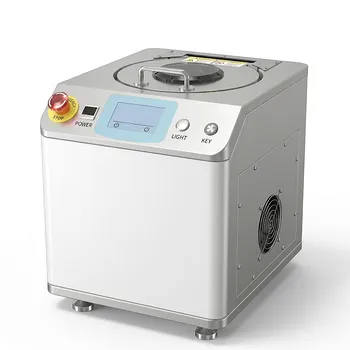
High Efficiency Vacuum Planetary Centrifugal Mixer and Defoaming Machine for Industrial Material Research and Precise Laboratory Powder Dispersion
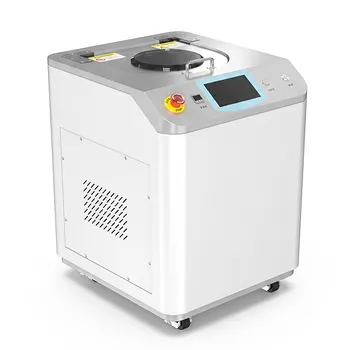
High Speed Vacuum Planetary Centrifugal Mixer and Defoamer for Industrial Paste Processing
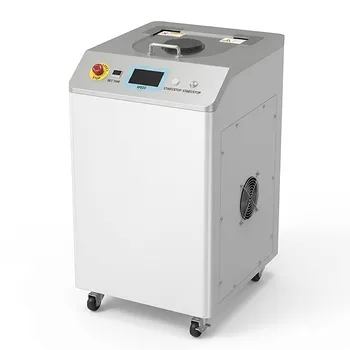
High Viscosity Planetary Centrifugal Vacuum Mixer for Material Defoaming and Uniform Mixing
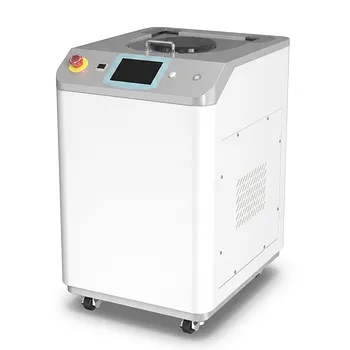
High Viscosity Planetary Centrifugal Mixing and Vacuum Defoaming Machine for Laboratory Material Preparation
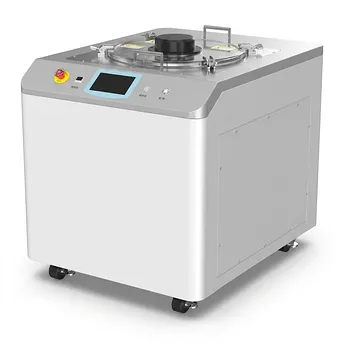
Industrial Planetary Centrifugal Vacuum Defoaming Mixer for High Viscosity Paste and Powder Homogenization
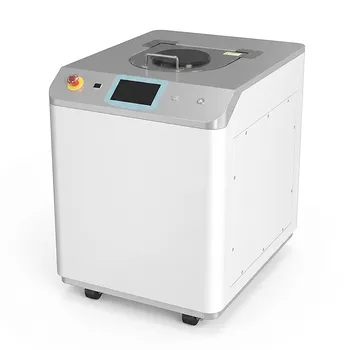
Industrial Planetary Centrifugal Vacuum Defoaming Mixer for High Viscosity Paste and Advanced Material Science
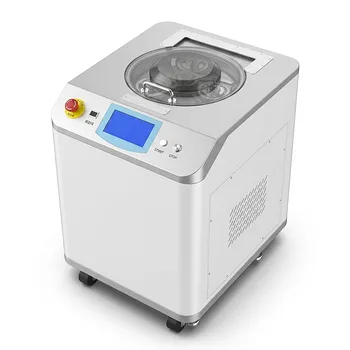
Dual Cup Vacuum Centrifugal Mixer Planetary Paste Defoaming Machine Industrial Material Processor
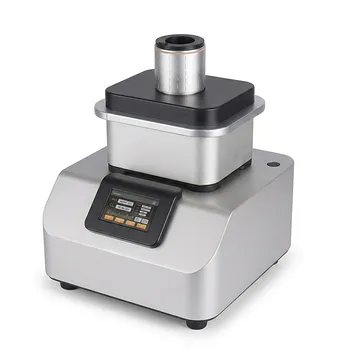
Ultra Centrifugal Mill High Speed Laboratory Grinder for Fibrous and Brittle Sample Preparation
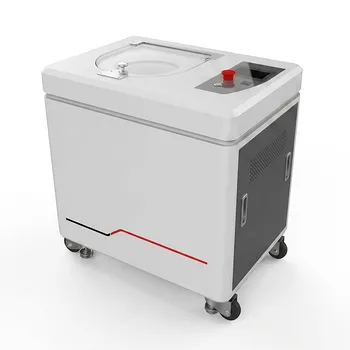
非介入式材料均质机真空脱泡行星搅拌高粘度混合设备
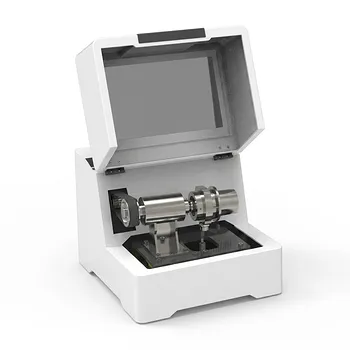
Single Tank High Energy Vibratory Ball Mill for Laboratory Grinding and Mixing
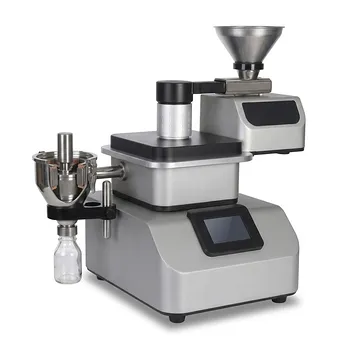
Ultra Centrifugal Mill for Rapid Laboratory Sample Preparation and Fine Powder Grinding
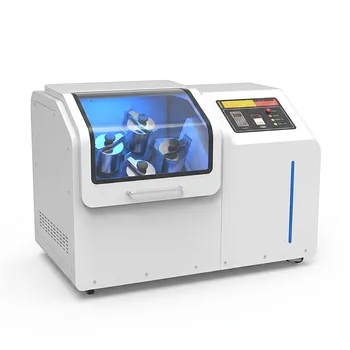
High Energy Omnidirectional Planetary Ball Mill 16L
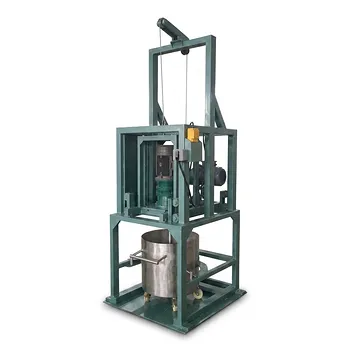
High-Speed Simple Disperser for Efficient Mixing, Dispersion, and Emulsification
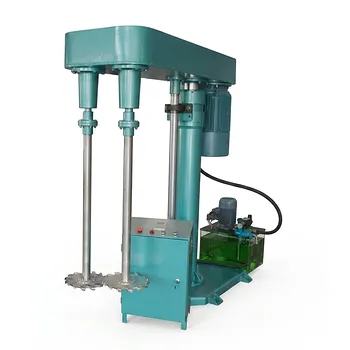
Hydraulic Double Shaft Disperser for High Viscosity Liquid Mixing and Dispersion
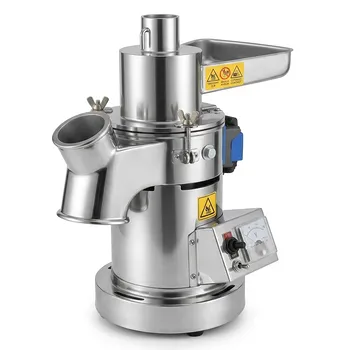
Continuous Feeding Grinder High Efficiency Pulverizer for Lab Sample Preparation
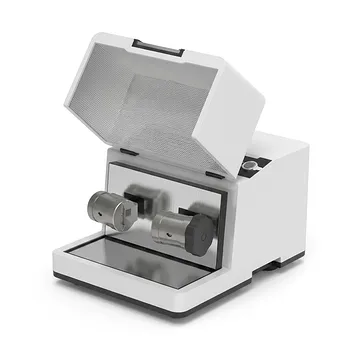
Heating Temperature Controlled High Energy Vibratory Ball Mill
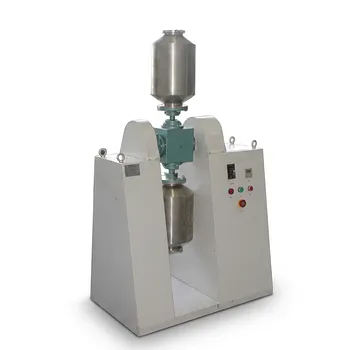
Multi Dimensional Universal Mixer for High Uniformity Powder Blending
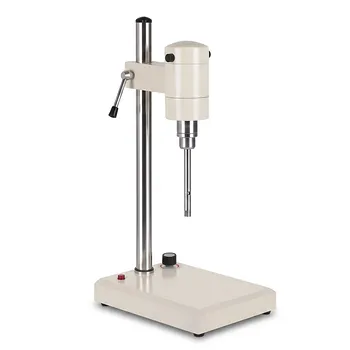
High Speed Dispersing Homogenizer for Laboratory Emulsification Dispersion and Cell Disruption