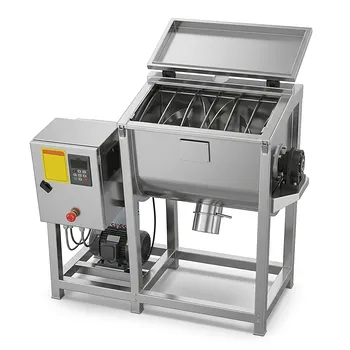
Why is a planetary centrifugal mixer utilized for wood powder and HPMC? Achieve uniform dispersion & rapid defoaming.
Updated 5 months ago
The planetary centrifugal mixer is utilized for this specific material combination because it simultaneously achieves high-shear microscopic uniformity and vacuum-like deaeration within high-viscosity mixtures. By combining revolution and rotation forces, the equipment forces wood powder into the viscous HPMC (hydroxypropyl methylcellulose) solution in seconds, eliminating the air pockets and clumps that typically plague traditional mixing methods.
This technology solves the dual challenge of dispersing dry wood fibers into a thick polymer binder while removing the micro-bubbles that would otherwise compromise the structural integrity of the final extruded product.
Overcoming High Viscosity Through Dual-Motion Dynamics
High-Shear Dispersion Without Blades
The primary challenge of mixing wood powder and HPMC is the high viscosity of the cellulose solution, which resists standard stirring. A planetary centrifugal mixer operates without blades, using the simultaneous revolution and rotation of the container to create intense internal convection and "twist flow."
Achieving Microscopic Uniformity
The powerful centrifugal forces generate significant shear stress, which is necessary to break down wood powder agglomerates. This ensures that every wood particle is thoroughly wetted and encapsulated by the HPMC binder, resulting in a macro-uniform slurry that behaves consistently during processing.
Rapid Processing Time
Unlike traditional kneaders that may take significant time to reach a homogeneous state, this equipment often completes the process in under 60 to 120 seconds. This speed is critical for maintaining the chemical stability of the mixture and increasing overall production throughput.
The Critical Role of Integrated Defoaming
Eliminating Trapped Micro-Bubbles
When wood powder is introduced to water and HPMC, air is inevitably trapped within the mixture’s porous structure. The planetary centrifugal mixer utilizes centrifugal force to migrate these micro-bubbles to the surface, effectively degassing the material during the mixing cycle.
Enhancing Structural Density
By removing internal air pores, the mixer ensures that the resulting "dough" has a high-density structure. This is vital for applications like wood straw extrusion, where trapped air would create mechanical defects, cracks, or "blow-outs" during the molding process.
Preventing Mechanical Failures
Trapped air acts as a point of failure in finished wood-plastic or cellulose composites. The deaeration function of the mixer significantly improves the structural strength and surface finish of the final sample, ensuring it meets industrial quality standards.
Understanding the Trade-offs
Thermal Energy Management
The intense shear forces required to mix viscous HPMC and wood powder generate friction, which can lead to heat buildup. For heat-sensitive additives, operators must carefully monitor the mixing duration to prevent the mixture from reaching temperatures that could alter the HPMC’s properties.
Batch Size Limitations
As a container-based system, planetary centrifugal mixers are generally limited to small-to-medium batch sizes. While they offer superior quality and consistency, they may require multiple cycles or larger industrial units to match the sheer volume of continuous ribbon blenders or large-scale kneaders.
How to Apply This to Your Project
Selecting Your Process Parameters
- If your primary focus is maximum structural strength: Prioritize the defoaming cycle and consider using a mixer with vacuum capabilities to ensure the complete removal of sub-micron bubbles.
- If your primary focus is high-throughput production: Optimize the rotation-to-revolution ratio to achieve the shortest possible mixing time that still yields a uniform wood-powder dispersion.
- If your primary focus is preventing material degradation: Utilize shorter mixing intervals or external cooling to manage the heat generated by the high-shear "twist flow" within the viscous HPMC.
Utilizing a planetary centrifugal mixer transforms the preparation of wood-cellulose mixtures from a labor-intensive hurdle into a precise, repeatable scientific process that guarantees material performance.
Summary Table:
| Feature | Traditional Mixing | Planetary Centrifugal Mixer |
|---|---|---|
| Mechanism | Mechanical blades/stirrers | Dual-motion (Revolution & Rotation) |
| Air Removal | Prone to air entrapment | Integrated deaeration & degassing |
| Processing Speed | Slow; labor-intensive | Rapid (60–120 seconds) |
| Uniformity | Risk of clumps in viscosity | High-shear microscopic uniformity |
| Material Integrity | Higher risk of defects | Enhanced structural density |
Elevate Your Material Preparation with Precision Solutions
Maximize the structural integrity and performance of your composites with our specialized laboratory equipment. We provide complete laboratory sample preparation solutions for material science, specializing in advanced powder processing and compaction.
Our extensive range of equipment is designed to handle the toughest mixing and preparation challenges:
- Advanced Mixing: Planetary centrifugal mixers and defoaming mixers for bubble-free, high-viscosity slurries.
- Size Reduction: Jaw/roll crushers, liquid nitrogen cryogenic grinders, and high-energy mills (planetary ball, jet, and rotor).
- Sieving & Analysis: Vibratory and air-jet sieve shakers with precision test sieves.
- Compaction Excellence: A full spectrum of hydraulic presses, including Cold/Warm Isostatic Presses (CIP/WIP), XRF pellet presses, and vacuum hot presses.
Whether you are preparing wood-cellulose mixtures or advanced ceramics, our equipment ensures repeatable, high-quality results. Contact our technical team today to discuss your specific application and find the perfect equipment for your lab!
References
- Takuma Matsuoka, Hiroshi Nonaka. Wet Extrusion of Wood Powder Using a Cellulose Derivative. DOI: 10.2524/jtappij.74.516
Mentioned Products
- High Viscosity Planetary Centrifugal Vacuum Mixer for Material Defoaming and Uniform Mixing
- High Efficiency Vacuum Planetary Centrifugal Mixer and Defoaming Machine for Industrial Material Research and Precise Laboratory Powder Dispersion
- Industrial Planetary Centrifugal Vacuum Defoaming Mixer for High Viscosity Paste and Powder Homogenization
- High Viscosity Planetary Centrifugal Mixing and Vacuum Defoaming Machine for Laboratory Material Preparation
- High Speed Vacuum Planetary Centrifugal Mixer and Defoamer for Industrial Paste Processing
People Also Ask
- What core functions does a planetary centrifugal mixer perform? Optimize Hard Carbon Anode Slurry & Degassing
- Why is a planetary centrifugal mixer recommended for geopolymer slurries? Achieve high-shear, air-free homogenization.
- How does a planetary centrifugal mixer address key challenges in Tyr-CDs@EVA optical films? Ensure Optical Clarity.
- What is the role of a planetary centrifugal mixer in UHTC slurry preparation? Achieve Void-Free, High-Viscosity Mixing
- Planetary Centrifugal Mixer vs. Manual Mixing for Eu2O3 Resins: Achieving Superior Dispersion & Deaeration

Tech Team · PowderPreparation
Last updated on May 14, 2026
Related Products
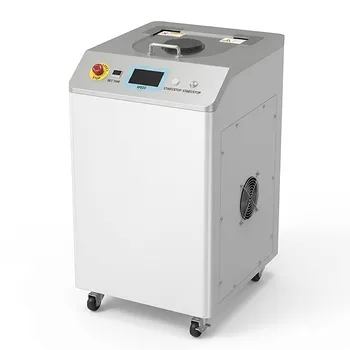
High Viscosity Planetary Centrifugal Vacuum Mixer for Material Defoaming and Uniform Mixing
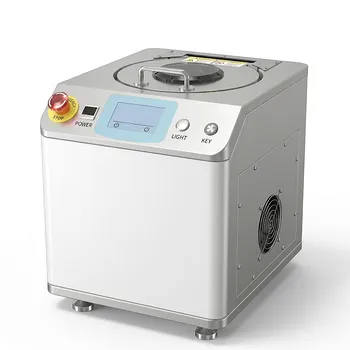
High Efficiency Vacuum Planetary Centrifugal Mixer and Defoaming Machine for Industrial Material Research and Precise Laboratory Powder Dispersion
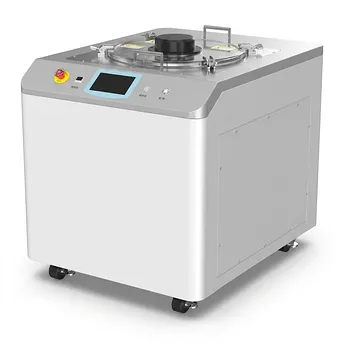
Industrial Planetary Centrifugal Vacuum Defoaming Mixer for High Viscosity Paste and Powder Homogenization
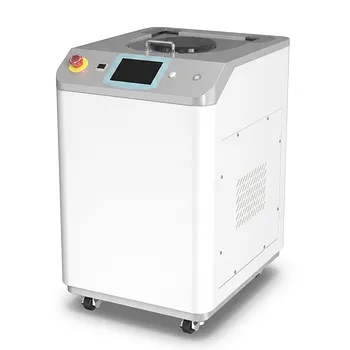
High Viscosity Planetary Centrifugal Mixing and Vacuum Defoaming Machine for Laboratory Material Preparation
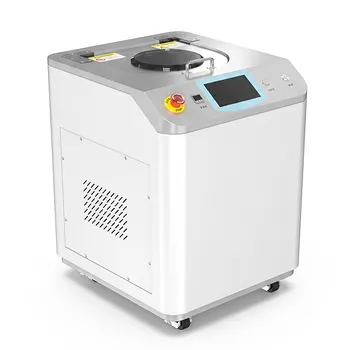
High Speed Vacuum Planetary Centrifugal Mixer and Defoamer for Industrial Paste Processing
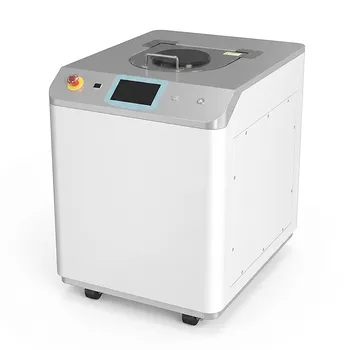
Industrial Planetary Centrifugal Vacuum Defoaming Mixer for High Viscosity Paste and Advanced Material Science
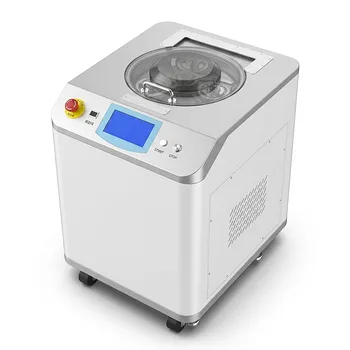
Dual Cup Vacuum Centrifugal Mixer Planetary Paste Defoaming Machine Industrial Material Processor
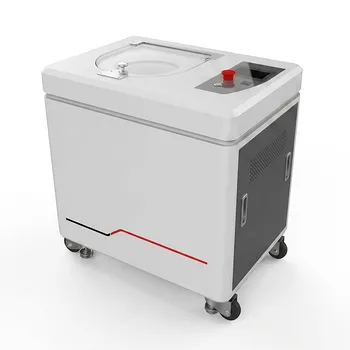
非介入式材料均质机真空脱泡行星搅拌高粘度混合设备
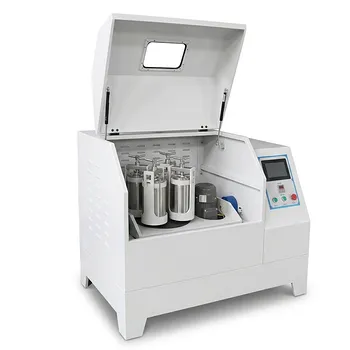
360° Rotating Omnidirectional Laboratory Planetary Ball Mill for Homogeneous Ultra-Fine Grinding and Mixing
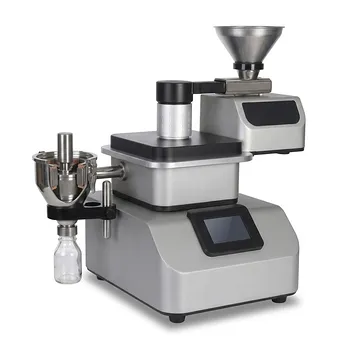
Ultra Centrifugal Mill for Rapid Laboratory Sample Preparation and Fine Powder Grinding
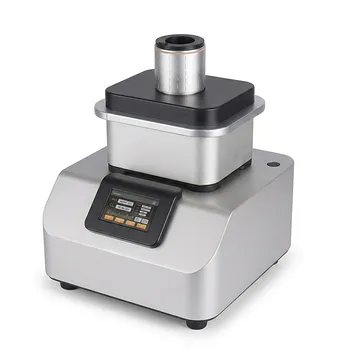
Ultra Centrifugal Mill High Speed Laboratory Grinder for Fibrous and Brittle Sample Preparation
Horizontal Light Duty Planetary Ball Mill for Laboratory Sample Preparation
Planetary Ball Mill 12L
High Energy Omnidirectional Planetary Ball Mill 20L

Heavy Duty Horizontal Planetary Ball Mill for Efficient Industrial Grinding and Sample Preparation

Vertical Production Planetary Ball Mill for High Throughput Powder Processing

High Energy Omnidirectional Planetary Ball Mill 16L

Miniature Planetary Ball Mill with Vacuum Grinding and High Efficiency for Laboratory Sample Preparation

Vertical Square Planetary Ball Mill for Laboratory Sample Preparation and Nanoscale Grinding