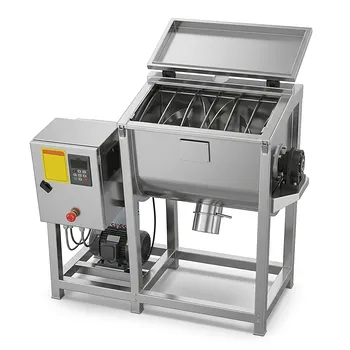
What role does a planetary centrifugal mixer play in flexible sensor inks? Achieve Nano-Scale Homogenization
Updated 3 months ago
The planetary centrifugal mixer is the critical bridge between raw nanomaterials and a functional, printable ink. It utilizes the simultaneous forces of revolution and rotation to achieve nano-scale dispersion of conductive fillers—such as carbon nanotubes and nano-silica—within high-viscosity silicone matrices, while simultaneously performing a vacuum-like deaeration to ensure ink continuity during the coaxial printing process.
The core role of a planetary centrifugal mixer is to provide a blade-free, high-shear environment that achieves sub-micron homogenization and bubble elimination. This dual-action process is essential for maintaining the rheological stability and structural integrity required for high-precision coaxial extrusion.
The Mechanics of Planetary Mixing for Sensor Inks
Dual-Axis Motion for High-Shear Mixing
The mixer operates by rotating a material container while it simultaneously revolves around a central axis. This composite shear force generates intense energy throughout the high-viscosity silicone rubber or PDMS matrix.
Unlike traditional stirrers, this motion allows for molecular-level uniform mixing of polymers, diluents, and photoinitiators within a very short timeframe. The absence of blades prevents material loss and ensures that the entire batch is subjected to uniform energy.
The Significance of Non-Contact Processing
Because the mixing occurs via centrifugal force without internal stirring blades, the risk of cross-contamination is virtually eliminated. This is vital for flexible sensors where precise chemical ratios of prepolymers, catalysts, and thixotropic agents determine the final physical properties.
Furthermore, non-contact mixing avoids the introduction of additional air that typically occurs with mechanical impellers. This keeps the material pure and maintains the precise chemical balance required for stable curing.
Achieving Sub-Micron Uniformity in Complex Matrices
Dispersion of Conductive Fillers
Flexible sensors rely on a stable conductive network, often formed by dispersing multi-walled carbon nanotubes, graphite powder, or silver-coated copper flakes. The mixer’s powerful forces break down agglomerates to achieve nano-scale uniform blending.
This level of dispersion ensures that the resulting fiber has consistent electrical conductivity throughout its length. Without this uniformity, the sensor would suffer from "hot spots" or dead zones, leading to unreliable performance data.
Incorporating High-Density and Nano-Silica Powders
In addition to conductive agents, these mixers efficiently handle high-density particles like barium sulfate or fumed silica. These fillers are often used to adjust the density or thixotropy of the ink.
The planetary centrifugal mixer ensures these heavy or ultra-fine particles do not settle or clump. This results in a homogeneous slurry that maintains its structural density even after the curing process.
Ensuring Reliability in Coaxial Extrusion
Defoaming and Its Impact on Fiber Continuity
One of the most critical roles of this equipment is the removal of microscopic air bubbles. In coaxial printing, even a tiny bubble can cause a "line break," where the extrusion of the sensor fiber is interrupted.
By effectively degassing the ink during the mixing phase, the equipment ensures the structural density of the resulting fibers. This prevents the formation of pore defects that could lead to mechanical failure under the strain of stretching or bending.
Stabilizing Rheological Properties
Coaxial printing requires ink with highly specific rheological properties to maintain its shape as it exits the nozzle. The high-energy mixing process ensures that thixotropic agents are perfectly integrated.
A stable rheological profile prevents the ink from "slumping" or spreading too thin before it cures. This allows for the creation of complex, multi-layered coaxial structures with high fidelity and consistent wall thickness.
Understanding the Trade-offs
Heat Generation During High-Intensity Mixing
The intense shear forces required to disperse nanomaterials can generate significant internal heat within the material. For heat-sensitive catalysts or low-boiling-point diluents, this can trigger premature curing or evaporation.
Viscosity Limits and Processing Time
While these mixers excel at high-viscosity systems, extremely thick pastes may require staged mixing cycles to prevent overheating or incomplete dispersion. Users must balance the speed of revolution with the duration of the cycle to avoid damaging the polymer chains.
Equipment Scalability
Planetary centrifugal mixers are often limited by the volume of the containers they can accommodate. While perfect for R&D and specialized sensor production, scaling to mass production requires significant capital investment in larger, industrial-grade units compared to simple overhead stirrers.
How to Apply This to Your Project
When preparing flexible sensor inks, your mixing strategy should align with your specific material requirements and printing goals.
- If your primary focus is electrical consistency: Prioritize longer, high-speed revolution cycles to ensure that conductive fillers like carbon nanotubes reach a sub-micron level of dispersion.
- If your primary focus is preventing printing defects: Utilize the vacuum-deaeration settings to ensure every microscopic bubble is removed, preventing line breaks during high-speed coaxial extrusion.
- If your primary focus is structural integrity: Focus on the uniform integration of thixotropic agents like nano-silica to maintain the "as-printed" shape of your fibers.
By mastering the dual-axis forces of planetary centrifugal mixing, you ensure that your flexible sensor inks possess the homogeneity and purity required for high-performance coaxial printing.
Summary Table:
| Key Feature | Functional Role | Impact on Coaxial Printing |
|---|---|---|
| Dual-Axis Motion | High-shear energy without blades | Molecular-level blending of high-viscosity matrices |
| Non-Contact Mixing | Eliminates cross-contamination | Maintains precise chemical balance for stable curing |
| Nano-Scale Dispersion | Breaks down carbon nanotube/silica clumps | Ensures consistent electrical conductivity and thixotropy |
| Vacuum Deaeration | Removes microscopic air bubbles | Prevents "line breaks" and structural defects in fibers |
Elevate Your Material Research with Precision Engineering
At our core, we provide complete laboratory sample preparation solutions tailored for material science. Whether you are developing advanced flexible sensors or exploring new nanomaterials, our equipment ensures the purity and consistency your research demands.
Our extensive product lines include:
- Mixing & Grinding: Planetary centrifugal mixers, defoaming mixers, powder mixers, and high-energy mills (planetary ball, jet, sand, and rotor).
- Sample Processing: Liquid nitrogen cryogenic grinders, jaw/roll crushers, and vibratory/air-jet sieve shakers.
- Pressing Solutions: A full spectrum of hydraulic presses, including Cold/Warm Isostatic Presses (CIP/WIP), standard lab presses, and vacuum hot presses.
Ready to eliminate defects and optimize your ink formulations? Partner with experts who specialize in powder processing and compaction equipment.
Contact Our Experts Today to Request a Quote
References
- Zhenhua Tang, Chenghao Zhou. Coaxial Printing of Silicone Elastomer Composite Fibers for Stretchable and Wearable Piezoresistive Sensors. DOI: 10.3390/polym11040666
Mentioned Products
- High Viscosity Planetary Centrifugal Vacuum Mixer for Material Defoaming and Uniform Mixing
- High Efficiency Vacuum Planetary Centrifugal Mixer and Defoaming Machine for Industrial Material Research and Precise Laboratory Powder Dispersion
- Industrial Planetary Centrifugal Vacuum Defoaming Mixer for High Viscosity Paste and Powder Homogenization
- High Viscosity Planetary Centrifugal Mixing and Vacuum Defoaming Machine for Laboratory Material Preparation
- High Speed Vacuum Planetary Centrifugal Mixer and Defoamer for Industrial Paste Processing
People Also Ask
- What core functions does a planetary centrifugal mixer perform? Optimize Hard Carbon Anode Slurry & Degassing
- Why is a planetary centrifugal mixer recommended for geopolymer slurries? Achieve high-shear, air-free homogenization.
- Why is a planetary centrifugal mixer utilized for wood powder and HPMC? Achieve uniform dispersion & rapid defoaming.
- How does a planetary centrifugal mixer address key challenges in Tyr-CDs@EVA optical films? Ensure Optical Clarity.
- What is the role of a planetary centrifugal mixer in UHTC slurry preparation? Achieve Void-Free, High-Viscosity Mixing

Tech Team · PowderPreparation
Last updated on Jun 03, 2026
Related Products
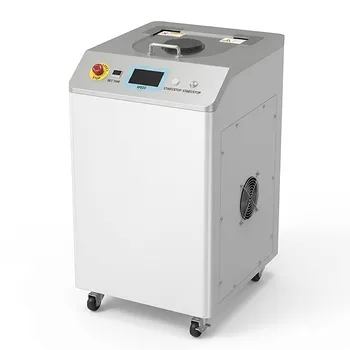
High Viscosity Planetary Centrifugal Vacuum Mixer for Material Defoaming and Uniform Mixing
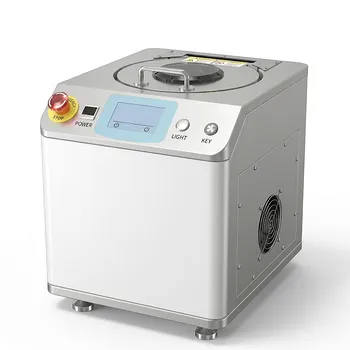
High Efficiency Vacuum Planetary Centrifugal Mixer and Defoaming Machine for Industrial Material Research and Precise Laboratory Powder Dispersion
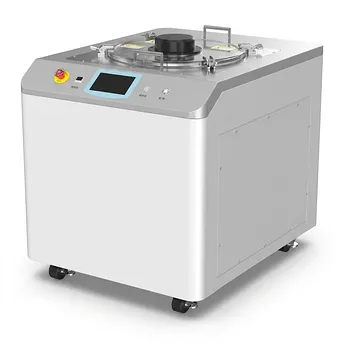
Industrial Planetary Centrifugal Vacuum Defoaming Mixer for High Viscosity Paste and Powder Homogenization
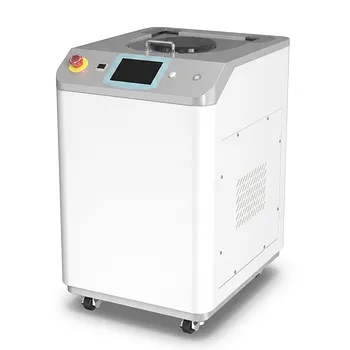
High Viscosity Planetary Centrifugal Mixing and Vacuum Defoaming Machine for Laboratory Material Preparation
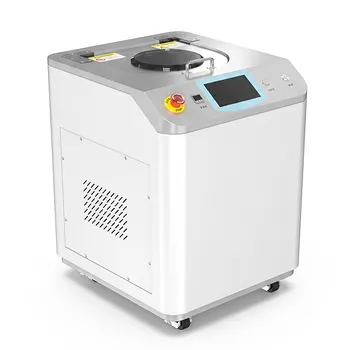
High Speed Vacuum Planetary Centrifugal Mixer and Defoamer for Industrial Paste Processing
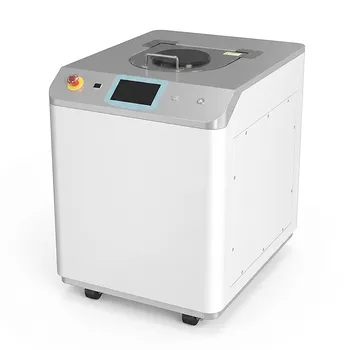
Industrial Planetary Centrifugal Vacuum Defoaming Mixer for High Viscosity Paste and Advanced Material Science
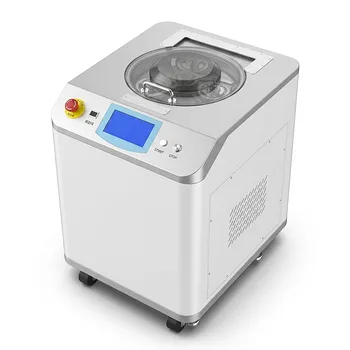
Dual Cup Vacuum Centrifugal Mixer Planetary Paste Defoaming Machine Industrial Material Processor
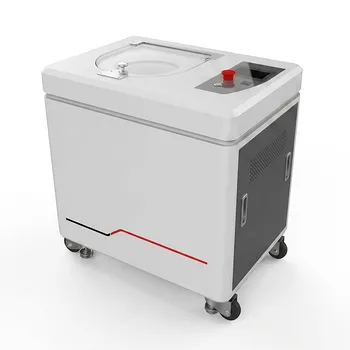
非介入式材料均质机真空脱泡行星搅拌高粘度混合设备
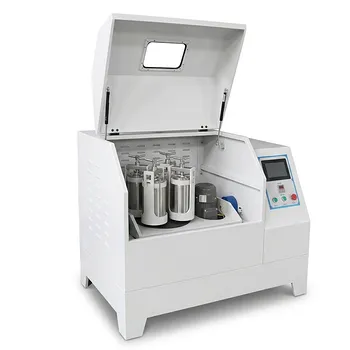
360° Rotating Omnidirectional Laboratory Planetary Ball Mill for Homogeneous Ultra-Fine Grinding and Mixing
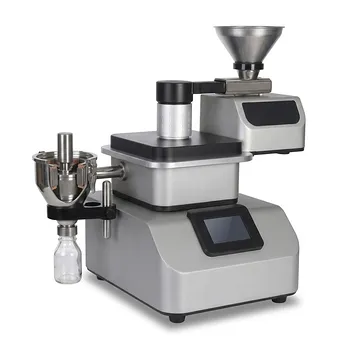
Ultra Centrifugal Mill for Rapid Laboratory Sample Preparation and Fine Powder Grinding
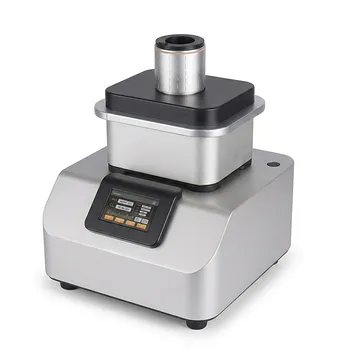
Ultra Centrifugal Mill High Speed Laboratory Grinder for Fibrous and Brittle Sample Preparation
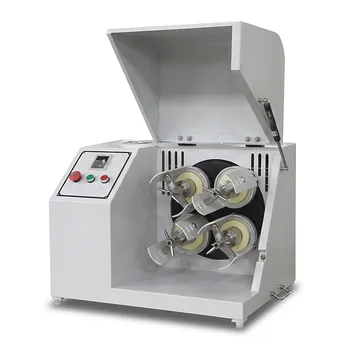
Horizontal Light Duty Planetary Ball Mill for Laboratory Sample Preparation
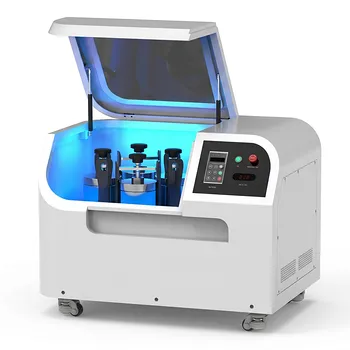
Planetary Ball Mill 12L
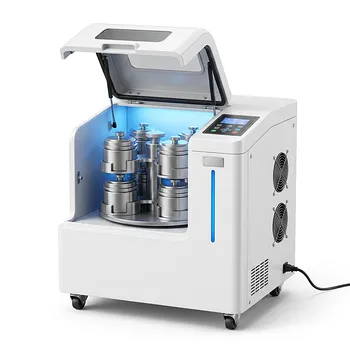
High Energy Omnidirectional Planetary Ball Mill 20L
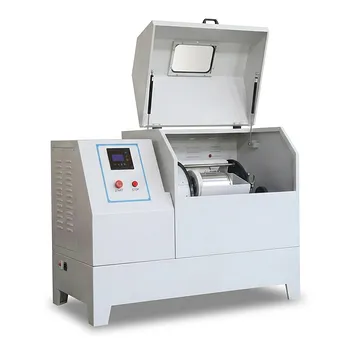
Heavy Duty Horizontal Planetary Ball Mill for Efficient Industrial Grinding and Sample Preparation
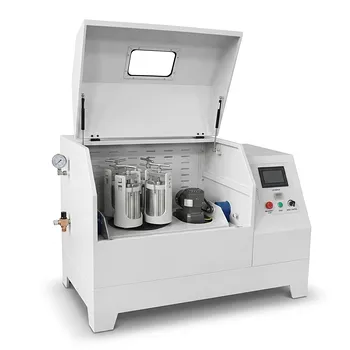
Vertical Production Planetary Ball Mill for High Throughput Powder Processing
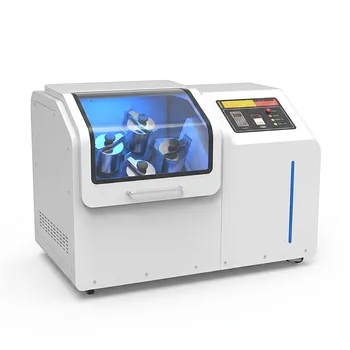
High Energy Omnidirectional Planetary Ball Mill 16L
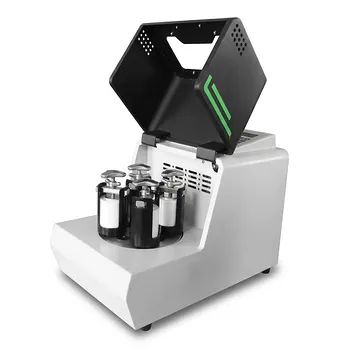
Miniature Planetary Ball Mill with Vacuum Grinding and High Efficiency for Laboratory Sample Preparation
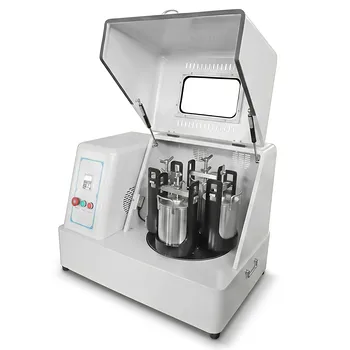
Vertical Square Planetary Ball Mill for Laboratory Sample Preparation and Nanoscale Grinding