What is the primary purpose of using standard test sieves during the raw material preparation phase of ternary ceramics?
Updated 4 months ago
Standard test sieves serve as the primary mechanism for precise particle size control and classification. During the raw material preparation phase of ternary ceramics, these tools are used to grade components—such as fillers, base powders, and pore-formers—into specific size fractions. This rigorous screening ensures that the particle size distribution (PSD) meets exact process requirements, which directly dictates the sintering activity, mixing uniformity, and final packing density of the ceramic body.
The central takeaway: Standard test sieves are precision instruments used to eliminate oversized impurities and define the granularity of raw materials. This control is the foundation for predictable chemical reactions during firing and the achievement of a dense, homogenous microscopic structure.
The Role of Particle Size in Sintering and Density
Optimizing Sintering Activity
The use of specific mesh sizes, such as 163 microns and 63 microns, allows manufacturers to accurately grade fillers like Palm Oil Fuel Ash (POFA). By isolating finer particles, you increase the surface area available for reactions, which significantly enhances sintering activity.
Enhancing Packing Density
Accurate grading ensures that different particle sizes can fit together efficiently during the forming process. This precise distribution is critical for maximizing packing density, which reduces the voids in the "green body" before it ever enters the kiln.
Controlling Pore Formation
When dealing with ternary ceramics that require specific porosity, sieves are used to screen pore-forming agents like sawdust to precise dimensions (e.g., below 98 micrometers). This ensures that the resulting pores are distributed uniformly throughout the ceramic matrix, preventing structural weak points.
Achieving Homogeneity and Structural Stability
Improving Mixing Uniformity
For a ternary system to function correctly, base materials like kaolin, feldspar, and bentonite must be highly dispersed. Sieving these raw materials to a uniform fineness—often below 74 micrometers—guarantees that the components mix thoroughly at a molecular level.
Synchronizing Chemical Reactions
Uniform particle sizes lead to synchronized reaction activity during high-temperature melting or sintering. If particles are too varied in size, smaller particles may over-react while larger ones remain inert, leading to chemical instability and physical defects in the final product.
Eliminating Large-Scale Defects
Sieves are utilized to remove oversized impurities and agglomerates from ball-milled slurries and dry powders. Removing these "large-scale" outliers prevents the formation of internal stresses and cracks that typically occur during the drying and firing stages.
Quality Control and Process Efficiency
Managing Secondary Grinding
Standard sieves act as a gatekeeper for quality control by intercepting incompletely crushed particles. Using a specific aperture (e.g., 0.5 mm) allows for the isolation of oversized material, which can then be routed back for secondary grinding to ensure total batch consistency.
Enhancing Slurry and Powder Flow
In processes involving dry pressing or granulation, sieving ensures that powders possess excellent fineness and size consistency. This improves the flowability of the material into molds, leading to more uniform pressure distribution and consistent "green" density.
Ensuring Experimental Repeatability
In a laboratory or industrial setting, using standard test sieves ensures that every batch of raw material meets a fixed experimental standard. This repeatability is essential for maintaining the stability of the ceramic’s physical properties across different production runs.
Understanding the Trade-offs and Limitations
Sieve Blinding and Maintenance
The primary drawback of mechanical sieving is blinding, where particles become wedged in the mesh openings. This reduces the effective screening area and can lead to inaccurate grading if the sieves are not cleaned or replaced regularly.
Limitations of Two-Dimensional Screening
Standard sieves classify particles based on their smallest cross-section. If raw materials have irregular or elongated shapes (like certain mineral fibers), they may pass through a mesh even if their length exceeds the target size, potentially affecting the final microstructure.
Material Abrasiveness
Many ceramic raw materials, such as basalt or silica, are highly abrasive. Over time, this wear increases the mesh aperture size, meaning a "63-micron sieve" may eventually allow larger particles through, necessitating frequent calibration against master standards.
How to Apply This to Your Project
To maximize the effectiveness of your raw material preparation, align your sieving strategy with your specific performance goals.
- If your primary focus is Maximum Structural Density: Utilize high-precision mesh (e.g., 63 microns) to ensure a high concentration of fine particles that fill interstitial gaps and promote aggressive sintering.
- If your primary focus is Controlled Porosity: Use sieves to strictly limit the upper and lower bounds of your pore-forming agents, ensuring the resulting voids are homogenous in size and distribution.
- If your primary focus is Process Throughput: Implement a multi-stage sieving approach where larger apertures (e.g., 0.5 mm) remove bulk impurities early, reducing the load and wear on finer precision sieves used in the final stages.
By mastering the precision of standard test sieves, you transform raw geological materials into a highly engineered precursor capable of achieving superior ceramic performance.
Summary Table:
| Key Role | Impact on Ceramic Properties | Typical Size/Aperture |
|---|---|---|
| Sintering Activity | Increases surface area for enhanced chemical reactions | 63 - 163 microns |
| Packing Density | Minimizes voids to create a denser "green body" | Precise Gradation |
| Pore Control | Ensures uniform distribution and size of pores | < 98 micrometers |
| Homogeneity | Improves mixing uniformity at a molecular level | < 74 micrometers |
| Quality Control | Removes oversized impurities and prevents defects | Custom (e.g., 0.5 mm) |
Achieve Superior Precision in Ceramic Material Preparation
Optimizing ternary ceramics requires uncompromising control over particle size and distribution. We provide complete laboratory sample preparation solutions for material science, specializing in high-performance powder processing and compaction equipment.
Our extensive lineup includes:
- Sieving & Grinding: Vibratory/air-jet sieve shakers, precision test sieves, planetary ball mills, and cryogenic grinders.
- Crushing: Heavy-duty jaw and roll crushers for efficient primary reduction.
- Mixing & Compaction: Powder/defoaming mixers and a full spectrum of hydraulic presses, including Cold/Warm Isostatic Presses (CIP/WIP) and vacuum hot presses.
Whether you are refining base powders or isolating pore-forming agents, our equipment ensures homogeneity and structural stability in every batch. Contact our experts today to discover how our professional solutions can enhance your lab's efficiency and final product quality.
References
- A Zainudin, Woon Kiow Lee. Performance Properties Optimization of Triaxial CeramicPalm Oil Fuel Ash by Employing Taguchi Grey Relational Analysis. DOI: 10.30880/ijie.2019.11.01.026
Mentioned Products
- Stainless Steel Laboratory Vibratory Test Sieve Shaker
- Laboratory Vibratory Test Sieve Shaker for Precision Particle Size Analysis and Powder Grading
- Small Laboratory Vibrating Sieve Shaker for Precise Particle Size Analysis
- Small Laboratory Vibratory Sieve Shaker for Powder Gradation and Particle Size Analysis
- 三维电磁微量振动筛分仪
People Also Ask
- What function does a laboratory vibratory sieve shaker serve in the production process of metakaolin? Optimize Reactivity
- Why is a precision laboratory vibratory sieve shaker necessary for particle size control? Optimize Biomass Carbonization
- What is the function of a laboratory vibratory sieve shaker? Enhance Coal Particle Size Distribution (PSD) Analysis
- What role do laboratory vibratory sieve shakers and test sieves play before the molding of Nb-Cu composite powders?
- What is the primary function of a laboratory vibratory sieve shaker in the evaluation of sand liquefaction potential?

Tech Team · PowderPreparation
Last updated on May 14, 2026
Related Products
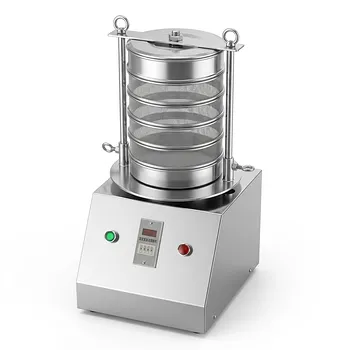
Stainless Steel Laboratory Vibratory Test Sieve Shaker
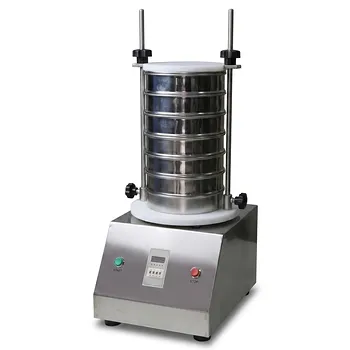
Laboratory Vibratory Test Sieve Shaker for Precision Particle Size Analysis and Powder Grading
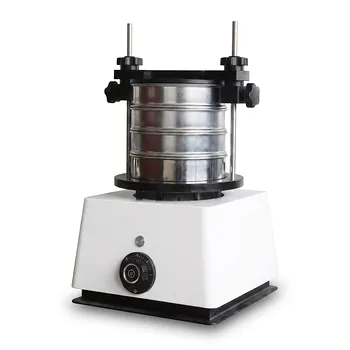
Small Laboratory Vibrating Sieve Shaker for Precise Particle Size Analysis
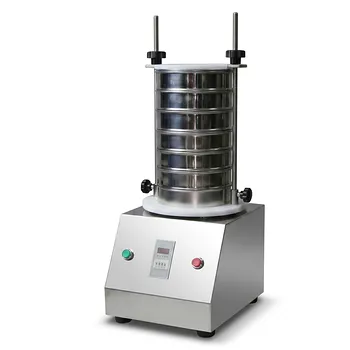
Small Laboratory Vibratory Sieve Shaker for Powder Gradation and Particle Size Analysis
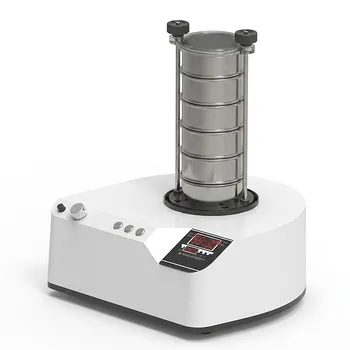
三维电磁微量振动筛分仪
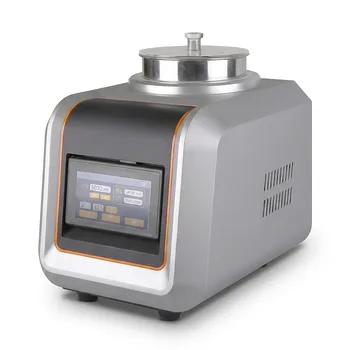
Laboratory Air Jet Sieving Machine for Fine Powder Particle Size Analysis and Deagglomeration
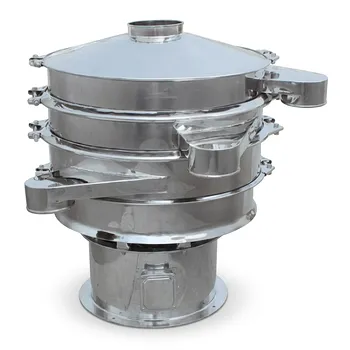
Stainless Steel Rotary Vibrating Sieve High Precision Circular Vibratory Separator Industrial Powder Grading Machine Multi Layer Sifting Equipment
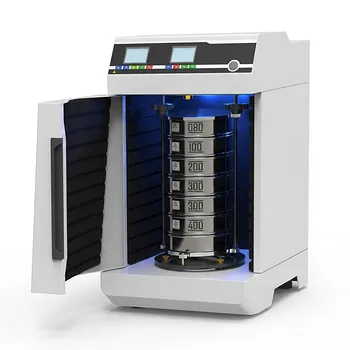
Laboratory Dry and Wet Three Dimensional Vibratory Sieve Shaker for Particle Analysis
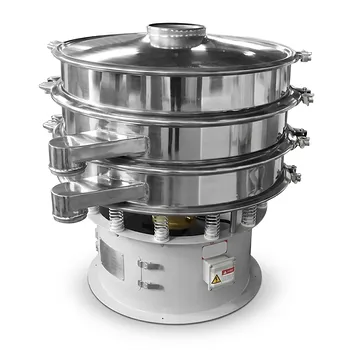
Three Dimensional Rotary Vibrating Sieve
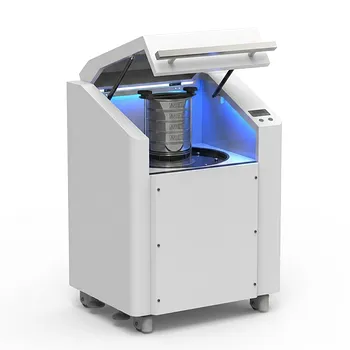
High Frequency Cabinet Type Three-Dimensional Rotary Vibrating Sieve Shaker for Dry Sieving and Particle Classification
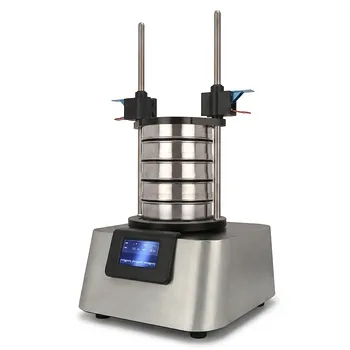
Vibratory Sieve Shaker Electromagnetic 3D Motion Powder Particle Size Analyzer for Dry and Wet Sieving
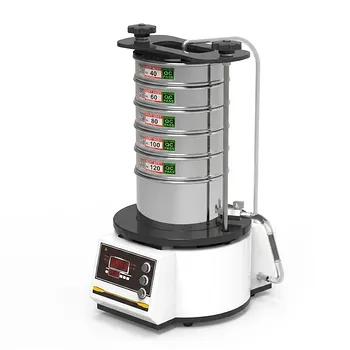
High Frequency Wet Three-Dimensional Vibrating Sieve Shaker for Dry and Wet Particle Size Analysis
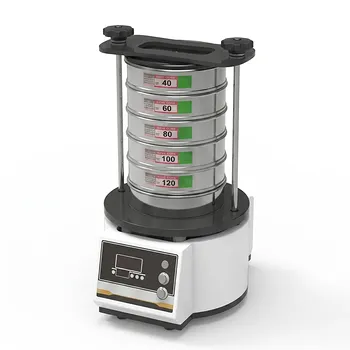
Dry Three Dimensional Vibratory Sieve Shaker
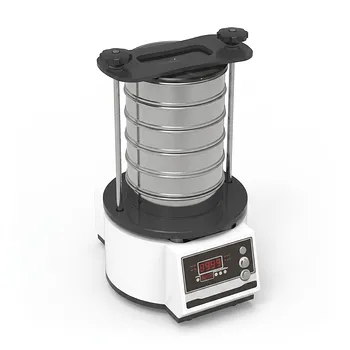
Tapping Oscillating Sieve Shaker for Dry and Wet Particle Size Analysis
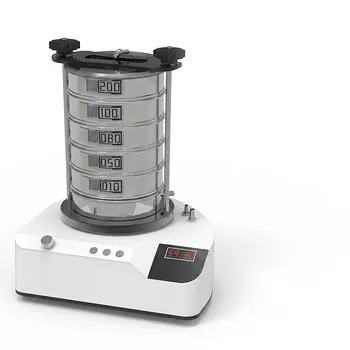
Heavy Duty Dry Three Dimensional Vibratory Sieve Shaker for Particle Separation
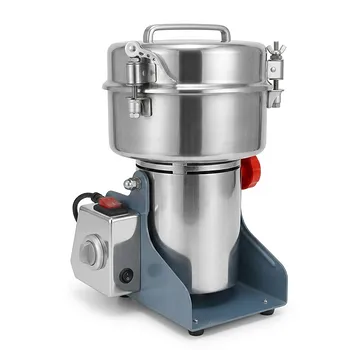
Small High-Speed Grinder for Efficient Laboratory Sample Preparation
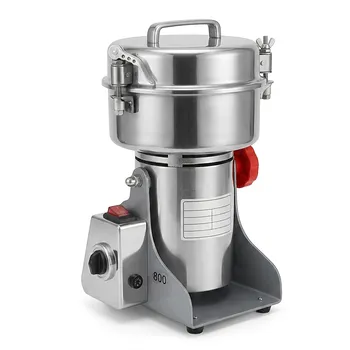
Small High-Speed Laboratory Grinder for Rapid Sample Preparation
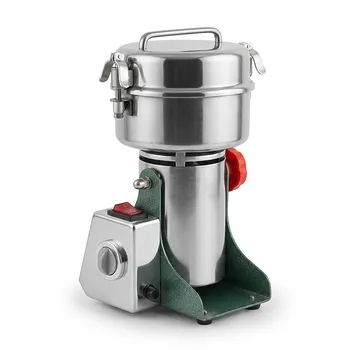
Small High-Speed Swing Grinder for Laboratory Sample Preparation
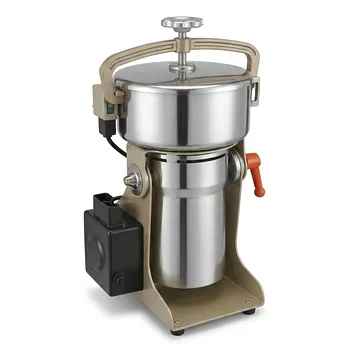
Multifunctional High Efficiency High Speed Laboratory Grinder