What is the necessity of using standard test sieves based on the √2 ratio sequence for galena sieve analysis? Explained
Updated 4 months ago
Standardizing galena sieve analysis using the $\sqrt{2}$ ratio is essential for establishing a mathematically consistent geometric progression of particle sizes. This specific ratio ensures that each successive sieve aperture has exactly half (or double) the area of the one preceding it. For mineral processing, this precision allows researchers to accurately identify the monomer liberation size, which is the critical point where galena particles are sufficiently separated from waste rock to ensure maximum metal recovery.
The $\sqrt{2}$ ratio provides a scientific benchmark for grading particles, enabling precise tracking of mineral weight percentages across critical intervals to optimize both industrial recovery and laboratory accuracy.
The Mathematical Necessity of Geometric Progression
Establishing a Scientific Aperture Sequence
The use of the Tyler standard sieve sequence, which relies on the $\sqrt{2}$ ratio (approximately 1.414), creates a uniform transition between mesh sizes. This geometric progression ensures that the particle size intervals are not arbitrary but follow a logarithmic scale.
Precision in Critical Intervals
For galena analysis, the most vital data often exists between 300 μm and 75 μm. The $\sqrt{2}$ ratio provides enough granularity in this range to detect subtle shifts in particle distribution that a linear scale would miss.
Calculating Cumulative Distribution
By using this standard sequence, technicians can generate sieve curves to visualize the cumulative distribution of the ore. This data is the primary basis for evaluating the well-graded status of the galena and the overall efficiency of the crushing equipment.
Impact on Mineral Liberation and Recovery
Identifying the Point of Liberation
The "liberation size" is the specific diameter at which galena is physically freed from the host rock (gangue). Using the $\sqrt{2}$ ratio allows for precise particle size grading, helping engineers pinpoint exactly when the mineral is ready for flotation or gravity separation.
Maximizing Metal Recovery Rates
Accurate tracking of the weight percentage across different sizes prevents "over-grinding," which wastes energy and produces unusable fines. By maintaining a structured sieve analysis, facilities can ensure the optimal monomer liberation size is achieved for maximum economic return.
Evaluating Crushing Effectiveness
Standard test sieves serve as a quantitative benchmark for measuring how effectively a crusher is performing. This allows for the calculation of classification performance, ensuring that the galena powder entering the next stage of processing is uniform.
Enhancing Analytical Reproducibility
Reducing Micro-absorption in XRD Analysis
When performing X-ray Diffraction (XRD) on galena, particle size must be strictly controlled to reduce micro-absorption effects. Using standard sieves to isolate specific ranges, such as 200-250 mesh, ensures the powder fineness meets the requirements of the analytical instruments.
Improving XRF Pelletizing Quality
For X-ray Fluorescence (XRF), a smooth and dense surface is required during pelletizing to ensure accurate readings. A standardized $\sqrt{2}$ sieving process ensures the particle size distribution is consistent enough to produce high-quality, repeatable pellets.
Minimizing Experimental Error
Strictly controlling the uniformity of the powder ensures that every parallel experimental sample maintains the same physical properties. This consistency is critical for reducing error in heavy metal speciation analysis and improving the reliability of the results.
Understanding the Trade-offs
Time and Labor Intensity
While the $\sqrt{2}$ ratio provides high resolution, it requires a larger number of sieves to cover a broad range. This increases the time required for manual sieving and the subsequent cleaning and weighing of each fraction.
Equipment Sensitivity and Maintenance
Standard test sieves are precision instruments that can easily be damaged or blinded (clogged) by moisture or improper cleaning. Maintaining the integrity of a $\sqrt{2}$ sequence requires rigorous calibration and careful handling to prevent the mesh from stretching, which would invalidate the geometric progression.
How to Apply This to Your Project
Making the Right Choice for Your Goal
- If your primary focus is maximizing industrial output: Use the full $\sqrt{2}$ sequence to identify the exact liberation point, preventing energy waste from over-grinding.
- If your primary focus is analytical chemistry (XRD/XRF): Focus on the finer end of the sequence (e.g., 200 mesh and below) to ensure sample uniformity and reduce instrument-specific errors.
- If your primary focus is evaluating equipment performance: Use the sequence to plot cumulative distribution curves, which will reveal the efficiency and "well-graded" status of your crushing circuit.
Implementing a $\sqrt{2}$ ratio sieve sequence transforms galena analysis from a simple sorting task into a high-precision diagnostic tool for mineralogy.
Summary Table:
| Key Aspect | Purpose of $\sqrt{2}$ Ratio | Benefit for Galena Analysis |
|---|---|---|
| Mathematical | Creates a consistent geometric progression | Provides logarithmic granularity for precise grading. |
| Mineralogical | Identifies the monomer liberation size | Maximizes metal recovery and prevents over-grinding. |
| Analytical | Standardizes powder fineness for XRD/XRF | Reduces micro-absorption and ensures pellet uniformity. |
| Operational | Benchmarks crusher performance | Evaluates equipment efficiency and "well-graded" status. |
Elevate Your Material Science Research with Precision Prep Solutions
Achieving the perfect $\sqrt{2}$ ratio sequence in galena analysis requires more than just high-quality sieves—it demands a holistic approach to sample preparation. At [Insert Brand Name], we provide complete laboratory sample preparation solutions tailored for mineralogy and material science.
Our extensive range of equipment is designed to streamline your workflow and ensure repeatable results:
- Powder Processing: High-performance jaw/roll crushers and liquid nitrogen cryogenic grinders for initial size reduction.
- Advanced Milling: Planetary ball, jet, and rotor mills to reach the optimal liberation size.
- Precision Classification: Vibratory and air-jet sieve shakers with a full suite of standardized test sieves for accurate $\sqrt{2}$ grading.
- Sample Pelleting: A full spectrum of hydraulic presses, including Cold/Warm Isostatic Presses (CIP/WIP), XRF pellet presses, and vacuum hot presses for dense, uniform analytical samples.
Whether you are optimizing industrial recovery or performing high-sensitivity heavy metal speciation, our tools provide the accuracy your project deserves. Contact our technical experts today to discuss how our solutions can enhance your laboratory's efficiency and data reliability!
References
- Steven Kuba Nuhu. Sieve Analysis For The Determination Of The Liberation Size Of Galena At Zurak, Wase L. G. A., Plateau State, Nigeria. DOI: 10.5281/zenodo.546465
Mentioned Products
- Stainless Steel Laboratory Vibratory Test Sieve Shaker
- Laboratory Vibratory Test Sieve Shaker for Precision Particle Size Analysis and Powder Grading
- Small Laboratory Vibrating Sieve Shaker for Precise Particle Size Analysis
- Small Laboratory Vibratory Sieve Shaker for Powder Gradation and Particle Size Analysis
- 三维电磁微量振动筛分仪
People Also Ask
- What function does a laboratory vibratory sieve shaker serve in the production process of metakaolin? Optimize Reactivity
- Why is a precision laboratory vibratory sieve shaker necessary for particle size control? Optimize Biomass Carbonization
- What is the function of a laboratory vibratory sieve shaker? Enhance Coal Particle Size Distribution (PSD) Analysis
- What role do laboratory vibratory sieve shakers and test sieves play before the molding of Nb-Cu composite powders?
- What is the primary function of a laboratory vibratory sieve shaker in the evaluation of sand liquefaction potential?

Tech Team · PowderPreparation
Last updated on May 14, 2026
Related Products
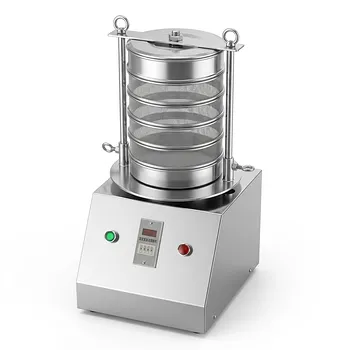
Stainless Steel Laboratory Vibratory Test Sieve Shaker
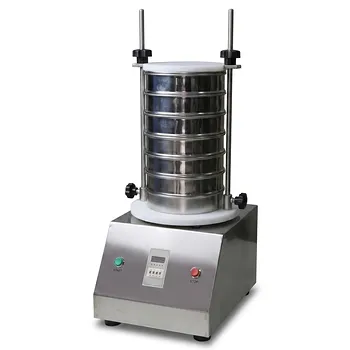
Laboratory Vibratory Test Sieve Shaker for Precision Particle Size Analysis and Powder Grading
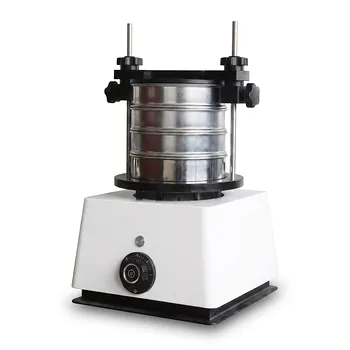
Small Laboratory Vibrating Sieve Shaker for Precise Particle Size Analysis
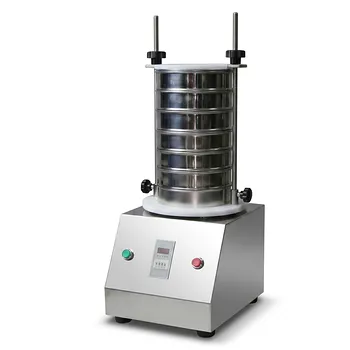
Small Laboratory Vibratory Sieve Shaker for Powder Gradation and Particle Size Analysis
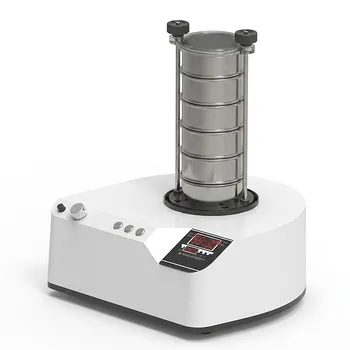
三维电磁微量振动筛分仪
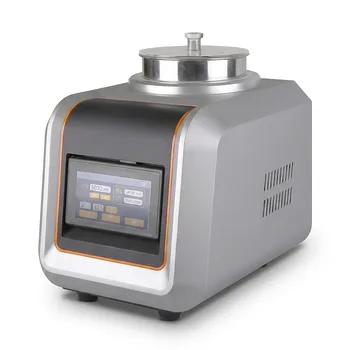
Laboratory Air Jet Sieving Machine for Fine Powder Particle Size Analysis and Deagglomeration
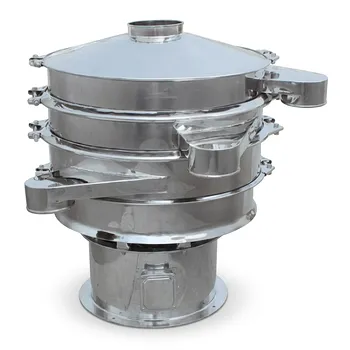
Stainless Steel Rotary Vibrating Sieve High Precision Circular Vibratory Separator Industrial Powder Grading Machine Multi Layer Sifting Equipment
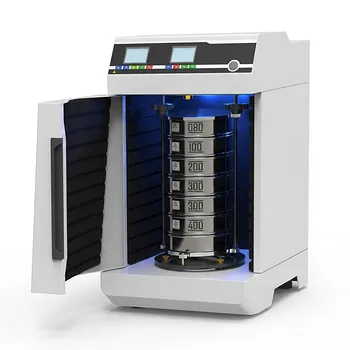
Laboratory Dry and Wet Three Dimensional Vibratory Sieve Shaker for Particle Analysis
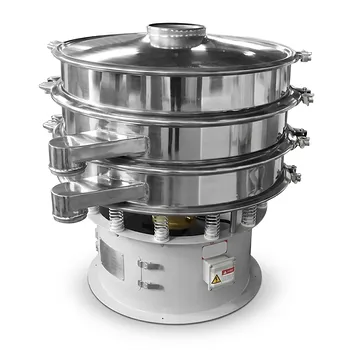
Three Dimensional Rotary Vibrating Sieve
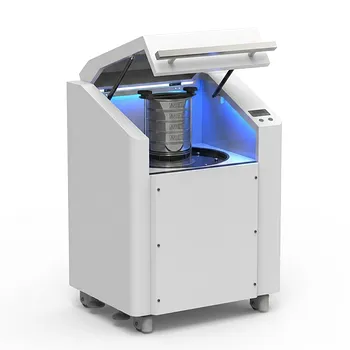
High Frequency Cabinet Type Three-Dimensional Rotary Vibrating Sieve Shaker for Dry Sieving and Particle Classification
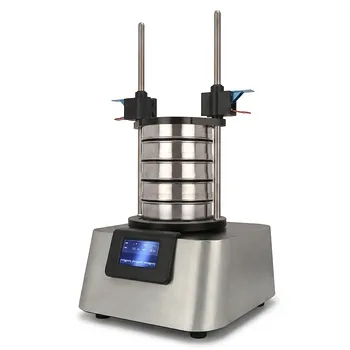
Vibratory Sieve Shaker Electromagnetic 3D Motion Powder Particle Size Analyzer for Dry and Wet Sieving
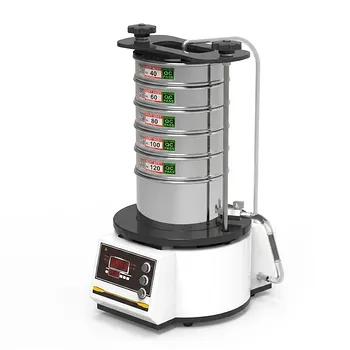
High Frequency Wet Three-Dimensional Vibrating Sieve Shaker for Dry and Wet Particle Size Analysis
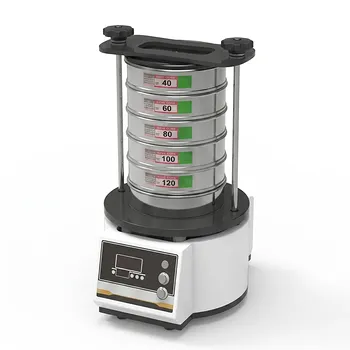
Dry Three Dimensional Vibratory Sieve Shaker
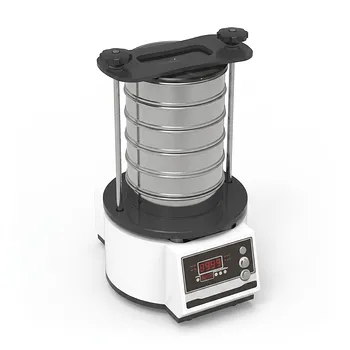
Tapping Oscillating Sieve Shaker for Dry and Wet Particle Size Analysis
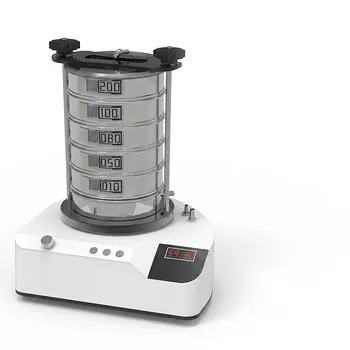
Heavy Duty Dry Three Dimensional Vibratory Sieve Shaker for Particle Separation
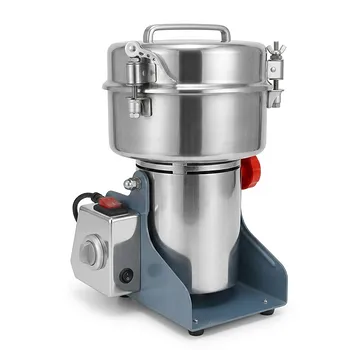
Small High-Speed Grinder for Efficient Laboratory Sample Preparation
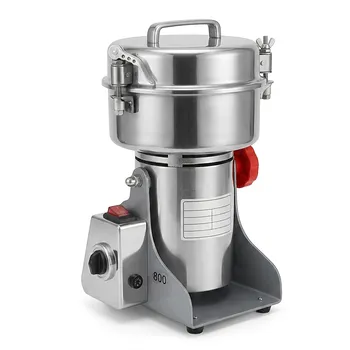
Small High-Speed Laboratory Grinder for Rapid Sample Preparation
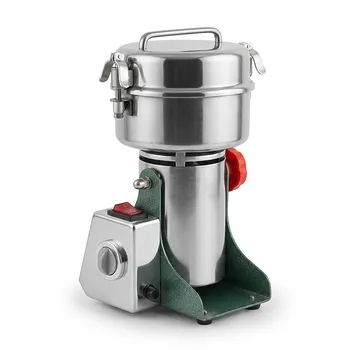
Small High-Speed Swing Grinder for Laboratory Sample Preparation
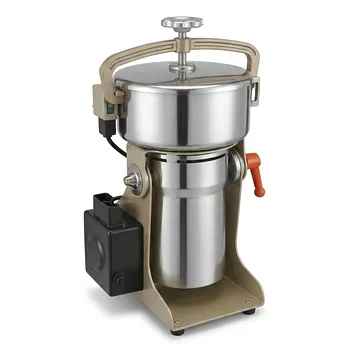
Multifunctional High Efficiency High Speed Laboratory Grinder