How does a laboratory grinder or mill enhance the adsorption performance of agricultural waste materials? Boost Surface Area
Updated 4 months ago
Laboratory grinders and mills enhance adsorption performance by mechanically reducing bulk agricultural waste into fine powders to maximize specific surface area. This process utilizes high-speed impact or shear forces to break down the cellular structure of materials like potato peels, peanut shells, or sorghum husks. By increasing the available surface area, the grinder exposes a significantly higher number of active binding sites, which directly improves the material's ability to capture pollutants like Methyl Red dye from aqueous solutions.
The core function of a laboratory mill is to transform raw biomass into a high-surface-area biosorbent, ensuring maximum contact probability between the material’s active sites and the target contaminants for superior removal efficiency.
The Mechanics of Mechanical Size Reduction
Utilizing High-Speed Impact and Shear
A laboratory grinder applies high-energy mechanical force to dried biomass through impact or shear mechanisms. This force overcomes the structural integrity of the agricultural waste, shattering bulk pieces into fine, uniform particles.
Physical Transformation of Biomass
This transformation is the fundamental first step in converting raw waste into a functional biosorbent. Without this mechanical reduction, the inner layers of the biomass remain inaccessible, severely limiting the material's overall utility.
Maximizing Specific Surface Area and Active Sites
Increasing the Contact Probability
Reducing particle size dramatically increases the specific surface area relative to the volume of the material. This geometric change ensures that a higher percentage of the biosorbent comes into direct contact with dye molecules or pollutants in the water.
Exposing Hidden Binding Sites
Agricultural waste naturally contains functional groups that act as active sites for adsorption. Grinding exposes these sites that were previously buried within the raw material's complex fiber structure, making them available for immediate chemical interaction.
Impact on Adsorption Kinetics
Because more active sites are readily available on the surface, the adsorption kinetics—or the speed at which pollutants are removed—are greatly accelerated. This leads to a faster "equilibrium" state where the maximum amount of pollutant is captured in the shortest time possible.
Understanding the Trade-offs and Limitations
Potential for Thermal Degradation
High-speed grinding generates friction, which can produce localized heat. If the temperature rises too high, it may inadvertently alter the chemical properties or functional groups of sensitive biomass, potentially reducing its adsorption effectiveness.
The Challenge of Fine Dust and Clogging
While finer powders generally perform better, extremely small particles can create dust management issues in the lab. In practical water treatment applications, ultra-fine particles may also lead to clogging in filtration systems or difficulty in recovering the biosorbent after the process is complete.
The Necessity of Post-Grind Sieving
Grinding alone does not guarantee a uniform product. A sieving process is usually required after milling to ensure consistent particle size distribution, which is critical for reproducible results in adsorption experiments.
How to Apply This to Your Research Project
To achieve the best results when preparing agricultural waste for adsorption studies, you must balance particle size with the practical requirements of your experiment.
- If your primary focus is Maximum Removal Efficiency: Grinding the material to the finest possible powder (subject to sieving) will maximize the available active sites and total capacity.
- If your primary focus is Rapid Kinetic Studies: Focus on achieving a high surface-area-to-volume ratio to ensure that the "adsorption front" moves quickly and reaches equilibrium faster.
- If your primary focus is Practical Water Filtration: Choose a medium-fine grind that balances high surface area with enough structural integrity to prevent filter clogging during the recovery phase.
By precisely controlling the mechanical reduction of agricultural waste, you transform simple biomass into a high-performance tool for environmental remediation.
Summary Table:
| Key Mechanism | Impact on Material | Benefit to Adsorption |
|---|---|---|
| Mechanical Reduction | Decreases bulk size to fine powder | Maximizes specific surface area |
| Structural Breakdown | Breaks cellular/fiber integrity | Exposes hidden active binding sites |
| High-Speed Impact | Creates uniform particle distribution | Increases contact probability & kinetics |
| Sieving (Post-Grind) | Ensures consistent particle size | Reproducible results & optimized filtration |
Elevate Your Material Research with Precision Sample Preparation
To achieve superior adsorption performance, precision in powder processing is non-negotiable. We provide complete laboratory sample preparation solutions for material science, specializing in advanced powder processing and compaction equipment.
Whether you are converting agricultural waste into high-performance biosorbents or developing advanced materials, our extensive product lines are designed to meet your exact specifications:
- Size Reduction: Crushers (jaw/roll), liquid nitrogen cryogenic grinders, and specialized mills (planetary ball, jet, sand/bead, disc, rotor).
- Particle Analysis: Vibratory and air-jet sieve shakers with a full range of test sieves.
- Compaction & Synthesis: A full spectrum of hydraulic presses, including Cold/Warm Isostatic Presses (CIP/WIP), XRF pellet presses, and vacuum hot presses.
- Mixing: Powder mixers and centrifugal defoaming mixers.
Maximize your lab's efficiency and research accuracy today. Contact our experts now to find the perfect equipment configuration for your project!
References
- Conrad K. Enenebeaku, Ikechukwu C. Ukaga. Adsorption and Equilibrium Studies on the Removal of Methyl Red from Aqueous Solution Using White Potato Peel Powder. DOI: 10.56431/p-02ri34
Mentioned Products
- Multifunctional High Efficiency High Speed Laboratory Grinder
- Laboratory Desktop Ultra Fine Powder Grinder High Speed Micronizing Pulverizer
- Small High-Speed Laboratory Grinder for Powder Processing
- High Speed Laboratory Grinder Efficient Stainless Steel Powder Pulverizer Universal Material Science Mill for Sample Preparation
- Small High-Speed Laboratory Grinder for Rapid Sample Preparation
People Also Ask
- What role does a laboratory grinder play in the pretreatment of sunflower seed shell-based adsorbents? Boost Efficiency.
- What is the function of laboratory grinding equipment in ZnO nanosphere sol-gel synthesis? Ensure Superior Particle Size
- Why use lab grinding for eggshell & husk carbon materials? Maximize Surface Area & Heat Transfer for Better Adsorption
- Why is grinding equipment necessary for SnO2-Sb2O3 xerogels? Maximize surface area and photocatalytic activity.
- What is the role of laboratory grinding equipment in the preparation of waste glass powder for eco-friendly red bricks?

Tech Team · PowderPreparation
Last updated on Jun 03, 2026
Related Products
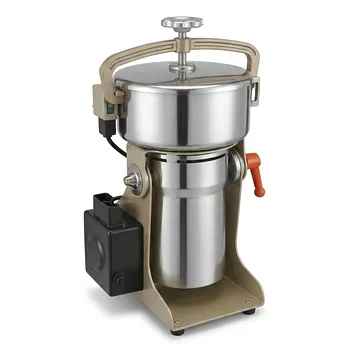
Multifunctional High Efficiency High Speed Laboratory Grinder
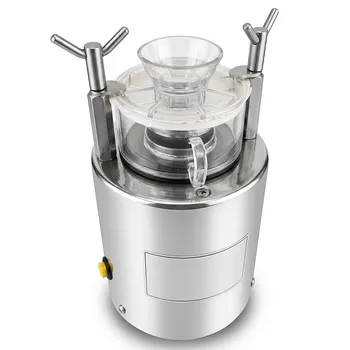
Laboratory Desktop Ultra Fine Powder Grinder High Speed Micronizing Pulverizer
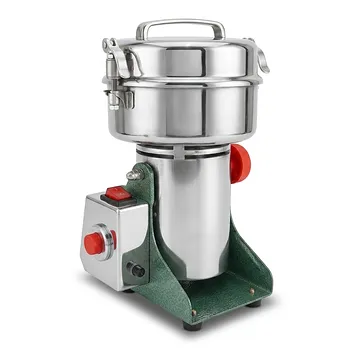
Small High-Speed Laboratory Grinder for Powder Processing
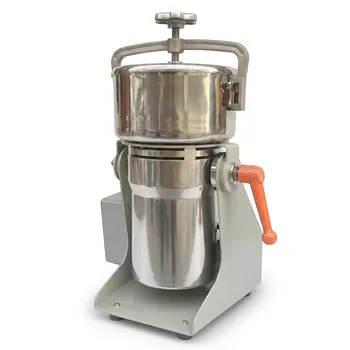
High Speed Laboratory Grinder Efficient Stainless Steel Powder Pulverizer Universal Material Science Mill for Sample Preparation
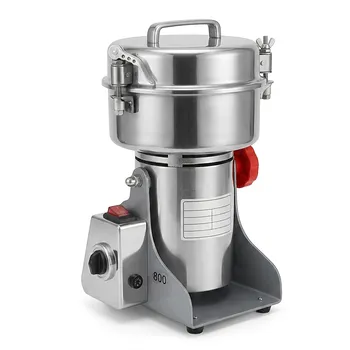
Small High-Speed Laboratory Grinder for Rapid Sample Preparation
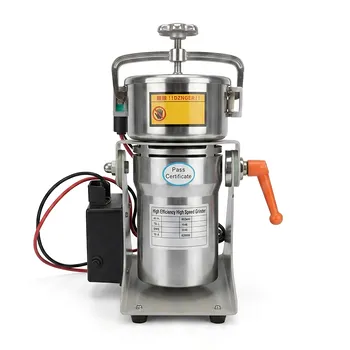
High Efficiency High Speed Grinder Laboratory Mill 1300W 25000rpm
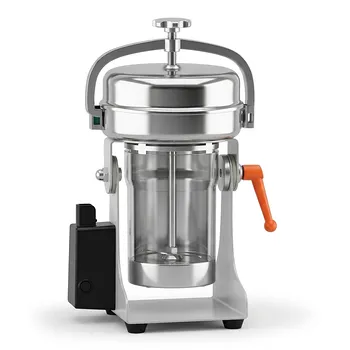
High Efficiency High Speed Grinder 2200W 25000 RPM Laboratory Sample Preparation
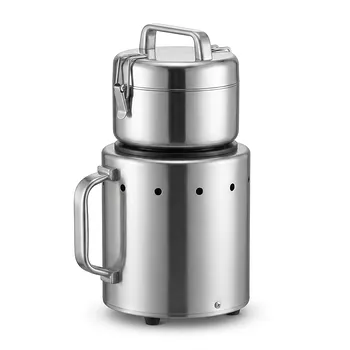
Small High Speed Grinder for Laboratory Sample Preparation
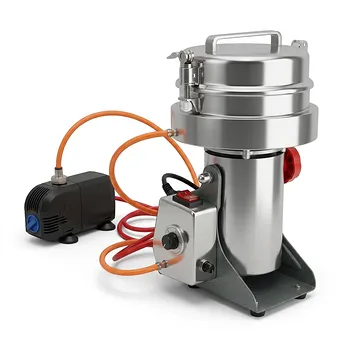
Water Cooled High Speed Grinder with Cryogenic Option for Laboratory Sample Preparation
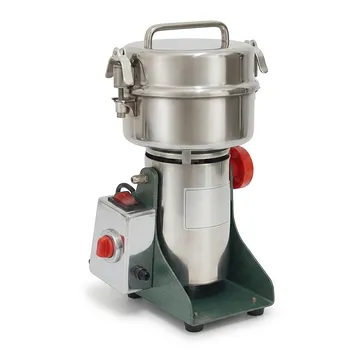
Small High Speed Grinder for Laboratory Sample Preparation
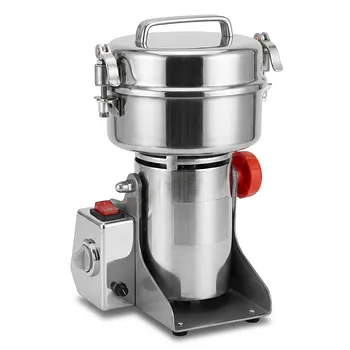
High Speed Laboratory Powder Grinder Small Batch Sample Preparation Mill
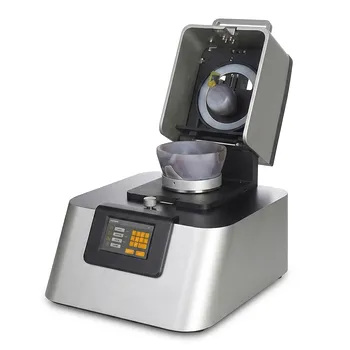
Laboratory Mortar Grinder for Sample Preparation and Cryogenic Powder Homogenization
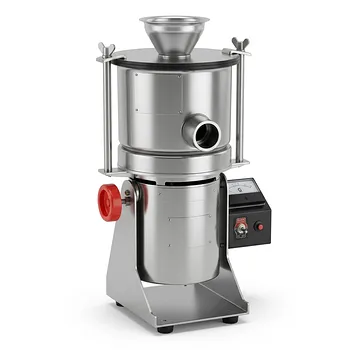
Laboratory Ultrafine Impact and Airflow Grinder for Precise Particle Size Control
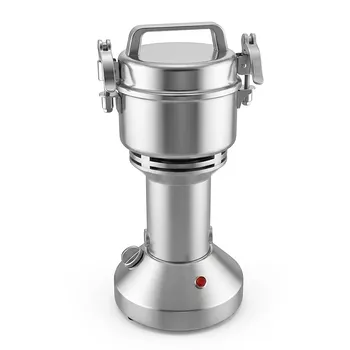
Small High Speed Upright Grinder for Laboratory Sample Preparation
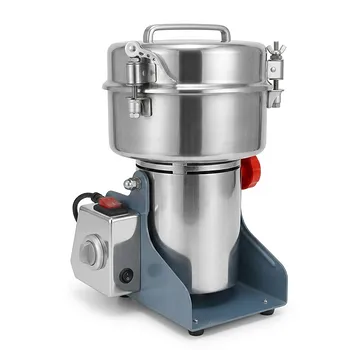
Small High-Speed Grinder for Efficient Laboratory Sample Preparation
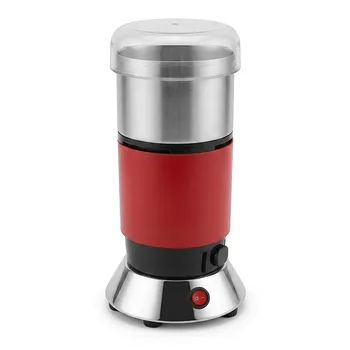
Micro Solid Sample Grinder High Speed Pulverizer for Laboratory Small Batch Grinding
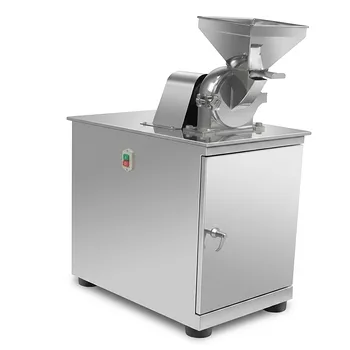
Universal Laboratory Pulverizer Grinder for Small Batch Powder Processing and Material Science Research
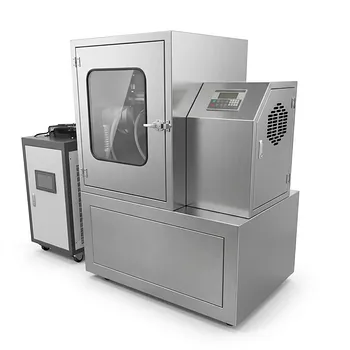
Vibratory Superfine Grinder for Ultra Fine Laboratory Powder Milling
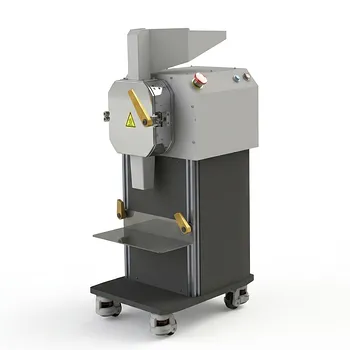
Small Laboratory Knife Crusher for Plastic Sample Preparation and Material Grinding