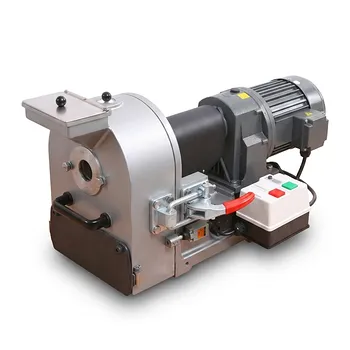
What role does a laboratory grinder play in the pretreatment of sunflower seed shell-based adsorbents? Boost Efficiency.
Updated 5 months ago
The laboratory grinder is the essential mechanical catalyst that transforms bulky sunflower seed shells into a reactive, high-surface-area substrate. By utilizing high-speed blade shearing, the grinder reduces tough biomass fibers into uniform particles, typically passing through specific meshes like a 1 mm sieve. This physical pretreatment is mandatory to expose the internal microporous structures and active sites required for effective chemical modification and pollutant adsorption.
The laboratory grinder serves as a foundational pretreatment step that converts raw agricultural waste into a standardized powder. This process maximizes the specific surface area and ensures the accessibility of internal structures, which is critical for successful chemical quaternization and uniform adsorption performance.
Mechanical Breakdown and Structural Exposure
High-Speed Shearing of Fibrous Biomass
The primary role of the grinder is to exert intense mechanical force and high-speed blade shearing to overcome the structural integrity of the sunflower seed shell. This process rapidly breaks down tough, lignocellulosic fibers that would otherwise remain inaccessible to chemical reagents.
Exposing Internal Microporous Structures
Raw sunflower shells possess natural barriers that shield their internal porosity. Grinding effectively "unlocks" these structures, exposing internal micropores and active sites that are vital for capturing contaminants like heavy metals or dye molecules.
Increasing Specific Surface Area
By pulverizing the shells into a fine powder, the grinder exponentially increases the total surface area available for contact. This physical transformation is the technical foundation for optimizing the adsorption capacity of the final material in wastewater treatment applications.
Facilitating Chemical and Thermal Modifications
Optimizing Chemical Quaternization
The primary reference highlights that uniform small particles are necessary for subsequent chemical quaternization reactions. A consistent particle size ensures that modification agents can penetrate the material evenly, leading to a more homogenous and effective adsorbent.
Ensuring Uniform Heat Transfer
If the pretreatment involves thermal processes like torrefaction or roasting, finely ground particles are necessary to ensure uniform heat transfer. This prevents localized over-processing and ensures that the entire batch of biomass reaches the required temperature simultaneously.
Enhancing Reagent Contact Probability
Reducing the particle size increases the probability of contact between the biosorbent and modification agents (such as phosphoric acid or quaternizing chemicals). This efficiency reduces the amount of chemical waste and shortens the time required for successful modification.
Precision Control and Grading
Integration with Classification Sieving
Laboratory grinders are often used in tandem with standard sieves (e.g., 1 mm or 60-mesh) to ensure a precise particle size distribution. This consistency is critical for experimental reproducibility and for controlling the macropore distribution in the final adsorbent product.
Achieving Geometric Uniformity
A grinder provides the mechanical precision needed to transform irregular agricultural waste into a standardized powder. This uniformity is essential for controlled experimental variables, allowing researchers to accurately measure adsorption kinetics and isotherms.
Understanding the Trade-offs
Mechanical Heat Generation
High-speed grinding can generate significant friction-induced heat, which may inadvertently alter the chemical properties of sensitive biomass. In some cases, intermittent grinding or cooling periods are necessary to preserve the integrity of the sunflower seed shell's organic components.
The Risk of Over-Grinding
While a high surface area is beneficial, over-grinding into excessively fine "dust" can lead to practical issues during wastewater treatment. Particles that are too small can cause clogging in filtration systems or become difficult to recover from the treated liquid.
Making the Right Choice for Your Research Goal
How to Apply This to Your Project
To achieve the best results with sunflower seed shell-based adsorbents, your grinding strategy should align with your specific experimental objectives:
- If your primary focus is maximizing adsorption capacity: Utilize a high-speed grinder to achieve the finest possible powder (below 250 μm) to expose the maximum number of active surface sites.
- If your primary focus is chemical modification efficiency: Prioritize particle uniformity through the use of specific meshes (like 1 mm) to ensure the quaternization agent reacts evenly across the entire sample.
- If your primary focus is large-scale wastewater filtration: Aim for a balanced particle size that offers high surface area without creating excessive fines that could compromise the flow rate of the treatment system.
Strategic mechanical pretreatment via laboratory grinding is the non-negotiable first step in evolving raw agricultural waste into a high-performance functional material.
Summary Table:
| Key Role | Technical Mechanism | Impact on Adsorbent Quality |
|---|---|---|
| Particle Size Reduction | High-speed blade shearing | Increases specific surface area for higher pollutant capture. |
| Structural Exposure | Breaking fibrous biomass | Unlocks internal micropores and active sites for chemical bonding. |
| Chemical Facilitation | Creating uniform powders | Ensures homogenous quaternization and even reagent penetration. |
| Thermal Optimization | Precision grading | Enables uniform heat transfer during roasting or torrefaction. |
Optimize Your Adsorbent Research with Precision Sample Prep
Achieving superior adsorption performance starts with high-quality mechanical pretreatment. We provide complete laboratory sample preparation solutions for material science, specializing in high-performance powder processing and compaction equipment.
Whether you are refining agricultural waste or developing advanced technical ceramics, our extensive equipment lines are designed to deliver the consistency your research demands:
- Size Reduction: From tough biomass to hard minerals, utilize our crushers (jaw/roll), liquid nitrogen cryogenic grinders, and versatile mills (planetary ball, jet, sand/bead, disc, rotor).
- Particle Analysis: Ensure perfect grading with our vibratory and air-jet sieve shakers and high-precision test sieves.
- Mixing & Compaction: Achieve homogeneity with our powder and defoaming mixers, or create dense samples using our full spectrum of hydraulic presses, including Cold/Warm Isostatic Presses (CIP/WIP), vacuum hot presses, and XRF pellet presses.
Ready to elevate your material processing? Contact us today to discuss how our specialized equipment can enhance your lab's workflow and experimental accuracy.
References
- Antonija Kristek Janković, Mario Šiljeg. Utilization of Modified Sunflower Seed as Novel Adsorbent for Nitrates Removal from Wastewater. DOI: 10.3390/w16010073
Mentioned Products
- Multifunctional High Efficiency High Speed Laboratory Grinder
- Laboratory Desktop Ultra Fine Powder Grinder High Speed Micronizing Pulverizer
- Small High-Speed Laboratory Grinder for Powder Processing
- Small High-Speed Laboratory Grinder for Rapid Sample Preparation
- High Speed Laboratory Grinder Efficient Stainless Steel Powder Pulverizer Universal Material Science Mill for Sample Preparation
People Also Ask
- How does a laboratory grinder or mill enhance the adsorption performance of agricultural waste materials? Boost Surface Area
- What is the function of laboratory grinding equipment in ZnO nanosphere sol-gel synthesis? Ensure Superior Particle Size
- Why use lab grinding for eggshell & husk carbon materials? Maximize Surface Area & Heat Transfer for Better Adsorption
- Why is grinding equipment necessary for SnO2-Sb2O3 xerogels? Maximize surface area and photocatalytic activity.
- What is the role of laboratory grinding equipment in the preparation of waste glass powder for eco-friendly red bricks?

Tech Team · PowderPreparation
Last updated on May 14, 2026
Related Products
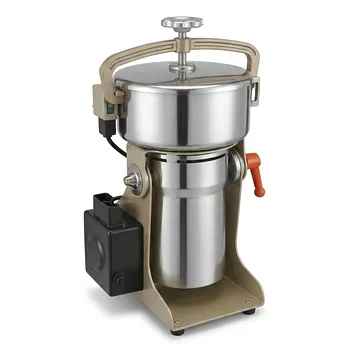
Multifunctional High Efficiency High Speed Laboratory Grinder
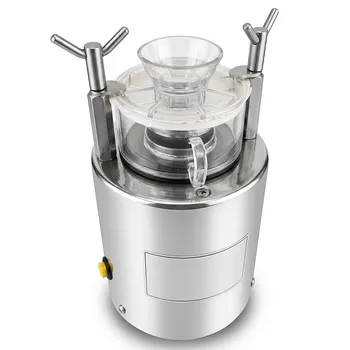
Laboratory Desktop Ultra Fine Powder Grinder High Speed Micronizing Pulverizer
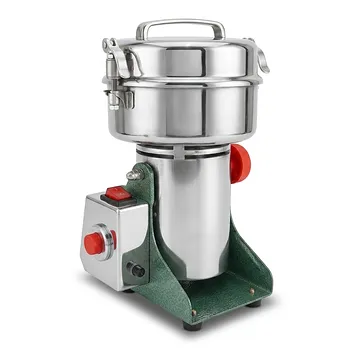
Small High-Speed Laboratory Grinder for Powder Processing
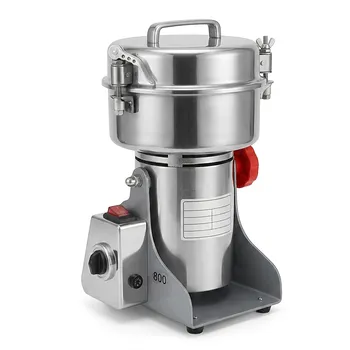
Small High-Speed Laboratory Grinder for Rapid Sample Preparation
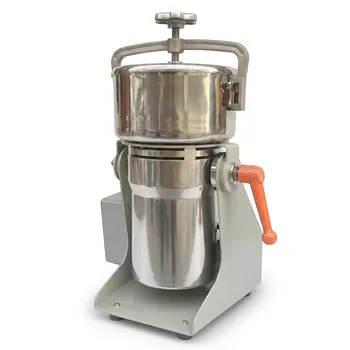
High Speed Laboratory Grinder Efficient Stainless Steel Powder Pulverizer Universal Material Science Mill for Sample Preparation
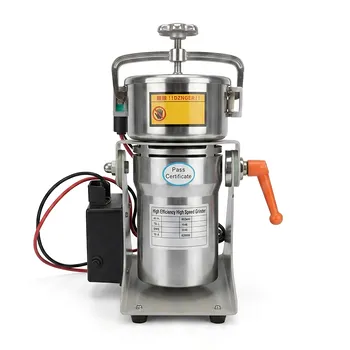
High Efficiency High Speed Grinder Laboratory Mill 1300W 25000rpm
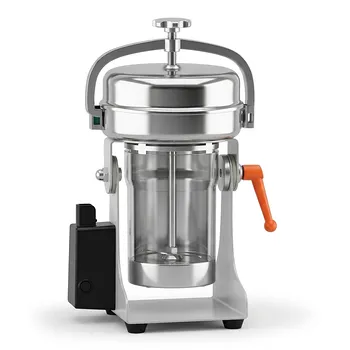
High Efficiency High Speed Grinder 2200W 25000 RPM Laboratory Sample Preparation
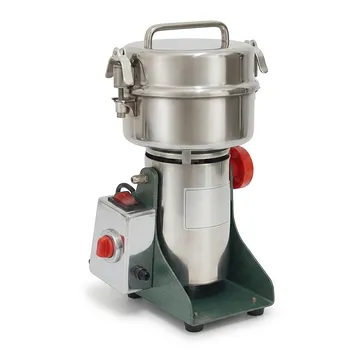
Small High Speed Grinder for Laboratory Sample Preparation
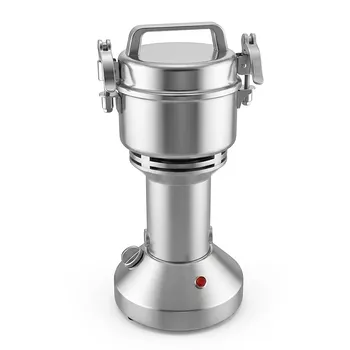
Small High Speed Upright Grinder for Laboratory Sample Preparation
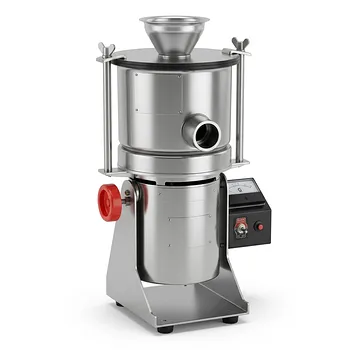
Laboratory Ultrafine Impact and Airflow Grinder for Precise Particle Size Control
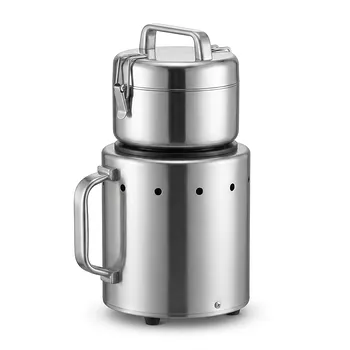
Small High Speed Grinder for Laboratory Sample Preparation
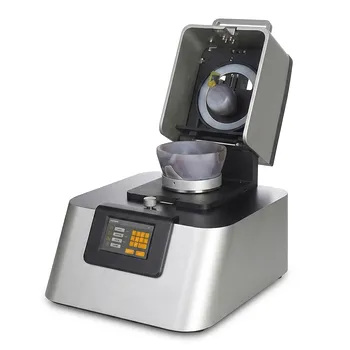
Laboratory Mortar Grinder for Sample Preparation and Cryogenic Powder Homogenization
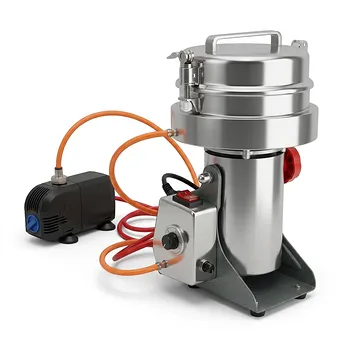
Water Cooled High Speed Grinder with Cryogenic Option for Laboratory Sample Preparation
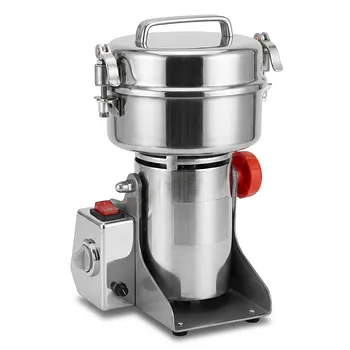
High Speed Laboratory Powder Grinder Small Batch Sample Preparation Mill
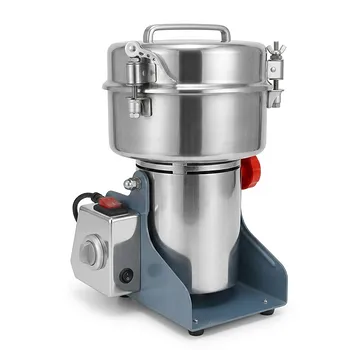
Small High-Speed Grinder for Efficient Laboratory Sample Preparation
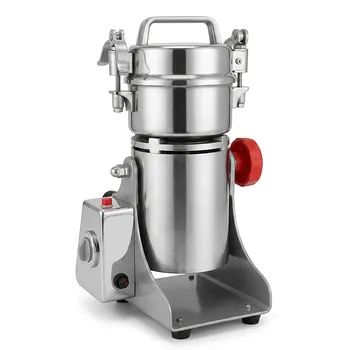
Industrial High Speed Small Sample Pulverizer Swing Type Laboratory Grinder for Powder Processing
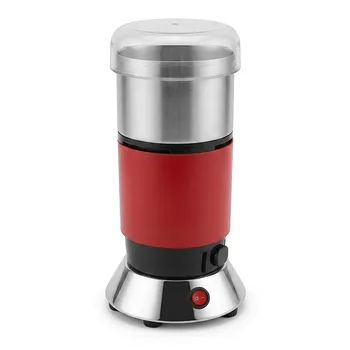
Micro Solid Sample Grinder High Speed Pulverizer for Laboratory Small Batch Grinding
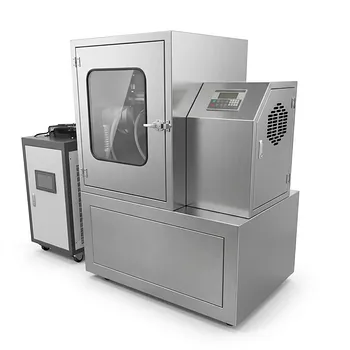
Vibratory Superfine Grinder for Ultra Fine Laboratory Powder Milling
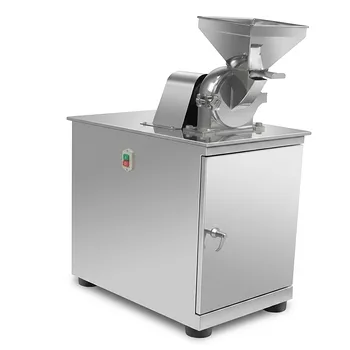
Universal Laboratory Pulverizer Grinder for Small Batch Powder Processing and Material Science Research