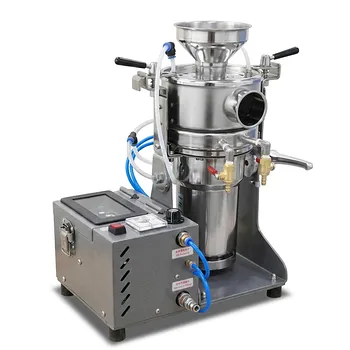
Why is a cryogenic grinder essential for nano-encapsulated materials? Protect Integrity and Boost Remediation Success
Updated 5 months ago
A cryogenic grinder is essential for nano-encapsulated materials because it prevents thermal degradation and structural collapse during the milling process. By using liquid nitrogen to reach a material's embrittlement point, the grinder ensures that heat-sensitive active molecules and the delicate encapsulation shell remain intact. This results in a stable, high-surface-area powder with a narrow particle size distribution, which is critical for effective heavy metal adsorption and environmental pollutant removal.
Cryogenic grinding preserves the chemical and physical integrity of nano-materials by neutralizing mechanical heat with liquid nitrogen, ensuring that the encapsulated functional properties are not lost to melting or oxidation.
Overcoming the Thermal Barrier in Nano-Engineering
Protecting Heat-Sensitive Active Ingredients
Nano-encapsulated materials used for heavy metal adsorption often contain volatile or chemically sensitive active molecules. Standard grinding generates friction-induced heat that can cause the oxidative decomposition of these molecules, rendering the material useless for remediation.
Maintaining the Structural Integrity of the Shell
The "capsule" in nano-encapsulation is often a polymer or organic matrix with a low melting point. Cryogenic temperatures prevent the sample from melting or smearing against the grinding media, ensuring the encapsulated structure remains physically intact.
Preventing Polymer Backbone Breakage
In green composites like nano-chitosan, high-energy grinding at room temperature can cause the polymer backbone to break. Utilizing a liquid nitrogen environment suppresses this thermal degradation, maintaining the mechanical and chemical strength of the composite.
Precision Control of Particle Morphology
Utilizing the Embrittlement Point
Many materials used in remediation, such as plastics or rubber-based sorbents, are naturally tough or elastic. Cooling these materials below their embrittlement point allows them to be fractured easily into ultra-fine powders rather than being deformed.
Achieving Narrow Particle Size Distribution
Effective environmental remediation requires a high surface-area-to-volume ratio to maximize contaminant capture. Cryogenic grinding allows for precise control of particle size to the micron level, which is a prerequisite for subsequent processes like ultrasonic dispersion.
Enhancing Material Dispersion
For composites involving graphene or activated carbon, cryogenic grinding ensures a uniform and ultrafine dispersion of nanoparticles within a matrix. This homogeneity is vital for creating a consistent material that performs reliably across large-scale remediation sites.
Understanding the Trade-offs
Operational Costs and Complexity
The primary downside of cryogenic grinding is the increased cost associated with the continuous consumption of liquid nitrogen. Additionally, operators require specialized training to handle cryogenic liquids and manage the high-pressure environments of hydraulic-drive systems safely.
Risk of Moisture Contamination
If not managed correctly, the extremely cold temperatures can cause atmospheric moisture to condense on the sample once it is removed from the grinder. This can lead to clumping or unwanted chemical reactions in highly reactive nano-powders.
Material Limitations
While excellent for brittle fracture, cryogenic grinding may not be the most efficient method for materials that do not reach a brittle state even at liquid nitrogen temperatures. In these rare cases, the energy expenditure may not justify the marginal gains in particle fineness.
How to Apply Cryogenic Grinding to Your Project
Cryogenic grinding is a specialized tool that should be deployed when material stability is the primary concern.
- If your primary focus is heavy metal adsorption: Use cryogenic milling to ensure the active functional groups on your nano-capsules are not destroyed by heat during size reduction.
- If your primary focus is woody biomass or cellulose: Utilize the embrittlement process to achieve a particle size below 10μm, which is essential for high-quality XRF analysis and pollutant profiling.
- If your primary focus is drug-loaded nanofibers or bio-sorbents: Prioritize ultra-low temperatures to maintain the biological activity and structural stability of the proteins or polymers involved.
By leveraging cryogenic technology, you ensure that the sophisticated engineering of your nano-materials translates directly into superior performance in the field.
Summary Table:
| Key Challenge | Cryogenic Solution | Benefit for Remediation |
|---|---|---|
| Thermal Degradation | Liquid nitrogen cooling | Preserves heat-sensitive active molecules |
| Structural Collapse | Lowering to embrittlement point | Maintains the integrity of the encapsulation shell |
| Particle Size Control | High-energy brittle fracture | Achieves narrow distribution and high surface area |
| Material Elasticity | Hardening polymers/rubbers | Enables ultra-fine milling of tough materials |
Elevate Your Material Research with Expert Sample Preparation
Precision in environmental remediation starts with the integrity of your nano-materials. We provide complete laboratory sample preparation solutions tailored for material science, ensuring your research translates into real-world performance.
Our specialized equipment range includes:
- Advanced Grinding: Liquid nitrogen cryogenic grinders, planetary ball mills, jet mills, and rotor mills to achieve ultra-fine particle sizes without thermal damage.
- Material Compaction: A full spectrum of hydraulic presses, including Cold/Warm Isostatic Presses (CIP/WIP), vacuum hot presses, and XRF pellet presses.
- Processing & Sizing: Jaw/roll crushers, powder mixers, and high-precision sieve shakers.
Don't let mechanical heat compromise your active ingredients. Whether you are working on heavy metal adsorption or green composites, our team is ready to help you optimize your workflow. Contact us today to discuss your project requirements!
References
- Antonio Adrián Arciénaga Morales, Britta Thomsen. Some insights into nanotechnology innovation processes and patterns for advanced materials. DOI: 10.22201/fca.24488410e.2019.1805
Mentioned Products
- Small Liquid Nitrogen Cryogenic Grinder for Ultrafine Grinding of Heat-Sensitive Materials in Laboratories
- Cryogenic Liquid Nitrogen Grinder for DNA Analysis and Polymer Pulverization with Automatic Cooling and Electromagnetic Impact Technology
- Cryogenic Liquid Nitrogen Grinder for Ultrafine Heat-Sensitive Powder Processing
- Laboratory Cryogenic Grinder Liquid Nitrogen Low Temperature Ultrafine Grinding
- Liquid Nitrogen Cryogenic Grinder for Plastic and Heat-Sensitive Materials
People Also Ask
- What are the advantages of using liquid nitrogen Cryomilling? Achieve ultra-fine grains and high chemical purity.
- How does liquid nitrogen as a processing medium affect copper powder beyond cooling? Impacts on Purity & Sintering
- What is the function of liquid nitrogen cryogenic grinding in the initial preparation of PHBH polymer powder? Key Roles
- Why is liquid nitrogen cryogenic grinding used for coal and microbial experiments? Preserve Sample Integrity
- Why use liquid nitrogen cryogenic grinding for polymer degradation? Preserve sample integrity & prevent thermal damage

Tech Team · PowderPreparation
Last updated on May 14, 2026
Related Products
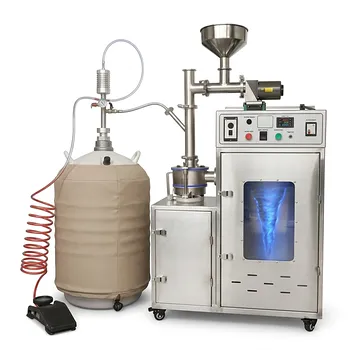
Small Liquid Nitrogen Cryogenic Grinder for Ultrafine Grinding of Heat-Sensitive Materials in Laboratories
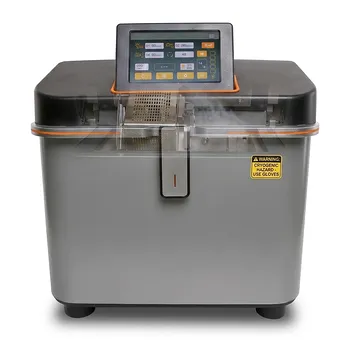
Cryogenic Liquid Nitrogen Grinder for DNA Analysis and Polymer Pulverization with Automatic Cooling and Electromagnetic Impact Technology
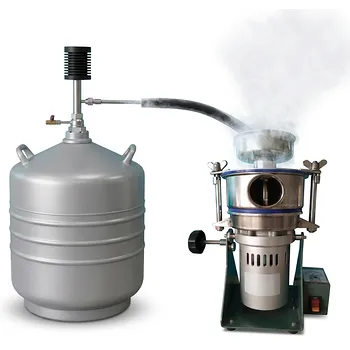
Cryogenic Liquid Nitrogen Grinder for Ultrafine Heat-Sensitive Powder Processing
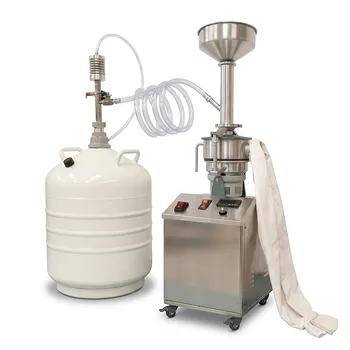
Laboratory Cryogenic Grinder Liquid Nitrogen Low Temperature Ultrafine Grinding
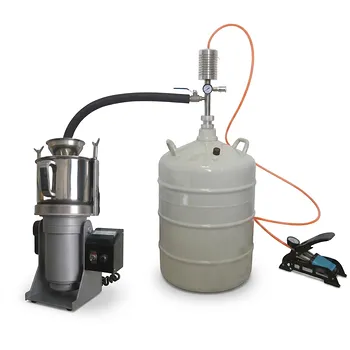
Liquid Nitrogen Cryogenic Grinder for Plastic and Heat-Sensitive Materials
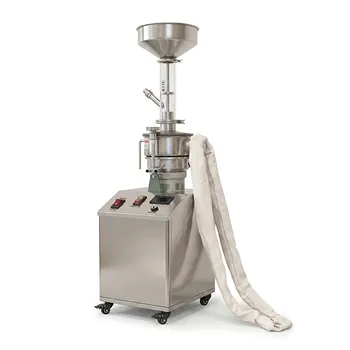
Small Liquid Nitrogen Cryogenic Grinder for Plastic and Heat-Sensitive Material Sample Preparation
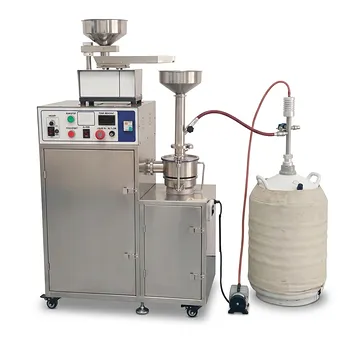
Small Liquid Nitrogen Cryogenic Grinder with Vibratory Feeder for Laboratory Sample Preparation
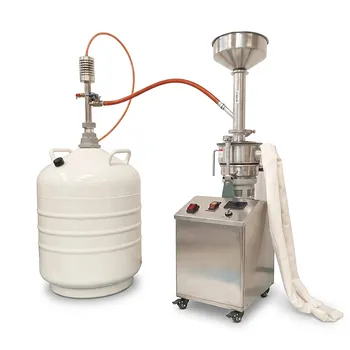
Laboratory Liquid Nitrogen Cryogenic Grinder for Polymer and Elastomer Materials
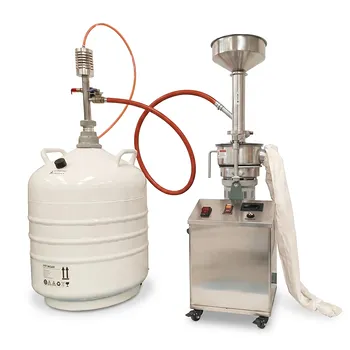
Laboratory Liquid Nitrogen Cryogenic Grinder Polymer Sample Preparation Pulverizer
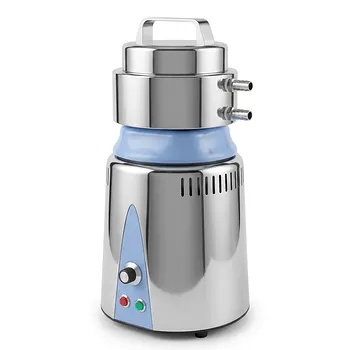
Low Temperature Laboratory Knife Mill Cryogenic Sample Grinder Material Science Powder Processing
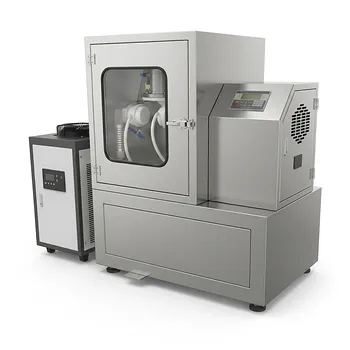
Vibratory Ultra-Low Temperature Ultrafine Grinder for Cryogenic Powder Processing
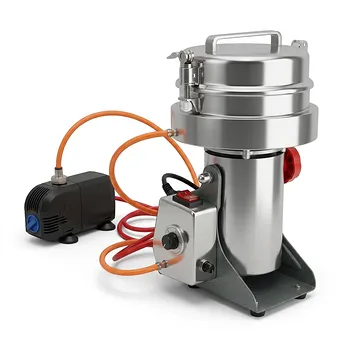
Water Cooled High Speed Grinder with Cryogenic Option for Laboratory Sample Preparation
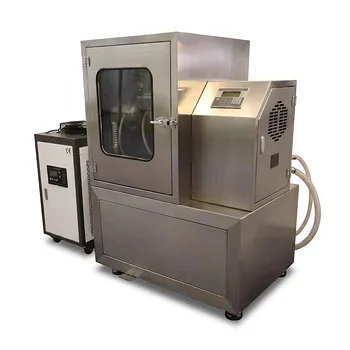
Ultra-Low Temperature Vibratory Mill for Ultrafine Grinding
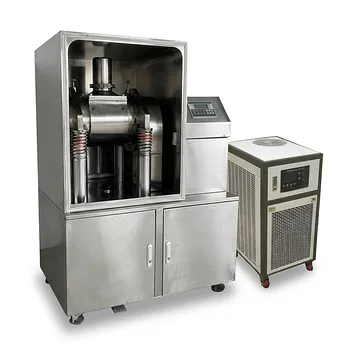
Water Cooled Cryogenic Ultra Fine Cell Wall Breaking Mill
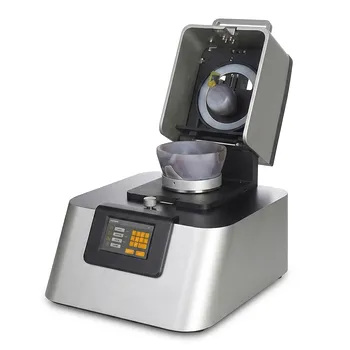
Laboratory Mortar Grinder for Sample Preparation and Cryogenic Powder Homogenization
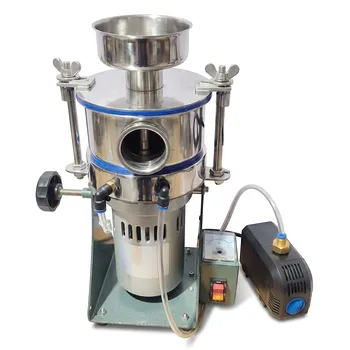
Water Cooled Airflow Ultra Fine Grinder for Low Temperature Material Processing
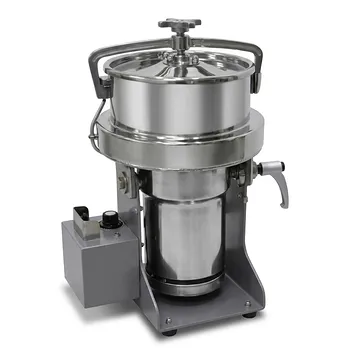
500g Capacity Water Cooled Low Temperature Grinder with Variable Speed and Safety Cover
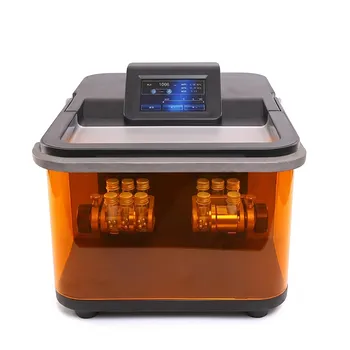
High Throughput Micro Ball Mill for Cryogenic Grinding and Laboratory Cell Disruption
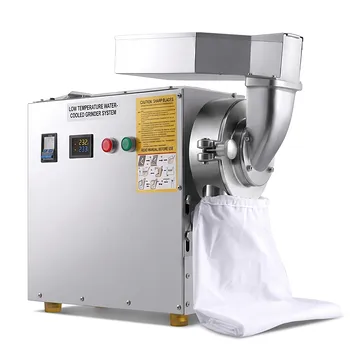
Low Temperature Water Cooled Continuous Feed Grinder Two Stage Coarse and Fine Grinding System