What is the function of cryogenic grinding in the preparation of microplastic samples for soil research? Vital Insights
Updated 5 months ago
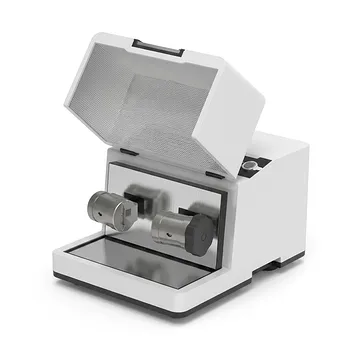
Cryogenic grinding is the critical process of embrittling polymers at ultra-low temperatures to enable precise mechanical pulverization. This technique functions by using liquid nitrogen to cool plastic materials below their glass transition temperature, making them brittle enough to be shattered by high-energy impact. By eliminating the heat generated during standard grinding, this process prevents the melting, deformation, or chemical degradation of the polymer, ensuring that the resulting microplastics accurately reflect the physical and chemical properties of particles found in natural soil environments.
The primary role of cryogenic grinding is to produce physically stable, irregular microplastic fragments that simulate "secondary microplastics" while preserving the original material's chemical signature through rigorous thermal control.
The Physics of Material Embrittlement
Reaching the Glass Transition Temperature
Standard polymers like polyethylene (PE) and polystyrene (PS) are resilient and tend to soften or smear when subjected to mechanical stress at room temperature. Cryogenic grinding utilizes liquid nitrogen to rapidly cool these materials to their embrittlement point, turning flexible plastics into fragile, glass-like states.
Mechanical Pulverization Dynamics
Once the material is embrittled, the grinder uses high-frequency oscillation or high-energy mechanical impact to shatter the bulk plastic. This allows researchers to refine materials into powders with a specific size distribution, often reaching sizes smaller than 100 micrometers or specific ranges like 500–1000 µm.
Preservation of Irregular Morphologies
In soil research, using perfectly spherical beads often fails to replicate how microplastics behave in the environment. Cryogenic grinding produces irregular, fragmented particles that better simulate the "secondary microplastics" formed by the natural weathering and fragmentation of larger plastic debris.
Ensuring Analytical and Chemical Integrity
Mitigation of Thermal Degradation
Mechanical grinding naturally generates significant frictional heat, which can cause polymers to melt or undergo chemical structural degradation. The circulating liquid nitrogen maintains an ultra-low temperature environment that absorbs this heat instantly, protecting the sample’s integrity.
Consistency in Reference Materials
For soil studies requiring standardized results, this method ensures the production of uniform particle sizes across different batches. This level of control is essential when creating reference samples from diverse sources, including low-density polyethylene (LDPE) or post-consumer recycled plastics (PCRs).
Maintaining Original Chemical Properties
Because the process avoids high local temperatures, the chemical "fingerprint" of the plastic remains unaltered. This is vital for researchers who need to detect and identify microplastics in soil samples using spectroscopy without interference from heat-induced chemical changes.
Understanding the Trade-offs and Limitations
Resource Intensity and Operating Costs
Cryogenic grinding requires a continuous supply of liquid nitrogen, which increases the cost per sample compared to traditional milling. The equipment itself is specialized and requires higher initial capital investment and maintenance than standard laboratory grinders.
Material Handling and Safety
Working with cryogenic fluids introduces specific safety risks, including potential oxygen deficiency and cold burns, requiring specialized training. Furthermore, while the process is excellent for brittle fracture, extremely elastic elastomers may still require extended pre-cooling times to reach a grindable state.
How to Apply This to Your Research Project
Making the Right Choice for Your Goal
To determine if cryogenic grinding is necessary for your soil research, consider the following objectives:
- If your primary focus is environmental realism: Use cryogenic grinding to produce irregular, secondary microplastic fragments that mimic the behavior of weathered debris in soil matrices.
- If your primary focus is chemical precision: Opt for this method to ensure that the polymers do not undergo thermal oxidation or melting, which could skew spectroscopic detection results.
- If your primary focus is working with resilient polymers: Utilize liquid nitrogen pre-cooling for materials like PA or HDPE that are otherwise impossible to pulverize into micron-sized particles at room temperature.
By mastering the transition from bulk material to embrittled powder, researchers can ensure their soil impact studies are based on realistic, chemically accurate microplastic contaminants.
Summary Table:
| Feature | Role in Soil Research |
|---|---|
| Thermal Control | Uses liquid nitrogen to prevent polymer melting and chemical degradation. |
| Embrittlement | Cools plastics below glass transition for precise pulverization into micron sizes. |
| Morphology | Produces irregular fragments that accurately simulate "secondary microplastics." |
| Chemical Integrity | Maintains the original spectroscopic "fingerprint" for reliable detection. |
| Size Uniformity | Ensures consistent particle size distribution for standardized reference samples. |
Elevate Your Research with Precision Sample Preparation
Achieving accurate, reproducible results in soil research depends on the integrity of your microplastic samples. At our company, we provide complete laboratory sample preparation solutions specifically designed for material science and environmental analysis.
Our specialized liquid nitrogen cryogenic grinders and planetary ball mills ensure your polymers are processed without thermal damage, while our extensive range of crushers (jaw/roll), sieve shakers, and powder mixers streamline your workflow. For downstream applications, we offer a full spectrum of hydraulic presses, including Cold/Warm Isostatic Presses (CIP/WIP), hot presses, and XRF pellet presses for advanced material characterization.
Ready to optimize your powder processing and sample preparation? Contact our expert team today to find the perfect equipment solution for your laboratory’s unique requirements.
References
- Eva‐Maria Teggers, Andreas Schäffer. Modified oil extraction of pristine and weathered synthetic polyurea microcapsules and polyethylene microplastics from soil. DOI: 10.1186/s43591-025-00121-0
Mentioned Products
- Small Liquid Nitrogen Cryogenic Grinder for Ultrafine Grinding of Heat-Sensitive Materials in Laboratories
- Laboratory Cryogenic Grinder Liquid Nitrogen Low Temperature Ultrafine Grinding
- Cryogenic Liquid Nitrogen Grinder for DNA Analysis and Polymer Pulverization with Automatic Cooling and Electromagnetic Impact Technology
- Cryogenic Liquid Nitrogen Grinder for Ultrafine Heat-Sensitive Powder Processing
- Liquid Nitrogen Cryogenic Grinder for Plastic and Heat-Sensitive Materials
People Also Ask
- What are the advantages of using liquid nitrogen Cryomilling? Achieve ultra-fine grains and high chemical purity.
- How does liquid nitrogen as a processing medium affect copper powder beyond cooling? Impacts on Purity & Sintering
- What is the function of liquid nitrogen cryogenic grinding in the initial preparation of PHBH polymer powder? Key Roles
- Why is liquid nitrogen cryogenic grinding used for coal and microbial experiments? Preserve Sample Integrity
- Why use liquid nitrogen cryogenic grinding for polymer degradation? Preserve sample integrity & prevent thermal damage

Tech Team · PowderPreparation
Last updated on May 14, 2026
Related Products
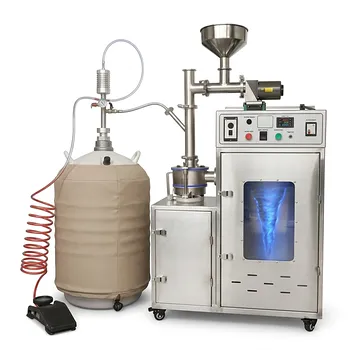
Small Liquid Nitrogen Cryogenic Grinder for Ultrafine Grinding of Heat-Sensitive Materials in Laboratories
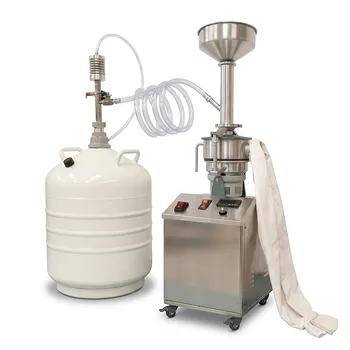
Laboratory Cryogenic Grinder Liquid Nitrogen Low Temperature Ultrafine Grinding
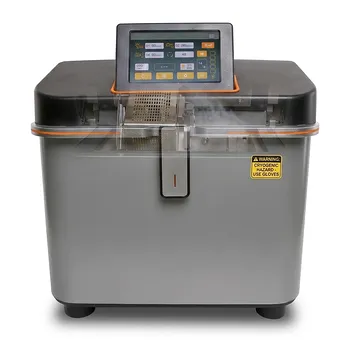
Cryogenic Liquid Nitrogen Grinder for DNA Analysis and Polymer Pulverization with Automatic Cooling and Electromagnetic Impact Technology
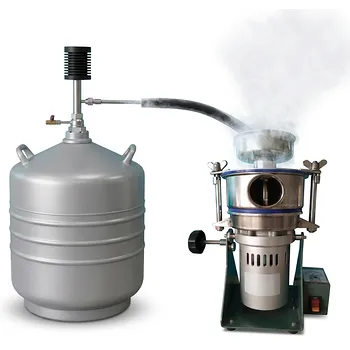
Cryogenic Liquid Nitrogen Grinder for Ultrafine Heat-Sensitive Powder Processing
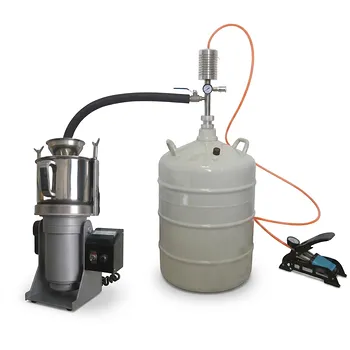
Liquid Nitrogen Cryogenic Grinder for Plastic and Heat-Sensitive Materials
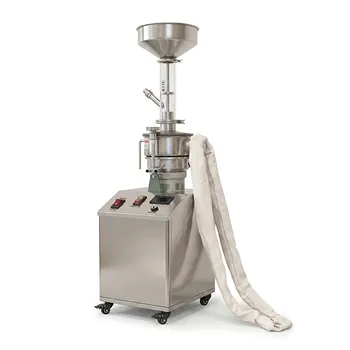
Small Liquid Nitrogen Cryogenic Grinder for Plastic and Heat-Sensitive Material Sample Preparation
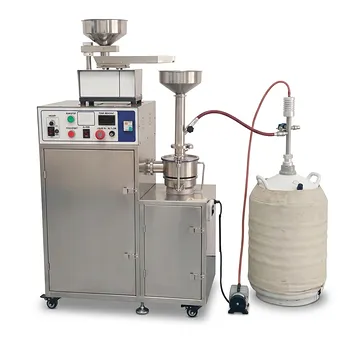
Small Liquid Nitrogen Cryogenic Grinder with Vibratory Feeder for Laboratory Sample Preparation
Laboratory Liquid Nitrogen Cryogenic Grinder for Polymer and Elastomer Materials
Laboratory Liquid Nitrogen Cryogenic Grinder Polymer Sample Preparation Pulverizer
Low Temperature Laboratory Knife Mill Cryogenic Sample Grinder Material Science Powder Processing
Vibratory Ultra-Low Temperature Ultrafine Grinder for Cryogenic Powder Processing
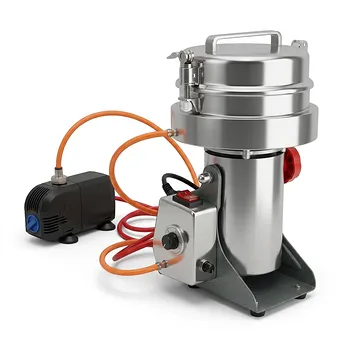
Water Cooled High Speed Grinder with Cryogenic Option for Laboratory Sample Preparation
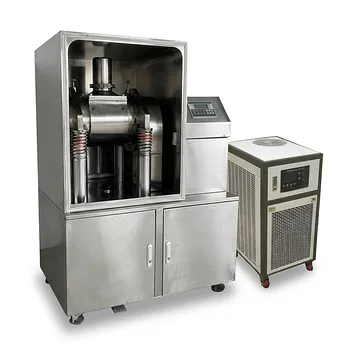
Water Cooled Cryogenic Ultra Fine Cell Wall Breaking Mill
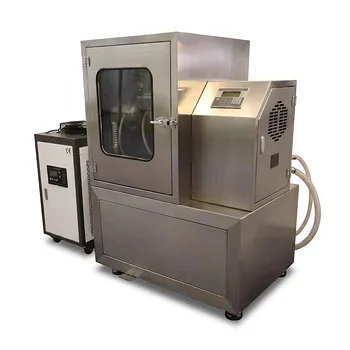
Ultra-Low Temperature Vibratory Mill for Ultrafine Grinding
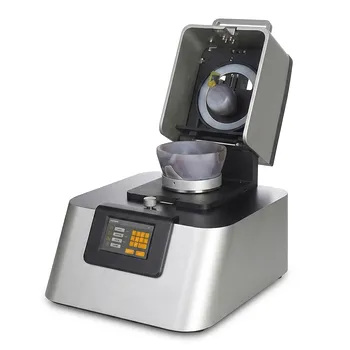
Laboratory Mortar Grinder for Sample Preparation and Cryogenic Powder Homogenization
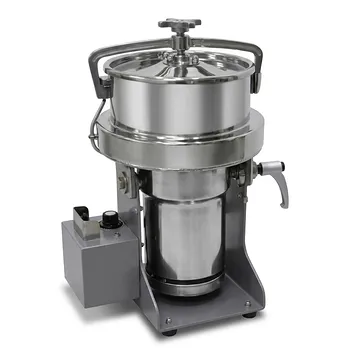
500g Capacity Water Cooled Low Temperature Grinder with Variable Speed and Safety Cover
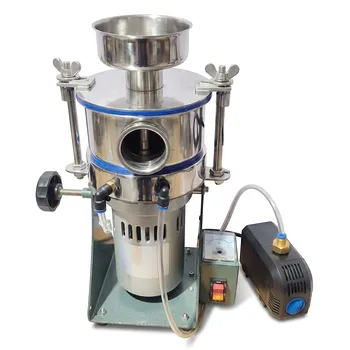
Water Cooled Airflow Ultra Fine Grinder for Low Temperature Material Processing
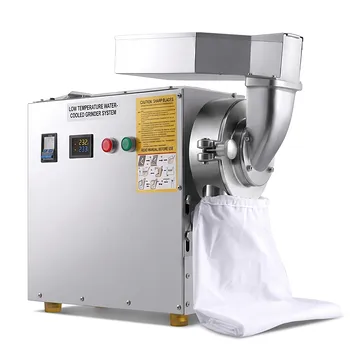
Low Temperature Water Cooled Continuous Feed Grinder Two Stage Coarse and Fine Grinding System
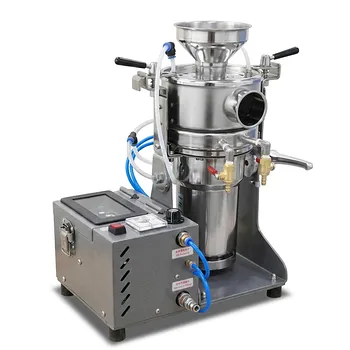
Water Cooled Pulse Jet Ultrafine Grinder