What is the function of a laboratory pellet press in the FTIR analysis of geopolymer chemical bonds? Essential Guide
Updated 4 months ago
The laboratory pellet press is the critical tool used to transform geopolymer samples into a transparent medium suitable for infrared light transmission. By applying several tons of stable pressure to a mixture of geopolymer powder and Potassium Bromide (KBr), the press ensures the resulting pellet has the consistent thickness and optical uniformity required to capture clear spectral data.
Core Takeaway: A pellet press is essential for geopolymer FTIR analysis because it eliminates light scattering and internal voids, allowing for the precise measurement of Si-O-Al and Fe-O-Si bond vibrations and the determination of the network's cross-linking degree.
Achieving Optical Clarity for Infrared Transmission
The Role of High-Pressure Compaction
The primary function of the pellet press is to apply precise pressure—often up to 5 t/cm²—to a geopolymer-KBr mixture. This force induces plastic deformation, binding the particles into a solid, translucent disc that allows the infrared beam to penetrate the sample effectively.
Eliminating Signal Interference
Without the high pressure of a hydraulic press, internal voids and physical irregularities in the powder would cause excessive light scattering. The pellet press creates a uniform sample that reduces this interference, ensuring a stable baseline and a high signal-to-noise ratio in the resulting spectrum.
Ensuring Consistent Path Length
For accurate quantitative analysis, the sample must have a consistent thickness. The pellet press provides a repeatable molding process, which is necessary to compare the intensity of chemical bond peaks across different geopolymer formulations.
Characterizing the Geopolymer Gel Network
Identifying the Fingerprint Regions
In geopolymer science, the pellet press is vital for obtaining clear signals in the Si-O-Al and Fe-O-Si fingerprint regions. These specific vibrational frequencies provide molecular-level evidence of how the aluminosilicate framework has formed.
Measuring the Degree of Polymerization
The clarity provided by high-quality pellets allows researchers to accurately display the vibration frequencies of -Si-O-T (where T is Si or Al) bonds. This is the standard method for determining the degree of polymerization and the overall structural integrity of the geopolymer.
Detecting Subtle Chemical Changes
Because the pellet press minimizes physical interference, the FTIR spectrometer can capture subtle shifts in chemical bonds. This is particularly important when evaluating the impact of different activators or the inclusion of Fe-O-Si bonds in specialized geopolymer matrices.
Understanding the Trade-offs and Pitfalls
The Risk of Improper Pressure
Applying insufficient pressure results in an opaque pellet that blocks the infrared beam, leading to "noisy" data. Conversely, excessive pressure can occasionally damage the pellet die or cause the pellet to become too brittle to handle.
The Challenge of KBr Hygroscopicity
KBr is highly hygroscopic, meaning it absorbs moisture from the air rapidly. If the pressing process is too slow or performed in high humidity, water vapor will be trapped in the pellet, creating broad O-H stretching peaks that can mask the geopolymer’s actual chemical signatures.
Sample-to-KBr Ratio Sensitivity
The ratio of geopolymer powder to KBr must be meticulously controlled. Too much sample will lead to saturated peaks that bottom out the spectrum, while too little sample may fail to show the subtle Si-O-Al vibrations necessary for a complete analysis.
How to Optimize Your Sample Preparation
Effective FTIR analysis of geopolymers depends on the quality of the pellet. Depending on your specific research focus, follow these guidelines for using a laboratory press:
- If your primary focus is quantitative cross-linking analysis: Ensure you use a digital pressure gauge to apply identical tonnage to every sample for consistent thickness and peak intensity.
- If your primary focus is identifying new functional groups: Use high-purity KBr and a vacuum-capable pellet die to remove air, which minimizes light scattering and provides the cleanest possible baseline.
- If your primary focus is high-throughput screening: A manual hydraulic press offers the best balance of speed and reliability for preparing multiple geopolymer samples in a single session.
The laboratory pellet press is not merely a preparation tool, but the foundation for achieving the spectral resolution required to understand geopolymer chemistry.
Summary Table:
| Function of Pellet Press | Impact on FTIR Analysis | Key Geopolymer Insight |
|---|---|---|
| High-Pressure Compaction | Eliminates light scattering and internal voids | Clearer Si-O-Al and Fe-O-Si fingerprint regions |
| Optical Uniformity | Ensures a stable baseline and high signal-to-noise ratio | Precise detection of subtle chemical bond shifts |
| Consistent Path Length | Provides repeatable pellet thickness | Accurate measurement of the degree of polymerization |
| Plastic Deformation | Creates a translucent disc for IR beam penetration | Molecular-level evidence of framework formation |
Elevate Your Material Research with Precision Sample Preparation
Achieving high-resolution FTIR data for geopolymers requires more than just a spectrometer—it requires perfect sample preparation. [Your Brand Name] provides complete laboratory sample preparation solutions for material science, specializing in professional powder processing and compaction equipment.
From initial raw material reduction to final pelletizing, our extensive product lines support your entire workflow:
- Powder Processing: High-efficiency crushers (jaw/roll), liquid nitrogen cryogenic grinders, and various mills (planetary ball, jet, sand/bead, disc, rotor).
- Classification & Mixing: Sieve shakers (vibratory/air-jet) and advanced powder or defoaming mixers.
- Advanced Compaction: A full spectrum of hydraulic presses, including Cold/Warm Isostatic Presses (CIP/WIP), XRF pellet presses, standard lab presses, and vacuum hot presses.
Ready to optimize your geopolymer analysis? Contact us today to find the ideal pressing solution for your laboratory!
References
- Yanan Hu, Xinchun Yang. Green Low-Temperature Activation and Curing for High-Toughness Geopolymer Binders from Diabase Tailings. DOI: 10.3390/ma18163815
Mentioned Products
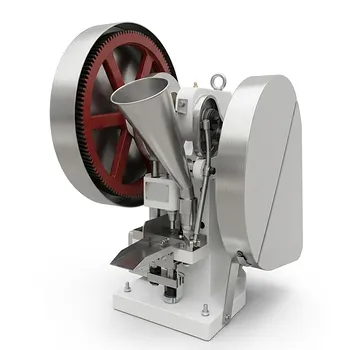
- 6-Ton Small Single-Punch Tablet Press — Laboratory Powder & Granule Tableting Equipment / Tablet Forming Machine
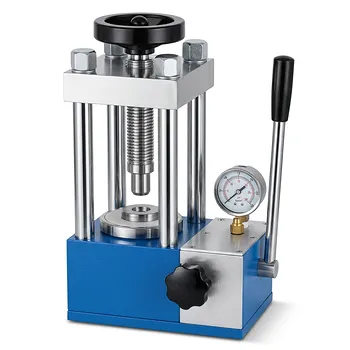
- Manual Tablet Press with Dual Scale Pressure Gauge for Pharmaceutical Food Chemical Laboratory Sample Preparation
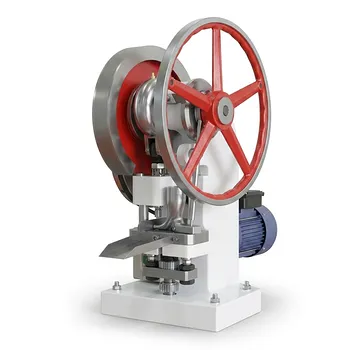
- 5 Ton Single Punch Tablet Press Laboratory Small Batch Production
- 6 Ton Variable Frequency Single Punch Tablet Press
- Universal Laboratory Pulverizer Grinder for Small Batch Powder Processing and Material Science Research
People Also Ask
- What is the function of a laboratory press in Cr-Ti alloy evaluation? Quantify Fracture Stress & Strength
- What is the function of a laboratory press in assessing the hydrophobic performance of modified vermiculite fillers?
- What is the core function of a laboratory press in the forming of ceramic filter element green bodies? Maximize Density.
- What is the function of a laboratory press in the preparation of ceramic feed rods? Master Density and Precision
- Why is vacuum sealing and flexible packaging necessary for Aluminum Titanate powders during CIP? Ensure Peak Density

Tech Team · PowderPreparation
Last updated on May 14, 2026
Related Products
6-Ton Small Single-Punch Tablet Press — Laboratory Powder & Granule Tableting Equipment / Tablet Forming Machine
Manual Tablet Press with Dual Scale Pressure Gauge for Pharmaceutical Food Chemical Laboratory Sample Preparation
5 Ton Single Punch Tablet Press Laboratory Small Batch Production
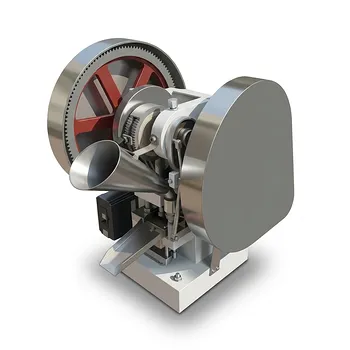
6 Ton Variable Frequency Single Punch Tablet Press
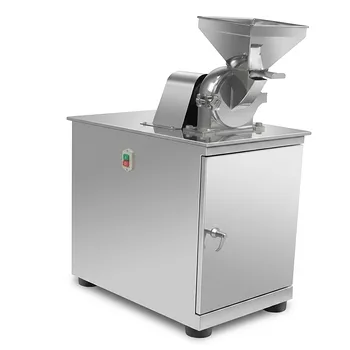
Universal Laboratory Pulverizer Grinder for Small Batch Powder Processing and Material Science Research
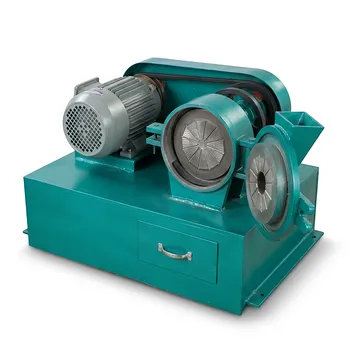
Laboratory Disc Pulverizer for Coal Coke Ore and Medium Hard Materials Sample Preparation
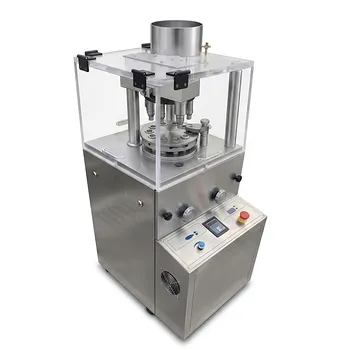
Enhanced 9 Punch Rotary Tablet Press for Powder Compaction
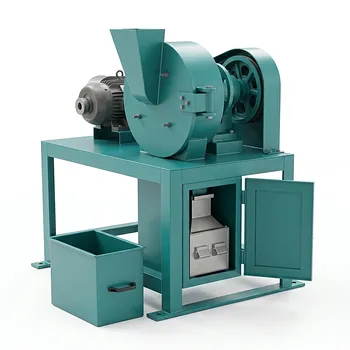
Sealed Disc Pulverizer Customized Model
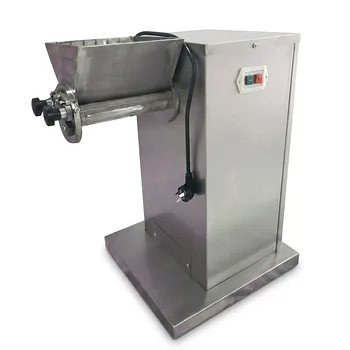
Small Laboratory Oscillating Granulator for Wet and Dry Granulation Processing
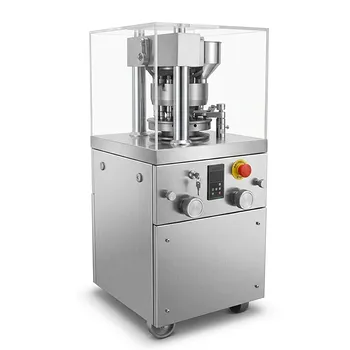
Ordinary Type Rotary Tablet Press for Pharmaceutical Chemical Food Electronic Industries
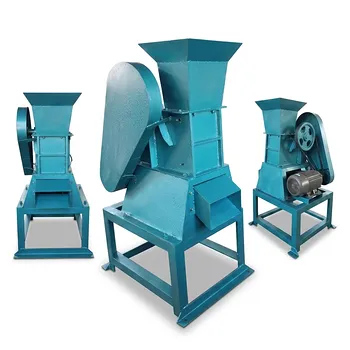
Custom Raised Height Laboratory Jaw Crusher for Precision Sample Preparation in Material Science
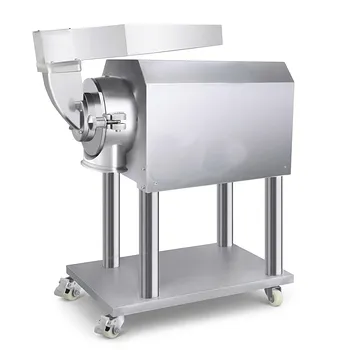
High Speed Small Laboratory Crusher for Dry Material Sample Preparation
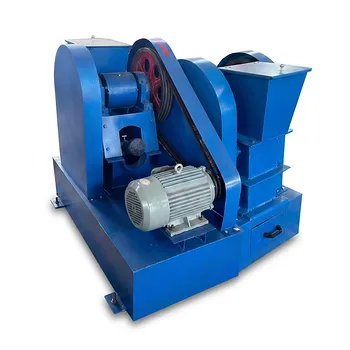
Horizontal Jaw Crusher Medium Hard Material Crushing Laboratory Sample Preparation Equipment
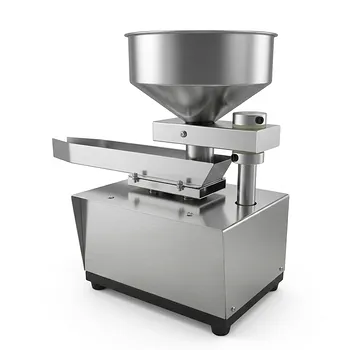
Automatic Vibrating Powder Feeder for Laboratory Material Processing Precision Vibratory Hopper Feeder for Granular and Powder Material Handling Industrial Grade Vibrating Tray Feeder for Consistent Material Sample Preparation
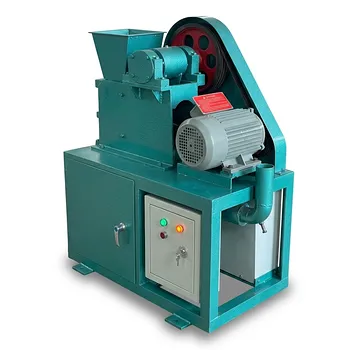
EP-B Type Sealed Jaw Crusher for Laboratory Sample Preparation
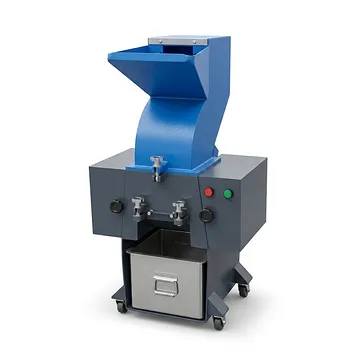
Heavy-Duty Crusher for Laboratory and Industrial Material Size Reduction
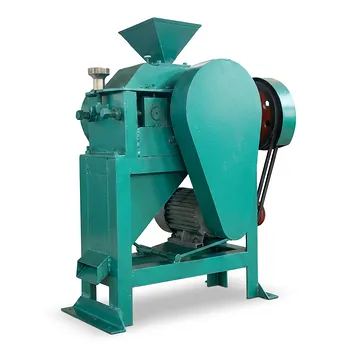
Laboratory Sealed Double Roll Crusher for Coal Ore Rock and Medium Hardness Materials Sample Preparation
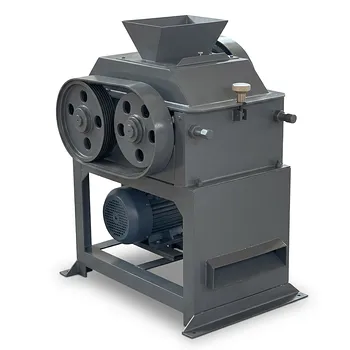
Sealed Laboratory Double Roll Crusher for Coal, Mineral, Ore Sample Preparation