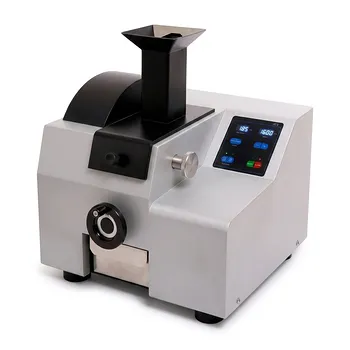
What is the core function of a laboratory press in the forming of ceramic filter element green bodies? Maximize Density.
Updated 3 months ago
The core function of a laboratory press is to transform loose ceramic powder into a coherent, high-density "green body" through the application of controlled vertical pressure.
By forcing a mixture into a mold, the press induces particle rearrangement and plastic deformation. This process establishes the precise geometric dimensions and initial density required to control material shrinkage and ensure structural integrity during the subsequent high-temperature sintering phase.
The laboratory press acts as the critical bridge between raw powder and a viable ceramic structure by mechanically interlocking particles to eliminate air and maximize contact points. This high initial green density is the fundamental prerequisite for achieving uniform densification and preventing physical defects in the final filter element.
Mechanisms of Powder Compaction
Particle Rearrangement and De-aeration
As the press applies axial force, powder particles shift to fill internal voids and expel trapped air. This reduction in gaps is essential for preventing large pores that could compromise the filter's filtration efficiency or mechanical strength.
Plastic Deformation and Interlocking
Under high pressure—often ranging from 20 MPa to 100 MPa depending on the material—particles undergo plastic deformation. This creates mechanical interlocking and increases the number of contact points, providing the green body with sufficient strength to be handled without crumbling.
Establishment of Green Density
The "green density" refers to the density of the compact before it is fired. A laboratory press allows for precise control over this metric, which is the primary factor determining how much the filter element will shrink when subjected to heat in a kiln.
The Impact on Sintering and Final Performance
Controlling Volume Shrinkage
A well-compacted green body with high relative density experiences significantly less volume shrinkage during sintering. By establishing a stable physical structure early, the press ensures the final ceramic filter maintains its intended geometric dimensions.
Promoting Atomic Migration
High-pressure compaction increases the tightness of particle contact, which is a necessary condition for atomic migration and grain growth. This leads to better densification and improved "breakdown strength" in the finished ceramic component.
Minimizing Physical Defects
Precise pressure control helps ensure a uniform internal density distribution. This uniformity is vital for preventing the formation of internal pores, micro-cracks, or warping, which are common results of uneven density gradients during the rapid sintering process.
Understanding the Trade-offs
Pressure Limits and Delamination
While higher pressure generally increases density, exceeding the material's limit can lead to delamination. This occurs when the elastic energy stored in the compressed particles is released too quickly, causing the green body to crack or "cap" upon removal from the mold.
Wall Friction and Density Gradients
Friction between the ceramic powder and the mold walls can cause the pressure to dissipate as it moves deeper into the material. This often results in a density gradient, where the top of the filter element is denser than the bottom, potentially leading to distortion or uneven filtration properties.
Making the Right Choice for Your Goal
Selecting the correct pressing parameters is essential for the specific performance requirements of your ceramic filter element.
- If your primary focus is Dimensional Precision: Utilize a press with high-precision pressure control and stainless steel molds to minimize variations in shrinkage.
- If your primary focus is High Structural Strength: Prioritize higher compaction pressures (often up to 400 bar) to maximize particle contact points and facilitate dense grain growth.
- If your primary focus is Eliminating Internal Defects: Implement a slow pressure release cycle and consider using organic binders to prevent delamination and micro-cracking.
Mastering the compaction process is the most effective way to ensure the predictability, durability, and performance of your final ceramic product.
Summary Table:
| Key Mechanism | Process Description | Impact on Final Filter |
|---|---|---|
| Particle Rearrangement | Expels trapped air and fills internal voids. | Prevents large pores; improves filtration efficiency. |
| Plastic Deformation | Creates mechanical interlocking under high pressure (20-100 MPa). | Enhances green strength for handling without damage. |
| Density Control | Establishes high and uniform relative "green density." | Minimizes volume shrinkage and prevents sintering warpage. |
| Pressure Regulation | Controls the release of stored elastic energy. | Eliminates internal defects like delamination and capping. |
Optimize Your Ceramic Green Body Production with Our Specialized Solutions
Achieving the perfect green density is the foundation of high-performance ceramic filters. At our core, we provide complete laboratory sample preparation solutions designed specifically for material science and advanced ceramics research.
Our extensive equipment line supports every stage of your powder metallurgy and ceramic workflow:
- Compaction Excellence: A full spectrum of hydraulic presses, including Cold/Warm Isostatic Presses (CIP/WIP), standard lab presses, XRF pellet presses, and advanced Vacuum Hot Presses.
- Precision Powder Processing: High-efficiency crushers, Liquid Nitrogen Cryogenic Grinders, and a variety of mills (Planetary Ball, Jet, and Disc).
- Sizing & Mixing: Vibratory/Air-jet sieve shakers and high-performance defoaming mixers for homogeneous material preparation.
Whether you are focusing on dimensional precision or maximizing structural strength, our expert-grade tools ensure predictable, repeatable results. Contact us today to find the ideal compaction solution for your laboratory!
References
- Adedayo Deborah Adeyinka-Aderanti, Johnson Olumuyiwa Agunsoye. Effect of Process Parameters on the Properties of Clay-Based Composite Filter for Water Purification. DOI: 10.52968/72017829
Mentioned Products
- Manual Tablet Press with Dual Scale Pressure Gauge for Pharmaceutical Food Chemical Laboratory Sample Preparation
- 6-Ton Small Single-Punch Tablet Press — Laboratory Powder & Granule Tableting Equipment / Tablet Forming Machine
- 5 Ton Single Punch Tablet Press Laboratory Small Batch Production
- 6 Ton Variable Frequency Single Punch Tablet Press
- Universal Laboratory Pulverizer Grinder for Small Batch Powder Processing and Material Science Research
People Also Ask
- What is the function of a laboratory press in Cr-Ti alloy evaluation? Quantify Fracture Stress & Strength
- What is the function of a laboratory press in assessing the hydrophobic performance of modified vermiculite fillers?
- What is the function of a laboratory press in the preparation of ceramic feed rods? Master Density and Precision
- Why is vacuum sealing and flexible packaging necessary for Aluminum Titanate powders during CIP? Ensure Peak Density
- Why is a laboratory hydraulic press required for FT-IR KBr pellets? Achieve Precise Sample Clarity for ZrC–SiC Analysis

Tech Team · PowderPreparation
Last updated on Jun 03, 2026
Related Products
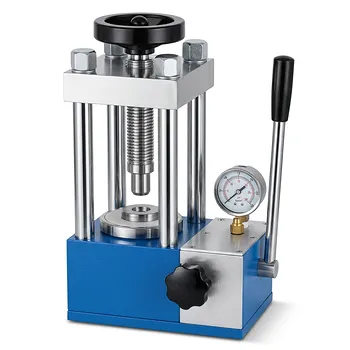
Manual Tablet Press with Dual Scale Pressure Gauge for Pharmaceutical Food Chemical Laboratory Sample Preparation
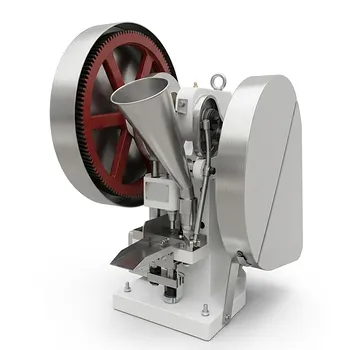
6-Ton Small Single-Punch Tablet Press — Laboratory Powder & Granule Tableting Equipment / Tablet Forming Machine
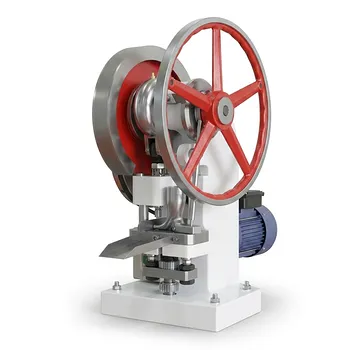
5 Ton Single Punch Tablet Press Laboratory Small Batch Production
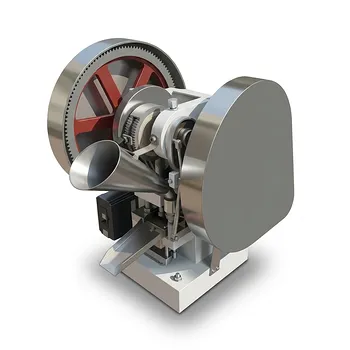
6 Ton Variable Frequency Single Punch Tablet Press
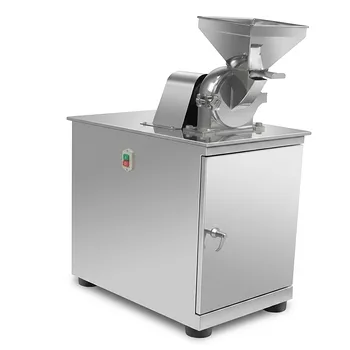
Universal Laboratory Pulverizer Grinder for Small Batch Powder Processing and Material Science Research
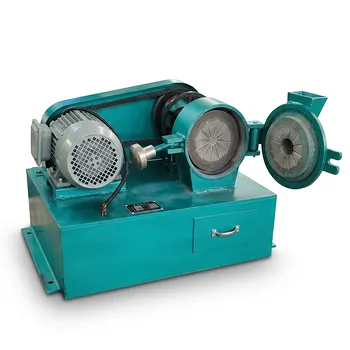
Laboratory Disc Mill Medium Hard Material Grinding Coal Coke Ore Pulverizer
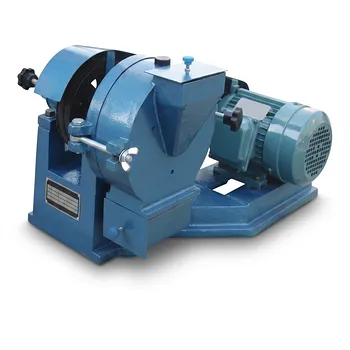
Laboratory Disc Mill for Ore and Mineral Sample Preparation
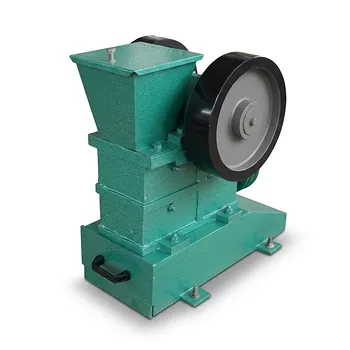
Laboratory Small Jaw Crusher 100x60mm
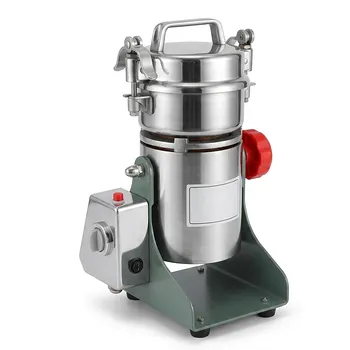
High Speed Swing Type Laboratory Pulverizer for Fine Powder Grinding and Sample Preparation
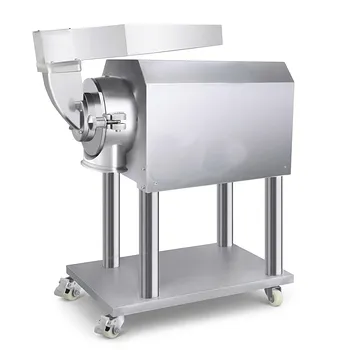
High Speed Small Laboratory Crusher for Dry Material Sample Preparation
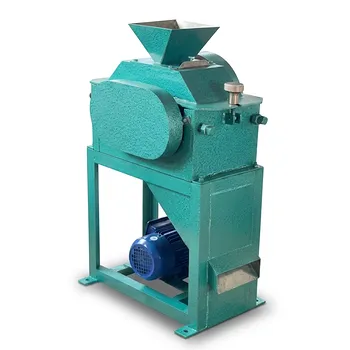
Laboratory Double Roll Crusher for Medium Hardness Materials Coal Ore Sample Preparation
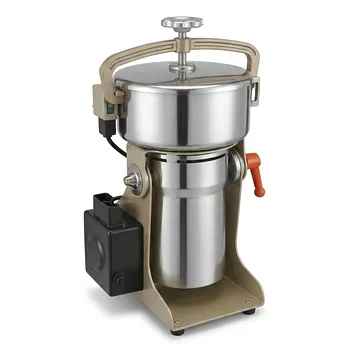
Multifunctional High Efficiency High Speed Laboratory Grinder
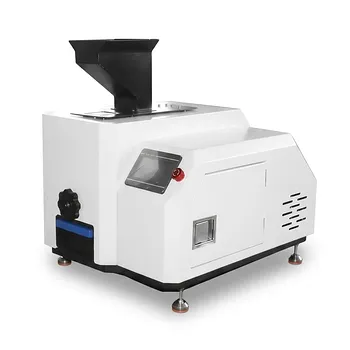
Laboratory Jaw Crusher 2025 Model for Ore and Brittle Material Crushing
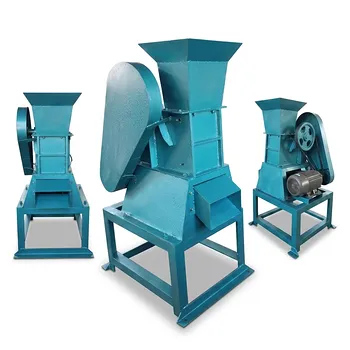
Custom Raised Height Laboratory Jaw Crusher for Precision Sample Preparation in Material Science
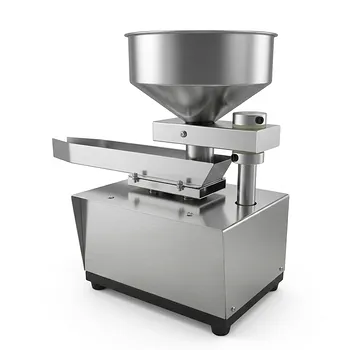
Automatic Vibrating Powder Feeder for Laboratory Material Processing Precision Vibratory Hopper Feeder for Granular and Powder Material Handling Industrial Grade Vibrating Tray Feeder for Consistent Material Sample Preparation
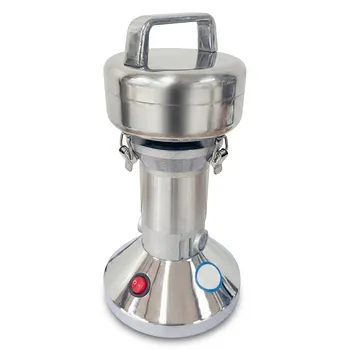
Small Trace Sample High Speed Pulverizer Grinder Laboratory Powder Mill
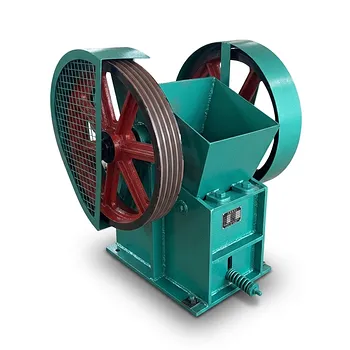
150x250mm Laboratory Jaw Crusher for Medium Hard Material Crushing and Sample Preparation
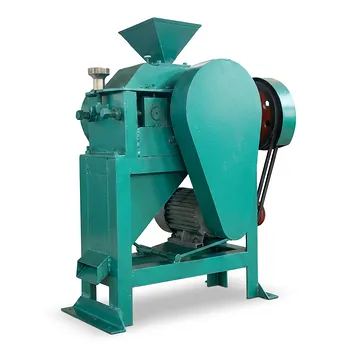
Laboratory Sealed Double Roll Crusher for Coal Ore Rock and Medium Hardness Materials Sample Preparation
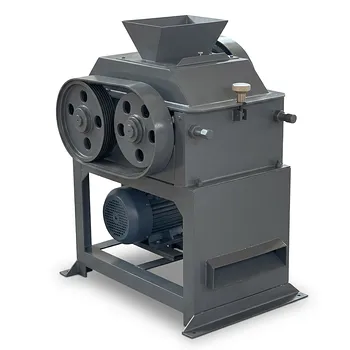
Sealed Laboratory Double Roll Crusher for Coal, Mineral, Ore Sample Preparation