What is the function of a laboratory press in assessing the hydrophobic performance of modified vermiculite fillers?
Updated 4 months ago
Standardizing sample geometry and density is the primary function of a laboratory press when assessing the hydrophobic performance of modified vermiculite. By applying constant high pressure—typically around 20 MPa—the press transforms loose powder into dense, flat discs that provide a uniform surface for water contact angle (WCA) measurements.
The laboratory press eliminates physical variables like powder porosity and surface irregularity, ensuring that contact angle data reflects the actual chemical effectiveness of surface modifications rather than the physical state of the sample.
Standardizing Surface Morphology for Testing
Eliminating the Variable of Powder Looseness
In its raw state, modified vermiculite is a loose powder with significant interstitial spaces. Water droplets placed on loose powder can be absorbed via capillary action or distorted by surface gaps, leading to "false" hydrophobicity readings. The laboratory press compresses these particles into a continuous, dense disc, preventing the liquid from sinking into the bulk of the material.
Enabling Precise Quantification of Wettability
To determine if modifications like sodium stearate or flame retardants have worked, researchers must measure the angle at which water meets the surface. A pressed disc provides the flat, mirror-like plane necessary for high-resolution imaging and software-based angle calculation. This allows for an accurate assessment of how the surface energy has changed post-treatment.
The Impact on Material Integration
Promoting Fiber-Filler Interaction
Beyond simple disc preparation, the press is used to simulate the integration of fillers into wet paper sheets. High pressure forces the modified vermiculite into closer proximity with biomass fibers, facilitating the removal of free water. This process is essential for evaluating how the filler’s hydrophobic nature affects the formation of hydrogen bonds within the matrix.
Enhancing Physical Properties of the Composite
The press helps determine if the hydrophobic filler interferes with the structural integrity of the final product. By controlling the contact density between fibers and fillers, the press helps researchers measure the resulting tensile strength and ring crush strength. This ensures the hydrophobic modification does not come at the expense of the material's mechanical durability.
Common Pitfalls and Trade-offs
Risks of Over-Compression
Applying pressure significantly beyond 20 MPa can lead to particle crushing, which exposes fresh, unmodified surfaces of the vermiculite. This exposure can skew results, making a highly hydrophobic material appear more hydrophilic than it actually is. Consistency in pressure duration and magnitude is mandatory to ensure repeatability across different batches of filler.
Surface Contamination and Plate Residue
The plates of the laboratory press must be meticulously cleaned to avoid cross-contamination between samples. Residual oils or previous filler modifications on the press plates can transfer to the disc surface, leading to inaccurate contact angle measurements. Using polished stainless steel plates or specialized release liners is often necessary to maintain surface purity.
Strategic Application of Laboratory Pressing
How to Apply This to Your Project
When utilizing a laboratory press for filler assessment, your methodology should change based on your primary testing objective.
- If your primary focus is Chemical Validation: Use a constant 20 MPa pressure to create standardized discs for water contact angle measurements to verify the success of the surface modification.
- If your primary focus is Structural Performance: Use the press to incorporate the filler into wet paper sheets, focusing on the removal of free water to evaluate how the filler impacts fiber-to-fiber bonding.
- If your primary focus is Comparative Analysis: Maintain a strict "soak time" under pressure for all samples to ensure that density variations do not influence the observed hydrophobic behavior.
Mastering the use of the laboratory press transforms a variable powder into a reliable, measurable substrate for definitive hydrophobic analysis.
Summary Table:
| Function | Impact on Assessment | Key Technical Detail |
|---|---|---|
| Standardization | Eliminates powder porosity to ensure data reflects chemical changes. | ~20 MPa Constant Pressure |
| WCA Measurement | Creates the flat, dense surface required for high-resolution imaging. | Polished Stainless Steel Plates |
| Integration Simulation | Forces filler-fiber proximity to evaluate hydrogen bonding and water removal. | Controlled Compaction Density |
| Mechanical Evaluation | Measures impact of hydrophobic fillers on tensile and crush strength. | High-Precision Load Control |
Elevate Your Material Research with Precision Compaction
Achieve flawless sample preparation with our complete laboratory solutions for material science. We specialize in advanced powder processing and compaction equipment designed to ensure your research data is accurate, repeatable, and professional.
Our extensive product lines include:
- Advanced Hydraulic Presses: Standard lab presses, XRF pellet presses, Hot Presses, and Cold/Warm Isostatic Presses (CIP/WIP).
- Powder Processing: Crushers (jaw/roll), liquid nitrogen cryogenic grinders, and high-energy mills (planetary ball, jet, and disc).
- Sieving & Mixing: Sieve shakers (vibratory/air-jet), powder mixers, and vacuum defoaming mixers.
Whether you are assessing hydrophobic fillers or developing advanced composites, our equipment provides the uniform density and surface quality your analysis demands. Contact our experts today to find the perfect solution for your lab!
References
- Siwei Li, Changrui Wang. Synergistic effect of aluminum diethylphosphinate/sodium stearate modified vermiculite on flame retardant and smoke suppression properties of amino coatings. DOI: 10.1039/d1ra05731f
Mentioned Products
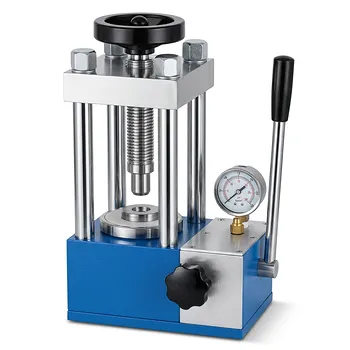
- Manual Tablet Press with Dual Scale Pressure Gauge for Pharmaceutical Food Chemical Laboratory Sample Preparation
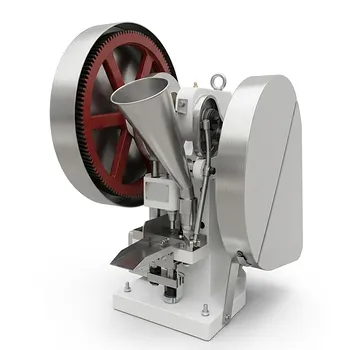
- 6-Ton Small Single-Punch Tablet Press — Laboratory Powder & Granule Tableting Equipment / Tablet Forming Machine
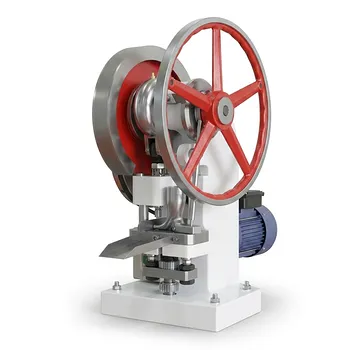
- 5 Ton Single Punch Tablet Press Laboratory Small Batch Production
- 6 Ton Variable Frequency Single Punch Tablet Press
- Universal Laboratory Pulverizer Grinder for Small Batch Powder Processing and Material Science Research
People Also Ask
- What is the function of a laboratory press in Cr-Ti alloy evaluation? Quantify Fracture Stress & Strength
- What is the core function of a laboratory press in the forming of ceramic filter element green bodies? Maximize Density.
- What is the function of a laboratory press in the preparation of ceramic feed rods? Master Density and Precision
- Why is vacuum sealing and flexible packaging necessary for Aluminum Titanate powders during CIP? Ensure Peak Density
- Why is a laboratory hydraulic press required for FT-IR KBr pellets? Achieve Precise Sample Clarity for ZrC–SiC Analysis

Tech Team · PowderPreparation
Last updated on May 14, 2026
Related Products
Manual Tablet Press with Dual Scale Pressure Gauge for Pharmaceutical Food Chemical Laboratory Sample Preparation
6-Ton Small Single-Punch Tablet Press — Laboratory Powder & Granule Tableting Equipment / Tablet Forming Machine
5 Ton Single Punch Tablet Press Laboratory Small Batch Production
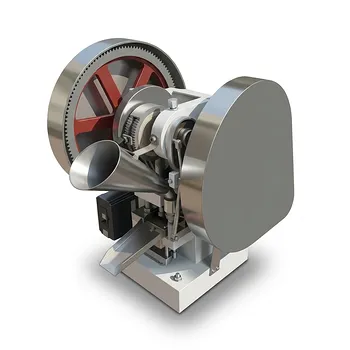
6 Ton Variable Frequency Single Punch Tablet Press
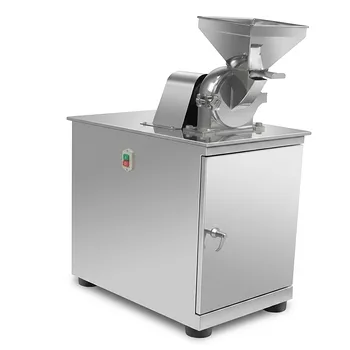
Universal Laboratory Pulverizer Grinder for Small Batch Powder Processing and Material Science Research
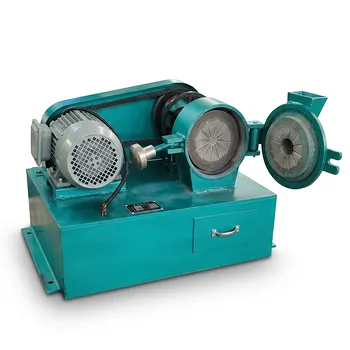
Laboratory Disc Mill Medium Hard Material Grinding Coal Coke Ore Pulverizer
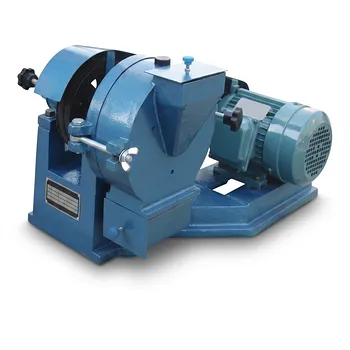
Laboratory Disc Mill for Ore and Mineral Sample Preparation
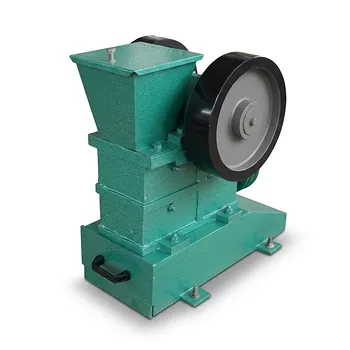
Laboratory Small Jaw Crusher 100x60mm
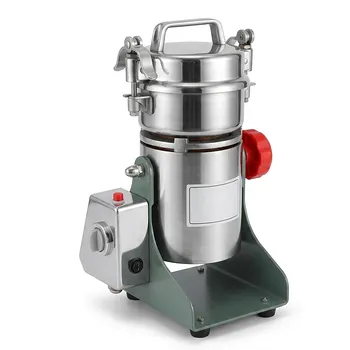
High Speed Swing Type Laboratory Pulverizer for Fine Powder Grinding and Sample Preparation
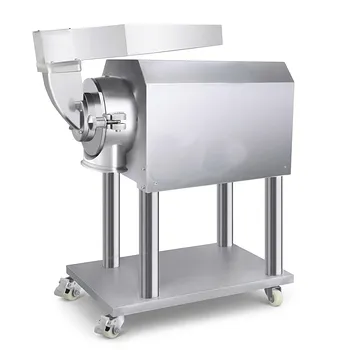
High Speed Small Laboratory Crusher for Dry Material Sample Preparation
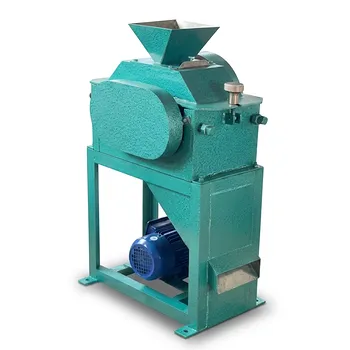
Laboratory Double Roll Crusher for Medium Hardness Materials Coal Ore Sample Preparation
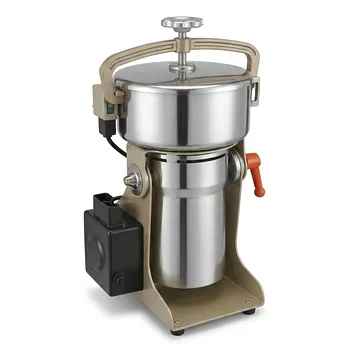
Multifunctional High Efficiency High Speed Laboratory Grinder
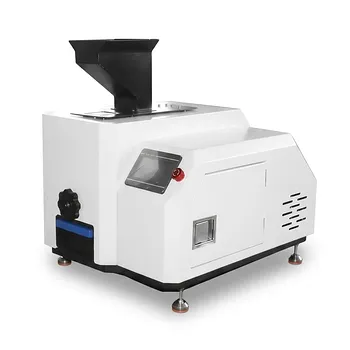
Laboratory Jaw Crusher 2025 Model for Ore and Brittle Material Crushing
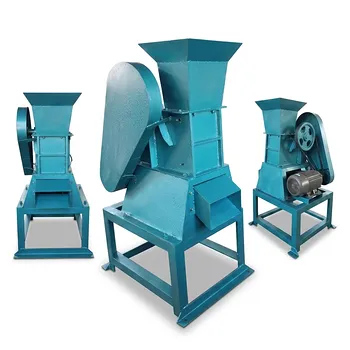
Custom Raised Height Laboratory Jaw Crusher for Precision Sample Preparation in Material Science
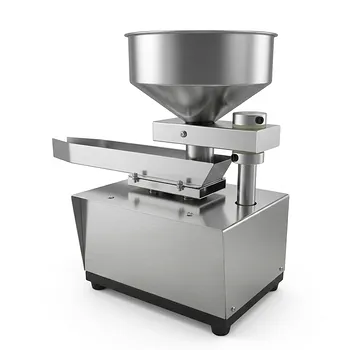
Automatic Vibrating Powder Feeder for Laboratory Material Processing Precision Vibratory Hopper Feeder for Granular and Powder Material Handling Industrial Grade Vibrating Tray Feeder for Consistent Material Sample Preparation
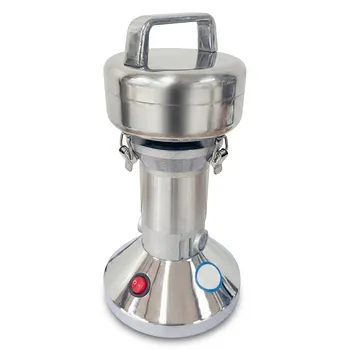
Small Trace Sample High Speed Pulverizer Grinder Laboratory Powder Mill
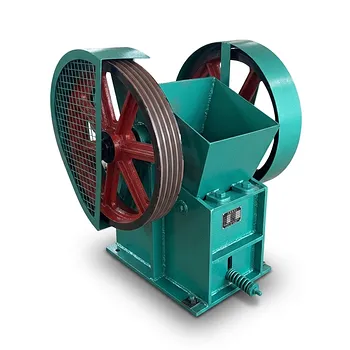
150x250mm Laboratory Jaw Crusher for Medium Hard Material Crushing and Sample Preparation
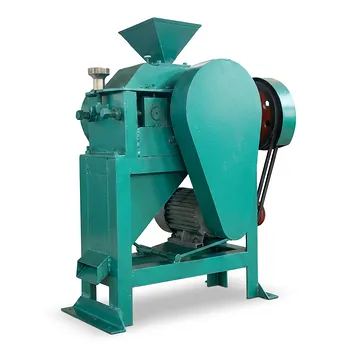
Laboratory Sealed Double Roll Crusher for Coal Ore Rock and Medium Hardness Materials Sample Preparation
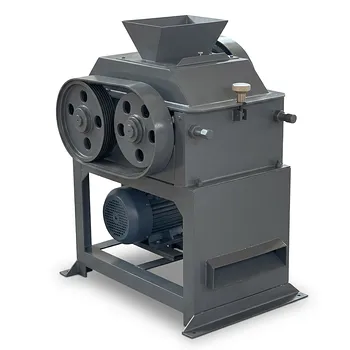
Sealed Laboratory Double Roll Crusher for Coal, Mineral, Ore Sample Preparation