What is the function of a laboratory press in Cr-Ti alloy evaluation? Quantify Fracture Stress & Strength
Updated 5 months ago
The primary function of a laboratory press in this context is to quantify the fracture stress of sintered Cr-Ti alloys by applying precise maximum failure loads. Utilizing specialized Transverse Rupture Strength (TRS) fixtures, the press translates mechanical force into a definitive measurement of the material's resistance to breaking. This data is essential for determining whether the alloy meets the structural requirements for its intended application.
A laboratory press equipped with TRS fixtures serves as a diagnostic bridge between manufacturing processes and mechanical performance. It provides a direct measurement of inter-granular adhesion, allowing engineers to validate how sintering parameters like temperature influence the alloy's internal bonding strength.
Quantifying Mechanical Integrity via TRS
Determining Fracture Stress
The laboratory press applies a controlled, increasing load to a sintered Cr-Ti specimen until it reaches the point of failure. By measuring the maximum failure load, the system calculates the fracture stress, which is a critical metric for understanding the material's load-bearing capacity.
Standardizing Load Application
The use of specialized TRS fixtures ensures that the load is applied uniformly and according to standardized testing protocols. This consistency is vital for comparing different alloy compositions or different batches of the same sintered material without the interference of measurement variables.
Increasing Measurement Accuracy
While the primary focus is on testing sintered samples, the laboratory press can also be used for powder compaction into regular pellets or disks. Increasing the bulk density and ensuring a consistent geometric surface area reduces errors during the subsequent mechanical or structural characterization phases.
Evaluating Microstructural Quality
Assessing Inter-granular Adhesion
The fracture stress recorded by the press is a direct reflection of the internal bonding strength within the Cr-Ti alloy. High fracture stress indicates superior inter-granular adhesion, suggesting that the sintering process has successfully fused the powder particles into a cohesive metallic structure.
Validating Sintering Parameters
Mechanical evaluation serves as a feedback loop for the manufacturing process, specifically regarding sintering temperature. If the failure loads are lower than expected, it often indicates that the sintering parameters were insufficient to achieve optimal density or bonding.
Analyzing Material Quality
By observing how the Cr-Ti alloy fails under the press, researchers can infer the quality of the microstructural adhesion. This allows for the optimization of hot-pressing parameters to ensure the final product can withstand the stresses of its operating environment.
Understanding the Trade-offs
Sensitivity to Sample Preparation
The accuracy of the TRS evaluation is highly dependent on the quality of the sample preparation. If the powder compaction phase results in internal flaws or "looseness," the subsequent mechanical test will reflect those defects rather than the true potential of the alloy's chemistry.
Alignment and Fixture Precision
Mechanical testing requires near-perfect fixture alignment to avoid introducing parasitic stresses like torsion or uneven bending. If the specialized fixtures are worn or improperly seated in the laboratory press, the resulting data may inaccurately represent the fracture stress.
Limited to Macroscopic Data
While the laboratory press provides excellent data on bulk mechanical properties, it cannot provide a detailed view of the atomic-level chemical changes. It must be paired with other characterization techniques to fully understand why a specific sintering temperature improved adhesion.
Applying Evaluation Techniques to Alloy Development
When utilizing a laboratory press for Cr-Ti alloy evaluation, your approach should be dictated by your specific research or production goals.
- If your primary focus is process optimization: Use the press to conduct a sensitivity analysis by varying the sintering temperature and recording the resulting fracture stress to find the "sweet spot" for bonding.
- If your primary focus is quality control: Establish a baseline of maximum failure loads for standardized TRS specimens to ensure consistency across different production batches.
- If your primary focus is sample consistency: Utilize the press first for high-pressure powder compaction to increase bulk density before the sintering and final mechanical evaluation stages.
The laboratory press is an indispensable tool that transforms raw mechanical force into actionable data regarding the internal structural integrity of Cr-Ti alloys.
Summary Table:
| Evaluation Stage | Primary Function | Key Benefit for Cr-Ti Alloys |
|---|---|---|
| Powder Compaction | Increasing bulk density | Reduces internal flaws and ensures sample consistency |
| Mechanical Testing | Applying failure loads | Quantifies fracture stress and inter-granular adhesion |
| Process Validation | Sintering feedback loop | Optimizes temperature parameters for superior bonding |
Elevate Your Material Research with Precision Compaction Solutions
Achieve superior inter-granular adhesion and accurate mechanical data for your Cr-Ti alloys with high-performance laboratory equipment. We provide complete laboratory sample preparation solutions for material science, specializing in professional powder processing and compaction systems.
Our extensive product line includes:
- Advanced Compaction: Cold/Warm Isostatic Presses (CIP/WIP), standard lab presses, vacuum hot presses, and XRF pellet presses.
- Powder Processing: Jaw/roll crushers, planetary ball mills, jet mills, and cryogenic grinders.
- Analysis & Mixing: Sieve shakers, vibratory screens, and high-efficiency powder mixers.
Whether you are optimizing sintering temperatures or conducting critical Transverse Rupture Strength (TRS) tests, our equipment ensures the reliability your research demands. Contact our experts today to enhance your lab's efficiency!
References
- Shih‐Hsien Chang, Kuo-Tsung Huang. Investigation of Vacuum Hot-Press Sintering Temperatures on the Sintered Characteristics of Cr-31.2 mass% Ti Alloys. DOI: 10.2320/matertrans.m2017048
Mentioned Products
- Manual Tablet Press with Dual Scale Pressure Gauge for Pharmaceutical Food Chemical Laboratory Sample Preparation
- 6-Ton Small Single-Punch Tablet Press — Laboratory Powder & Granule Tableting Equipment / Tablet Forming Machine
- 5 Ton Single Punch Tablet Press Laboratory Small Batch Production
- 6 Ton Variable Frequency Single Punch Tablet Press
- Universal Laboratory Pulverizer Grinder for Small Batch Powder Processing and Material Science Research
People Also Ask
- What is the function of a laboratory press in assessing the hydrophobic performance of modified vermiculite fillers?
- What is the core function of a laboratory press in the forming of ceramic filter element green bodies? Maximize Density.
- What is the function of a laboratory press in the preparation of ceramic feed rods? Master Density and Precision
- Why is vacuum sealing and flexible packaging necessary for Aluminum Titanate powders during CIP? Ensure Peak Density
- Why is a laboratory hydraulic press required for FT-IR KBr pellets? Achieve Precise Sample Clarity for ZrC–SiC Analysis

Tech Team · PowderPreparation
Last updated on May 14, 2026
Related Products
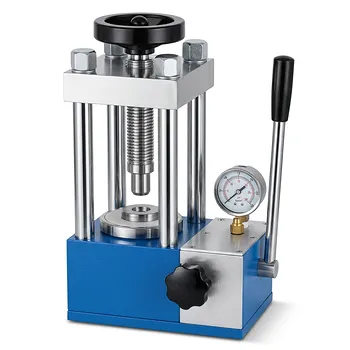
Manual Tablet Press with Dual Scale Pressure Gauge for Pharmaceutical Food Chemical Laboratory Sample Preparation
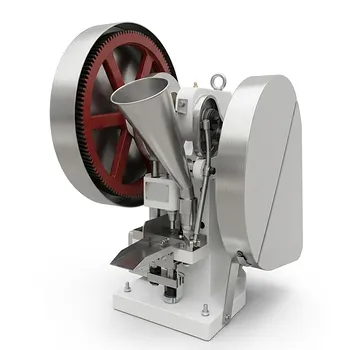
6-Ton Small Single-Punch Tablet Press — Laboratory Powder & Granule Tableting Equipment / Tablet Forming Machine
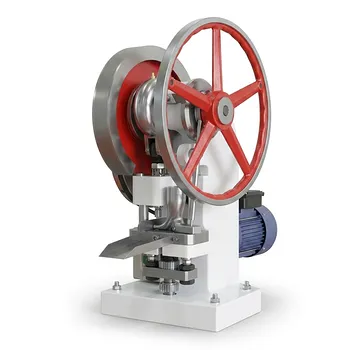
5 Ton Single Punch Tablet Press Laboratory Small Batch Production
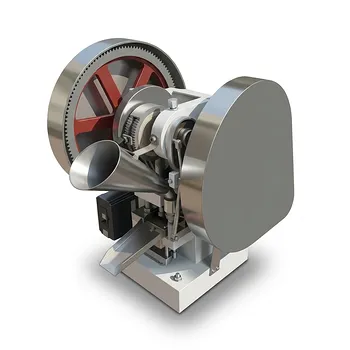
6 Ton Variable Frequency Single Punch Tablet Press
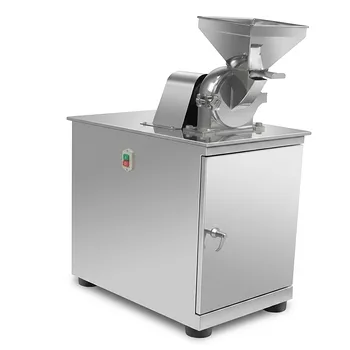
Universal Laboratory Pulverizer Grinder for Small Batch Powder Processing and Material Science Research
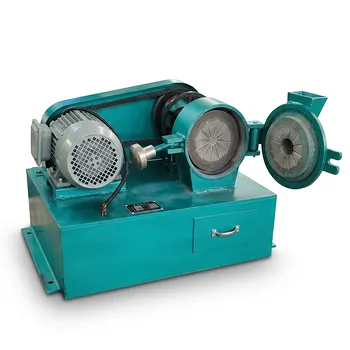
Laboratory Disc Mill Medium Hard Material Grinding Coal Coke Ore Pulverizer
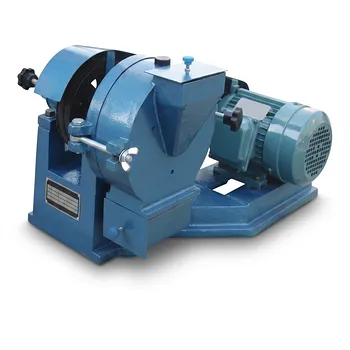
Laboratory Disc Mill for Ore and Mineral Sample Preparation
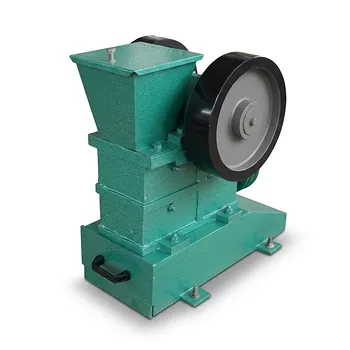
Laboratory Small Jaw Crusher 100x60mm
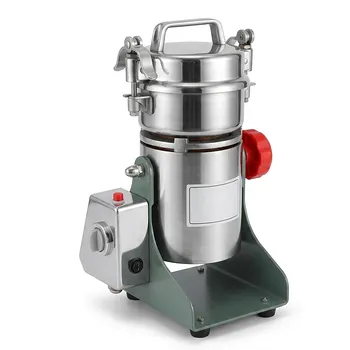
High Speed Swing Type Laboratory Pulverizer for Fine Powder Grinding and Sample Preparation
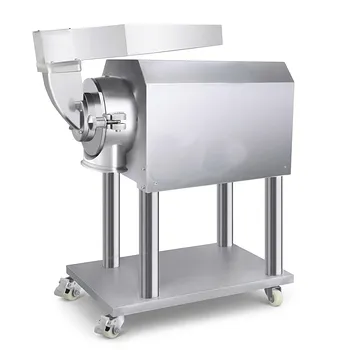
High Speed Small Laboratory Crusher for Dry Material Sample Preparation
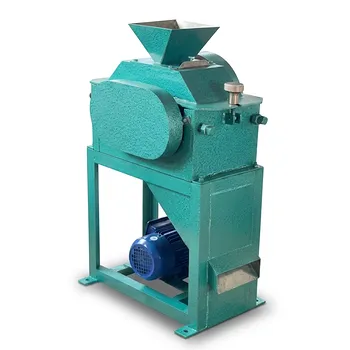
Laboratory Double Roll Crusher for Medium Hardness Materials Coal Ore Sample Preparation
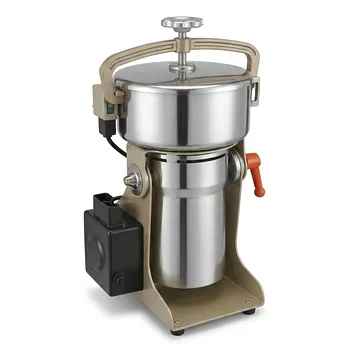
Multifunctional High Efficiency High Speed Laboratory Grinder
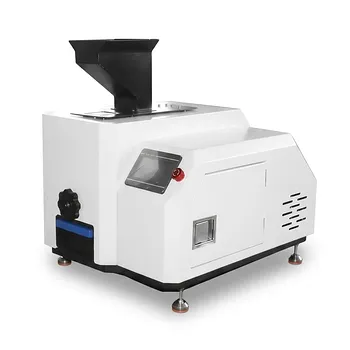
Laboratory Jaw Crusher 2025 Model for Ore and Brittle Material Crushing
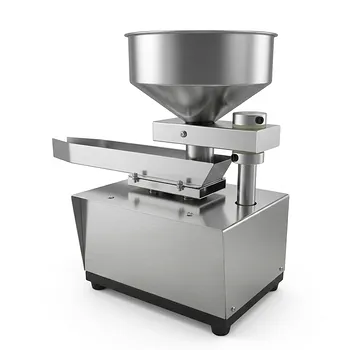
Automatic Vibrating Powder Feeder for Laboratory Material Processing Precision Vibratory Hopper Feeder for Granular and Powder Material Handling Industrial Grade Vibrating Tray Feeder for Consistent Material Sample Preparation
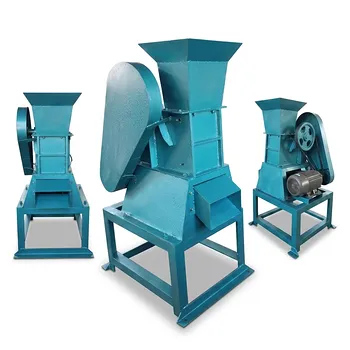
Custom Raised Height Laboratory Jaw Crusher for Precision Sample Preparation in Material Science
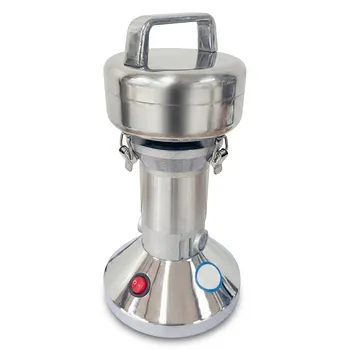
Small Trace Sample High Speed Pulverizer Grinder Laboratory Powder Mill
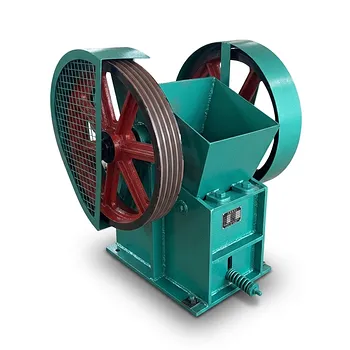
150x250mm Laboratory Jaw Crusher for Medium Hard Material Crushing and Sample Preparation
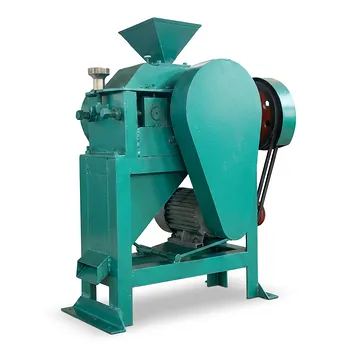
Laboratory Sealed Double Roll Crusher for Coal Ore Rock and Medium Hardness Materials Sample Preparation
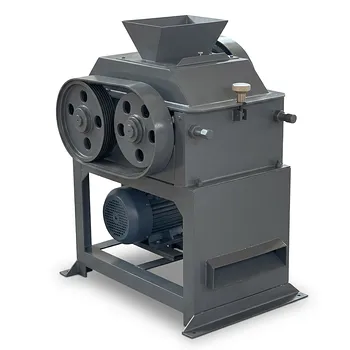
Sealed Laboratory Double Roll Crusher for Coal, Mineral, Ore Sample Preparation