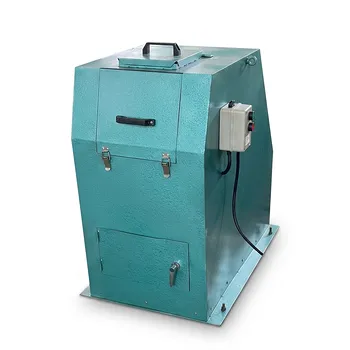
What is the function of a laboratory hydraulic forming press in CRSS rubber prep? Ensure Superior Material Integrity
Updated 5 months ago
The laboratory hydraulic forming press is the critical instrument for transforming raw rubber compounds into standardized test specimens. It facilitates the chemical cross-linking reaction, known as vulcanization, by applying simultaneous high temperature and high pressure to Carbonized Rubber Seed Shell (CRSS) filled mixtures. This process ensures that the resulting specimens possess the internal density, dimensional accuracy, and structural integrity required for precise mechanical analysis.
The press serves a dual purpose: it acts as a chemical reactor that triggers the cross-linking of polymer chains and as a precision molding tool that eliminates internal defects. By maintaining a stable, high-energy environment, it ensures that the mechanical properties measured in the lab truly reflect the impact of the CRSS reinforcement rather than processing inconsistencies.
Facilitating the Vulcanization Reaction
Thermal Activation of Cross-Linking
The press provides a constant high-temperature environment, typically ranging from 150°C to 160°C, to trigger the chemical reaction of vulcanizing agents. This heat causes long rubber chains to form a spatial network structure, effectively curing the compound from a plastic state into an elastic one.
Pressure-Driven Molecular Flow
High pressure, often reaching 200 bar or 5.88 MPa, ensures the viscous rubber compound flows fully into every corner of the mold cavity. This forced flow is essential for achieving high geometric precision in the final sheet or block samples.
Maintaining Stable Reaction Conditions
By providing accurate temperature compensation and stable pressure throughout the optimum cure time, the press prevents fluctuations that could lead to incomplete curing. This stability is the foundation for creating a consistent internal cross-linked network.
Enhancing Material Integrity and Interface
Strengthening the CRSS-Matrix Bond
The high-pressure environment significantly enhances the interfacial bonding between the carbonized rubber seed shell particles and the rubber matrix. This intimate contact is necessary for the CRSS to effectively reinforce the composite and improve its overall mechanical performance.
Eliminating Micro-voids and Internal Pores
As the press compresses the compound, it expels air bubbles and residual gases that may have been trapped during the mixing phase. Removing these internal pores is vital for preventing premature failure during tensile or hardness testing.
Ensuring Uniform Specimen Density
Precise pressure control eliminates density gradients within the specimen, ensuring the material is homogenous throughout. A uniform density is required to collect accurate data for properties such as Young’s modulus and internal bond strength.
Understanding the Trade-offs
The Risk of Thermal Degradation
While high temperatures are necessary for vulcanization, excessive heat or prolonged exposure can lead to over-curing. This may degrade the polymer chains and negatively impact the very mechanical properties the CRSS reinforcement is intended to improve.
Balancing Pressure and Mold Integrity
High pressure is required to eliminate voids, but excessive force can cause flash (excess material leaking from the mold) or even damage the steel molds. Operators must find the "sweet spot" where pressure is sufficient to ensure density without compromising dimensional accuracy.
Complexity of Cure Time
The "optimum cure time" is a narrow window; pulling a specimen too early results in a "green" or under-cured body that lacks structural strength. Conversely, waiting too long can lead to brittleness, making the timing as critical as the temperature and pressure themselves.
How to Apply This to Your Project
When preparing CRSS-reinforced rubber specimens, your technical approach should shift based on your primary objective for the material.
- If your primary focus is accurate mechanical data: Prioritize the elimination of micro-voids by maintaining a stable, high-pressure environment throughout the entire curing cycle.
- If your primary focus is optimizing the CRSS-rubber interface: Focus on fine-tuning the vulcanization temperature to ensure the chemical bonding between the filler and matrix is fully realized without degrading the polymer.
- If your primary focus is dimensional stability for standardized testing: Ensure the mold is completely filled and the press maintains constant pressure-holding to prevent warping or cracking during cooling.
Mastering the balance of heat and pressure within the hydraulic press is the only way to ensure your experimental results are a true reflection of your material science innovations.
Summary Table:
| Key Function | Mechanism | Resulting Benefit |
|---|---|---|
| Vulcanization | Thermal activation (150°C-160°C) | Triggers cross-linking for elastic structural integrity |
| Precision Molding | High-pressure molecular flow (200 bar) | Ensures high geometric accuracy and mold cavity filling |
| Interfacial Bonding | Compaction of CRSS & rubber matrix | Maximizes reinforcement effect and mechanical strength |
| Degassing | Forced expulsion of air/residual gases | Eliminates micro-voids to prevent premature material failure |
| Homogenization | Stable temperature & pressure control | Uniform specimen density for accurate Young’s modulus data |
Elevate Your Material Research with Precision Engineering
Achieving the perfect balance of temperature and pressure is critical for developing high-performance composites like CRSS-reinforced rubber. At our facility, we provide complete laboratory sample preparation solutions tailored for material science.
We specialize in advanced powder processing and compaction equipment, offering a full spectrum of hydraulic presses designed to eliminate internal defects and ensure dimensional accuracy. Our lineup includes:
- Standard Lab & XRF Pellet Presses: For rapid, consistent specimen preparation.
- Isostatic Presses (CIP/WIP): For achieving unparalleled uniform density.
- Hot Presses & Vacuum Hot Presses: For complex vulcanization and thermal bonding requirements.
- Comprehensive Processing Tools: From planetary ball mills and jet mills to vibratory sieve shakers and defoaming mixers.
Whether you are refining rubber seed shell reinforcement or developing advanced ceramics, our equipment provides the stability and control your research demands. Contact our technical experts today to discuss your project requirements and discover how our solutions can enhance your laboratory's efficiency.
References
- Munirah Onn, Zafryll Amir Zulkifly. Performance evaluation of carbonized rubber seed shell (CRSS) filler as reinforcer in rubber binder. DOI: 10.11113/mjfas.v14n3.1098
Mentioned Products
- 实验室旋转式压片机 多冲模单压式自动连续压片
- 6-Ton Small Single-Punch Tablet Press — Laboratory Powder & Granule Tableting Equipment / Tablet Forming Machine
- 5 Ton Single Punch Tablet Press Laboratory Small Batch Production
- Manual Tablet Press with Dual Scale Pressure Gauge for Pharmaceutical Food Chemical Laboratory Sample Preparation
- 6 Ton Variable Frequency Single Punch Tablet Press
People Also Ask
- What is the role of a laboratory uniaxial hydraulic press in the preparation of alumina ceramic samples? Key Benefits
- What are the advantages of double-action pressing equipment? Master Uniform Density in High-Aspect-Ratio Ceramics
- What role does a laboratory hydraulic press play in the forming of Ce-TZP/Al2O3 green bodies? Maximize Density & Strength
- How does a laboratory hydraulic press ensure the quality of high-entropy cathode H-SOFC single cells? Optimize Performance
- What is the function of an industrial uniaxial hydraulic press for red clay TiO2 substrates? Achieve Precision Density

Tech Team · PowderPreparation
Last updated on May 14, 2026
Related Products
实验室旋转式压片机 多冲模单压式自动连续压片
6-Ton Small Single-Punch Tablet Press — Laboratory Powder & Granule Tableting Equipment / Tablet Forming Machine
5 Ton Single Punch Tablet Press Laboratory Small Batch Production
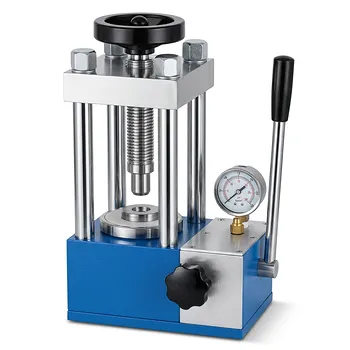
Manual Tablet Press with Dual Scale Pressure Gauge for Pharmaceutical Food Chemical Laboratory Sample Preparation
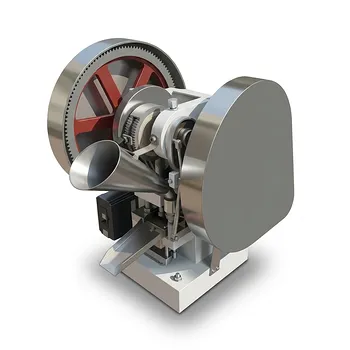
6 Ton Variable Frequency Single Punch Tablet Press
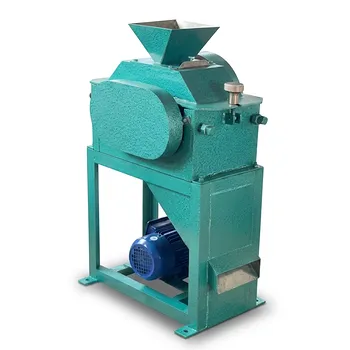
Laboratory Double Roll Crusher for Medium Hardness Materials Coal Ore Sample Preparation
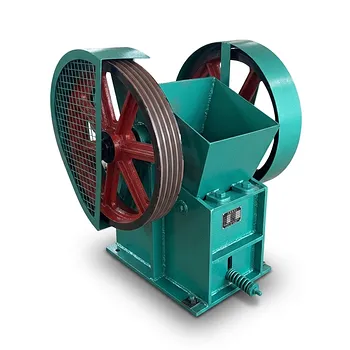
150x250mm Laboratory Jaw Crusher for Medium Hard Material Crushing and Sample Preparation
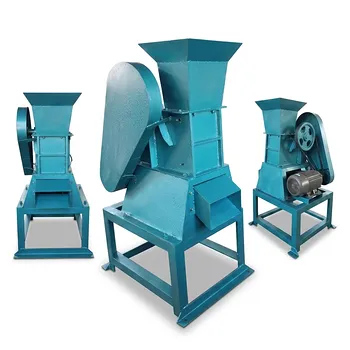
Custom Raised Height Laboratory Jaw Crusher for Precision Sample Preparation in Material Science
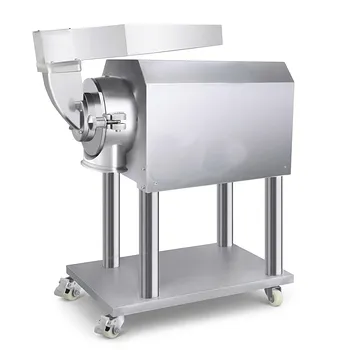
High Speed Small Laboratory Crusher for Dry Material Sample Preparation
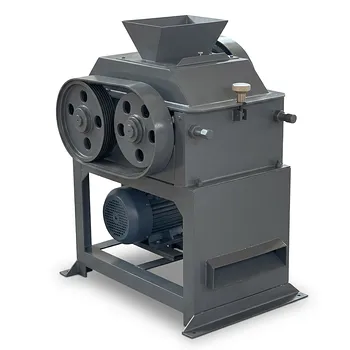
Sealed Laboratory Double Roll Crusher for Coal, Mineral, Ore Sample Preparation
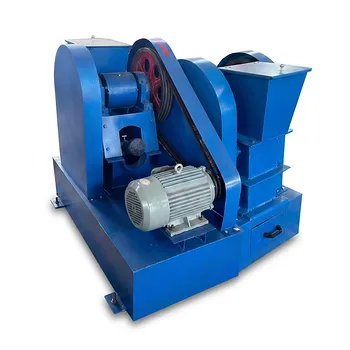
Horizontal Jaw Crusher Medium Hard Material Crushing Laboratory Sample Preparation Equipment
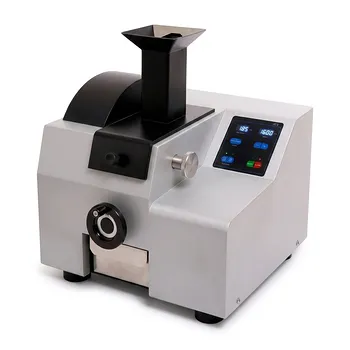
Laboratory Benchtop Jaw Crusher for Hard Brittle Materials Primary Size Reduction and Sample Preparation
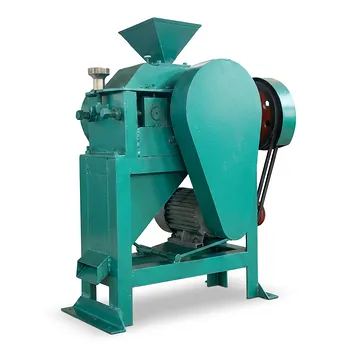
Laboratory Sealed Double Roll Crusher for Coal Ore Rock and Medium Hardness Materials Sample Preparation
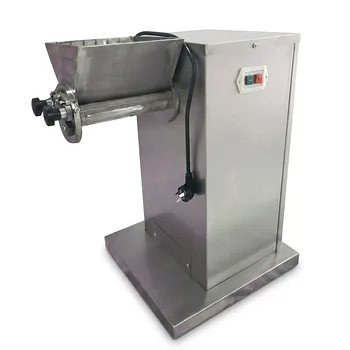
Small Laboratory Oscillating Granulator for Wet and Dry Granulation Processing
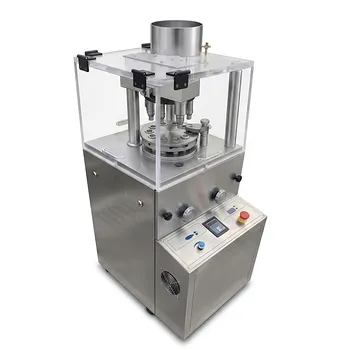
Enhanced 9 Punch Rotary Tablet Press for Powder Compaction
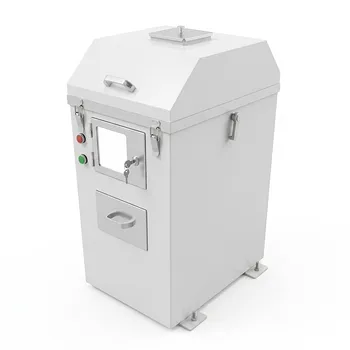
Sealed Double Roll Crusher for Laboratory Sample Preparation of Medium Hardness Materials
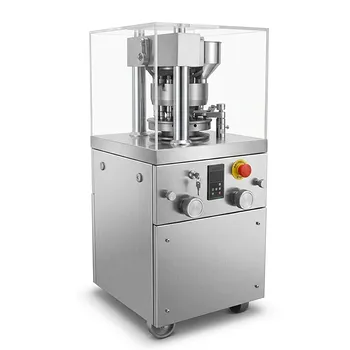
Ordinary Type Rotary Tablet Press for Pharmaceutical Chemical Food Electronic Industries
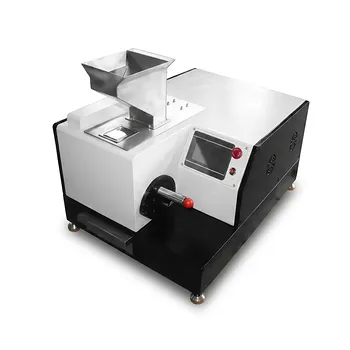
Experimental Jaw Crusher for Laboratory Ore Crushing and Sample Preparation
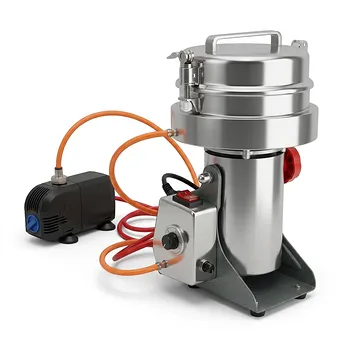
Water Cooled High Speed Grinder with Cryogenic Option for Laboratory Sample Preparation