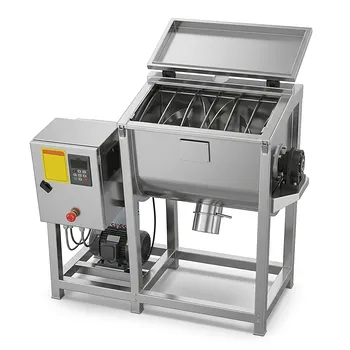
What is the function of a high-speed mixer in turmeric foaming? Boost Drying Efficiency & Powder Quality
Updated 3 months ago
The high-speed mixer is the mechanical engine of the foaming stage in turmeric powder production.
In turmeric powder preparation via foam-mat drying, the high-speed mixer serves two primary functions: it uniformly distributes foaming agents into the turmeric paste and introduces a large volume of air to create a stable, porous matrix. This structure significantly increases the material's specific surface area, which facilitates rapid moisture evaporation and reduces surface tension during the subsequent drying process.
The high-speed mixer transforms dense turmeric paste into a high-surface-area foam, utilizing mechanical shear to stabilize air bubbles and accelerate the dehydration of the final product.
The Mechanics of Foam Creation
Introduction of Atmospheric Air
The mixer uses high-speed rotation to pull air into the viscous turmeric paste. This mechanical agitation creates a foam matrix characterized by a network of tiny, stable air bubbles distributed throughout the material.
Stabilization through Homogenization
High shear forces ensure that the foaming agent is perfectly dispersed at a molecular level. This uniformity prevents the foam from collapsing or "bleeding," maintaining a consistent structure during the transition to the microwave or oven dryer.
Reduction of Surface Tension
The mechanical blending of surfactants (foaming agents) effectively lowers the surface tension of the liquid phase. This reduction makes it easier for internal moisture to move to the surface and evaporate, significantly boosting drying kinetics.
Impact on Dehydration and Quality
Increasing Specific Surface Area
By turning a solid paste into a foam, the mixer exponentially increases the surface area exposed to the drying medium. This maximizes the interface where heat transfer and moisture migration occur, leading to a much faster drying cycle.
Prevention of Component Segregation
Rapid mixing ensures that additives, such as stabilizers or binders, do not settle or clump. This homogeneity is critical for ensuring the final turmeric powder has consistent color, flavor, and curcumin distribution.
Shear Force and Agglomerate Breakdown
High-speed impellers generate centrifugal forces that break apart any pre-existing clumps in the turmeric paste. This results in a smooth, refined slurry that accepts air more readily and dries more evenly than a coarse mixture.
Understanding the Trade-offs
Over-mixing and Foam Destabilization
Excessive mixing speed or duration can lead to "over-beating," where the bubble walls become too thin and rupture. This leads to foam collapse, which drastically reduces the surface area and negates the benefits of the foam-mat process.
Thermal Degradation from Friction
The friction from high-speed impellers can generate significant localized heat. If not monitored, this rise in temperature may degrade heat-sensitive compounds in the turmeric, such as curcumin, before the drying stage even begins.
Optimizing the Mixing Process for Your Goal
To achieve the best results in turmeric powder production, your mixing strategy should align with your specific production priorities.
- If your primary focus is drying speed: Prioritize maximum air incorporation to create a high-porosity matrix that facilitates rapid moisture escape.
- If your primary focus is nutrient retention: Limit mixing duration and use chilled equipment to prevent excessive heat buildup that could degrade curcumin content.
- If your primary focus is powder flowability: Ensure complete homogenization of foaming agents to produce a uniform pore structure that leads to consistent particle size after grinding.
By mastering the mechanical shear of the high-speed mixer, producers can significantly shorten drying times while preserving the essential qualities of the turmeric.
Summary Table:
| Function | Key Mechanism | Impact on Production |
|---|---|---|
| Air Incorporation | High-speed rotation pulls air into paste | Creates a porous matrix for rapid moisture escape |
| Homogenization | Molecular distribution of foaming agents | Prevents foam collapse and ensures uniform drying |
| Surface Tension Reduction | Blending of surfactants/agents | Facilitates easier internal moisture migration |
| Agglomerate Breakdown | Mechanical shear and centrifugal force | Results in a refined slurry and consistent particle size |
| Thermal Management | Friction-generated localized heat | Requires monitoring to protect heat-sensitive curcumin |
Elevate Your Powder Processing with Professional Laboratory Solutions
At [Your Brand Name], we specialize in providing complete laboratory sample preparation solutions tailored for material science and food processing. Whether you are optimizing foam-mat drying for turmeric or developing advanced materials, our equipment ensures precision and reliability.
Our extensive product line includes:
- Mixing Excellence: High-speed mixers, powder mixers, and defoaming mixers for perfect homogenization.
- Size Reduction: Advanced mills (planetary ball, jet, rotor) and crushers (jaw/roll) for refined particle sizes.
- Sieving & Analysis: Vibratory and air-jet sieve shakers with various test meshes.
- Compaction Solutions: A full spectrum of hydraulic presses, including Cold/Warm Isostatic Presses (CIP/WIP), hot presses, and vacuum hot presses.
Ready to enhance your lab's efficiency and product quality? Contact us today to discuss your specific requirements!
References
- Dhinar Patliani, Dian Purbasari. Physical Quality of Turmeric Powder (Curcuma longga Linn) Result of Foam-mat Drying Method Using Microwave. DOI: 10.20956/at.v14i2.464
Mentioned Products
- High Speed Vacuum Planetary Centrifugal Mixer and Defoamer for Industrial Paste Processing
- High Viscosity Planetary Centrifugal Vacuum Mixer for Material Defoaming and Uniform Mixing
- Industrial Planetary Centrifugal Vacuum Defoaming Mixer for High Viscosity Paste and Advanced Material Science
- Industrial Planetary Centrifugal Vacuum Defoaming Mixer for High Viscosity Paste and Powder Homogenization
- High Viscosity Planetary Centrifugal Mixing and Vacuum Defoaming Machine for Laboratory Material Preparation
People Also Ask
- Why increase revolution radius for high-viscosity materials? Optimize Mixing Performance with Centrifugal Acceleration
- What is the function of a planetary centrifugal mixer in electrode slurry prep? Achieve high-energy, uniform dispersion.
- Why is a planetary centrifugal mixer utilized for wood powder and HPMC? Achieve uniform dispersion & rapid defoaming.
- How does a planetary centrifugal mixer contribute to the preparation of magnetic polymer composites? Expert Guide
- How does a planetary centrifugal mixer address key challenges in Tyr-CDs@EVA optical films? Ensure Optical Clarity.

Tech Team · PowderPreparation
Last updated on Jun 03, 2026
Related Products
High Speed Vacuum Planetary Centrifugal Mixer and Defoamer for Industrial Paste Processing
High Viscosity Planetary Centrifugal Vacuum Mixer for Material Defoaming and Uniform Mixing
Industrial Planetary Centrifugal Vacuum Defoaming Mixer for High Viscosity Paste and Advanced Material Science
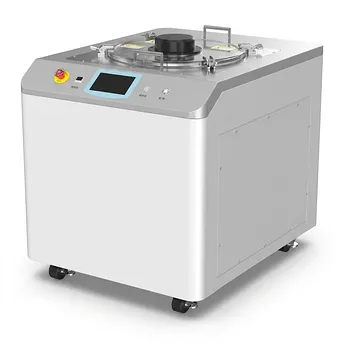
Industrial Planetary Centrifugal Vacuum Defoaming Mixer for High Viscosity Paste and Powder Homogenization
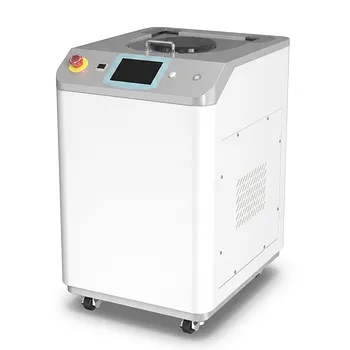
High Viscosity Planetary Centrifugal Mixing and Vacuum Defoaming Machine for Laboratory Material Preparation
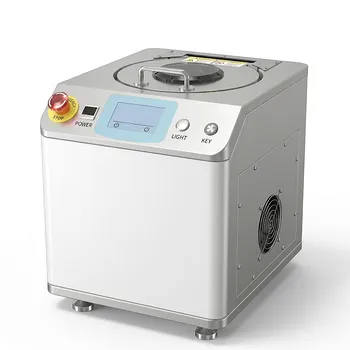
High Efficiency Vacuum Planetary Centrifugal Mixer and Defoaming Machine for Industrial Material Research and Precise Laboratory Powder Dispersion
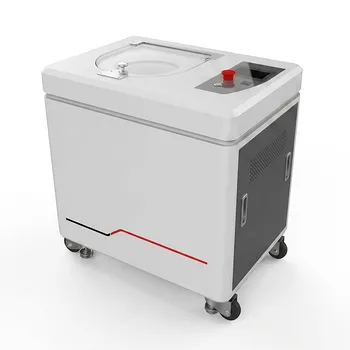
非介入式材料均质机真空脱泡行星搅拌高粘度混合设备
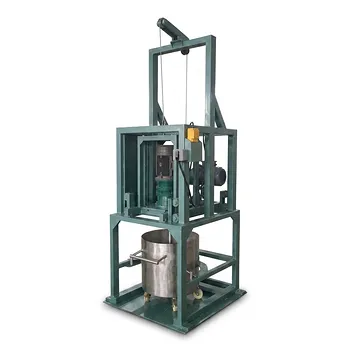
High-Speed Simple Disperser for Efficient Mixing, Dispersion, and Emulsification
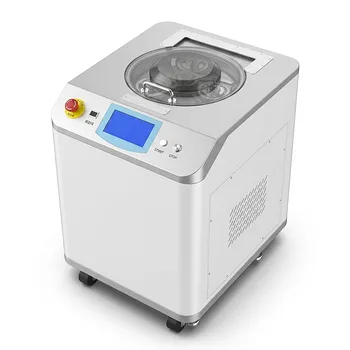
Dual Cup Vacuum Centrifugal Mixer Planetary Paste Defoaming Machine Industrial Material Processor
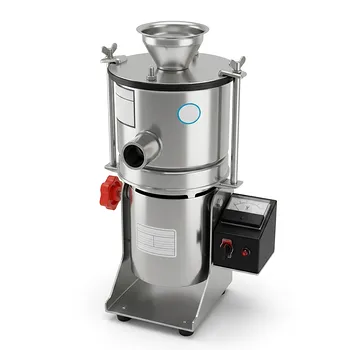
Air Guided Ultrafine Pulverizer High Speed Laboratory Powder Grinder for Chemical and Material Processing
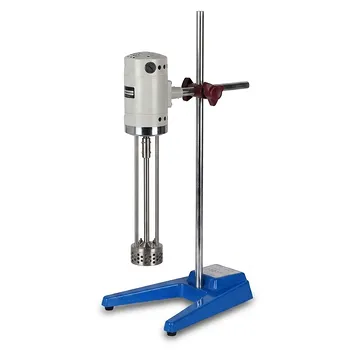
High Shear Laboratory Emulsifier for Mixing and Homogenization
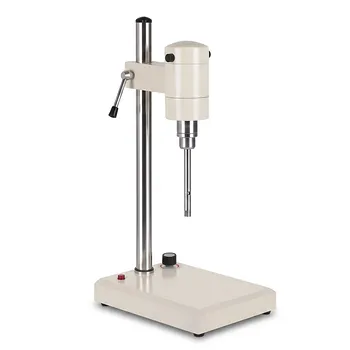
High Speed Dispersing Homogenizer for Laboratory Emulsification Dispersion and Cell Disruption
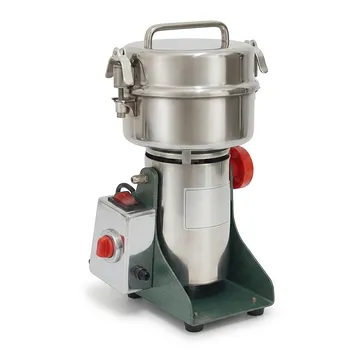
Small High Speed Grinder for Laboratory Sample Preparation
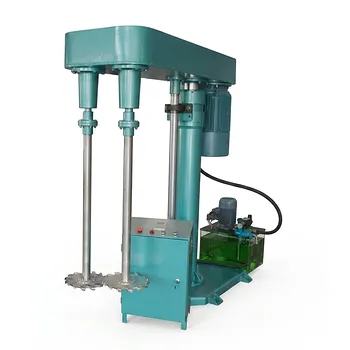
Hydraulic Double Shaft Disperser for High Viscosity Liquid Mixing and Dispersion
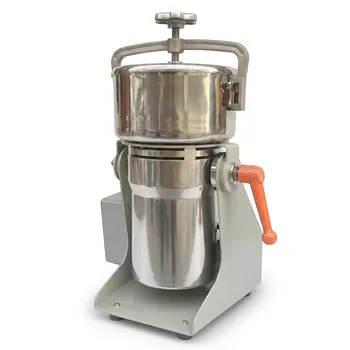
High Speed Laboratory Grinder Efficient Stainless Steel Powder Pulverizer Universal Material Science Mill for Sample Preparation
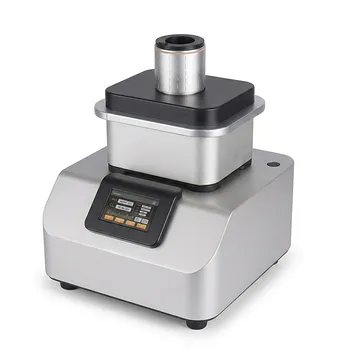
Ultra Centrifugal Mill High Speed Laboratory Grinder for Fibrous and Brittle Sample Preparation
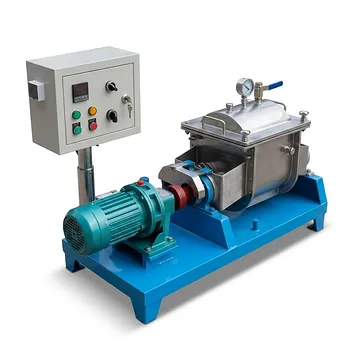
Industrial Vacuum Kneader for High-Viscosity Silicone, Rubber, and Compound Mixing
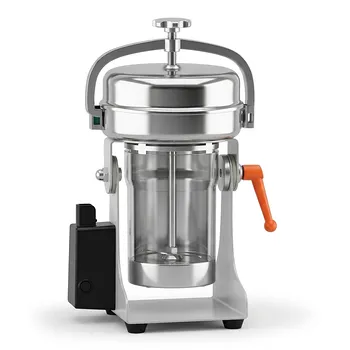
High Efficiency High Speed Grinder 2200W 25000 RPM Laboratory Sample Preparation
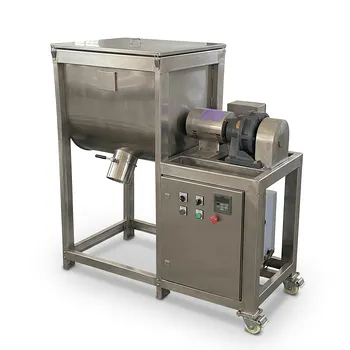
Horizontal Ribbon Mixer for Dry Powder and Slurry Blending