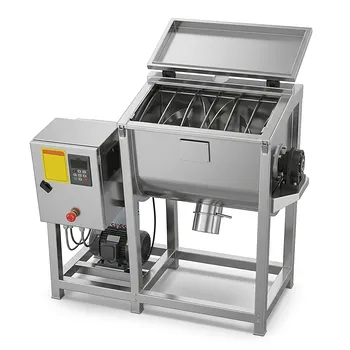
What is the function of a planetary centrifugal mixer in electrode slurries? Achieve Perfect Dispersion & De-aeration
Updated 5 months ago
The planetary centrifugal mixer (PCM) is the critical catalyst for achieving the precise rheological properties required for high-performance printed micro-supercapacitors. By utilizing a dual-motion mechanism of revolution and rotation, it transforms raw active materials, conductive agents, and binders into a highly homogeneous, bubble-free ink. This specific mixing method is essential for ensuring that the resulting slurry possesses the stability and viscoelasticity necessary for continuous, high-resolution Direct Ink Writing (DIW).
The core function of a planetary centrifugal mixer is to provide simultaneous high-shear dispersion and vacuum-free de-aeration. This ensures that electrode slurries are free of agglomerates and micro-bubbles, which directly determines the consistency, printability, and final electrochemical performance of the micro-supercapacitor.
The Mechanism of Action: Dual-Motion Mixing
Generating High-Intensity Shear Forces
A PCM operates by revolving the mixing container around a central axis while simultaneously rotating the container on its own axis. This composite motion generates powerful centrifugal and shear forces that act on the materials at a microscopic level.
Micron-Scale Dispersion
Unlike traditional blade mixers, the PCM facilitates micron-scale dispersion of active carbon, conductive carbon black, and polymer binders (like CMC or SBR). This high-energy environment ensures that the binder achieves a uniform coating on the surface of the carbon particles, creating a stable network within the solvent.
Vacuum-Free Defoaming
The high centrifugal forces generated during rotation effectively push air bubbles to the surface of the slurry, where they collapse. This process removes micro-bubbles without the need for external vacuum systems, preventing potential defects in the printed electrode structure.
Critical Functions in Electrode Slurry Preparation
Eliminating Particle Agglomeration
Active materials and conductive agents often naturally clump together due to Van der Waals forces. The PCM breaks these agglomerates apart, ensuring that the conductive carbon black is distributed evenly throughout the active carbon matrix to provide optimal electron transport.
Preserving Material Morphology
One of the primary technical advantages of a PCM is its ability to mix thoroughly without damaging the delicate microstructure of the materials. Because there are no physical blades to crush the particles, the original morphology of the active carbon is maintained, which is vital for preserving the surface area available for energy storage.
Achieving Rheological Consistency
For printed electronics, the viscoelastic properties of the ink are paramount. The PCM creates a slurry with consistent viscosity and fluidity, ensuring that the ink flows smoothly through the printing nozzle during the DIW process without clogging or thinning unexpectedly.
Understanding the Trade-offs
Heat Generation During High-Speed Rotation
The intense kinetic energy used to disperse materials can lead to significant heat buildup within the mixing container. This can be problematic for temperature-sensitive binders or volatile solvents, requiring the use of cooling cycles or specialized containers to prevent degradation.
Processing Volume Limitations
PCMs are generally designed for batch processing rather than continuous production. While they offer superior quality for high-performance applications like micro-supercapacitors, the limited batch size can be a bottleneck for large-scale industrial manufacturing compared to traditional stirred-tank reactors.
Making the Right Choice for Your Goal
How to Apply This to Your Project
Achieving the perfect electrode ink requires balancing mixing intensity with material sensitivity. Your approach should depend on your specific performance requirements.
- If your primary focus is DIW Printability: Prioritize the PCM’s rotation-to-revolution ratio to fine-tune the ink's viscoelasticity, ensuring a stable "bead" during the extrusion process.
- If your primary focus is Electrochemical Performance: Focus on the duration of the high-shear phase to ensure the conductive carbon black is perfectly dispersed, minimizing the internal resistance of the final electrode.
- If your primary focus is Structural Integrity: Use lower RPM settings over longer durations to ensure the polymer binder is uniformly distributed without overheating and weakening the material matrix.
By mastering the high-shear environment of the planetary centrifugal mixer, researchers can move from inconsistent manual pastes to the high-precision inks necessary for the next generation of micro-energy storage.
Summary Table:
| Key Function | Benefit for Micro-Supercapacitors |
|---|---|
| High-Shear Dispersion | Ensures uniform distribution of active materials and conductive agents. |
| Vacuum-Free De-aeration | Eliminates micro-bubbles to prevent defects in the printed structure. |
| Morphology Preservation | Maintains material surface area by mixing without damaging microstructures. |
| Rheological Control | Achieves consistent viscosity for high-resolution Direct Ink Writing (DIW). |
Elevate Your Material Research with Precision Sample Preparation
Achieving the perfect electrode ink requires more than just high-quality materials; it requires the right processing technology. We provide complete laboratory sample preparation solutions tailored for material science, specializing in advanced powder processing and compaction equipment.
Our extensive product line supports your entire workflow:
- Advanced Mixing: Specialized powder mixers and defoaming mixers (Planetary Centrifugal Mixers) for homogeneous, bubble-free slurries.
- Precision Milling: Planetary ball mills, jet mills, rotor mills, and liquid nitrogen cryogenic grinders for micron-scale dispersion.
- Size Analysis & Crushing: Vibratory/air-jet sieve shakers and robust jaw/roll crushers.
- High-Pressure Compaction: A full spectrum of hydraulic presses, including Cold/Warm Isostatic Presses (CIP/WIP), vacuum hot presses, and XRF pellet presses.
Whether you are developing next-generation micro-supercapacitors or advanced ceramics, our equipment ensures the consistency and performance your research demands.
Contact our technical team today to find the ideal solution for your lab!
References
- Yuhang Yuan, Yong Tang. High‐Performance All‐Printed Flexible Micro‐Supercapacitors with Hierarchical Encapsulation. DOI: 10.1002/eem2.12657
Mentioned Products
- High Viscosity Planetary Centrifugal Vacuum Mixer for Material Defoaming and Uniform Mixing
- High Efficiency Vacuum Planetary Centrifugal Mixer and Defoaming Machine for Industrial Material Research and Precise Laboratory Powder Dispersion
- Industrial Planetary Centrifugal Vacuum Defoaming Mixer for High Viscosity Paste and Powder Homogenization
- High Viscosity Planetary Centrifugal Mixing and Vacuum Defoaming Machine for Laboratory Material Preparation
- High Speed Vacuum Planetary Centrifugal Mixer and Defoamer for Industrial Paste Processing
People Also Ask
- What core functions does a planetary centrifugal mixer perform? Optimize Hard Carbon Anode Slurry & Degassing
- Why is a planetary centrifugal mixer recommended for geopolymer slurries? Achieve high-shear, air-free homogenization.
- Why is a planetary centrifugal mixer utilized for wood powder and HPMC? Achieve uniform dispersion & rapid defoaming.
- How does a planetary centrifugal mixer address key challenges in Tyr-CDs@EVA optical films? Ensure Optical Clarity.
- What is the role of a planetary centrifugal mixer in UHTC slurry preparation? Achieve Void-Free, High-Viscosity Mixing

Tech Team · PowderPreparation
Last updated on May 14, 2026
Related Products
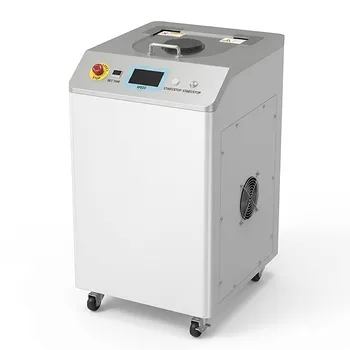
High Viscosity Planetary Centrifugal Vacuum Mixer for Material Defoaming and Uniform Mixing
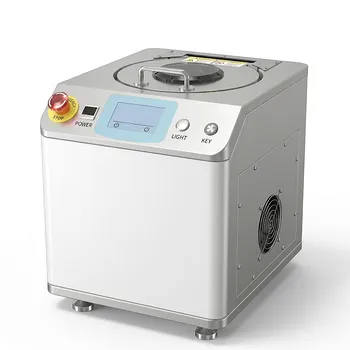
High Efficiency Vacuum Planetary Centrifugal Mixer and Defoaming Machine for Industrial Material Research and Precise Laboratory Powder Dispersion
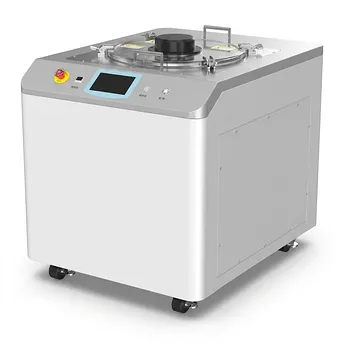
Industrial Planetary Centrifugal Vacuum Defoaming Mixer for High Viscosity Paste and Powder Homogenization
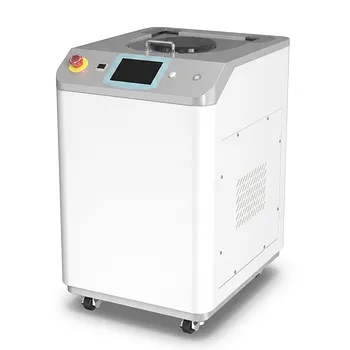
High Viscosity Planetary Centrifugal Mixing and Vacuum Defoaming Machine for Laboratory Material Preparation
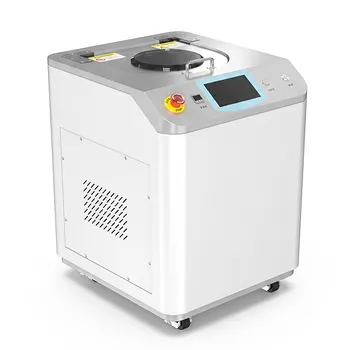
High Speed Vacuum Planetary Centrifugal Mixer and Defoamer for Industrial Paste Processing
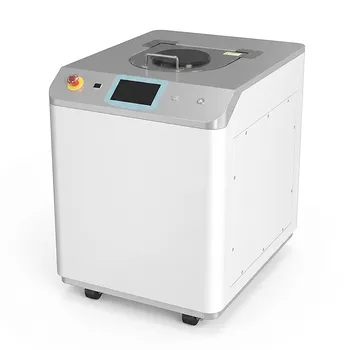
Industrial Planetary Centrifugal Vacuum Defoaming Mixer for High Viscosity Paste and Advanced Material Science
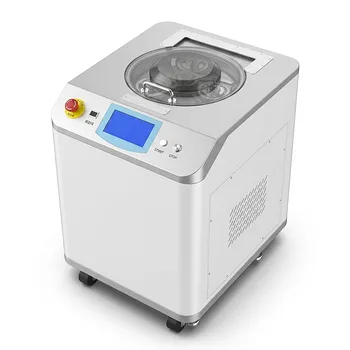
Dual Cup Vacuum Centrifugal Mixer Planetary Paste Defoaming Machine Industrial Material Processor
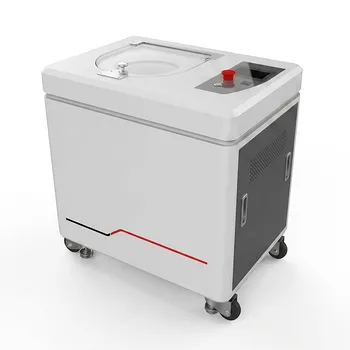
非介入式材料均质机真空脱泡行星搅拌高粘度混合设备
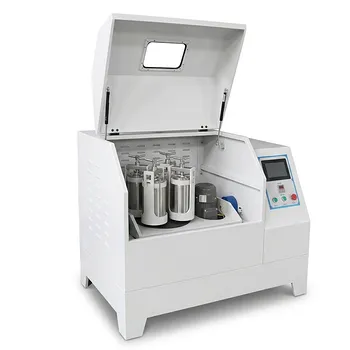
360° Rotating Omnidirectional Laboratory Planetary Ball Mill for Homogeneous Ultra-Fine Grinding and Mixing
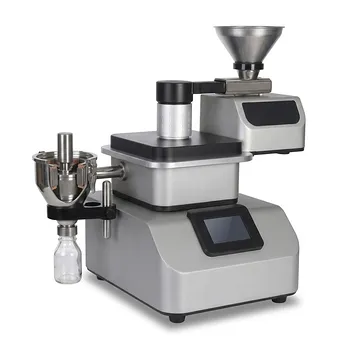
Ultra Centrifugal Mill for Rapid Laboratory Sample Preparation and Fine Powder Grinding
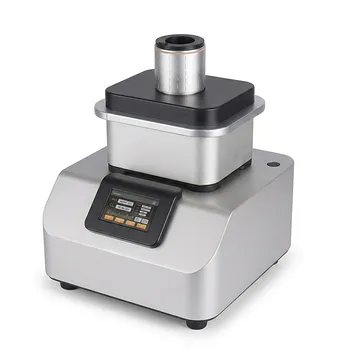
Ultra Centrifugal Mill High Speed Laboratory Grinder for Fibrous and Brittle Sample Preparation
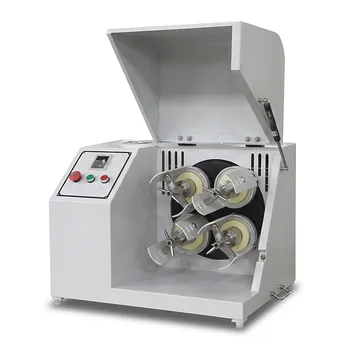
Horizontal Light Duty Planetary Ball Mill for Laboratory Sample Preparation
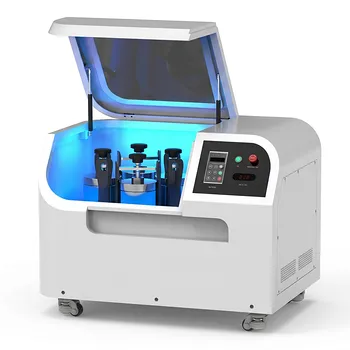
Planetary Ball Mill 12L

High Energy Omnidirectional Planetary Ball Mill 20L
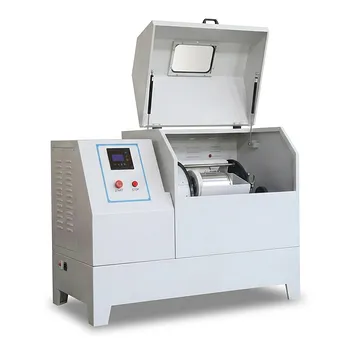
Heavy Duty Horizontal Planetary Ball Mill for Efficient Industrial Grinding and Sample Preparation

Vertical Production Planetary Ball Mill for High Throughput Powder Processing

High Energy Omnidirectional Planetary Ball Mill 16L

Miniature Planetary Ball Mill with Vacuum Grinding and High Efficiency for Laboratory Sample Preparation

Vertical Square Planetary Ball Mill for Laboratory Sample Preparation and Nanoscale Grinding