What is the function of a high-precision electric vibratory sieve shaker in mortar prep? Ensure Optimal Aggregate Grading
Updated 5 months ago
High-precision electric vibratory sieve shakers are the cornerstone of aggregate quality control in mortar preparation. These devices perform mechanized particle size distribution analysis to ensure fine aggregates, such as natural sea sand, meet rigorous grading standards. This process determines the fineness modulus and uniformity coefficient, which are critical for managing the flowability, porosity, and volume stability of the mortar in its hardened state.
The primary function of a vibratory sieve shaker is to provide a standardized, mechanical method for classifying aggregates into distinct diameter grades. By establishing an accurate particle size distribution, it enables engineers to optimize the mortar's internal skeleton, reducing voids and ensuring long-term structural stability.
Optimizing the Internal Skeleton of Mortar
Achieving Precise Particle Size Distribution
The device uses controlled mechanical vibration to drive material through a vertical stack of standard test sieves with decreasing aperture sizes. This process separates the aggregate into uniform fractions, allowing for the precise calculation of the average particle size.
Enhancing Mechanical Performance and Flowability
Accurate grading ensures that smaller particles effectively fill the interstitial gaps between larger grains, creating a dense skeletal support structure. This optimization directly improves the workability of the fresh mix and the ultimate compressive strength of the alkali-activated or ecological mortar.
Controlling Porosity and Volume Stability
By strictly monitoring the fineness modulus, researchers can predict the water demand and shrinkage characteristics of the mixture. This control is essential for preventing cracks and ensuring the volume stability of the mortar over its service life.
Ensuring Scientific and Industrial Consistency
Providing Data for Simulation and Research
In advanced engineering, the shaker provides the precise input parameters required for Discrete Element Method (DEM) simulations. This ensures that numerical models accurately reflect the physical behavior of materials, bridging the gap between digital design and real-world application.
Standardizing Alternative Aggregates
When integrating recycled materials like PET pellets, flakes, or bottom ash, the shaker ensures their grading aligns with natural aggregates. This standardization is vital for maintaining the quality of the Interfacial Transition Zone (ITZ) and ensuring consistent density across different batches.
Facilitating Experimental Repeatability
The use of mechanized vibration replaces manual sieving, which is prone to human error and inconsistency. This provides a stable vibration environment that ensures fine particles fully pass through the mesh, leading to highly repeatable experimental results.
Understanding the Trade-offs and Limitations
Mechanical Wear and Sieve Blinding
Repetitive, high-intensity vibration can lead to sieve blinding, where particles become wedged in the mesh apertures. If not addressed through regular cleaning and maintenance, this can distort grading results and lead to poor mix designs.
Material Degradation During Testing
Fragile or friable aggregates, such as porous ceramsite, may suffer from particle breakdown during prolonged vibration cycles. This can create an "artificial" increase in fine particles, leading to an inaccurate representation of the material's original state.
Sample Size and Overloading Risks
Overloading the sieve stack prevents particles from reaching the mesh surface, resulting in incomplete separation. Users must balance the sample mass with the sieve surface area to maintain the high precision required for sensitive mortar formulations.
How to Apply This to Your Project
Selecting the correct sieving protocol is essential for achieving the desired material properties in your mortar.
- If your primary focus is Discrete Element Method (DEM) simulation: Use high-precision sieving to generate detailed grading curves that serve as the foundational input for your numerical models.
- If your primary focus is maximizing mortar strength and density: Prioritize the fineness modulus calculation to optimize the particle skeleton and minimize the volume of voids within the matrix.
- If your primary focus is integrating recycled or alternative aggregates: Utilize standard test sieves to match the particle size distribution of recycled materials to natural sand to ensure predictable flowability.
By mastering mechanical sieving, you transform raw aggregates into a precisely engineered component of high-performance mortar.
Summary Table:
| Key Function | Impact on Mortar Quality | Critical Metric Managed |
|---|---|---|
| Particle Classification | Optimizes the internal skeletal structure | Fineness Modulus |
| Grading Analysis | Enhances flowability and workability | Uniformity Coefficient |
| Porosity Control | Reduces voids and improves volume stability | Packing Density |
| Standardization | Ensures repeatable results and DEM accuracy | Particle Size Distribution |
Elevate Your Material Analysis with Precision Equipment
Are you looking to achieve the perfect particle skeleton for high-performance mortar? Precision in aggregate grading is the foundation of structural integrity. At our facility, we provide complete laboratory sample preparation solutions for material science, specializing in high-performance powder processing and compaction equipment.
Our extensive product line is designed to support every stage of your workflow:
- Sieving & Grading: High-precision vibratory and air-jet sieve shakers with a wide array of test sieves.
- Size Reduction: Jaw/roll crushers, liquid nitrogen cryogenic grinders, and advanced mills (planetary ball, jet, sand/bead, disc, and rotor).
- Mixing & Compaction: High-efficiency powder/defoaming mixers and a full spectrum of hydraulic presses—including Cold/Warm Isostatic Presses (CIP/WIP), XRF pellet presses, and vacuum hot presses.
Whether you are optimizing ecological mortar or conducting advanced DEM simulations, we bring the technical expertise and reliable hardware you need to ensure industrial consistency.
Ready to refine your laboratory process? Contact us today to find the perfect solution for your project!
References
- Redouane Mghaiouini. Elaboration and Physico-Mechanical Characterization of an New Eco-Mortar Composite Based on Magnetized Water and Flay Ash. DOI: 10.12911/22998993/119816
Mentioned Products
- 三维电磁微量振动筛分仪
- Vibratory Sieve Shaker Electromagnetic 3D Motion Powder Particle Size Analyzer for Dry and Wet Sieving
- Laboratory Vibratory Test Sieve Shaker for Precision Particle Size Analysis and Powder Grading
- High Frequency Cabinet Type Three-Dimensional Rotary Vibrating Sieve Shaker for Dry Sieving and Particle Classification
- Small Laboratory Vibrating Sieve Shaker for Precise Particle Size Analysis
People Also Ask
- Why is a standard sieve shaker essential for CBA powders in geopolymers? Enhance Reactivity & Material Strength
- Why are standard metal sieves and sieve shakers necessary for 5-aminotetrazole mixtures? Optimize Thermal & Kinetic Data
- Why Use Sieve Shakers for Gangue Slurry Experiments? Optimize Particle Grading for Superior Results
- What are the advantages of mechanical vs. manual sieving for road dust analysis? Achieve Superior Data Standardization.
- How do high-precision sieve shakers and powder mixers facilitate material circularity in metal PBF? Optimize AM Cycles

Tech Team · PowderPreparation
Last updated on May 14, 2026
Related Products
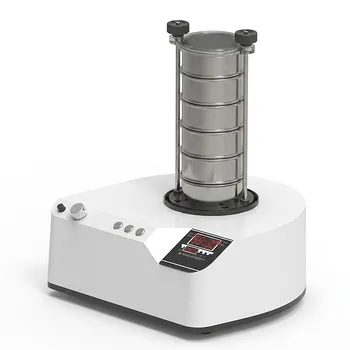
三维电磁微量振动筛分仪
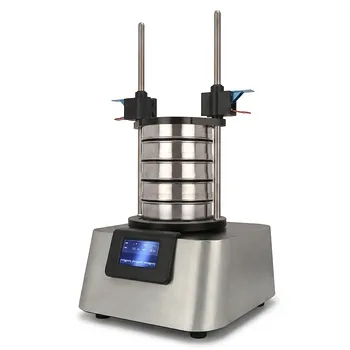
Vibratory Sieve Shaker Electromagnetic 3D Motion Powder Particle Size Analyzer for Dry and Wet Sieving
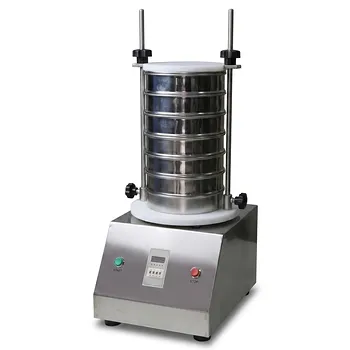
Laboratory Vibratory Test Sieve Shaker for Precision Particle Size Analysis and Powder Grading
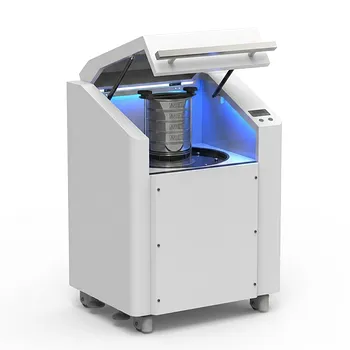
High Frequency Cabinet Type Three-Dimensional Rotary Vibrating Sieve Shaker for Dry Sieving and Particle Classification
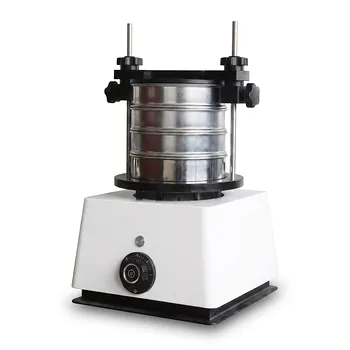
Small Laboratory Vibrating Sieve Shaker for Precise Particle Size Analysis
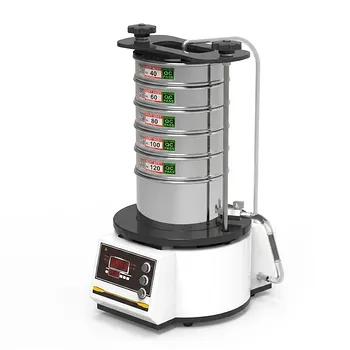
High Frequency Wet Three-Dimensional Vibrating Sieve Shaker for Dry and Wet Particle Size Analysis
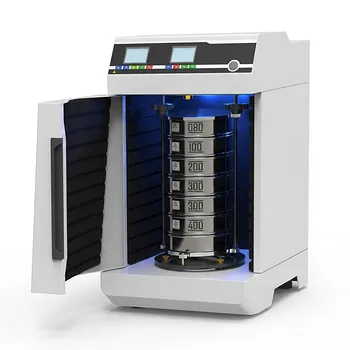
Laboratory Dry and Wet Three Dimensional Vibratory Sieve Shaker for Particle Analysis
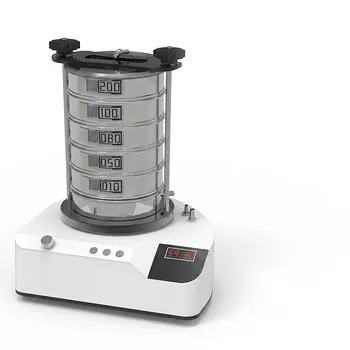
Heavy Duty Dry Three Dimensional Vibratory Sieve Shaker for Particle Separation
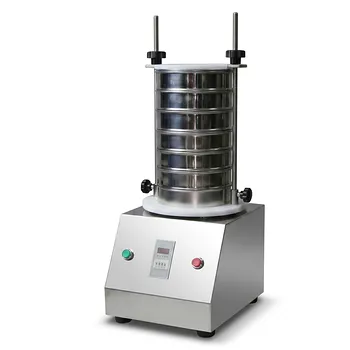
Small Laboratory Vibratory Sieve Shaker for Powder Gradation and Particle Size Analysis
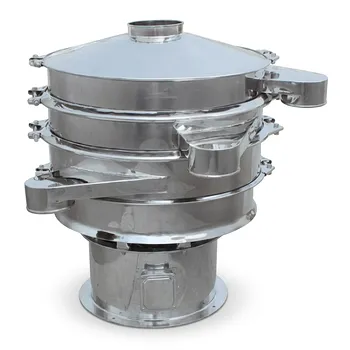
Stainless Steel Rotary Vibrating Sieve High Precision Circular Vibratory Separator Industrial Powder Grading Machine Multi Layer Sifting Equipment
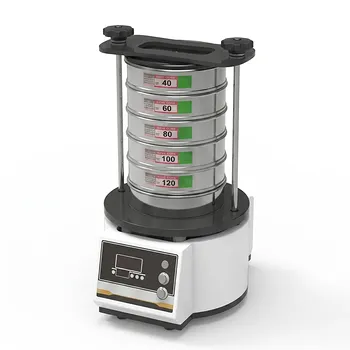
Dry Three Dimensional Vibratory Sieve Shaker
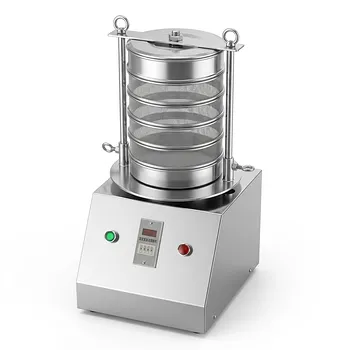
Stainless Steel Laboratory Vibratory Test Sieve Shaker
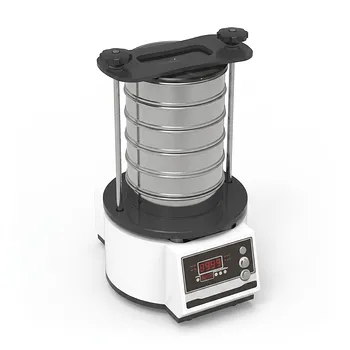
Tapping Oscillating Sieve Shaker for Dry and Wet Particle Size Analysis
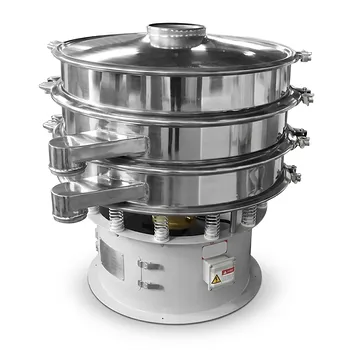
Three Dimensional Rotary Vibrating Sieve
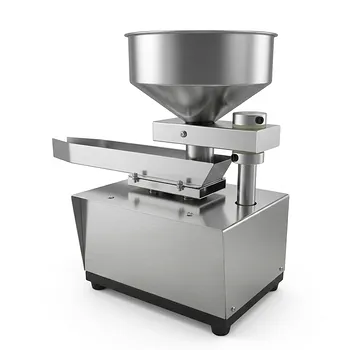
Automatic Vibrating Powder Feeder for Laboratory Material Processing Precision Vibratory Hopper Feeder for Granular and Powder Material Handling Industrial Grade Vibrating Tray Feeder for Consistent Material Sample Preparation
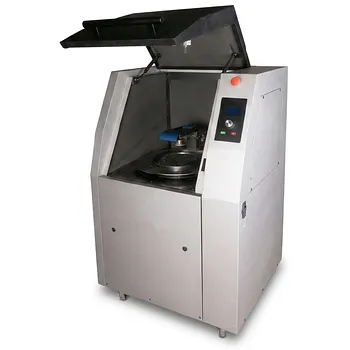
High Speed Vibratory Disc Mill for Spectral Analysis Sample Preparation and Rapid Powder Grinding
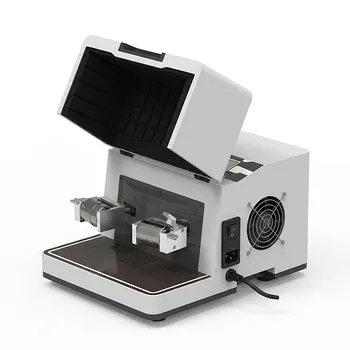
High Energy Hybrid Vibratory Ball Mill for Grinding Mixing and Cell Disruption
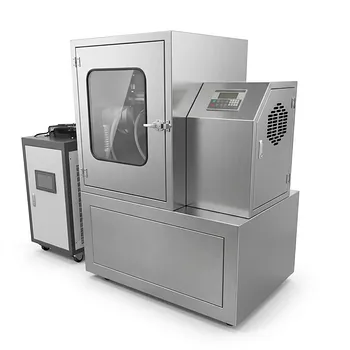
Vibratory Superfine Grinder for Ultra Fine Laboratory Powder Milling
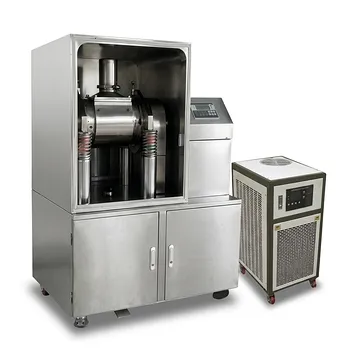
Small Vibrating Ultrafine Grinder for Traditional Chinese Medicine