How do high-precision sieve shakers and powder mixers facilitate material circularity in metal PBF? Optimize AM Cycles
Updated 5 months ago
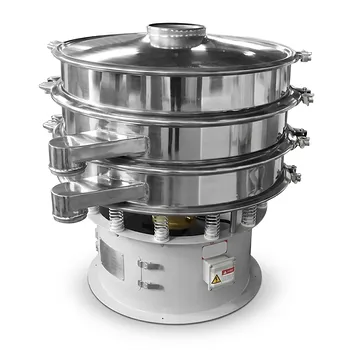
High-precision sieve shakers and powder mixers enable material circularity by transforming used, contaminated metal powder back into a process-ready feedstock. This recovery cycle involves removing physical and chemical impurities through precise sieving and then blending that regenerated material with virgin powder to restore the specific flowability and packing density required for high-quality additive manufacturing.
Central Takeaway: Material circularity in PBF is achieved by using sieve shakers to remove print-induced contaminants and mixers to re-stabilize the powder's physical properties, allowing manufacturers to drastically reduce waste and material costs without sacrificing part integrity.
Restoring Powder Integrity via High-Precision Sieving
Eliminating Print-Induced Contaminants
During the PBF process, unmelted powder is often contaminated by satellite particles, spatter, and oxide impurities. High-precision sieve shakers are critical for removing these oversized or degraded elements to restore the powder to its original quality.
Managing Particle Size Distribution (PSD)
Precision sieving, particularly through air-jet or vibratory methods, allows manufacturers to isolate specific size fractions, such as the 20 to 63-micron range. Restoring this specific Particle Size Distribution (PSD) is essential for ensuring uniform layer spreading during the next print cycle.
Preventing Structural and Surface Defects
By removing oversized particles and agglomerates, sieving ensures that the powder does not cause porosity or internal defects in the final part. This process is also vital for preventing surface imperfections like pinholes or grain protrusions, which can compromise a mirror-like finish.
Re-establishing Processability through Powder Mixing
Achieving Ideal Flowability and Packing Density
Once powder is sieved and regenerated, it is blended with virgin powder at specific ratios using a powder mixer. This step is necessary to re-establish the ideal flowability and packing density that may have shifted during the previous heat cycle.
Maintaining Chemical and Physical Consistency
Mixers allow for the exploration of different grading ratios (coarse, medium, and fine fractions) to achieve maximum uniformity. This ensures that the final component maintains a stable chemical composition and high density, matching the performance of parts made from 100% virgin material.
Driving Economic and Environmental Value
The primary benefit of this circular approach is the significant reduction in material costs. By maximizing the reuse of expensive metal alloys, manufacturers can lower the total cost per part while minimizing the environmental footprint of their production line.
Understanding the Trade-offs and Risks
Limitations of Mechanical Recovery
While sieving removes physical contaminants, it may not fully address interstitial oxygen pickup or chemical degradation occurring at the molecular level. Repeatedly recycling powder without sufficient virgin "sweetener" can lead to gradual shifts in mechanical properties.
The Complexity of Blending Ratios
Finding the "goldilocks" zone for blending ratios requires rigorous testing and validation. An incorrect ratio can lead to poor powder bed density, which directly translates to micro-cracks or structural failure in the finished metal component.
How to Apply This to Your Project
Making the Right Choice for Your Goal
To implement a successful circularity strategy, align your equipment usage with your specific performance requirements:
- If your primary focus is cost reduction in non-critical parts: Prioritize high-ratio blending of sieved powder with virgin material to minimize waste while maintaining basic flow standards.
- If your primary focus is aerospace or medical-grade quality: Utilize high-precision air-jet sieving to strictly enforce a narrow PSD and use lower recycling ratios to ensure absolute chemical consistency.
- If your primary focus is surface finish and aesthetics: Focus on fine-mesh vibratory sieving (e.g., 106μm or less) to eliminate all agglomerates that could cause visible surface protrusions.
By mastering the balance between precision sieving and strategic blending, you can create a sustainable, cost-effective manufacturing ecosystem that maintains the highest standards of technical excellence.
Summary Table:
| Equipment Type | Role in Material Circularity | Key Impact on PBF Quality |
|---|---|---|
| Sieve Shakers | Removes spatter, satellites, and oversized contaminants | Restores PSD & prevents internal structural defects |
| Powder Mixers | Blends regenerated & virgin powder at precise ratios | Re-establishes flowability and chemical consistency |
| Combined System | Enables a closed-loop recovery cycle | Drastically reduces material waste and production costs |
Maximize Your Additive Manufacturing Efficiency with [Brand Name]
Don't let expensive metal powders go to waste. [Brand Name] provides complete laboratory sample preparation solutions tailored for material science, specializing in advanced powder processing and compaction. Whether you are aiming for aerospace-grade quality or cost-effective prototyping, our equipment ensures your feedstock meets the highest standards of purity and consistency.
Our Comprehensive Product Line Includes:
- Powder Processing: High-precision sieve shakers (vibratory/air-jet), planetary ball mills, jet mills, and rotor mills.
- Mixing Solutions: High-uniformity powder mixers and vacuum defoaming mixers for perfect blending ratios.
- Advanced Compaction: A full spectrum of hydraulic presses, including Cold/Warm Isostatic Presses (CIP/WIP), XRF pellet presses, and vacuum hot presses.
- Pre-Processing: Jaw and roll crushers, plus liquid nitrogen cryogenic grinders for sensitive materials.
Ready to transform your material recovery process and lower your cost per part? Contact our experts today to find the perfect solution for your laboratory or production line!
References
- Stavros T. Ponis, Konstantina Dimogiorgi. A Systematic Literature Review on Additive Manufacturing in the Context of Circular Economy. DOI: 10.3390/su13116007
Mentioned Products
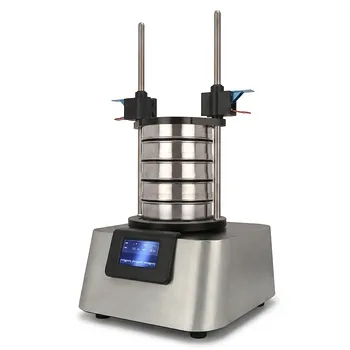
- Vibratory Sieve Shaker Electromagnetic 3D Motion Powder Particle Size Analyzer for Dry and Wet Sieving
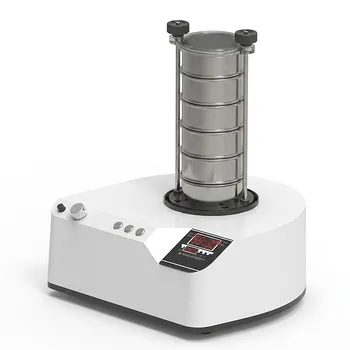
- 三维电磁微量振动筛分仪
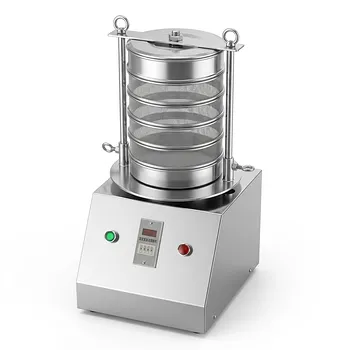
- Stainless Steel Laboratory Vibratory Test Sieve Shaker
- Small Laboratory Vibrating Sieve Shaker for Precise Particle Size Analysis
- Heavy Duty Dry Three Dimensional Vibratory Sieve Shaker for Particle Separation
People Also Ask
- How does a vibratory sieve shaker contribute to optimizing the performance of activated carbon? Enhance Adsorption Precision
- Why is a laboratory vibratory sieve shaker necessary for processing magnesium-based borate precursor powders? Boost Activity
- Why use a vibratory sieve shaker to verify coarse aggregate grading in rubberized concrete? Ensure Structural Integrity
- What function do vibratory sieve shakers and standard test sieves serve in the preparation of adsorbents? Key Guide
- What role does a vibratory sieve shaker play in the particle size analysis of ground corn products? Enhance QC Precision

Tech Team · PowderPreparation
Last updated on May 14, 2026
Related Products
Vibratory Sieve Shaker Electromagnetic 3D Motion Powder Particle Size Analyzer for Dry and Wet Sieving
三维电磁微量振动筛分仪
Stainless Steel Laboratory Vibratory Test Sieve Shaker

Small Laboratory Vibrating Sieve Shaker for Precise Particle Size Analysis
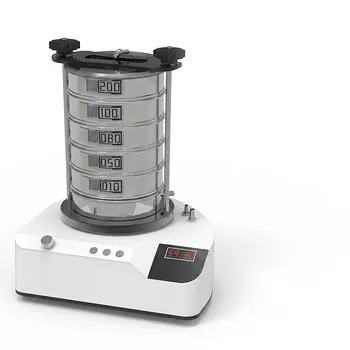
Heavy Duty Dry Three Dimensional Vibratory Sieve Shaker for Particle Separation
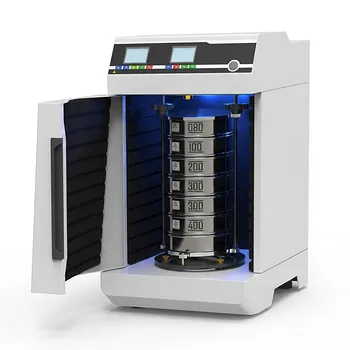
Laboratory Dry and Wet Three Dimensional Vibratory Sieve Shaker for Particle Analysis
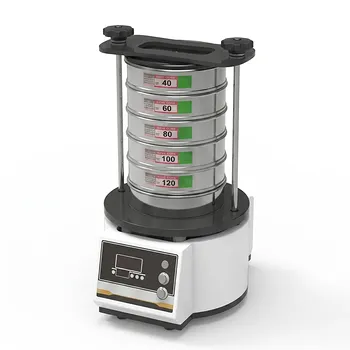
Dry Three Dimensional Vibratory Sieve Shaker

Laboratory Vibratory Test Sieve Shaker for Precision Particle Size Analysis and Powder Grading
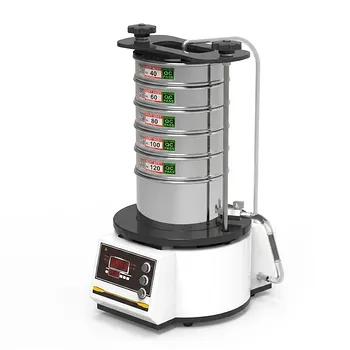
High Frequency Wet Three-Dimensional Vibrating Sieve Shaker for Dry and Wet Particle Size Analysis
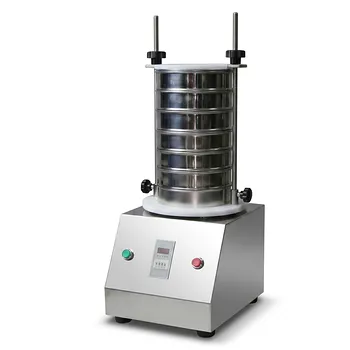
Small Laboratory Vibratory Sieve Shaker for Powder Gradation and Particle Size Analysis
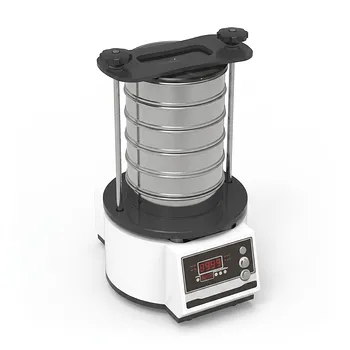
Tapping Oscillating Sieve Shaker for Dry and Wet Particle Size Analysis
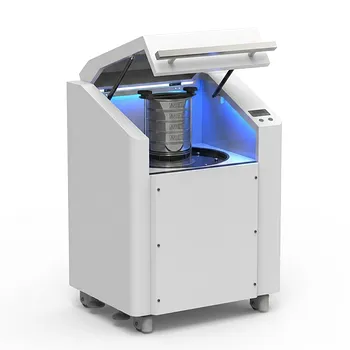
High Frequency Cabinet Type Three-Dimensional Rotary Vibrating Sieve Shaker for Dry Sieving and Particle Classification

Stainless Steel Rotary Vibrating Sieve High Precision Circular Vibratory Separator Industrial Powder Grading Machine Multi Layer Sifting Equipment
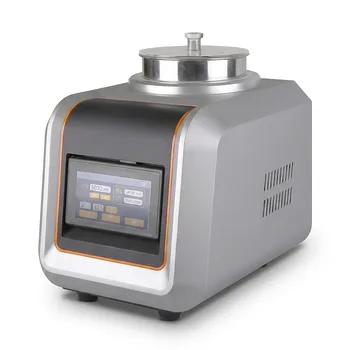
Laboratory Air Jet Sieving Machine for Fine Powder Particle Size Analysis and Deagglomeration